What Is Hair About?
The premise of Hair in 274 words, with nothing given away. The full story follows below.
In the heart of late‑1960s New York City, a swirl of color, music, and rebellion pulses through every street corner, casting the tumult of the Vietnam era in a dazzling, comedic light. The city becomes a living stage where long hair and free‑spirited attitudes are as much a uniform as any military outfit, and the clash between conformity and self‑expression fuels the film’s electric rhythm. From bustling avenues to smoky lofts, the world of Hair shimmers with the optimism of a generation daring to rewrite its own script.
At the story’s center is Claude Hooper Bukowski, a wide‑eyed young man from Oklahoma whose innocent curiosity lands him amid a kaleidoscopic troupe of hippies. Their charismatic leader, George Berger, invites Claude into a whirlwind of song, dance, and philosophical debate, where every moment feels both a celebration and a question. Alongside them, Sheila Franklin—a polished debutante whose privileged upbringing feels suddenly out of step—finds herself drawn into the same vortex, intrigued by the stark contrast between her structured world and the unbridled freedom around her.
The ensemble’s dynamic is a tapestry of personalities: Hud, a laid‑back soul with a quick grin; Jeannie, whose wit cuts through pretense; and Woof, whose defiant stance on something as simple as a haircut becomes a rallying cry. Their interactions blend humor with heartfelt discovery, as each character navigates the pull of personal dreams against the backdrop of a society in flux. The film’s tone—bright, irreverent, and suffused with the infectious energy of its soundtrack—encourages viewers to feel the pulse of an era where love, music, and the simple act of letting one’s hair down become acts of quiet revolution.
What Happens in Hair?
The complete story of Hair, from the first scene to the last, in 516 words (about 2 minutes). Spoilers throughout. Names in the text link to 2 cast member pages.
Spoilers ahead
In Hair, a vibrant musical, we follow the journey of two young men navigating their lives during the turbulent Vietnam era, set against the rich backdrop of hippie culture. The story unfolds in the late 1960s, introducing us to Claude Hooper Bukowski (John Savage), a naive young man from Oklahoma, who arrives in New York City to explore before his enlistment in the U.S. Army. As he steps into the bustling streets, he quickly encounters a group of free-spirited hippies led by George Berger (Treat Williams), who are humorously attempting to beg for change from a trio of horseback riders.
During his adventures, Claude showcases his riding skills on a horse that the hippies have rented, which leads him to befriend one of the upper-class debutantes from the trio. Graciously accepting an invitation from the hippies to explore the city, Claude experiences a whirlwind of emotions throughout the night. He engages in smoking marijuana, which opens his eyes to the pressing societal issues of race and class during the 1960s. The following morning, George discovers an article that identifies the mysterious girl, Sheila Franklin (portrayed by Beverly D’Angelo), who finds amusement in the chaos brought by her new friends.
Amidst their escapades, the hippie group, including characters like Hud (Dorsey Wright), Jeannie (Annie Golden), and Woof (Don Dacus), infiltrates a private party where Sheila is present, further shaking the foundation of her rigid lifestyle. After their arrest, Claude, concerned for George’s well-being, uses his limited funds to bail him out. A spirited musical number is born from Woof’s defiance against having his hair cut, resonating with the film’s title theme.
As the story progresses, George struggles to persuade Sheila to retrieve money from her affluent father, leading him back to seek assistance from his own mother. Their next adventure takes them to a peace rally in Central Park, where Claude experiences the effects of acid, leading to a profound internal conflict regarding his identity—torn between his Oklahoman roots, Sheila’s upper-class world, and the free-spirited lifestyle of the hippies.
The trip results in tension within the group, especially after a prank exposes Sheila to embarrassment. Philosophical differences regarding the Vietnam War and personal versus community responsibilities come to a head, culminating in Claude’s decision to adhere to his initial plan of reporting for the draft and facing basic training.
Claude’s correspondence from training prompts Sheila to reconnect with George and the others, sparking a daring scheme to visit him at his military base in Nevada, with the assistance of Hud’s fiancée (Cheryl Barnes). Their adventure involves trickery, leading to George infiltrating the Army base dressed in an Army uniform to meet Claude. Unfortunately, the urgency of deployment intervenes, and George selflessly takes Claude’s place when duty calls for immediate shipping out to Vietnam.
The film poignantly concludes months later at Arlington Cemetery, where we witness George’s gravestone as a tribute to his sacrifice—the haunting song “Let the Sunshine In” echoes as the screen captures crowds protesting for peace in Washington, underscoring the film’s enduring message about the costs of war and the pursuit of love and freedom.
Hair Timeline: Every Key Event in Order
15 key events in the order they happen, from “Claude Arrives in New York City” to “The Haunting Conclusion at Arlington Cemetery”. 14 events name a place, across 7 locations.
- 1
Claude Arrives in New York City
Claude Hooper Bukowski, a naive young man from Oklahoma, arrives in New York City. He is eager to explore the city and understand the world around him before his enlistment in the U.S. Army.
When:Late 1960s Where:New York City
- 2
First Encounter with Hippies
Upon entering the vibrant streets of New York, Claude encounters a group of free-spirited hippies led by George Berger. They humorously attempt to beg for change from horseback riders, showcasing the energy and spontaneity of their lifestyle.
When:Late 1960s Where:New York City
- 3
Claude Rides a Horse
Demonstrating his riding skills, Claude hops on a horse rented by the hippies. This playful act leads him to form a bond with one of the upper-class debutantes from the trio, setting the stage for deeper connections.
When:Late 1960s Where:New York City
- 4
A Night of Exploration
Accepting an invitation from the hippies, Claude experiences a whirlwind night in New York. Through this adventure, he engages in smoking marijuana, which expands his awareness of societal issues like race and class disparities.
When:Late 1960s Where:New York City
- 5
Discovery of Sheila Franklin
The next morning, George discovers an article that reveals the identity of the girl who charmed Claude, Sheila Franklin. Her amusement at the chaos caused by her new friends further illustrates the clash of social classes.
When:Late 1960s Where:New York City
- 6
Infiltrating the Private Party
The hippie group manages to infiltrate a private party where Sheila is present. This adventure challenges Sheila's rigid lifestyle, complicating her views on friendship and loyalty.
When:Late 1960s Where:Private Party, New York City
- 7
Bailing George Out of Jail
After the group’s arrest at the party, Claude, worried about his friend George’s well-being, uses his limited funds to bail him out. This action solidifies Claude's commitment to his new friendships amid the chaos.
When:Late 1960s Where:Jail, New York City
- 8
Woof's Defiant Musical Number
In a moment of rebellion, Woof performs a spirited musical number expressing his defiance about having his hair cut. This performance aligns with the film's thematic connection to the counterculture movement of the time.
When:Late 1960s Where:New York City
- 9
The Peace Rally in Central Park
Claude, along with the hippie group, attends a peace rally in Central Park. Here, he undergoes an intense experience with acid, which intensifies his internal conflict regarding his identity amidst societal strife.
When:Late 1960s Where:Central Park, New York City
- 10
Tensions Rise within the Group
As the group faces various challenges, personal conflicts arise, especially after a prank embarrasses Sheila. Claude feels the weight of philosophical differences relating to the Vietnam War and personal responsibilities.
When:Late 1960s Where:New York City
Show the other 5 events of Hair Hide the last 5 events
- 11
Claude's Decision to Enlist
Despite the sway of the hippie lifestyle, Claude ultimately decides to adhere to his initial plan of reporting for the draft. This decision weighs heavily on him, contemplating the cost of war and its impact on love and freedom.
When:Before deployment
- 12
Sheila's Reconnection with the Group
After receiving correspondence from Claude during his training, Sheila rekindles her connection with George and the rest of the group. They hatch a daring plan to visit Claude at his military base in Nevada.
When:During recruit training Where:Nevada
- 13
The Infiltration of the Army Base
With the help of Hud's fiancée, George infiltrates the Army base dressed in uniform to meet Claude. This risky move underscores the lengths to which they will go for friendship amidst the looming reality of war.
When:During recruit training Where:Army Base, Nevada
- 14
George Steps In for Claude
As deployment orders come in, George selflessly volunteers to take Claude's place, highlighting his loyalty and sacrifice. This pivotal moment showcases the harsh realities faced by those caught in the conflict.
When:Before deployment Where:Army Base, Nevada
- 15
The Haunting Conclusion at Arlington Cemetery
Months later, the film concludes at Arlington Cemetery, where George's gravestone serves as a poignant tribute to his sacrifice. The haunting refrain of 'Let the Sunshine In' echoes amidst crowds protesting for peace, reinforcing the film’s powerful message.
When:Months later Where:Arlington Cemetery
Who Are the Main Characters in Hair?
3 characters, among them Claude Hooper Bukowski (John Savage), George Berger (Treat Williams) and Sheila Franklin: who each one is and the part they play in the story. 2 of them link to the actor’s page.
-
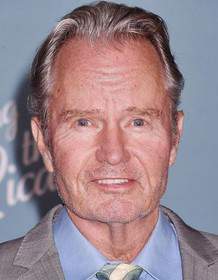
Claude Hooper Bukowski (John Savage)
Played by John Savage
Claude is a naive and introspective young man from Oklahoma who arrives in New York City eager to explore life before his military enlistment. Throughout the film, he undergoes significant growth as he grapples with issues of identity, societal expectations, and the complexities of love. His journey is marked by his interactions with the hippie culture, ultimately leading him to confront his responsibilities.
- 🌟 Dreamer
- 💔 Conflicted
- 🏞️ Innocent
-
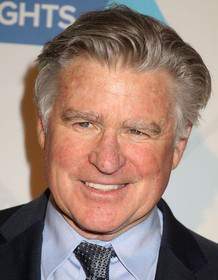
George Berger (Treat Williams)
Played by Treat Williams
George is the charismatic leader of the hippie group who embodies the carefree spirit of the 1960s counterculture. He is passionate and bold, often leading his friends into spontaneous adventures. His complex relationship with Sheila showcases his deeper emotional struggles, particularly as he navigates the themes of love, responsibility, and sacrifice throughout the film.
- 🎸 Leader
- ❤️ Passionate
- 💪 Selfless
- SF
Sheila Franklin
Sheila is an affluent debutante torn between her upper-class upbringing and the free-spirited lifestyle of the hippies. Her character represents the conflict between societal norms and personal freedom, as she navigates her feelings for Claude and George. Her journey illustrates the challenges faced by individuals caught in the middle of societal expectations and the desire for change.
- 🏙️ Debutante
- 💔 Torn
- 🌸 Complex
Where and When Is Hair Set?
Hair is set in New York City, Central Park and Arlington Cemetery (Late 1960s). Here is why the time and place matter to the story.
When
Late 1960s
The late 1960s marked a period of upheaval in the United States, characterized by social movements advocating for civil rights, anti-war protests, and a shift in cultural values. This era saw the rise of the hippie movement, which embraced peace, love, and an alternative lifestyle in direct opposition to mainstream society. The film captures the essence of this time, reflecting the conflict and transformation occurring within individuals and the nation.
Where
New York City, Central Park, Arlington Cemetery
New York City serves as a vibrant backdrop for the story, representing the heart of the counterculture movement during the late 1960s. Central Park, a key location within the city, symbolizes the gathering of like-minded individuals seeking peace and change. Arlington Cemetery stands as a poignant reminder of the sacrifices made during the Vietnam War, encapsulating the emotional weight of the film's ending.
- 🏙️ City
- 🌳 Park
- 🪦 Cemetery
What Are the Themes of Hair?
3 ideas the story keeps returning to, among them Anti-War, Free Spirit and Sacrifice.
-
01
Anti-War
The theme of anti-war sentiment is central to the narrative, highlighting the moral and ethical dilemmas faced by individuals during the Vietnam War. As characters grapple with their responsibilities and the consequences of conflict, the film critiques the societal norms that glorify war while advocating for peace and understanding. This theme resonates deeply within the context of both personal and communal struggles.
-
02
Free Spirit
The essence of the free spirit is embodied by the hippie characters who challenge societal expectations and embrace a lifestyle of freedom and experimentation. This theme connects the characters in their quest for identity and authentic experiences, reflecting the pursuit of love and connection amidst the chaos of the world around them. Their journey reveals the beauty and challenges of living outside conventional boundaries.
-
03
Sacrifice
Sacrifice becomes a crucial element as characters confront their personal desires versus their obligations to others. George's ultimate decision to take Claude's place in the Vietnam War symbolizes the profound emotional costs associated with conflict and the strength of friendship. The film poignantly reminds the audience of the losses incurred in the pursuit of ideals and the impact such decisions have on relationships.
What Kind of Film Is Hair?
Bittersweet in tone, with variable pacing and a moderate story, going by the plot summary.
- Tone
- Bittersweet
- Pacing
- Variable
- Story
- Moderate
- Intensity
- Medium
- Ending
- Bittersweet
A vibrant and rebellious musical that feels like a joyous celebration of freedom, punctuated by the sobering realities of war, ultimately leaving a bittersweet and nostalgic ache.
- rebellious
- free-spirited
- nostalgic
- turbulent
- melancholic
- triumphant
- counterculture
- vietnam war
- anti-war protest
- hippie lifestyle
Content notes: war themes, death in war, drug use.
Quiz
How well do you remember Hair? Test yourself on the story.