What Is Grendel Grendel Grendel About?
The premise of Grendel Grendel Grendel in 327 words, with nothing given away. The full story follows below.
In a bold, adult‑oriented animation, a legendary monster takes the microphone and tells the story that has haunted poets for centuries. The film reshapes the ancient Beowulf saga by letting the feared creature narrate his own life, inviting viewers into a world where mythic grandeur clashes with raw, unsettling humor. The visual style leans into stark, expressive designs that heighten the sense of an age both dazzling and deeply alien, while the narration drips with a wry, reflective tone that keeps the story feeling intimate despite its epic scope.
From his first steps out of a cavern, Grendel watches the rise of a powerful kingdom and feels the sting of being forever misunderstood. He senses a strange kinship with the Danes yet is haunted by a language that never quite bridges the gap, leaving him to interpret their triumphs and excesses through a lens of growing disgust. The king’s court, with its lavish feasts and solemn rituals, becomes a mirror that reflects both the glory and the hollowness of power, prompting the monster to question his own purpose in a world that seems to celebrate victories he cannot share.
Guiding his introspection are a handful of unforgettable figures. The court’s official chronicler, The Shaper, rewrites history with sweeping bravado, while an ancient dragon offers a bleak philosophy that terror itself can bind a society together. Among the king’s retainers, Unferth swells with delusions of grandeur, and the queen, Wealhtheow, bears the quiet weight of hidden sorrow. Their intersecting desires and contradictions color the monster’s growing empathy, hinting at the tangled relationships that will soon converge.
The atmosphere is one of looming mythic tension, where language, power, and storytelling dance on the edge of darkness and wonder. As the narrative builds toward the fated clash promised by the old verses, the film asks viewers to consider how fear and imagination shape culture, and whether a creature designed to frighten can ever truly belong to the world it haunts.
What Happens in Grendel Grendel Grendel?
The complete story of Grendel Grendel Grendel, from the first scene to the last, in 692 words (about 3 minutes). Spoilers throughout. Names in the text link to 6 cast member pages.
Spoilers ahead
Grendel, the so-called “Great Boogey,” opens the tale by recounting his own origins. In a vivid flashback, he steps out of his cave for the first time as a child and encounters the Danish king Hrothgar and his thegns. Rescued by his mother, Grendel reflects on the strange kinship he senses with the Danes, even as he laments the fact that they cannot understand his language. This gap in communication colors his view of their rising power and wealth, and it sours his feelings toward the man at the center of their world.
As Grendel watches Hrothgar expand his realm, he becomes increasingly disgusted by the king’s excesses and by the way the royal Shaper The Shaper reshapes history. The Shaper’s retellings cast Hrothgar’s brutal acts as glorious victories, a storytelling bias that gnaws at Grendel and feeds his sense of alienation. The monster begins to question his own place in a society that celebrates triumphs he cannot fully grasp or share, and he searches for a purpose that might ground his existence in a world that seems to misunderstand him.
A pivotal encounter shifts Grendel’s understanding of his role. In the company of a cryptic, ancient dragon dragon, he learns that his chief function is to terrify humanity. This chilling revelation is offered as a clarion call: by striking fear into people, he stirs human imagination and, paradoxically, helps knit society together through shared myth and memory. Grendel absorbs this bleak guidance and reluctantly accepts the notion that his fearsome presence could serve a larger, though unsettling, social function. The dragon’s instruction marks a turning point, coloring Grendel’s actions with a grim purpose he did not seek but cannot ignore.
Armed with a new sense of mission, Grendel begins haunting the king’s mead hall. He slips into the shadows to frighten Hrothgar’s people and to feed on those he encounters, never quite crossing the line to kill the king himself or the warrior Unferth Unferth. Unferth, a figure who harbors delusions of grandeur and who remains quietly loyal to the king, amuses Grendel with his own flawed bravado and passive resistance. The tension between the monstrous intruder and the hall’s uneasy order grows, punctuated by Grendel’s growing awareness of the sorrow that grips Hrothgar’s queen, Wealhtheow. Wealhtheow, a woman whose own heart bears heavy burdens, is also the object of Unferth’s secret affection, a bond that adds another layer to Grendel’s evolving empathy toward those he encounters in the hall.
Driven by a cruel mix of necessity and curiosity, Grendel hatches a devastating plan. He resolves to kill Hrothgar and to claim Wealhtheow for himself, dragging her back to his lair. Yet, before Grendel can carry out his dark intent, the hall is disrupted by the arrival of the famous hero Beowulf Beowulf. Beowulf arrives at a moment of escalating paranoia within Hrothgar’s court, and he acts decisively: on the king’s orders, he eliminates Unferth, removing a potential rival to the king’s authority and clearing the way for a direct confrontation with Grendel. The clash between the two formidable beings heightens the tension that has threaded through the entire tale from its earliest moments.
What follows is a brutal and intimate struggle in which Beowulf confronts Grendel in a raw, physical contest. The hero closes in, and in a decisive ambush, Beowulf tears off Grendel’s arm. Wounded and defeated, Grendel is forced to retreat into the bleak margins of the world, where he contemplates the randomness of his fate and the fragile line between existence and oblivion. Outside, the monster dies from his injuries, leaving behind a legacy shaped by fear, curiosity, and the uneasy realization that his own life—though designed to provoke and disturb—has ultimately interacted with humanity in ways that neither party could have fully anticipated.
In the end, the story pivots on questions of power, language, and myth. Grendel’s self-imposed role as a herald of fear intersects with the Danes’ own struggles—between kingship and conscience, between spectacle and truth, between triumph and tragedy. The narrative lingers on the paradox that terror can both separate and unify a society, prompting human beings to imagine, to narrate, and to endure.
Grendel Grendel Grendel Timeline: Every Key Event in Order
10 key events in the order they happen, from “Grendel's first exit from his cave and meeting the Danes” to “Grendel's death and reflection on chance”. 10 events name a place, across 7 locations.
- 1
Grendel's first exit from his cave and meeting the Danes
During a flashback, Grendel leaves his cave as a child and skulks into the Danish realm, where he encounters King Hrothgar and his thegns. He is rescued by his mother, and afterwards he muses on the odd kinship he feels with the Danes despite not understanding their language. The moment establishes Grendel's outsider perspective and foreshadows his later fascination with human society.
When:childhood Where:Grendel's cave and Heorot (Denmark)
- 2
Grendel observes Hrothgar's rise and the Shaper's distortions
Grendel watches Hrothgar's power and wealth grow, and he is repulsed by the king's excesses. He also observes the Shaper's revision of history, which paints the king's brutal acts as glorious victories. These scenes deepen Grendel's sense of alienation and anger toward human society.
When:early years Where:Heorot, Danish kingdom
- 3
Dragon reveals Grendel's purpose
Grendel encounters the dragon in its lair, and the dragon bluntly tells him his purpose is to terrify humanity. This task is meant to provoke fear, spark imagination, and reinforce social cohesion among humans. Grendel processes this cynical explanation as his new calling.
When:post-meet Where:Dragon's cavern
- 4
Grendel embraces role and begins harrying the mead hall
Accepting the dragon's decree, Grendel begins visiting the king's mead hall to frighten and devour the Danes. He revels in the chaos he stirs and the feasts that follow, fueling his transformed sense of power. The hall becomes his stage for terror.
When:after dragon encounter Where:Heorot, the mead hall
- 5
Grendel refrains from killing the king and Unferth
He stops short of killing Hrothgar and even refrains from taking Unferth's life, instead treating them as amusing, obstructive figures. His fearsome presence intimidates but does not cross the line into regicide. This restraint makes the eventual confrontation inevitable.
When:ongoing Where:Heorot
- 6
Grendel empathizes with Wealhtheow
Grendel feels a strange sympathy for Wealhtheow, Hrothgar's queen, who becomes the object of Unferth's secret affection. He is moved by her misery and vulnerability, complicating his otherwise brutal mission. This moment adds a rare human layer to Grendel's perspective.
When:mid Where:Heorot and surroundings
- 7
Grendel resolves to kill Hrothgar and abduct Wealhtheow
Grendel resolves to kill Hrothgar and abduct Wealhtheow to his lair, seeking to impose a final symbol of his power over the Danes. He intends to claim the queen's life and presence as a trophy of his rebellion. The plan marks a dramatic escalation in his hostility toward the king.
When:before final confrontation Where:Heorot
- 8
Beowulf arrives; Unferth killed
Beowulf arrives at the mead hall and, on Hrothgar's orders, kills Unferth. His actions reflect the palace's paranoia and the king's attempts to maintain order through force. Grendel witnesses this change as tension among the Danes rises.
When:leading to final clash Where:Heorot
- 9
Beowulf and Grendel clash; arm torn off
Beowulf ambushes Grendel in the hall and tears off the monster's arm, mortally wounding him. Grendel retreats, wounded and enraged, to die outside the hall. The fight reveals the irony of Grendel's chosen role as the foe who helps human society understand itself.
When:final confrontation Where:Heorot
- 10
Grendel's death and reflection on chance
Grendel dies outside the mead hall, pondering the accidental nature of his death and the randomness that ended his rebellion. His demise finalizes the clash between predator and society and underscores the story's fatalistic tone. The final perspective closes on Grendel's last thoughts.
When:death moment Where:Outside Heorot
Who Are the Main Characters in Grendel Grendel Grendel?
7 characters, among them Grendel (Peter Ustinov), The Shaper (Keith Michell) and Beowulf (Arthur Dignam): who each one is and the part they play in the story. Every profile links to the actor’s page.
-
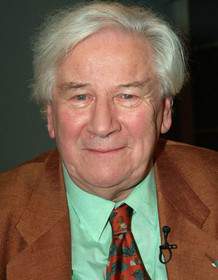
Grendel (Peter Ustinov)
Played by Peter Ustinov
The Great Boogey who narrates his origin, feeling disconnected from human speech and drawn to the Danes' world. He oscillates between terror and sympathy, seeking meaning in a world that speaks his language only in fear. He accepts a grim purpose—to terrify humanity and spark collective imagination—before deciding to kill Hrothgar and take Wealhtheow to his lair.
- 👁️ Outsider
- 🧠 Reflective
- 🐉 Monster
- TS
The Shaper (Keith Michell)
Played by Keith Michell
A royal storyteller who rewrites history to cast the king's deeds as glorious victories. His tales manipulate public perception and feed the myth of Hrothgar's prosperity, shaping a society's identity around selective memory.
- 🎨 Storyteller
- 🗣️ Propagandist
- 🗺️ Historian
- B(
Beowulf (Arthur Dignam)
Played by Arthur Dignam
A formidable hero whose presence unsettles Grendel and the court alike. He kills Unferth at Hrothgar's orders and ultimately confronts Grendel, tearing off the monster's arm. His actions trigger a violent confrontation that underscores the fragility of power and honor.
- 🦸 Hero
- ⚔️ Warrior
- 🧭 Catalyst
- KH
King Hrothgar (Ed Rosser)
Played by Ed Rosser
The Danish king whose wealth and authority drive the conflict. His rule is marked by paranoia and dependence on myth to uphold legitimacy. His wife Wealhtheow's sorrow and his own vulnerability contrast with his public image of power.
- 👑 Ruler
- 🛡️ Protector
- 🌀 Paranoid
- W(
Wealhtheow (Alison Bird)
Played by Alison Bird
Hrothgar's wife, a figure of grace and sorrow who becomes an object of other characters' desires. Her pain humanizes the court and highlights the personal costs of political machinations.
- 👑 Queen
- 💔 Suffering
- 🕊️ Compassion
- U(
Unferth (Ric Stone)
Played by Ric Stone
A warrior with delusions of grandeur and a conflicted loyalty to the king. His opposition is passive yet dangerous, as his actions help escalate the plot and reveal the court's fragility.
- ⚔️ Warrior
- 🗣️ Rival
- 🌀 Obstacle
- TD
The Dragon (Arthur Dignam)
Played by Arthur Dignam
A dragon who informs Grendel that his sole purpose in life is to terrify humanity, thereby stimulating imagination and social cohesion. The dragon's guidance pushes Grendel toward his chilling role in the world.
- 🐉 Mentor
- 💬 Prophecy
- 🗝️ Influence
Where and When Is Grendel Grendel Grendel Set?
Grendel Grendel Grendel is set in Denmark, Mead hall and Grendel's lair. Here is why the place matters to the story.
Where
Denmark, Mead hall, Grendel's lair
A mythic Nordic setting centered on the Danish kingdom ruled by Hrothgar. The mead hall functions as the social and political heart where power, wealth, and fear converge. Grendel's lair provides a shadowy contrast, highlighting the outsider's domain and the tension between abundance and threat.
- 🗺️ Denmark
- 🏰 Mead hall
- 🕳️ Grendel's lair
What Are the Themes of Grendel Grendel Grendel?
3 ideas the story keeps returning to, among them Storytelling vs History, Violence & Power and Otherness & Belonging.
-
01
Storytelling vs History
The Shaper crafts a selective, heroic version of the king's deeds, shaping public memory to justify authority. Grendel's perspective challenges that narrative, revealing the gap between legend and truth. The film uses memory as a weapon, showing how stories can unify a society or mask brutality. Power is sustained as much by myth as by force.
-
02
Violence & Power
Grendel's nightly terrors are a tool of control, reminding the Danes that fear can secure loyalty and order. Beowulf's intrusion escalates the violence, culminating in Unferth's death and Grendel's arm being torn off. The cycle of aggression drives the plot and exposes the fragility of rule built on intimidation.
-
03
Otherness & Belonging
Grendel exists at the margins due to language and alien nature, provoking fear and curiosity in equal measure. Wealhtheow's sorrow and the court's reactions highlight the human longing for connection amid hostility. The narrative probes what belonging means when someone is never fully understood.
What Kind of Film Is Grendel Grendel Grendel?
Melancholic in tone, with steady pacing and a moderate story, going by the plot summary.
- Tone
- Melancholic
- Pacing
- Steady
- Story
- Moderate
- Intensity
- Medium
- Ending
- Sad
A reflective and philosophical animated film that subverts a classic myth, blending melancholic introspection with Monty Python-esque satire through the lonely perspective of a monster questioning his violent fate.
- philosophical
- melancholic
- satirical
- tragic
- lonely
- reflective
- monster's perspective
- existential crisis
- critique of civilization
- fate
Content notes: violence, death, monster violence.