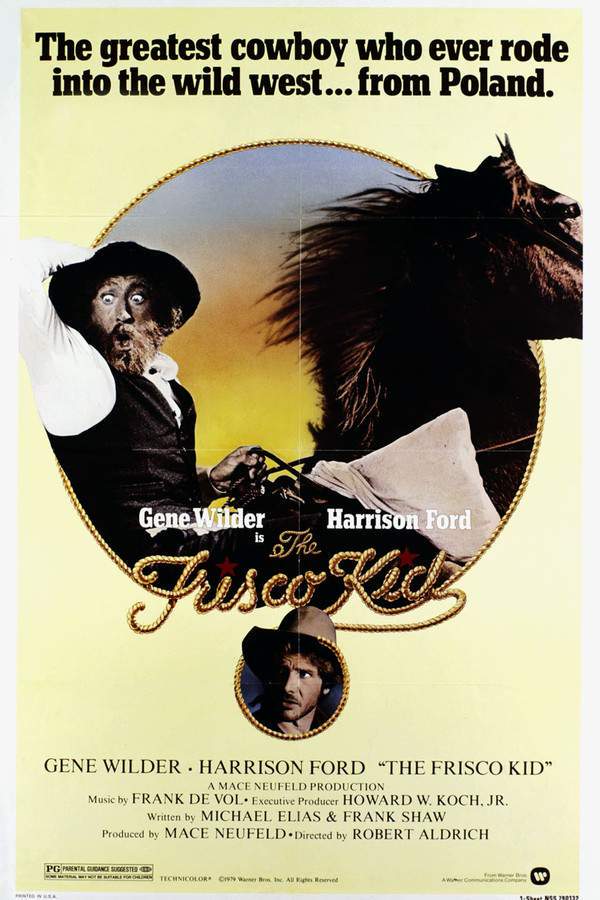
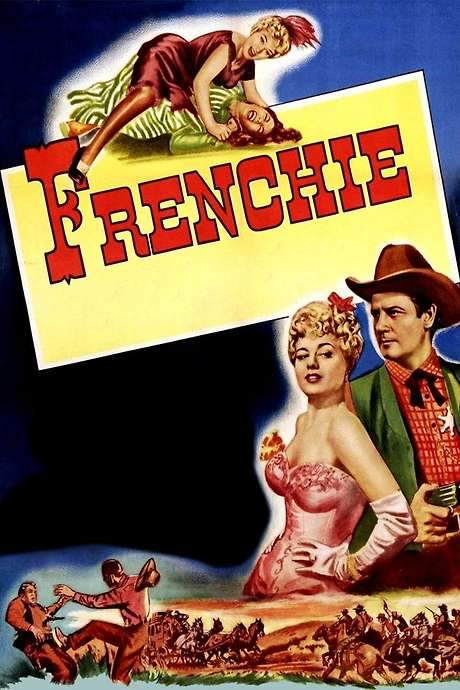
What Is Frisco Kid About?
The premise of Frisco Kid in 293 words, with nothing given away. The full story follows below.
In the fever‑driven scramble of 1850s San Francisco, the city’s streets pulse with the restless energy of a gold rush that has left every alley and dockyard humming with ambition and danger. The Barbary Coast—where saloons, gambling tables and shadowy enterprises sprout like wildflowers after a storm—forms a crooked kingdom of vice that both beckons and devours those who dare to stake a claim. Against this backdrop of clamor and cracked promises, the air feels thick with the scent of whiskey, cigars and the ever‑present threat of betrayal.
Bat Morgan arrives ashore as a hard‑handed sailor who narrowly escapes being forced back to sea. Rather than returning to the waves, he puts his formidable grit to work on land, quickly rising through the tangled web of illegal enterprises that dominate the district. Renowned for his two‑fisted resolve, he cultivates a reputation as the reluctant champion of a cursed square mile, earning the uneasy respect of both the street‑wise and the powerful. His alliances with the city’s political operators and his unwavering loyalty to his comrades set the stage for an uneasy balance between personal ambition and a code that refuses to let anyone fall without a fight.
Amid the swirling smoke of the press, Jean Barrat—a tenacious newspaperwoman haunted by her father’s fate—wields her ink as a weapon against the corruption that saturates the city. Partnered with idealistic editor Charles Ford, she represents a moral counterpoint to the lawlessness that Bat navigates. Their intersecting worlds create a volatile mix of rivalry, begrudging respect, and a tender, if unlikely, attraction that underscores the film’s tone—one of smoky intrigue, razor‑sharp dialogue, and the constant question of whether a man forged in the fires of the Coast can ever truly escape the shadows that shaped him.
What Happens in Frisco Kid?
The complete story of Frisco Kid, from the first scene to the last, in 392 words (about 2 minutes). Spoilers throughout. Names in the text link to 6 cast member pages.
Spoilers ahead
In San Francisco in the 1850s, a city where gold fever has left shipowners short-handed, Bat Morgan, James Cagney a sailor ashore, is robbed and nearly shanghaied aboard another ship. After a narrow escape, he remains in town to settle scores and to carve out a larger share of the action in the vice district. He organises the various gambling dens and other illicit enterprises into a single, powerful operation, forging an alliance with a corrupt city boss, Jim Daley Joe King. This new power base brings him into direct conflict with a crusading newspaper run by Jean Barrat, Margaret Lindsay — the daughter of a murdered publisher — and the idealistic editor Charles Ford Donald Woods.
Loyal to his friends even when they stand on the opposite side, Bat Morgan protects the editor when Jim Daley orders him eliminated. He also falls for Jean, yet his hard-boiled code and self-interest make true romance almost impossible. When his best friend, Solly Green George E. Stone, takes a bullet for him, Bat mourns the loss, and Jean later points to Solly as an example of people helping others, remarking that Solly would still be alive if not for Bat’s world.
Anger toward a judge provokes Bat to bring his Barbary Coast crowd to the opening night the judge has staged at the Opera House. A gambler, Paul Morra Ricardo Cortez, pushes into the judge’s box and murders him on a flimsy pretext. The outrage over the killing sparks a public outcry, Morra is arrested, and a lynch mob forms. Bat helps secure Morra’s release—not out of affection for the man, but out of debt for what Morra started in his ascent.
Soon after, Ford is murdered by Jim Daley in a bar-room brawl. Jean blames Bat for the bloodshed and the spiral of violence it triggers. A vigilante movement sweeps through the city, rounding up Morra and Daley and hanging them both. When the Barbary Coast mob vows to retaliate by wrecking the press and burning the town, Bat Morgan tries to keep the peace, steering the crowd away from a rampage. Yet as the vigilantes close in on the Coast, he is shot in the back by one of the underworld thugs and left to be taken by the mob. Jean saves him from hanging, granting him his freedom on her parole.
Frisco Kid Timeline: Every Key Event in Order
12 key events in the order they happen, from “Bat Morgan arrives in San Francisco after being robbed and nearly shanghaied” to “Paroled and the uncertain future”. 12 events name a place, across 7 locations.
- 1
Bat Morgan arrives in San Francisco after being robbed and nearly shanghaied
In the 1850s San Francisco, Bat Morgan is robbed and nearly shanghaied aboard another ship. He escapes and decides to stay in town, not only to repay those who wronged him but to cash in on the Barbary Coast vice economy. This marks the start of his rise within the illicit world.
When:1850s Where:San Francisco
- 2
Consolidation of vice with Jim Daley
Bat organizes the Barbary Coast gambling houses into a single enterprise and aligns with corrupt city boss Jim Daley. The move consolidates power and opens doors to bigger profits and greater influence. This brings him into direct conflict with reformist voices nearby.
When:early 1850s Where:Barbary Coast, San Francisco
- 3
Conflict with the Barrats and Ford
Bat's rise brings him into conflict with Jean Barrat and the crusading newspaper run by the idealistic editor Charles Ford. Jean, daughter of a murdered publisher, embodies conscience against Bat's world. The clash sets the personal and political tensions at the heart of the story.
When:early to mid-1850s Where:San Francisco
- 4
Solly Green sacrifices himself
Solly Green takes a bullet for Bat, sparing him from a hit and deepening Bat's sense of loyalty to his friends. Bat mourns the loss, while Jean points out that Solly’s fate might have been different if Bat hadn’t dragged him into this life. The event hardens Bat’s wavering morality.
When:mid-1850s Where:Barbary Coast
- 5
Opening night at the Opera House
Riled by a judge’s snub, Bat decides to bring his Barbary Coast crowd to the Opera House opening. The event signals a clash between law, culture, and vice, with the audience as a stage for influence and power. The decision sets the stage for dramatic conflict to come.
When:opening night Where:Opera House, San Francisco
- 6
Murder of the judge
Gambler Paul Morra pushes into the judge’s box and murders him under a flimsy pretext. The act provokes outrage and mobilizes public sentiment against the Barbary Coast. Morra is soon arrested and jailed as the city reacts.
When:opening night Where:Opera House, San Francisco
- 7
Bat secures Morra’s release
Bat arranges Morra’s release from jail, not out of affection but because Morra helped propel Bat upward. The release deepens Bat’s reliance on his underworld allies and fuels the tension between his ambitions and public morality.
When:days after Morra's arrest Where:Jail/City jail, San Francisco
- 8
Ford is murdered by Daley
In a bar-room fight, Jim Daley murders Charles Ford, the editor who once clashed with Bat and championed reform. Jean blames Bat for the evil actions of those who work with him, underscoring the personal cost of his alliance with the city’s underworld.
When:days after Morra’s release Where:Bar, San Francisco
- 9
Vigilantes rise and hang Morra and Daley
A vigilant movement cleans up the town, rounding up Morra and Daley and hanging them both. The city erupts in public justice and samples the volatility of Bat’s world. The power vacuum threatens Bat’s empire and sanity.
When:shortly after Ford’s murder Where:San Francisco
- 10
Barbary Coast fears reprisal; Bat acts to calm the crowd
As Barbary Coast lowlifes vow revenge by wrecking the press and burning the city, Bat tries to keep them from violent retaliation. He appeals to restraint and to law, trying to prevent a total collapse of order. The moment tests his influence over both criminals and reformers.
When:imminent threat Where:Barbary Coast, San Francisco
- 11
Bat is shot and saved from hanging
Bat Morgan is shot in the back by an underworld thug and is captured by the vigilantes. Jean saves him from hanging, keeping him alive long enough for due process. He goes free on Jean’s parole, softened but not redeemed by love.
When:climax Where:Public square / Barbary Coast, San Francisco
- 12
Paroled and the uncertain future
Jean’s parole allows Bat to walk free, but their romance remains impossible due to his lifestyle and priorities. The city’s balance between vice and virtue remains fragile, and Bat’s future is left unsettled. The ending emphasizes the cost of Bat’s world on those around him.
When:after parole Where:San Francisco
Who Are the Main Characters in Frisco Kid?
6 characters, among them Bat Morgan (James Cagney), Jean Barrat (Margaret Lindsay) and Charles Ford (Donald Woods): who each one is and the part they play in the story. Every profile links to the actor’s page.
-
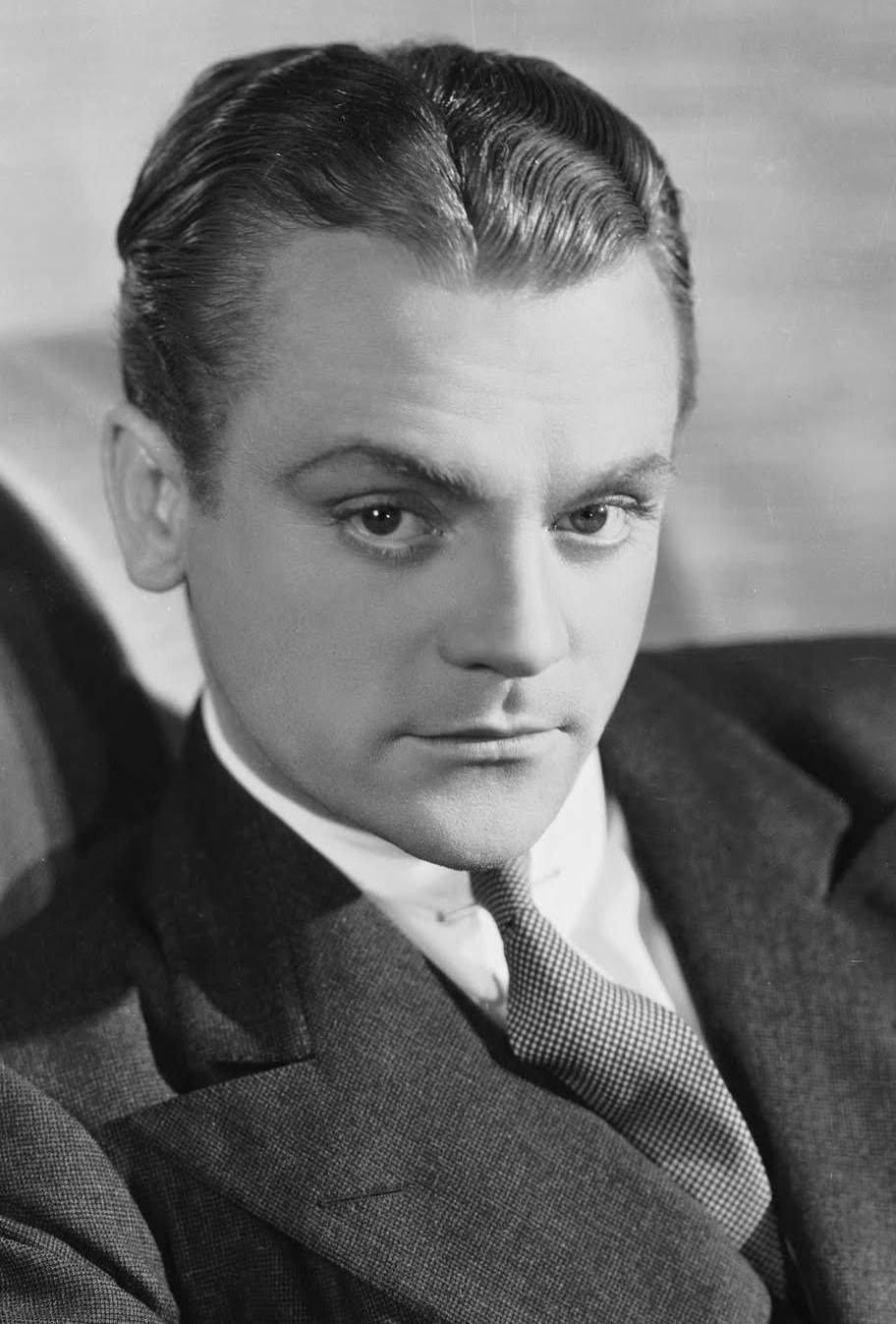
Bat Morgan (James Cagney)
Played by James Cagney
Bat Morgan is a sailor who lands in San Francisco's Barbary Coast and consolidates the city's gambling and vice under a single enterprise. He is street-smart, ruthless, and driven by self-preservation, rarely bound by conventional morality. Yet he shows surprising loyalty to his friends and to Jean, which creates internal conflict when confronted with the consequences of his empire.
- 😈 Antihero
- 💼 Ambition
- 🤝 Loyal to friends
- JB
Jean Barrat (Margaret Lindsay)
Played by Margaret Lindsay
Jean Barrat runs a crusading newspaper and serves as the moral backbone of the story. She champions reform and truth in a city ruled by vice. Her relationship with Bat is complicated by his criminal empire, forcing her to choose between love and principle.
- 🎭 Idealist
- 💌 Love interest
- 🗞️ Press reform
- CF
Charles Ford (Donald Woods)
Played by Donald Woods
Charles Ford is the idealistic editor of the crusading newspaper and a moral center who confronts corruption head-on. His murder in a bar-room fight amplifies the citywide conflict between reform and vice.
- 🗞️ Editor
- 🛡️ Moral center
- J'
James 'Jim' Daley (Joe King)
Played by Joe King
Jim Daley is the corrupt city boss and a primary antagonist who wields influence over the Barbary Coast. He orders Bat's elimination and embodies the criminal side of the power struggle roiling the city.
- 💼 Crime lord
- 🗡️ Violent
-
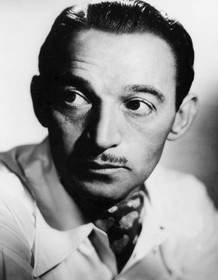
Solly Green (George E. Stone)
Played by George E. Stone
Solly Green is Bat's best friend and confidant who ultimately sacrifices himself for Bat. His loyalty and tragic fate illuminate the personal costs of Bat's ascent.
- 🤝 Loyal friend
- 🗡️ Sacrifice
-
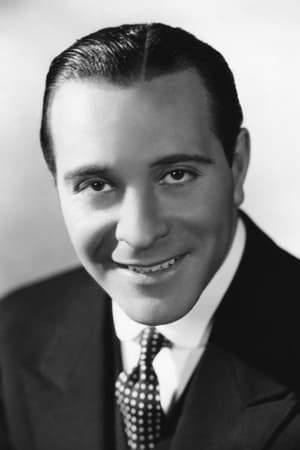
Paul Morra (Ricardo Cortez)
Played by Ricardo Cortez
Paul Morra is a ruthless gambler who forcibly inserts himself into the judge's box and murders him, triggering the public outcry that accelerates the vigilante response. He stands as a catalyst for the city’s violent upheaval.
- 💰 Power broker
- 🗡️ Violent
Where and When Is Frisco Kid Set?
Frisco Kid is set in San Francisco and Barbary Coast (1850s). Here is why the time and place matter to the story.
When
1850s
The 1850s in San Francisco were defined by a fever for wealth, a surge in maritime trade, and rapid urban expansion. Law and order struggled to keep pace with a booming vice economy along the Barbary Coast. Amid this volatility, vigilante action rose as a double-edged force—promising reform while risking due process and lives.
Where
San Francisco, Barbary Coast
San Francisco in the 1850s is a rough, rapidly growing port city shaped by the Gold Rush. The Barbary Coast becomes notorious for gambling houses, saloons, and street-level power struggles where crime and commerce intertwine. The Opera House scene represents the clash between respectability and the underworld, highlighting the era's tension between order and vice.
- 🏙️ San Francisco
- 🗺️ Barbary Coast
- 🕰️ 1850s
What Are the Themes of Frisco Kid?
4 ideas the story keeps returning to, among them Vigilantism, Corruption and Love and Duty.
-
01
Vigilantism
Vigilantism threads through the story as citizens take justice into their own hands to 'clean up' the Barbary Coast. The press and reformers challenge the underworld, but mob justice also threatens due process and personal safety. The film frames vigilantism as morally complex, offering both civic aspiration and potential excess.
-
02
Corruption
Money and influence fuel a city-wide power structure built on vice, gambling, and intimidation. Bat Morgan ties his rise to a sprawling network controlled by a corrupt city boss, showing how ambition can monetize crime. The narrative exposes the seductive lure of power at the cost of personal conscience.
-
03
Love and Duty
Bat's romance with Jean Barrat tests his ability to commit to a moral path beyond self-interest. Jean embodies reform and moral clarity, challenging Bat to reconsider his loyalties. Their relationship underscores the conflict between personal desire and societal responsibility.
-
04
Friendship and Sacrifice
Solly Green stands as Bat's loyal friend, aiding his ascent and paying a high price for it. Solly's sacrifice—taking a bullet for Bat—illuminates the human cost of Bat's world. Bat's mourning and reflection afterward highlight the fragile line between loyalty and self-serving ambition.
What Kind of Film Is Frisco Kid?
Dark in tone, with fast pacing and a moderate story, going by the plot summary.
- Tone
- Dark
- Pacing
- Fast
- Story
- Moderate
- Intensity
- High
- Ending
- Bittersweet
A fast-paced, gritty crime saga steeped in moral ambiguity, following a ruthless protagonist's violent ascent and fall in 1850s San Francisco, creating a tense and emotionally heavy viewing experience.
- gritty
- tense
- cynical
- aggressive
- nostalgic
- morally grey
- rise to power
- revenge
- political corruption
- moral conflict
Content notes: murder, lynching, gang violence, political corruption.
Quiz
How well do you remember Frisco Kid? Test yourself on the story.