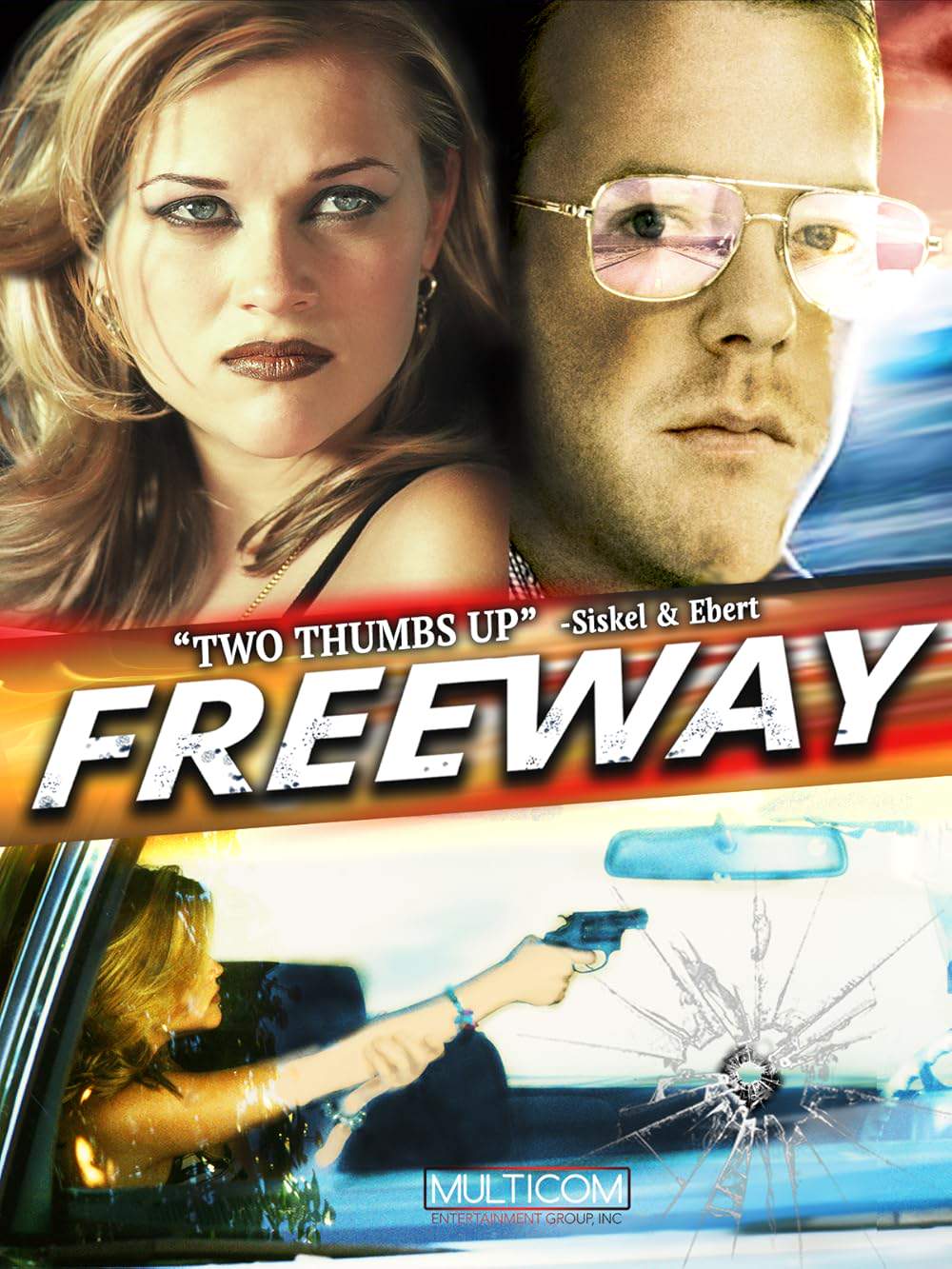
What Is Freeway Killer About?
The premise of Freeway Killer in 344 words, with nothing given away. The full story follows below.
In the sun‑baked sprawl of Southern California, the endless freeway network becomes a silent character of its own, stretching across desert horizons and urban jungles alike. The film opens on a landscape where the promise of freedom on the open road is undercut by a lingering sense of unease, hinting that somewhere in the night, an unseen predator is turning ordinary travel into a game of cat‑and‑mouse. The atmosphere is thick with the retro‑chrome of the late‑1970s, a period that feels both nostalgic and ominous, setting the stage for a true‑crime tale that probes the darkness hidden behind everyday routines.
_ William Bonin _ is introduced as a Vietnam veteran who spends his days delivering goods and caring for his ailing mother, projecting the image of a modest, dutiful worker. Yet beneath his respectable façade lies a restless energy that pulls him into a nocturnal world of calculated dread. His military past and the responsibilities he shoulders during daylight contrast sharply with the shadowy pulls of his night, establishing a duality that fuels the film’s central tension. The narrative follows his quiet descent, allowing the audience to glimpse the fragility of the mask he wears and the unsettling allure of the path he chooses.
Alongside him, _ Vernon Butts _ appears as a charismatic, off‑beat figure whose occult interests provide a strange philosophical backdrop to their partnership. Their uneasy alliance is further complicated by the presence of a younger, impressionable man, _ Kyle Peterson _, whose yearning for purpose and belonging draws him into the duo’s orbit. The triad’s interactions are charged with a mix of mentorship, manipulation, and a looming rivalry, suggesting that personal insecurities can be weaponized in the most disturbing ways.
The film’s tone is a relentless blend of gritty realism and psychological suspense, rendered through muted color palettes and a pulsing, synth‑driven score that mirrors the hum of highway traffic. As law enforcement begins to sense a pattern, the story unfolds as a tense cat‑and‑mouse chase, exploring how a seemingly ordinary community confronts an invisible terror while the protagonists wrestle with their own inner demons.
What Happens in Freeway Killer?
The complete story of Freeway Killer, from the first scene to the last, in 735 words (about 3 minutes). Spoilers throughout. Names in the text link to 5 cast member pages.
Spoilers ahead
William Bonin is a Vietnam veteran who works as a delivery driver in Southern California. By day he tends to his ailing Mother and to family responsibilities, but by night he engages in a brutal pattern of torture and murder carried out with the aid of an occultist named Vernon Butts. The two men wage a long-running campaign of violence, first in Orange County and later moving their deadly acts into the sprawling cityscape of Los Angeles.
As the body count climbs, the alliance between Bonin and Butts appears tightly knit, with a chilling rhythm that blends methodical planning, coercion, and a shared philosophy of control. The duo’s crimes become a dark routine, their fearlessness drawing them deeper into a pattern that places young men in harm’s way far from the safety of home. The toll of their crimes weighs heavily on the local community, and law enforcement begins to connect the disappearances to a string of similarly brutal acts.
By 1980, the relationship between William Bonin and Vernon Butts has grown estranged, and Bonin searches for a new ally to help carry out his brutal agenda. He begins grooming a shy, insecure youth named Kyle Peterson, introducing him to the lurid details of past murders and showing him photographs of the victims. Bonin coerces Kyle into participating in the murder of a hitchhiker bound for Disneyland, preying on Kyle’s eagerness to belong and his distorted sense of power.
Kyle’s involvement grows as he buys into Bonin’s survival-of-the-fittest creed and hears stories from Vietnam that frame violence as a test he must pass. This influence begins to pay off in Kyle’s real life: he becomes more confident at his job, earning a promotion to manager, and he rekindles a relationship with his girlfriend, Lisa. The relationship dynamics create a tense triangle among the trio: Bonin’s fixation on Kyle, Butts’s jealousy of the growing bond between Bonin and the younger man, and the fear they collectively generate in those around them. In a bitter argument, Butts accuses Bonin of never having served in combat, asserting that he spent his time overseas “sticking his pistol to a couple of buck privates, making them suck his dick.” The line sharpens the rift between them and hints at the petty cruelty that underpins their crimes.
The tension erupts when Kyle convinces Bonin to kill Butts, but Bonin cannot go through with it. He tends to Butts’s self-inflicted wound after Butts slits his own wrist in front of them, a moment that exposes the fragility of their alliance even as the murder spree continues. Feeling alienated from both Kyle and Butts, Bonin forces another young man, Billy Pugh, to help him murder a boy named Alex. The act unsettles Billy, who runs away, and the pressure on Kyle intensifies as Bonin tries to coax him into a copycat “Freeway Killer” crime to mislead investigators. Kyle ultimately resists, telling Bonin, “It’s over.”
With authorities closing in, Bonin makes one last, desperate attempt at murder and is caught in the act by a police task force led by Det. St. John. After the arrest, Butts hangs himself in prison, while Kyle and Billy are turned in by Bonin and provide crucial testimony. Bonin is sentenced to death, refusing to allow his lawyers to present mitigating evidence—such as psychiatric reports or a fuller account of his turbulent upbringing—so as not to place his mother in the public spotlight or feed sensational headlines.
On death row, Bonin begins to confess to additional murders in exchange for privileges, and he forms a troubling, manipulative acquaintance with Ruth Slobod, a grieving mother who believes her son was among his victims. Bonin exploits her grief, stringing her along in an effort to win a commutation from the Governor, even as she vows to witness his execution. He taunts her with the chilling line to “watch the eyes,” a taunt meant to reveal what he believes is the true lesson of violence.
The story culminates with Bonin’s execution by lethal injection in 1996. An intertitle notes that his unclaimed remains were cremated and scattered over the Pacific Ocean, offering a stark coda to a life defined by calculated cruelty. Throughout the years, the case remains a stark reminder of how a quiet-seeming individual can spiral into a pattern of abuse, control, and murder, drawing in others and leaving a path of trauma for families and communities to endure.
Freeway Killer Timeline: Every Key Event in Order
14 key events in the order they happen, from “Bonin and Butts begin their murder spree in Orange County” to “Execution and final intertitle”. 14 events name a place, across 10 locations.
- 1
Bonin and Butts begin their murder spree in Orange County
William Bonin, a Vietnam veteran and delivery driver, forms a murderous partnership with Vernon Butts. They begin a string of brutal killings in Orange County. The violence marks the start of their long-running crime spree before they relocate to Los Angeles.
When:Late 1970s Where:Orange County, California
- 2
By 1980 tension grows; Kyle enters the picture
By 1980, the bond between Bonin and Vern has grown strained. Bonin begins grooming a new accomplice, Kyle Peterson, drawing him into the murders with tales from the Vietnam era and a survivalist philosophy.
When:1980 Where:Orange County/Los Angeles, California
- 3
Kyle introduced and shown victims' photos
Bonin shows Kyle pictures of the victims and pressures him into participating. Kyle becomes enthralled by Bonin's control and the power he imagines in these acts.
When:Early 1980s Where:Orange County/Los Angeles, California
- 4
Kyle's personal life improves; Bonin's influence continues; Vern grows jealous
Under Bonin's tutelage, Kyle grows more confident and assertive. He earns a promotion at work and rekindles his relationship, while Vern grows envious of Kyle's closeness to Bonin.
When:Early 1980s Where:Southern California
- 5
Conflict with Vern; plan to kill Vern; Bonin cannot follow through
Vern questions Bonin's claimed combat history, triggering a confrontation. Kyle pressures Bonin to kill Vern, but Bonin fails to go through with it and tends to Vern's self-inflicted wound after Vern cuts himself in front of them.
When:Early 1980s Where:Bonin's residence
- 6
Bonin coerces Billy Pugh to help kill Alex
Feeling isolated, Bonin forces a younger boy named Billy Pugh to help murder a hitchhiking boy named Alex. Billy is sickened by the act and runs away, leaving Bonin to panic.
When:Mid to late 1980s Where:Southern California
- 7
Kyle and Vern cut off; Bonin pushes for a copycat crime
Kyle and Vern stop answering Bonin's calls, leaving him isolated. He confronts Kyle in person and tries to persuade him to commit a Freeway Killer copycat crime to mislead investigators.
When:Late 1980s Where:Los Angeles
- 8
Bonin's capture by a police taskforce
Despite continued pressure, Bonin attempts another murder and is caught in the act by a police taskforce led by Detective St. John.
When:Late 1980s Where:Los Angeles
- 9
Vern hangs himself; Kyle and Billy are turned in
After Bonin's capture, Vern hangs himself in prison. Kyle and Billy are turned in by Bonin.
When:Late 1980s Where:Prison
- 10
Bonin sentenced to death; refuses mitigating evidence
Bonin is sentenced to death. He refuses to allow mitigating evidence from psychiatric reports or family history to be presented, wanting to spare his mother from public scrutiny.
When:Late 1980s Where:California court
Show the other 4 events of Freeway Killer Hide the last 4 events
- 11
On death row, Bonin confesses in exchange for privileges
While on death row, Bonin confesses to further murders in exchange for privileges like fast food and small favors.
When:Early 1990s Where:Death row, California
- 12
Meeting Ruth Slobod and manipulation for commutation
Bonin meets Ruth Slobod, a grieving mother who believes her son was murdered by him. He strings her along for years to manipulate her into seeking a possible commutation.
When:1990s Where:Prison visitation area
- 13
Ruth vows to witness his execution; Bonin taunts her
Ruth vows to attend his execution to witness his end, and Bonin mocks her, telling her to watch the eyes because that is where it all happens.
When:1996 Where:Prison
- 14
Execution and final intertitle
Bonin is executed by lethal injection in 1996. An intertitle notes that his remains were cremated and scattered over the Pacific.
When:1996 Where:California
Who Are the Main Characters in Freeway Killer?
7 characters, among them Det. St. John (Michael Rooker), Vernon Butts (Dusty Sorg) and Mother (Eileen Dietz): who each one is and the part they play in the story. Every profile links to the actor’s page.
-
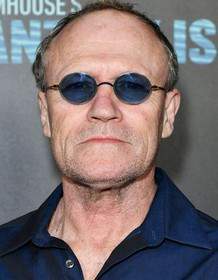
Det. St. John (Michael Rooker)
Played by Michael Rooker
Det. St. John is the determined detective who leads the pursuit of the Freeway Killer across Orange County and Los Angeles. His persistent, methodical approach anchors the investigation and frames the narrative around justice. He represents the procedural backbone of the story as authorities close in on Bonin.
- 🕵️ Detective
- 🚓 Police
- 🔎 Investigator
- VB
Vernon Butts (Dusty Sorg)
Played by Dusty Sorg
Vernon Butts is an occultist and Bonin's accomplice, using charm and fear to coerce others into participating. Their partnership escalates into a dangerous dynamic marked by envy and manipulation. His actions contribute to the growing body count and he ultimately hangs himself in prison.
- 🕯️ Occultist
- 🧠 Manipulator
- 🤝 Accomplice
- M(
Mother (Eileen Dietz)
Played by Eileen Dietz
Bonin’s ailing mother is a personal focal point, adding emotional weight to his private life. Her fragility shadows the crimes and the burden of any potential testimony. Bonin’s reluctance to expose her to further scrutiny underscores the tension between family and justice.
- 💔 Family
- 👵 Elder
- 🏥 Illness
- WB
William Bonin (Scott Anthony Leet)
Played by Scott Anthony Leet
William Bonin is a Vietnam veteran turned serial killer who exerts control through violence and manipulation. He recruits Kyle Peterson and grooms him with war stories and a ruthless philosophy, fueling a dangerous partnership. On death row, he refuses mitigating evidence and engages in manipulative games, culminating in a 1996 execution.
- 🗡️ Serial Killer
- 🧠 Manipulator
- 🎖️ Veteran
- RS
Ruth Slobod (Debbon Ayer)
Played by Debbon Ayer
Ruth Slobod is a grieving mother convinced her son was murdered by Bonin. Bonin strings her along for years to gain a potential commutation, exploiting her grief and patience. She ultimately vows to witness his execution, seeking closure and truth.
- 💔 Grieving mother
- 🎗️ Advocate
- 🕊️ Loss
- M(
Mary (Helen Wilson)
Played by Helen Wilson
Mary is a character tied to the killer’s circle; the provided summary does not specify her exact role. She appears within the narrative to round out the relationships surrounding Bonin, though the details of her involvement are not elaborated in the summary.
- 👤 Supporting
- 🧭 Minor Role
- 💬 Family
- KP
Kyle Peterson (Cole Williams)
Played by Cole Williams
Kyle is an insecure youth groomed by Bonin who grows increasingly confident under his tutelage. He becomes involved in the murders, gains a promotion at work, and rekindles a relationship with his girlfriend, Lisa. When pressed, he refuses a copycat bid and ultimately distances himself from Bonin as law enforcement closes in.
- 👦 Youth
- 💼 Growth
- 🔪 Accomplice
Where and When Is Freeway Killer Set?
Freeway Killer is set in Southern California, Orange County and Los Angeles (Late 1970s to mid-1990s). Here is why the time and place matter to the story.
When
Late 1970s to mid-1990s
The events unfold primarily from the late 1970s onward, with the potent early-1980s arc establishing Bonin and his accomplices. The investigation accelerates through the 1980s as more crimes come to light, culminating in Bonin's execution in 1996. The timeline ties together the killers’ evolving dynamics and the eventual legal proceedings.
Where
Southern California, Orange County, Los Angeles
Set in the sun-soaked expanse of Southern California, the narrative tracks crimes across Orange County and later the Los Angeles area. The region’s sprawling freeway network and suburban landscapes provide the backdrop for pursuit and survival alike. The story even references a hitchhiking plot headed toward Disneyland, grounding the murders in a recognizable local setting.
- 🌴 California
- 🚗 Freeways
- 🏙️ Urban
What Are the Themes of Freeway Killer?
3 ideas the story keeps returning to, among them Violence, Psychology and Justice.
-
01
Violence
The film centers on brutal serial murders and the fear they spawn in victims and communities. It examines how violence is rationalized and orchestrated by killers, driven by manipulation and power. The harm extends beyond the victims to families like Ruth Slobod, illustrating the lasting trauma of such crimes. The narrative uses the acts of killing to probe the human cost of unchecked brutality.
-
02
Psychology
The story delves into the killers’ psyches, revealing how charm, intimidation, and warped ideologies fuel their actions. Bonin’s claimed Vietnam veteran identity and ‘survival of the fittest’ credo are used to justify control and violence. Vernon Butts’ occult persona contributes to a cult-like dynamic that manipulates Kyle Peterson. Trauma, upbringing, and environment intersect to shape dangerous, persuasive dynamics.
-
03
Justice
Det. St. John’s pursuit frames the procedural and legal side of the story as the case winds through the system. The drama covers the death penalty process and Bonin’s execution, including his resistance to mitigating evidence. Ruth Slobod’s manipulation by Bonin adds a human dimension to the pursuit of accountability. The closing intertitle about Bonin’s cremation underscores the final severing of his grip on society.
What Kind of Film Is Freeway Killer?
Dark in tone, with steady pacing and a moderate story, going by the plot summary.
- Tone
- Dark
- Pacing
- Steady
- Story
- Moderate
- Intensity
- High
- Ending
- Sad
A grim and methodical true-crime thriller that creates an oppressive, chilling atmosphere as it follows the calculated brutality and psychological manipulation of a serial killer and his accomplices.
- brutal
- oppressive
- chilling
- methodical
- unsettling
- manipulative
- serial killer
- true crime
- psychological manipulation
- coercion
Content notes: torture, sexual assault, murder, suicide, psychological manipulation, exploitation of grief.
Quiz
How well do you remember Freeway Killer? Test yourself on the story.