
Flights in Dreams and in Reality 1982

Directed by
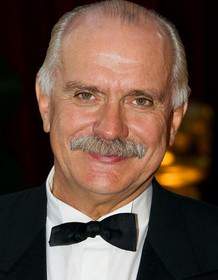
Nikita Mikhalkov
Made by

Dovzhenko Film Studios
Flights in Dreams and in Reality Plot Summary
Read the complete plot summary and ending explained for Flights in Dreams and in Reality (1982). From turning points to emotional moments, uncover what really happened and why it matters.
On the eve of his fortieth birthday, Sergei Makarov [Oleg Yankovsky] is summing up his life. But nothing brings satisfaction to him, neither wife, mistress, work, nor friends. He faces a quiet, unglamorous kind of disillusionment that slowly broadens from a nagging doubt into a full-blown midlife reflection.
At forty, ideals often lose their luster, and Sergei feels the ache of that shift. He finds himself not bound to his wife by genuine connection, but held by obligations that keep him from truly engaging with the people around him. In the midst of this uncertainty, he becomes strangely drawn to Alisa [Elena Kostina], a young woman who stirs feelings he hasn’t felt in years and prompts him to question what he’s been chasing. The pull toward her is complicated by the fact that Alisa has her own life and loyalties, including a boyfriend who arrives with a certain effortless charm. Oleg Menshikov embodies that boyish intrigue, gliding through the scene as he woos Alisa with ease and wins a brief, blunt victory over Sergei in an arm-w Wrestling match, a moment that underscores Sergei’s sense of losing ground.
Nearby, the world continues to move with its own momentum. Larisa Yurevna [Lyudmila Gurchenko] is a colleague who works with Sergei at the drawing board and harbors a clear, unreciprocated crush. She is a palpable presence in the room, offering warmth and help, even as Sergei drifts away from her romantic interest. Nikolai Pavlovich [Oleg Tabakov], Sergei’s supervisor, is involved with Larisa in a complicated web of affection that remains unfulfilled, hinting at the emotional currents that swirl just beneath the surface of their professional lives. The lines between admiration, obligation, and desire blur as Sergei navigates the dynamics around him.
The film invites us to view these personal storms against a backdrop that includes symbolic figures who seem to look on with knowing calm. The Director [Nikita Mikhalkov] and The Sculptor [Alexander Adabashyan] appear as part of the environment that frames Sergei’s choices, adding layers of commentary about art, ambition, and the costs of chasing meaning in a world that often feels indifferent to such pursuits.
As Sergei bounces between people—between companionship and pursuit, between obligation and longing—the sense grows that much of what he once valued is, in fact, vanity. He moves quickly, trying to provoke some change, some new experience that would prove he’s still alive and capable of stepping into a life that feels authentic. Yet every interaction seems to reflect back the same core question: what truly satisfies a person who has reached a crossroads where his former goals no longer fit?
In the quiet, intimate moments, the film reveals how loneliness can hide behind familiarity and how the need for connection can blur into dependency. Sergei’s actions—whether borrowing a car from Larisa, seeking solace in Alisa’s presence, or simply observing the people around him—become attempts to rewrite a narrative that has grown too predictable. The birthday party scene, with its raw mix of humor, competition, and exposed vulnerability, becomes a microcosm of his life: a place where masks slip and truth surfaces, if only for a moment.
cock-a-doodle-doo
Throughout, the characters remain human, imperfect, and recognizably relatable. Sergei is not villain or hero; he is a man in a crisis, trying to find a path forward when every path seems flawed or incomplete. The story unfolds with a restrained, observational tone that emphasizes character over plot, letting the audience feel the ache of ordinary ambitions and the universal ache for something more meaningful. The relationships around Sergei—adult, fraught, intimate—are drawn with care, showing how hope and vanity, affection and obligation, can coexist and collide in the lives of people who refuse to settle for less than something that truly resonates.
In the end, the film remains a quiet, probing meditation on midlife, desire, and the perpetual search for a sense of self that can endure beyond the momentary satisfactions of youth. It is a study in how adults contend with the gap between what they want and what they have, presented with subtle performances, thoughtful direction, and a longing to understand what makes a life feel whole.
Flights in Dreams and in Reality Timeline
Follow the complete movie timeline of Flights in Dreams and in Reality (1982) with every major event in chronological order. Great for understanding complex plots and story progression.
Onset of a midlife crisis
On the eve of his fortieth birthday, Sergei Makarov begins to reflect on his life. He feels that none of his wife, mistress, work, or friends brings lasting satisfaction. The moment sets the tone for a search for meaning that runs through the film.
Realization of dissatisfaction with life
The film states that a man can achieve much at forty, yet his previous ideals lose value. Sergei feels that his life is hollow, and he is not bound to his wife except by obligation. His restlessness grows as emptiness gnaws at him.
Affection for Alisa
Sergei develops an attraction for a young girl named Alisa. The feeling stands in sharp contrast to his existing relationships and fuels his sense that change could be possible, even if he isn't sure what form it should take.
Larisa's unrequited love and a ride
Larisa, a coworker at the drawing board, loves Sergei, but he ignores her feelings. He nevertheless borrows and uses her car, knowing she would help him, highlighting his impulsive reliance on others while maintaining emotional distance.
Tension in the office
Sergei's supervisor, Nikolai Pavlovich, loves Larisa but does not receive reciprocation. The unspoken attraction adds to the mounting complications in Sergei's social circle and underscores the messy web of desire around him.
Alisa's suitor and the arm wrestling contest
Alisa has a boyfriend, a young man who is skilled at wooing her. He easily defeats Sergei in an arm wrestling match, illustrating Sergei's slipping edge in social and romantic arenas.
The birthday party confrontation
Sergei invites colleagues and his young sweetheart to his fortieth birthday party. During the party, the arm wrestling winner's confidence grows louder, and Sergei shouts 'cock-a-doodle-doo' under the table in a moment of uncontrolled impulse.
Rush between people and strange acts
The summary describes Sergei rushing between people and performing strange acts in the hope of a life-changing moment. This depicts his relentless search for something beyond routine life, even if the actions seem erratic to those around him.
Kitchen verdict from the boss
In a kitchen conversation, Nicholai Pavlovich bluntly calls Sergei sick and questions his understanding of his own condition. The boss's frank words crystallize the recognition of Sergei's crisis for those around him.
Confrontation with vanity
The film hints that much of what Sergei wanted was vanity and empty success. He begins to confront the hollowness of his goals as he circles between relationships and social circles.
Search without resolution
Despite attracting attention from Larisa and others, Sergei remains unsettled, continuing to seek change without finding a satisfying answer. His behavior mirrors the broader sense of midlife doubt that defines the story.
Mood of exploration and ambiguity
The summary centers on Sergei's struggle rather than a neat conclusion, leaving the audience with the sense that the midlife crisis is ongoing and unresolved. The film closes with a tone of ambiguity about what comes next.
Flights in Dreams and in Reality Characters
Explore all characters from Flights in Dreams and in Reality (1982). Get detailed profiles with their roles, arcs, and key relationships explained.
Sergei Makarov (Oleg Yankovsky)
A forty-year-old man in the throes of a midlife crisis, Sergei questions the value of his wife, mistress, work, and friends. He drifts between attachment and detachment, seeking a meaningful change that remains elusive. His impulsive acts—like at his birthday party—expose his unsettled state and appetite for disruption. The tension between duty and desire drives much of the narrative.
Alisa (Elena Kostina)
A young woman who awakens Sergei's interest and complicates his sense of purpose. She navigates her own loyalties (having a boyfriend) while becoming a focal point for Sergei's longing. Her presence catalyzes Sergei's reevaluation of what truly matters. Her character embodies youth and possibility in the midst of Sergei's stagnation.
Larisa Yurevna (Lyudmila Gurchenko)
Sergei's coworker who loves him but is not loved in return. She uses her car to help him stay afloat, revealing a complicated mix of care and frustration. Her quiet devotion contrasts with Sergei's external quests, highlighting the personal costs of his pursuit of change.
Nikolai Pavlovich (Oleg Tabakov)
Sergei's supervisor and a practical observer of Sergei's changes. His remarks reveal the tension between care and disappointment as he watches Sergei's evolving behavior. He embodies the conventional world Sergei wrestles to escape.
The Director (Nikita Mikhalkov)
A figure representing authority and structural constraints within the broader social or artistic milieu surrounding Sergei. The Director's presence underscores the limits and expectations that shape Sergei's choices.
Alisa's Boyfriend (Oleg Menshikov)
A confident young man who easily outpaces Sergei in a playful arm wrestle, symbolizing the newer generation and the competition Sergei feels. He represents the external validation of youth and vitality that Sergei perceives as slipping away.
Flights in Dreams and in Reality Settings
Learn where and when Flights in Dreams and in Reality (1982) takes place. Explore the film’s settings, era, and how they shape the narrative.
Location
The story unfolds largely within an urban office environment and its surrounding social spaces. Sergei interacts with colleagues at the drawing board, while private rooms and a car belonging to Larisa appear as sites of private longing. The settings feel contemporary and functional, mirroring the routine that fuels Sergei's sense of emptiness.
Flights in Dreams and in Reality Themes
Discover the main themes in Flights in Dreams and in Reality (1982). Analyze the deeper meanings, emotional layers, and social commentary behind the film.
🕰️
Midlife Crisis
Sergei's approaching fortieth birthday triggers a crisis of meaning, as long-held ideals clash with his everyday reality. He feels estranged from his wife, his work, and even his friendships, prompting restless, impulsive behavior. Small provocations—a party outburst, flirtations, and risky decisions—reveal the fragility of his self-image. The film uses this crisis to critique the vanity of chasing change through superficial thrills rather than lasting fulfillment.
💘
Love Triangle
Alisa's allure drags Sergei toward a forbidden sense of renewal, challenging his loyalty and self-control. Larisa's unreturned affection creates a quiet but piercing emotional pressure, highlighting the costs of Sergei's wandering. The arm-wrestling showdown at the party underscores the competitiveness and insecurity fueling the love triangle. Through these tangled affections, the narrative explores how desire can destabilize ethical boundaries.
🪞
Identity
The protagonist's sense of self becomes entangled with the roles he plays—husband, lover, colleague. Sergei's chase for novelty collides with the comfort of routine, exposing vanity in social performance. The intimate and public judgments strip away pretenses, forcing a harsher view of his choices. In the end, the question remains whether genuine change is possible or just an illusion.

Coming soon on iOS and Android
The Plot Explained Mobile App
From blockbusters to hidden gems — dive into movie stories anytime, anywhere. Save your favorites, discover plots faster, and never miss a twist again.
Sign up to be the first to know when we launch. Your email stays private — always.
Explore the mobile appFlights in Dreams and in Reality Spoiler-Free Summary
Discover the spoiler-free summary of Flights in Dreams and in Reality (1982). Get a concise overview without any spoilers.
In the quiet hum of a late‑Soviet era that feels both familiar and suffocating, a man stands on the brink of his fortieth wedding anniversary and confronts the ache of a life that seems to have drifted without purpose. Sergei Makarov is a seasoned engineer whose days are marked by routine meetings, muted celebrations, and a growing sense that the ideals once brightening his youth have dulled. The film’s tone is deliberately restrained, allowing the subtle textures of everyday boredom and lingering regret to paint a portrait of a man caught between the expectations of his past and the emptiness of his present.
Around him swirl a cast of familiar yet distant connections. His marriage, once a partnership of comfort, now feels more like an obligation, while a youthful attraction stirs in the presence of Alisa, a woman whose vitality awakens feelings Sergei thought he had long since locked away. At work, Larisa Yurevna offers quiet support and an unspoken affection that remains just out of reach, and Nikolai Pavlovich, Sergei’s supervisor, navigates his own tangled emotions within the same professional sphere. These interwoven relationships create a network of longing, duty, and unfulfilled desire, each interaction reflecting the broader sense of stagnation that pervades their world.
Adding a layer of meta‑commentary, figures such as the Director and the Sculptor drift through the background, embodying the artistic and intellectual currents that whisper about ambition, meaning, and the cost of creative pursuit. Their occasional appearances serve as symbolic mirrors, prompting Sergei—and the audience—to consider the gap between personal aspirations and the indifferent march of time.
The overall atmosphere is one of gentle observation, where humor surfaces in quiet moments and melancholy lingers in the spaces between conversations. The narrative invites viewers to linger on the subtle shifts of emotion, the quiet desperation of a man searching for authenticity, and the universal quest for a life that feels genuinely lived, even as the world around him remains unchanged.
Movies with Similar Twists and Themes
Uncover films that echo the narrative beats, emotional arcs, or dramatic twists of the one you're exploring. These recommendations are handpicked based on story depth, thematic resonance, and spoiler-worthy moments — perfect for fans who crave more of the same intrigue.



Featured on this page

What's After the Movie?
Not sure whether to stay after the credits? Find out!
Check out our other apps:

SAT Sphere
Build confidence for the Digital SAT.

Mori Atlas
Discover wild places worth protecting.

Luntero
Search smarter for a home in Amsterdam.

Plot Explained
Unravel movie endings and hidden clues.

Pokechamp
Dive into Pokémon data and battle logic.

Driving Theory
Get ready for your European theory test.

Movie Dust
Plan your next cinema trip with ease.

Musemap
Find art and culture as you travel.

Selkobase
Compare credentials before committing.

Local Manual
Turn an unfamiliar country into practical next steps.

Lernavi
Compare school systems before your next move.

GymRoam
Find a workout stop wherever your plans take you.
Explore Our Movie Platform
New Movie Releases (2026)
Famous Movie Actors
Top Film Production Studios
Movie Plot Summaries & Endings
Major Movie Awards & Winners
Best Concert Films & Music Documentaries
Movie Collections and Curated Lists
© 2026 What's After the Movie. All rights reserved.
Privacy Policy