
Dreams That Money Can Buy 1947

Directed by
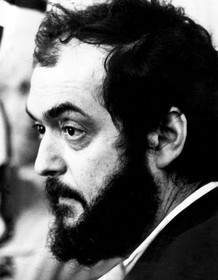
Stanley Kubrick
Made by

Where to Watch Dreams That Money Can Buy
See current US streaming, rental, and purchase options for Dreams That Money Can Buy (1947) via JustWatch.



Streaming availability powered by 
Dreams That Money Can Buy Plot Summary
Read the complete plot summary and ending explained for Dreams That Money Can Buy (1947). From turning points to emotional moments, uncover what really happened and why it matters.
Joe Jack Bittner is an ordinary man who has just signed a complicated lease on a room. As he ponders how to pay the rent, he discovers a strange gift: when he looks into his own eyes in a mirror, he can see the contents of his mind unfolding. This realization leads him to a bold idea—to use his talent to help others by selling tailor-made dreams. He sets up shop in his room and begins a surreal enterprise, promising to deliver personalized dreams to a growing and restless clientele. The premise rests on a provocative conceit: a single real-world impulse—a desire for escape or fulfillment—can be translated into a dreamscape that feels almost like a private film, crafted with images that feel both intimate and alien.
If you can look inside yourself, you can look inside anyone!
Across seven dream sequences, each session becomes a window into a different psyche, a mosaic of modernist imagination turned into cinema. The first case pits Mr A Samuel Cohen and Mrs A Ethel Beseda in a consultation that quickly spirals into a tableau of memory, longing, and literalized imagery. Mr A is a methodical bank clerk whose ledger-like mind harbors a collage of provocative pictures: a reclining woman on a bed, an old man on a lap, a figure attacked by an animal-headed assailant, a stream of red liquid passing through water, and a melting wax figure. Joe conjures a dream from these fragments—titled “Desire”—where a white-clad woman lies under a red-curtained four-poster, a small golden ball slides from her mouth, and jail bars rise around her bed as a voyeur watches from behind them. The dream shifts as a formal authority figure—portrayed by Max Ernst—appears and interacts with the unfolding scene, while the voyeur’s presence threads through the room, the couple moves through a stairwell of steam, and the nightingales and calves’ hooves drift into the mood of a cinematic fever dream. The narrator’s voice hints at the intimate exchange behind the doors, and the feverish fantasy closes with the woman tossing the golden ball into the air.
In the second case, Case number two, the young woman known as Julie Julie Lary enters with a briefcase, wearing a suit, glasses, and a beret. She attempts to enlist Joe in a kaleidoscope of causes, pushing him toward an arrangement that would sign away his autonomy as a patient. A shifting chorus—voices and a repeated wolf-whistle over a light jazz mood—accompanies the flirtation, hesitations, and near-kiss, until smoke swirls away to reveal a disembodied mannequin head and a cascade of wigged, costumed mannequins that seem to dance in a showroom. Libby Holman Libby Holman and Josh White Josh White lend their voices to the score, with Norma Cazanjian Norma Cazanjian and Doris Okerson Doris Okerson accompanying them. The dream riffs on consumer fantasy and artificial intimacy, culminating in a moment where Julie is offered a cascade of glittering jewelry and then kisses Joe before departing again, leaving Mrs A to wade through the reverberations of the encounter.
Case three unfolds as a tense encounter with Mrs A once more. She pays in cash for another visit, and the room becomes a stage for a dream about a young couple reading aloud from a book to a crowd. The scene gathers into a film-screen ambience, with the crowd imitating the gestures of a man on screen. Hidden on the back cover of a book titled Ruth, Roses and Revolvers is a photograph of Man Ray, and the image of wounded soldiers materializes in the reverie. The debt of memory and the lure of danger are palpable as Mrs A’s emotions surge, and the room outside erupts in riot as a policeman’s figure remains impotently posed. Into this chaos steps Case number four—a gangster—who hopes to exploit the same dream-for-hire service to win horse races. The vision offered to him is a hall of spinning discs and a distorted, Duchamp-inspired take on Nude Descending a Staircase. The robbery follows, and a policeman briefly appears—thwarted by a gun license that the gangster produces before he makes his escape, leaving Joe unconscious on the floor.
The fifth and sixth cases bring in a blind man and a little girl. Anthony Laterie Anthony Laterie plays the blind man who arrives with a dream he believes he can sell, while the little girl—an enigmatic figure in the office—activates a playful display of Calder-like mobiles and a somber mask that observes the mêlée. Joe, waking from the chaos, negotiates a new purchase and accepts the visionary repertory of these two visitors, allowing the wild imaginings to bloom into an experiential reality within the room.
The seventh case returns to Joe himself. The buzzer goes unanswered, and the next client turns out to be Joe in a startling self-portrait. Frozen in ice, he holds a blue poker chip left by the little girl and steps into an autobiographical dream that plays out around a poker table guarded by a classical bust that recalls Morpheus in silhouette. A glass shatters as a liquefied moment spills across the table, and Joe’s skin turns a startling shade of blue, drawing a chorus of rejection from his friends. The tabletop animals and figures come alive, the room closes in, and a blue thread of hope appears as a physical cord that he follows outdoors. The world around him swells with protest and defiance, ladders stretch toward the sky in every direction, and Joe climbs, recalling the chorus of postwar optimism. The ladders vanish, and he finds a window to escape, only to be met by a living room of color and danger. A reclining woman offers him a drink, cherries, and a knife. He kisses her, then cuts the symbolic blue thread, which bleeds red, and the escape rope is cut by the very person who helped him escape. The scene spirals into a final, surreal cascade: the bearded bust bursts into flames, Joe’s friends reappear as flaming bird cages, and his attempt to flee ends with the behemoth statue, ink-blot colors, and a downpour that coats the pavement with shifting hues, the stony gaze of the broken classical bust fixed on the spectacle above.
The work as a whole offers a relentlessly inventive fusion of mind, image, and performance, drawing on a spectrum of modernist aesthetics—from the sharp, enigmatic imagery of the early dream landscapes to the playful-but-haunting logic of the toy-like tableaux, and finally to a self-reflexive meditation on memory, identity, and the lure of escape. The film’s kaleidoscopic logic keeps the viewer guessing, balancing whimsy and unease as it follows Joe’s unorthodox enterprise from an impulsive experiment in dream-wielding to a crisis where the boundaries between dream, desire, and self collapse into a single, hypnotic vision.
- The cameos and performances include Stanley Kubrick as Theatre Extra, a nod to cinema history, and the dream-logic collaborations that feature John La Touche as The Gangster, a figure who embodies the collision of art, crime, and spectacle. The musical textures weave through the world with the voices of Libby Holman and Josh White, supported by Norma Cazanjian and Doris Okerson, and occasionally punctuated by the sly, sculptural presence of Max Ernst as Le President, a symbolic avatar of power and intrusion in the dreamscape. The entire venture is anchored by the quiet, incisive presence of Jack Bittner as Joe, whose ordinary life dissolves into a labyrinth of visions, and by the occasional, shattering in-person interventions of the other players who drift in and out of the room, each leaving a trace of the impossible in the waking world.
Dreams That Money Can Buy Timeline
Follow the complete movie timeline of Dreams That Money Can Buy (1947) with every major event in chronological order. Great for understanding complex plots and story progression.
Opening day: Joe's mind-reading business begins
Joe discovers he can see the contents of people's minds by looking into their eyes and decides to monetize the ability by selling tailor-made dreams from his room. The idea quickly catches on, and his waiting room fills within minutes, billed as the first installment on the 2 billion clients by a narrator. He embarks on a new line of work that blends therapy, fantasy, and art.
Case 1: Desire dream for Mr A
Mr A, a methodical bank clerk, wants a practical dream to widen his horizons and perhaps secure a raise. From his ledger, Joe assembles a surreal sequence: a bedroom under a red curtain, a reclining woman, a golden ball, and jail bars with a voyeur watching from behind them. The dream threads love, aspiration, and risk, ending with the dreamscape enveloping Mr A in its imagery.
Case 2: The Girl With the Prefabricated Heart
A young woman in suit and beret enters to sign Joe up for various causes. She flirts, pleads, and almost leaves, then returns to kiss him as a chorus of wigged mannequins dances and a phone-book of jewelry is offered to a 'healthy girl' named Julie. The dream collapses into a surreal sequence where a mannequin is beheaded and the cycle continues with the refrain 'untouched by human hands'.
Case 3: Mrs A seeks treatment and a film of outsiders
Mrs A pays for a session and leaves with a photo that recalls her carefree youth. She envisions a dream of renewal, including a film screening where the audience imitates the gestures on screen. Outside, a chaotic riot erupts and a gangster slips into Joe's office, signaling new danger.
Case 4: The gangster's dream and the heist
The gangster wants a dream to win horse races, but the sequence becomes a dizzy montage of Marcel Duchamp's spinning discs and a distorted Nude Descending a Staircase. Unimpressed, he robs Joe at gunpoint, and a policeman with a gun license lets him go, leaving Joe unconscious as the gangster escapes.
Case 5–6: The blind man and the girl with mobiles
A blind old man and a little girl enter the empty office; the girl toys with a ball that becomes Calder mobiles while a sombre mask watches. Joe regains consciousness and sees the two new inhabitants, with the blind man explaining he wants to sell a dream rather than buy one. Joe ultimately buys this new, surreal dream world.
Case 7: Joe's autobiographical dream begins
The next customer turns out to be Joe himself, frozen in a blue-tinged ice chamber. He enters his own autobiographical dream and finds himself at a poker table surrounded by friends and a bearded Morpheus bust watching over them. A shattered glass and a sudden blue change in his skin frighten the others away, leaving Joe to confront the dream's grip on him.
Case 7: The blue thread and the outside world
Joe follows a blue thread that leads him outside, where the public blocks his progress and four-direction ladders appear. He begins to climb, recalling postwar relief and the sense of peace that followed, as streamers fall from the sky.
Case 7: The hammock room, cherries, and the red cord
In a hammock-lit room a reclining woman offers Joe a drink, cherries, and a knife. He kisses her but then cuts the blue cord, turning it red with blood. He returns to the poker room, where the bearded bust bursts into flames and his friends become flaming bird cages.
Case 7: Escape rope cut and fall
Joe seizes a rope to escape through a window, but the woman who triggered the danger cuts it. He and the statue fall, transforming into balls of colored ink that rain down on the broken classical bust on the pavement below.
Final image: colors in water
The colored ink floats disperse into water, washing over the pavement as the bearded bust stares upward at the swirling patterns. The film leaves Joe's fate and the dream-reality blend ambiguously unresolved, highlighting the film's surreal meditation on art, memory, and desire.
Dreams That Money Can Buy Characters
Explore all characters from Dreams That Money Can Buy (1947). Get detailed profiles with their roles, arcs, and key relationships explained.
Joe / Narcissus (Jack Bittner)
An ordinary man who discovers he can see the contents of his mind in a mirror and turns this talent into a business. He sells tailor-made dreams to neurotic clients, blurring the line between therapy, entertainment, and commerce. His venture gradually exposes the vulnerability of turning inner life into public spectacle.
Mr A (bank clerk)
A methodical, exact bank clerk whose mind is described as a ledger of virtues and vices. He seeks a dream that expands his practical ambitions, ultimately revealing the hidden irrationality beneath his orderly exterior.
Mrs A
Mr A's wife who participates from the waiting room and voices a desire to broaden her husband’s horizons. Her case hints at marital tension, consumer desires, and the social pressures of upward mobility.
Julie (The Girl With the Prefabricated Heart)
A young woman who carries a 'prefabricated heart' and tries to sign Joe up for various causes. Her flirtation mingles with a critique of artificial emotions, and she embodies the artificiality of modern romance.
The Gangster (John La Touche)
A criminal who interrupts Joe's room and robs him, demonstrating how the dream marketplace is vulnerable to exploitation and crime. His presence punctuates the film's satire of speculation and risk.
The Blind Man (Anthony Laterie)
A prospective dream-seller who enters with a little girl; he manipulates wire figures into living acts, highlighting the transformation of art into living dreamscapes within the office.
The Little Girl (Jo Mitchell)
A child who plays with a ball that becomes Alexander Calder-style mobiles, illustrating how play and sculpture animate the dream-lab environment. Her presence adds innocence against the surreal backdrop.
The Man (Herb Campbell)
A male figure appearing within the dream sequences, contributing to the surreal atmosphere and the dynamic of control and authority within the room.
The Policeman (Bernard Friend)
An impotent policeman who performs a pose during a riot outside the office, satirizing authority and the brittleness of public order in the film's chaotic world.
Dreams That Money Can Buy Settings
Learn where and when Dreams That Money Can Buy (1947) takes place. Explore the film’s settings, era, and how they shape the narrative.
Time period
Early 1950s
The story unfolds in the postwar era of consumer optimism, reflected in Joe's entrepreneurial venture. The film's avant-garde approach aligns with the period's experimental cinema and the involvement of contemporary modernist artists. This time frame anchors the dreams as cultural artifacts of its age.
Location
Joe's waiting room / dream showroom
Joe's waiting room doubles as a showroom for his talent to sell tailor-made dreams. It is a modest, private space where the act of dream construction begins, and a mirror prompts the viewer to see the contents of the mind unfold. The room blends ordinary office realism with surreal staging, hinting at the seven dream sequences that will follow.
Dreams That Money Can Buy Themes
Discover the main themes in Dreams That Money Can Buy (1947). Analyze the deeper meanings, emotional layers, and social commentary behind the film.
💭
Dream Commerce
A man sells tailor-made dreams to clients, turning inner fantasies into marketable products. The customers’ desires drive the dream content, highlighting how consumer culture medicalizes and monetizes personal imagination. The film scrutinizes the commodification of the psyche and the transactional nature of modern life. Through the dream showroom premise, it links profit to fantasy and questions the boundaries between want and need.
🎭
Surrealism in Everyday Life
The seven dream sequences inject surreal imagery into a mundane office setting, merging art with commerce. Modernist artworks become the raw material of dreams, bending reality and provoking unexpected associations. The juxtaposition of the ordinary waiting room with fantastical visions exposes how art unsettles and enlarges perception. The film uses this tension to challenge conventional storytelling.
👁️
Self-Discovery
The mirror and the mind are central, turning Joe's personal introspection into a public performance. The dreams reveal hidden desires, fears, and contradictions within clients and within Joe himself. Voyeurism and self-scrutiny collide as inner life becomes external spectacle. The finale suggests that confronting one's own mind may carry both revelation and risk.

Coming soon on iOS and Android
The Plot Explained Mobile App
From blockbusters to hidden gems — dive into movie stories anytime, anywhere. Save your favorites, discover plots faster, and never miss a twist again.
Sign up to be the first to know when we launch. Your email stays private — always.
Explore the mobile appDreams That Money Can Buy Spoiler-Free Summary
Discover the spoiler-free summary of Dreams That Money Can Buy (1947). Get a concise overview without any spoilers.
In a world still echoing the dislocations of war, the film opens a quiet, cramped room that becomes a portal to the impossible. The setting feels both ordinary and uncanny—a modest New York apartment where the hum of the city drifts through cracked windows, while the walls pulse with a visual language borrowed from the avant‑garde masters who arrived as refugees and reshaped American art. The tone balances a dreamy lyricism with a subtle, almost clinical curiosity, inviting viewers to sense the thin line between everyday routine and the surreal possibilities that linger just beyond perception.
Joe is an unremarkable tenant whose life is suddenly reframed by a simple, bewildering discovery: when he looks into his own reflection, the mirror reveals the moving tableau of his imagination. Recognizing that this private cinema could be shared, he fashions a modest enterprise, offering custom‑crafted dreams to anyone willing to pay for a glimpse inside their own subconscious. The premise is elegantly minimal—a solitary figure in a single room whose sole tool is the power to translate a single impulse into a private, film‑like reverie.
The film’s structure mirrors its concept, stitching together a series of striking vignettes in which each client’s yearning is rendered through the eyes of leading visual artists. Their contributions turn the room into a living gallery, where fractured images, luminous colors, and sculptural shadows coalesce into ever‑shifting dreamscapes. The mood oscillates between whimsical playfulness and a quiet, unsettling intensity, reflecting the complex desires that drive the patrons while keeping the viewer perched in a state of anticipatory wonder.
At its core, the story is a meditation on the act of looking—both outward toward others and inward toward the hidden chambers of self. It suggests that the simplest glance into one’s own eyes may unlock an entire universe of experience, and that the desire to escape, to understand, or to simply be seen can be transformed into a fleeting, cinematic miracle. The film remains an invitation to linger in that space where imagination and reality intertwine, leaving the audience curious about what further possibilities lie just beyond the reflective surface.
Movies with Similar Twists and Themes
Uncover films that echo the narrative beats, emotional arcs, or dramatic twists of the one you're exploring. These recommendations are handpicked based on story depth, thematic resonance, and spoiler-worthy moments — perfect for fans who crave more of the same intrigue.

Featured on this page

What's After the Movie?
Not sure whether to stay after the credits? Find out!
Check out our other apps:

SAT Sphere
Build confidence for the Digital SAT.

Mori Atlas
Discover wild places worth protecting.

Luntero
Search smarter for a home in Amsterdam.

Plot Explained
Unravel movie endings and hidden clues.

Pokechamp
Dive into Pokémon data and battle logic.

Driving Theory
Get ready for your European theory test.

Movie Dust
Plan your next cinema trip with ease.

Musemap
Find art and culture as you travel.

Selkobase
Compare credentials before committing.

Local Manual
Turn an unfamiliar country into practical next steps.

Lernavi
Compare school systems before your next move.

GymRoam
Find a workout stop wherever your plans take you.
Explore Our Movie Platform
New Movie Releases (2026)
Famous Movie Actors
Top Film Production Studios
Movie Plot Summaries & Endings
Major Movie Awards & Winners
Best Concert Films & Music Documentaries
Movie Collections and Curated Lists
© 2026 What's After the Movie. All rights reserved.
Privacy Policy