What Is Farewell to Dream About?
The premise of Farewell to Dream in 316 words, with nothing given away. The full story follows below.
In a quiet corner of Tokyo, where the air carries the scent of the sea and the bustle of the market, Farewell to Dream unfolds as a delicate coming-of-age story rooted in the realities of working-class life. The film introduces Yoichi Akimoto, a fifteen-year-old boy who helps run his family’s fish shop while harboring a vast ambition to become a sailor. Inspired by the memory of a late uncle who traveled the world, Yoichi clings to a pair of binoculars that offer him a literal and metaphorical lens to a life beyond his immediate grasp, turning his daily routine into a quiet vigil for something more.
The narrative establishes a world where the weight of poverty presses gently but firmly on every decision. Yoichi is the second of five children in a family struggling to make ends meet, living in a home where space is as scarce as money. His father, a dedicated fishmonger, and his mother manage the shop, while Yoichi’s internal life is fueled by a distant admiration for a woman who lives above a beauty salon, viewed from afar through his binoculars. These small escapes highlight the tension between his responsibilities and his yearning for a wider horizon, setting the stage for a story about the difficult balance between duty and desire.
Amidst the routine of scaling fish and making deliveries, the film explores the fragile dynamics of family and friendship. Yoichi’s older sister, Toyoko, navigates her own pressures, caught between the hope of a better marriage and the reality of their financial situation. As Yoichi watches the people around him make hard choices to survive, the film builds a contemplative mood, capturing the particular ache of adolescence where dreams often collide with the unyielding demands of reality. The story settles into a gentle, observational rhythm, inviting the audience to feel the texture of a life defined by small moments and lingering hopes.
What Happens in Farewell to Dream?
The complete story of Farewell to Dream, from the first scene to the last, in 665 words (about 3 minutes). Spoilers throughout. Names in the text link to 1 cast member page.
Spoilers ahead
Farewell to Dream opens with the opening titles that set a quiet, poignant mood, signaling a story about a boy whose dream never fully comes true. The camera often settles on Yoichi Akimoto Shinji Tanaka, now 20, standing in the back yard of a small Tokyo fish shop and gazing toward some distant, unreachable horizon. The scene gently invites us to consider how far life can drift from childhood ambitions, even as the present moment settles around a routine that feels almost too small to contain a person’s big aspirations.
The film then unfolds in a long flashback to a time a few years earlier, when Yoichi is just 15 and the second of five children in a family struggling to make ends meet. He works the family trade as a fishmonger, carrying the weight of poverty with a quiet resilience. In his heart, however, he harbors a vivid dream: to become a sailor, inspired by his late uncle who once sailed with the world as his stage. With a pair of binoculars gifted by that uncle, Yoichi begins to see life through a wider lens, peering from their neighborhood to a woman who lives above a beauty salon in a distant part of the city, and he entertains a hopeful, almost romantic story about her from afar.
Yoichi’s family life complicates his longing. His older sister Toyoko [Yoshiko Kuga] is perpetually caught between expectations and reality, repeatedly canceling engagements as she clings to the dream of marrying well to lift the family out of poverty. Toyoko’s choices crack open a tension that threads through the entire family’s fate: she ultimately marries a much older man, yet continues to chase a forbidden spark with Sudô [Takahiro Tamura], her former fiancé, hinting at the personal costs of ambition and desire.
Harder blows arrive as life tests the young dreamer more directly. After a heart attack, Yoichi’s father Genkichi [Eijirô Tôno] falls seriously ill and becomes bedridden, a turning point that forces Yoichi to shoulder responsibility for the shop. The burden deepens when his younger sister Kazue is adopted by another uncle, an event that further thins the siblings’ ties to each other. With the shop on his shoulders, Yoichi begins to sense the raw, clenched ache of growing up too soon.
Meanwhile, the boyhood friendship with Seiji Harada [Ryôhei Ôno] begins to unravel as Seiji’s family moves away due to his father’s reassignment, and the beauty salon girl Yoichi once imagined begins a life with someone else. The world Yoichi once imagined shrinking around him; the distance between dream and life grows longer, and the sense of loneliness becomes harder to bear.
Returning to the present, Yoichi takes a rare moment away from the shop’s work and steps into the yard for a quiet breath. He reflects on the dream he once held so tightly and the people he has parted ways with along the way. The film holds his thoughts in a restrained, contemplative mood, inviting the audience to feel the weight of a life that has to balance duty with longing, and memory with present reality. In the end, the narrative lingers on Yoichi’s quiet acceptance, the moment when a young man looks toward the horizon and recognizes that dreams can shape a life even when they don’t come true in the way one hoped.
Throughout the story, the film’s steady, patient pacing, and its intimate focus on family, sacrifice, and the small daily acts that sustain a family, give a sense of realism and tenderness. The emotional core rests on Yoichi’s perseverance in the face of loss and responsibility, his willingness to keep working the family business, and his quiet, enduring hope for something beyond the everyday. The film’s quiet, almost documentary-like tone preserves the dignity of ordinary lives, while the memories of youth—the binoculars, the beauty salon, the old family shop—linger as a subtle, bittersweet reminder of what was nearly possible and what remains, in memory, a dream that shaped a life.
Farewell to Dream Timeline: Every Key Event in Order
12 key events in the order they happen, from “Opening titles foreshadow unfulfilled dream” to “Present reflection in the backyard”. 11 events name a place, across 9 locations.
- 1
Opening titles foreshadow unfulfilled dream
The film opens with the credits that announce a boy whose dream did not come true, setting a mournful tone for the story. We then meet Yoichi, a 20-year-old fishmonger standing in the shop's backyard and looking out toward an uncertain horizon.
When:Opening titles
- 2
Present-day Yoichi in the fish shop
Yoichi is 20 and works as the family fishmonger, moving through the shop with quiet resolve. He pauses in the backyard to reflect on his unrealized dream and the distance between his present life and imagined future.
When:Present Where:Shop backyard, Tokyo
- 3
A 15-year-old Yoichi dreams of the sea
Years earlier, a 15-year-old Yoichi lives in a poor Tokyo neighborhood with big dreams of becoming a sailor like his late uncle. He fantasizes about a life beyond the cramped confines of the fish shop and his family's struggles.
When:Years earlier Where:Tokyo, poor district
- 4
Binoculars and a distant girl
Armed with binoculars gifted by his uncle, Yoichi watches a young woman living above a beauty salon in another district. He creates stories about her, feeding his fantasy of escape and romance.
When:Years earlier Where:District with beauty salon
- 5
Toyoko fights for a wealthier future
Meanwhile, Yoichi's sister Toyoko rejects her parents' plans and cancels engagements in the hope of marrying into wealth. Her determination to climb out of poverty strains the family and shapes the coming years.
When:Years earlier Where:Tokyo family home
- 6
Toyoko's marriage and its shadow
Toyoko finally marries a much older man, but the relationship sours when she has an affair with Sudo, her former fiancé. The affair adds tension to the household and colors Yoichi's view of love and security.
When:After marriage Where:Tokyo
- 7
The father suffers a heart attack
A heart attack hits Yoichi's father, leaving him bedridden and weakening the family's income and morale. The elder's illness forces Yoichi to confront responsibility at a younger age.
When:During youth Where:Family home in Tokyo
- 8
Yoichi takes over the shop
With his father's condition, Yoichi steps into the role of head of the family business, managing the fish shop under mounting pressure. He becomes the reluctant cornerstone of the family as economic strains grow.
When:After father's illness Where:Family fish shop, Tokyo
- 9
Kazue is adopted by another uncle
Yoichi's younger sister Kazue is adopted by another uncle, separating her from the immediate family. The rearrangement underscores the financial hardship and the sacrifices the siblings endure.
When:After father's death Where:Tokyo, extended family
- 10
Seiji moves away and the beauty girl marries
Yoichi's best friend Seiji moves away due to his father's reassignment, removing a close confidant from Yoichi's life. Simultaneously, the young woman from the beauty salon marries, shutting the door on that distant possibility.
When:During youth Where:Tokyo
- 11
The dream recedes, leaving loneliness
The sailor dream remains but fades into memory as the years pass. Yoichi feels increasingly isolated, having parted ways with people and possibilities he once counted on.
When:Years after youth Where:Tokyo
- 12
Present reflection in the backyard
Back in the present, Yoichi takes a brief break in the shop's backyard to muse on his unfulfilled dream and the people he had to part ways with. The moment links past and present, hinting at a life of quiet resignation.
When:Present Where:Shop backyard
Who Are the Main Characters in Farewell to Dream?
6 characters, among them Yôichi Akimoto (Shinji Tanaka), Toyoko Akimoto (Yoshiko Kuga) and Seiji Harada (Ryôhei Ôno): who each one is and the part they play in the story. Every profile links to the actor’s page.
- YA
Yôichi Akimoto (Shinji Tanaka)
Played by Shinji Tanaka
15-year-old apprentice fishmonger who dreams of the sea and a freer life. Gifted with his uncle's binoculars, he forms fantasies about a distant world while shouldering family responsibilities as the father falls ill. His hopeful nature is tempered by the hardship of poverty and the loneliness that follows when friends and love move on.
- 🎭 Drama
- 🎣 Dreams
- 🏠 Family
-
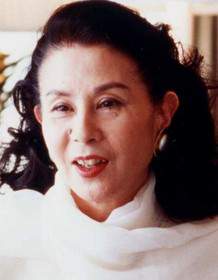
Toyoko Akimoto (Yoshiko Kuga)
Played by Yoshiko Kuga
Yoichi's older sister, eager to escape poverty and marry well. She pursues a marriage to a much older man, showing the social pressure on women to secure status through matrimony and the complex costs of romance and loyalty.
- 🎭 Drama
- 👩💼 Ambition
- 🏠 Family
- SH
Seiji Harada (Ryôhei Ôno)
Played by Ryôhei Ôno
Yoichi's best friend who leaves after his father is reassigned. Seiji represents companionship and the fear of displacement in a changing urban life. The friendship that anchors Yoichi frays as distance grows.
- 🎭 Drama
- 🤝 Friendship
- 🧭 Change
-
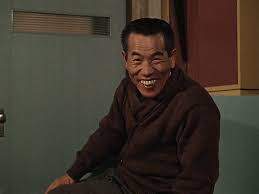
Genkichi Akimoto (Eijirô Tôno)
Played by Eijirô Tôno
Yoichi's father, a poor fishmonger who labors to provide for the family. He suffers a heart attack and dies, catalyzing Yoichi's assumption of responsibility and the shift in family dynamics.
- 🎭 Drama
- 🐟 Fishmonger
- 🏠 Family
- OA
Oshin Akimoto (Yūko Mochizuki)
Played by Yūko Mochizuki
Yoichi's mother, whose care and concern anchor the family despite hardship. Her resilience and quiet sorrow reflect the maternal strength sustaining the family through upheaval.
- 🎭 Drama
- 🧭 Family
- 👩👧 Maternal
- KA
Kazue Akimoto (Noriko Kikuoki)
Played by Noriko Kikuoki
Yoichi's younger sister, adopted by another uncle after the family is rearranged. She embodies the vulnerable children affected by adult decisions and the shifting household.
- 🎭 Drama
- 🧒 Family
- 🏠 Adoption
Where and When Is Farewell to Dream Set?
Farewell to Dream is set in Tokyo and Japan. Here is why the place matters to the story.
Where
Tokyo, Japan
A dense urban setting centered on a family fishmonger in a busy Tokyo neighborhood. The city is shown through backyards, markets, and narrow streets that highlight the gap between dreams and daily survival. The environment underscores the pressures of poverty and the pull of ordinary life.
- 🏙️ Urban
- 🏪 Family business
- 🧭 Social contrasts
What Are the Themes of Farewell to Dream?
4 ideas the story keeps returning to, among them Dream vs Reality, Family Duty and Separation and Loneliness.
-
01
Dream vs Reality
Yoichi clings to the dream of becoming a sailor, a fantasy that clashes with his harsh present as a shopkeeper. The binoculars from his uncle symbolize escape, while the reality of poverty and responsibility keeps pulling him back. The film follows the tension between aspiration and duty, showing how every decision narrows or redirects his path. Throughout, his optimism is tested by friends growing distant and opportunities slipping away.
-
02
Family Duty
When the father falls ill and dies, Yoichi must shoulder the family business and reorganize the household. Toyoko’s drive to marry for security further complicates family dynamics, highlighting social pressure on women to secure status through matrimony. The loss reconfigures loyalties and forces Yoichi to confront adulthood earlier than expected. The family’s unity strains under financial strain and the weight of caretaker duties.
-
03
Separation and Loneliness
Friends move away and lovers drift apart, leaving Yoichi feeling isolated in a city that continues without him. Memories linger and make him reflect on what has been left behind. The narrative emphasizes the ache of parted paths and the resilience required to carry on. Loneliness becomes a steady companion as the dream fades.
-
04
Coming of Age
The story tracks a boy transitioning into adulthood as his dream fades, his family evolves, and he learns to navigate responsibility. His dreams shift from escape to endurance, shaping a sense of maturation beyond his years. The narrative ties personal growth to family duties and changing relationships. Ultimately, he learns to redefine success in terms of steadfastness rather than escape.
What Kind of Film Is Farewell to Dream?
Melancholic in tone, with slow pacing and a moderate story, going by the plot summary.
- Tone
- Melancholic
- Pacing
- Slow
- Story
- Moderate
- Intensity
- Low
- Ending
- Bittersweet
A quiet and melancholic coming-of-age story that follows a young boy's gradual loss of innocence as his dreams and relationships slowly slip away amidst family hardship.
- nostalgic
- reflective
- lonely
- quiet
- sad
- yearning
- coming of age
- family dynamics
- loss
- unfulfilled dreams
Content notes: parental death.