
What Is False Confessions About?
The premise of False Confessions in 339 words, with nothing given away. The full story follows below.
In the bustling heart of 21st‑century Paris, the city’s timeless cafés and sleek office towers coexist with the faded grandeur of the Théâtre de l’Odéon, where the lines between stage and screen blur. The film captures this duality with a bright, kinetic visual style that feels both contemporary and theatrical, letting the audience sense the electric possibility of love tangled within society’s polished veneer. A light, witty tone underpins every scene, hinting at deeper questions about desire, status, and the games people play to be seen.
Dorante arrives as a charmingly awkward figure, his nervous energy barely contained beneath a veneer of confidence. Recently appointed as an accountant for a wealthy widow, he quietly rehearses an elaborate plan to win her heart, balancing the role of a diligent employee with the covert ambitions of a lover. His every move is calibrated, his scheming both endearing and slightly absurd, painting him as a modern‑day courtier navigating the complex choreography of romantic pursuit.
Araminte is introduced as a poised, affluent widow, comfortably settled into the rhythms of high society yet blissfully unaware of the subtle machinations at play around her. Her inner circle includes Marton, a loyal friend whose sharp wit and devotion provide both counsel and comic contrast, and Araminte’s mother, whose protective instincts clash with her daughter’s desire for independence. Meanwhile, Dubois, a quick‑thinking associate, becomes the indispensable accomplice in Dorante’s intricate designs, adding a layer of mischievous camaraderie to the unfolding intrigue. Looming in the background is the Count, an older suitor whose financial woes render him a pragmatic, if less romantic, alternative.
Together, these characters set the stage for a delicate dance of affection and artifice. The film teases a world where love is as much a performance as a feeling, inviting viewers to watch the subtle gestures, lingering glances, and whispered promises that ripple through Parisian salons and backstage corridors alike. The promise of what might blossom—or unravel—lingers in the air, leaving the audience eager to see whether genuine emotion can pierce the carefully constructed façades.
What Happens in False Confessions?
The complete story of False Confessions, from the first scene to the last, in 267 words (about 1 minute). Spoilers throughout. Names in the text link to 6 cast member pages.
Spoilers ahead
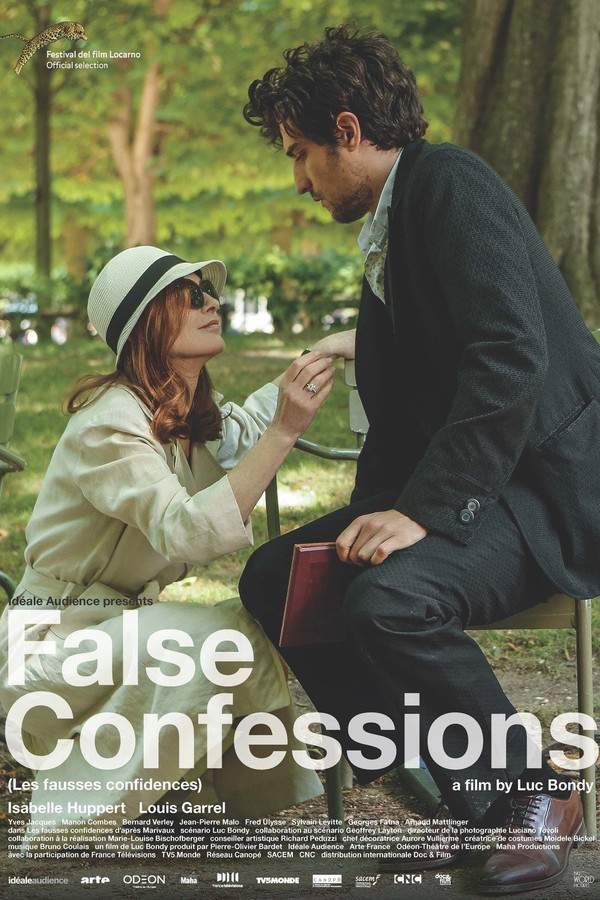
Luc Bondy’s final masterpiece as a director showcases an impressive cast from both theater and film, bringing Marivaux’s play to life in the vibrant setting of 21st century Paris. At the forefront is the extraordinary Isabelle Huppert, who takes on the role of Araminte, a wealthy widow blissfully unaware that she has employed the lovestruck Dorante, portrayed by Louis Garrel, as her accountant.
As the story unfolds, a web of secrets and deception begins to entangle not only Araminte but also her loyal friend and confidante, Marton, played by Manon Combes. Manipulated by Dorante and his cunning accomplice, Dubois, depicted by Yves Jacques, Araminte finds herself at the mercy of a romantic scheme that tests her heart.
Dorante oscillates between a pitiable figure and an adept schemer, skillfully treading a fine line as he endeavors to inspire a mutual affection in the object of his desire. The veteran actress Bulle Ogier makes a notable appearance as Araminte’s mother, who harbors doubts about the young man’s intentions, yet presses her daughter toward an impending match with a financially strapped, older Count, played by Jean-Pierre Malo.
The film is partially shot on location at the Théâtre de l’Odéon, effectively merging the realms of stage and cinema. This creative choice enriches the narrative, offering an innovative perspective on the timeless themes surrounding the psychology of love, where the allure of romance often intertwines with the complexities of class and social status. Through this adaptation, Bondy invites viewers to reflect on the intricate dance of desire and the lengths to which one might go to secure the object of their affection.
False Confessions Timeline: Every Key Event in Order
13 key events in the order they happen, from “Introduction to Araminte” to “Final Impressions”. 4 events name a place, across 3 locations.
- 1
Introduction to Araminte
In the vibrant backdrop of 21st century Paris, the story begins with Araminte, a wealthy widow, played by Isabelle Huppert. Unbeknownst to her, she has hired Dorante, a lovestruck young man, as her accountant, setting the stage for the unfolding romantic complications.
Where:Paris
- 2
Dorante's Deception
Dorante, played by Louis Garrel, enters the scene as both a pitiable figure and a crafty schemer. He orchestrates a romantic scheme to gain Araminte's affection, demonstrating his ability to play with emotions while concealing his true intentions.
Where:Araminte's residence
- 3
Marton's Role
Marton, portrayed by Manon Combes, serves as Araminte's loyal friend and confidante. As Dorante weaves his web of deception, Marton finds herself caught in a series of misunderstandings, further complicating the relationships between the characters.
- 4
Dubois' Manipulation
Dubois, the cunning accomplice of Dorante, played by Yves Jacques, plays a crucial role in the scheme to win Araminte's heart. His manipulative tactics add layers to the narrative, showcasing the lengths individuals will go to achieve their desires.
- 5
Araminte's Mother
Araminte's mother, portrayed by Bulle Ogier, enters the fray with doubts about Dorante's intentions. Her maternal instincts pull her towards encouraging a match with a financially struggling older Count, played by Jean-Pierre Malo, intensifying Araminte's predicament.
- 6
The Romantic Scheme Unfolds
As the romantic scheme unfolds, Dorante's true feelings for Araminte begin to complicate his initial intentions. The audience witnesses an intricate dance of desire as he oscillates between manipulation and genuine affection.
- 7
The Pressure of Social Status
The film explores the impact of social and class dynamics on relationships. As Araminte grapples with her wealthy status and potential match with the older Count, the tension escalates, navigating love's complexities amid societal expectations.
- 8
The Role of Secrets
Secrets and deception play pivotal roles as the characters navigate their tumultuous relationships. The layers of deceit lead to misunderstandings that challenge the notion of truth in love and the actions taken for romantic pursuits.
- 9
Théâtre de l’Odéon
Part of the film is shot at the Théâtrde l’Odéon, merging theater and film. This creative backdrop not only enhances the visual experience but also emphasizes the dramatic elements of love, creating a unique atmosphere for the unfolding tale.
Where:Théâtre de l’Odéon
- 10
Climactic Revelations
As the story progresses, revelations emerge that shake the foundations of the characters' relationships. Dorante's duality is exposed, leading to critical decisions that redefine love and trust among the main players.
Show the other 3 events of False Confessions Hide the last 3 events
- 11
Confrontation and Resolution
In a climactic showdown, Araminte confronts Dorante about the deceptions. This confrontation ultimately leads to resolutions that allow them to reckon with their feelings and the consequences of their actions.
- 12
Reflection on Love's Psychology
The film concludes by inviting the audience to reflect on the psychology of love and desire. The intricate dance between affection, ambition, and class encapsulates the struggles and triumphs of human emotions.
- 13
Final Impressions
With Luc Bondy's final masterpiece, viewers are left with a profound understanding of love's complexities. The cast and setting culminate in a stirring adaptation that resonates with the timeless nature of romantic entanglements.
Where:Paris
Who Are the Main Characters in False Confessions?
6 characters, among them Araminte (Isabelle Huppert), Dorante (Louis Garrel) and Marton (Manon Combes): who each one is and the part they play in the story. Every profile links to the actor’s page.
-

Araminte (Isabelle Huppert)
Played by Isabelle Huppert
Araminte is a wealthy widow depicted as initially unaware of the romantic schemes surrounding her. Her character embodies both innocence and depth, as she navigates through manipulation while searching for genuine affection. Throughout the film, her development reflects on her emotional resilience and desire for love.
- 👩❤️👨 Romance
- 🏡 Wealth
- 🎭 Performance
-
Dorante (Louis Garrel)
Played by Louis Garrel
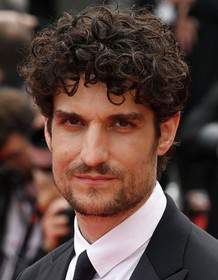
Dorante is a complex character torn between his responsibilities and desires. He oscillates between being a pitiable figure and a clever schemer, embodying the tension between deceit and genuine feelings. His journey reveals the lengths one might go to secure love, showcasing a character caught in his own romantic ambitions.
- 💔 Unrequited Love
- 🎭 Manipulation
- M(
Marton (Manon Combes)
Played by Manon Combes
Marton serves as Araminte's confidante and friend, providing loyalty amidst the unfolding drama. Her character supports Araminte while also becoming embroiled in the complexities of relationships and secrets. Marton's tenacity highlights the importance of friendship in navigating the challenges of love.
- 🤝 Friendship
- 🔒 Loyalty
- D(
Dubois (Yves Jacques)
Played by Yves Jacques
Dubois is depicted as Dorante's cunning accomplice who plays a significant role in the web of deception. He is skilled at manipulating situations to achieve desired outcomes, reflecting the theme of deceit. His presence adds an element of intrigue and complicity to the love narrative.
- 🕵️♂️ Schemer
- 🎭 Deception
-
Araminte's Mother (Bulle Ogier)
Played by Bulle Ogier
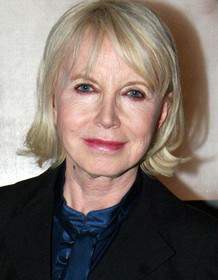
Araminte's Mother is a critical figure who expresses doubts about Dorante’s intentions. Her conflicting feelings about social expectations versus her daughter's happiness add a layer of complexity to the narrative. She embodies the older generation's perspective on love and marrying for security.
- 👩👧 Family
- 💍 Marriage
- C(
Count (Jean-Pierre Malo)
Played by Jean-Pierre Malo
The Count represents the financial pressures and social standings that influence romantic decisions. His character is enveloped in the expectations of wealth and status, serving as a contrast to the genuine feelings explored in the film. He plays a role in illustrating the complications of love shaped by societal norms.
- 👑 Nobility
- 💰 Wealth
Where and When Is False Confessions Set?
False Confessions is set in 21st century Paris and Théâtre de l’Odéon (21st century). Here is why the time and place matter to the story.
When
21st century
The film is set in the contemporary 21st century, a time characterized by rapid social changes and evolving perspectives on relationships. This period allows for a modern interpretation of classic themes like love and deception, making them relatable to today's audiences.
Where
21st century Paris, Théâtre de l’Odéon
The story unfolds in vibrant 21st century Paris, a city known for its rich history, art, and culture. It offers a picturesque backdrop that enhances the themes of romance and social dynamics. Additionally, the film partially takes place at the Théâtre de l’Odéon, a renowned theater that beautifully merges stage and cinema.
- 🏙️ City
- 🎭 Theater
What Are the Themes of False Confessions?
3 ideas the story keeps returning to, among them Love, Deception and Social Class.
-
01
Love
The theme of love permeates the film, exploring its complexities through the entangled lives of the characters. Araminte's journey showcases the naive pursuit of affection, while Dorante's manipulations complicate the notion of true love. The narrative reflects on how societal expectations and personal desires often clash in romantic pursuits.
-
02
Deception
Deception plays a pivotal role, with characters enacting schemes that challenge their authenticity. Dorante's attempts to win Araminte's heart through trickery highlight the moral ambiguities present in relationships. This theme encourages viewers to consider the lengths individuals might go to for love and acceptance, further enriching the plot.
-
03
Social Class
The film dives into the intricacies of social class, where the intersections of wealth and status significantly impact relationship dynamics. Araminte's interactions with her mother and the Count illustrate the pressures that societal expectations can impose on personal choices. This theme adds depth to the characters' motivations and conflicts.
What Kind of Film Is False Confessions?
Light in tone, with steady pacing and a moderate story, going by the plot summary.
- Tone
- Light
- Pacing
- Steady
- Story
- Moderate
- Intensity
- Low
A charming and sophisticated romantic drama that explores the playful deceptions of courtship within high society, feeling like a witty and reflective exploration of love's intricate psychology.
- charming
- deceptive
- romantic
- sophisticated
- witty
- schematic
- deception and desire
- class and society
- romantic schemes
- psychology of love
Quiz
How well do you remember False Confessions? Test yourself on the story.
