

What Is Destiny’s Son About?
The premise of Destiny’s Son in 288 words, with nothing given away. The full story follows below.
In Edo-period Japan, where honor and obligation shape every life, Shingo enters the world under a cloud of disgrace. Born to an assassin executed for a crime against a lord’s household, he carries a burden that society will not let him forget. Sent away to be raised by a foster family, the boy grows up at a distance from the truth of his origins, yet the weight of his lineage remains a constant, unspoken presence.
As Shingo matures, he cultivates an exceptional talent for swordsmanship, developing a refined and nearly unbeatable style that distinguishes him from his peers. Under the guidance of his foster father, Shin’emon Takakura, he learns discipline and purpose, but the peace of his adopted home proves fragile. When violence shatters the life he has built, Shingo finds himself adrift—a masterless samurai bound to a past he barely understands and driven to uncover the secrets that have shadowed him since birth.
The world he navigates is one of rigid hierarchies and unspoken codes, where a warrior’s worth is measured by his blade and his loyalty. Shingo’s journey carries him through shifting alliances and quiet intrigues, each step bringing him closer to answers that may reshape everything he believes about himself. The film moves with a measured, contemplative rhythm, balancing moments of stillness with sudden intensity, reflecting the inner turmoil of a man torn between the circumstances of his birth and the path he chooses to forge.
Raizō Ichikawa brings a brooding presence to the role, inhabiting a protagonist defined as much by what he withholds as by what he reveals. Destiny’s Son explores themes of legacy, duty, and the cost of rising above one’s origins in a world where the past is never truly past.
What Happens in Destiny’s Son?
The complete story of Destiny’s Son, from the first scene to the last, in 434 words (about 2 minutes). Spoilers throughout. Names in the text link to 4 cast member pages.
Spoilers ahead
The film opens with Shiho Fujimura as Fujiko Yamaguchi, a female assassin who believes that taking out the lord’s mistress serves the greater good of her clan. She carries out the deadly task and, as punishment, is sentenced to death. In a grim twist of fate, it is her husband who executes her, a moment that casts a long shadow over what follows. To cope with the guilt of his action, he renounces the world and becomes a monk, sending their son Shingo to be fostered by another family. Raizō Ichikawa plays Takakura Shingo, the boy who will grow up under a distant gaze and forge his own path from the ashes of his birth.
The story then follows Shingo as he grows into a capable swordsman, his youthful years defined by discipline and skill rather than sentiment. The years turn him into a formidable presence, and his refined, nearly unbeatable sword style becomes a defining mark of his identity. His prowess wins him notice, but it also stirs jealousy and treachery, and his foster family is swept away by neighbors. In the midst of this upheaval, his foster father dies in Shingo’s arms, and the elder passes along crucial details about Shingo’s birth. Shinjirō Asano lends his presence as Shin’emon Takakura, the foster father whose life threads into Shingo’s own story.
With the truth of his origins stirring inside him, Shingo sets out to locate his father—the monk who, in the past, killed his mother. The monk is portrayed by Eijirō Yanagi in the role of Ooinokami Matsudaira, and when they finally meet, the encounter is intimate and revealing. The elder shows Shingo her grave and recounts his side of the tale, describing a life spent in solitary devotion and the choices that led to that moment. This meeting reframes the past, offering a perspective that challenges what Shingo had believed.
Returning to a world where his sword is both tool and symbol, Shingo finds work as the bodyguard to a Shogunate official. Over three years of service, a deep father-and-son bond develops between them, underscoring the personal cost of his legendary skill. The official is tasked with quelling a rebellion in a daimyo’s fief and travels there to admonish the daimyo, a mission that places Shingo in the heart of political and martial intrigue. In the palace, the official is deceived and assassinated, leaving Shingo to confront the consequences of the day’s treachery. In a final, somber act of loyalty and consequence, Shingo performs seppuku over his master’s corpse, a testament to the weight of duty, lineage, and the price of mastery.
Destiny’s Son Timeline: Every Key Event in Order
14 key events in the order they happen, from “Shiho's assassination and punishment” to “Shingo commits seppuku”.
- 1
Shiho's assassination and punishment
Shiho Fujimura, a female assassin, carries out the mission to kill her lord's mistress for what she believes is the clan's good. She succeeds in the mission, but is condemned to death. The execution is carried out by her husband rather than a formal authority.
When:Opening
- 2
Husband becomes a monk; Shingo is fostered
To cope with the guilt of his wife's execution, Shingo's father renounces the world and becomes a monk. He sends Shingo to be fostered by another family.
When:Soon after
- 3
Shingo grows into a skilled swordsman
As Shingo grows up within the foster environment, he trains and becomes a skilled swordsman. Not knowing his true past, he pursues mastery and discipline that will later shape his destiny.
When:Childhood and adolescence
- 4
Three-year journey begins at age 20
At age 20, Shingo sets out on a three-year journey as a means of self-discovery. He travels to learn about himself and his place in the world.
When:Age 20; begins three-year journey
- 5
Return with a defined sword style and presence
After the journey, Shingo returns home with a highly refined sword style and an intimidating presence. His reputation begins to spread, marking a turning point in his life.
When:After three-year journey
- 6
Notoriety attracts jealousy; foster family attacked
Shingo's growing renown breeds jealousy among his neighbors. They attack and wipe out his foster family, causing tragedy.
When:Post journey
- 7
Foster father dies; birth revealed
During the attack, Shingo's foster father dies in his arms. Before dying, he passes on information about Shingo's birth, revealing clues about his true origins.
When:During the tragedy
- 8
Shingo sets out to find his father, the monk who killed his mother
Motivated by the revelation, Shingo goes on a quest to find his father, the monk who killed his mother. He seeks answers about his lineage and past.
When:After birth revelation
- 9
Meeting father and hearing his side
Shingo meets his father. The father shows Shiho's grave and recounts the events from his side, explaining his life of solitude.
When:When they meet
- 10
Becomes bodyguard to a Shogunate official
After leaving his father, Shingo finds employment as the bodyguard of a Shogunate official. He uses his sword skills to protect the official and forms a bond with him akin to a father and son.
When:Soon after meeting father
Show the other 4 events of Destiny’s Son Hide the last 4 events
- 11
Three years of service; a father-son bond grows
Over three years of service, the two develop a father and son relationship. Shingo's loyalty deepens and he embraces the official's code and responsibility.
When:During service
- 12
Daimyo rebellion; mission to quell
When a local daimyo cannot quell a rebellion in his fief, the official travels there to admonish him. Shingo accompanies him, serving as protector and witness to the ordeal.
When:During the mission
- 13
Official betrayed and assassinated
In the palace, the official is tricked and assassinated, marking a grave turning point in Shingo's mission.
When:During the rebellion mission Where:Palace
- 14
Shingo commits seppuku
Realizing that he has failed, Shingo performs seppuku over his master's corpse, a final act of loyalty and honor. His death closes the arc of his quest and reflects the consequences of the failed mission.
When:After assassination
Who Are the Main Characters in Destiny’s Son?
5 characters, among them Shingo Takakura (Raizō Ichikawa), Fujiko Yamaguchi (Shiho Fujimura) and Giichirô Ikebe (Yoshio Inaba): who each one is and the part they play in the story. Every profile links to the actor’s page.
- ST
Shingo Takakura (Raizō Ichikawa)
Played by Raizō Ichikawa
Shingo grows from a sheltered youth into a formidable swordsman, whose presence unsettles rivals. After a three-year journey of self-discovery, he returns with a unique fighting style and a commanding aura. His rise attracts envy and betrayal, culminating in the destruction of his foster family. When he learns the truth about his birth, he seeks out his father, the monk who killed his mother, and ultimately faces the consequences of his lineage. Finally, he serves as a bodyguard to a Shogunate official, and, unable to prevent a master’s murder, he commits seppuku beside his master’s corpse.
- ⚔️ Swordsman
- 🧭 Self-discovery
- 🏁 Determination
- FY
Fujiko Yamaguchi (Shiho Fujimura)
Played by Shiho Fujimura
A female assassin who kills her lord’s mistress, believing it serves her clan’s greater good. Her sanctioned act of violence is punished by death, highlighting the harsh codes that govern honor and retribution. Her fate reverberates through Shingo’s origin and moral landscape, underscoring the costs of loyalty and secrecy. Her role establishes the primal wound that drives the family’s subsequent choices.
- 🗡️ Assassin
- 🔪 Loyalty
- ⚖️ Justice
-
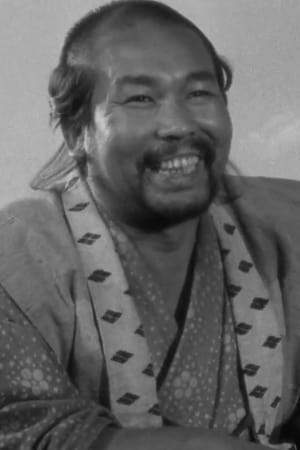
Giichirô Ikebe (Yoshio Inaba)
Played by Yoshio Inaba
The husband who carries out his wife’s execution and then withdraws into monastic life. His path of solitary discipline provides a counterpoint to the violence surrounding his family. He later reveals his wife’s grave and shares his version of the events, offering a rare perspective on the couple’s tragedy. His life of restraint forms a barrier between past guilt and present forgiveness.
- 🧭 Solitude
- 🗡️ Duty
- 🕊️ Redemption
- ST
Shin'emon Takakura (Shinjirō Asano)
Played by Shinjirō Asano
Shingo’s foster father, who raises him and passes on critical birth information. His death in Shingo’s arms marks a turning point, reinforcing the fragility of life and the depth of obligation within foster families. He represents loyalty and mentorship, providing emotional anchor amid a turbulent world. His guidance helps shape Shingo’s adherence to honor even as tragedy strikes.
- 👨👦 Foster Father
- 🛡️ Mentorship
- 🕯️ Legacy
- YM
Yasutoshi Makino (Toshio Hosokawa)
Played by Toshio Hosokawa
A Shogunate official whose trust places Shingo in a perilous position as his bodyguard. His assassination by treachery exposes the fragility of political power and the limits of even noble protection. Shingo’s loyalty is tested to the limit, culminating in a fatal consequence that seals his own fate. The events illustrate how appearances of order depend on underlying danger.
- 🏛️ Shogunate
- ⚔️ Protection
- 💀 Betrayal
Where and When Is Destiny’s Son Set?
Destiny’s Son is set in Feudal Japan (Feudal Japan). Here is why the time and place matter to the story.
When
Feudal Japan
A period characterized by rigid social ranks, daimyo power, and a Shogunate-dominated landscape. Characters move between courts, monasteries, and battlegrounds, guided by strict codes of honor and duty. The era views violence and sacrifice as accepted paths to upholding one's house and personal creed.
Where
Feudal Japan
The film unfolds in feudal Japan, a world dominated by samurai codes, clan loyalties, and court intrigue. Monasteries, sword schools, and noble houses anchor a society where honor dictates action. The setting emphasizes stark social hierarchies, ritual pain, and the pursuit of mastery within a rigid feudal order.
- 🏯 Historical
- ⚔️ Samurai culture
- 🌸 Feudal society
What Are the Themes of Destiny’s Son?
3 ideas the story keeps returning to, among them Guilt, Honor and Identity.
-
01
Guilt
An act of murder sets off a chain of guilt that shadows generations. The mother’s execution and the father’s choice to renounce worldly life illustrate how violence scars families. Shingo’s quest for self-understanding is driven by a longing to confront the origins of his pain. Redemption, if possible, hinges on facing the truth about the past.
-
02
Honor
Loyalty to clan and master often overrides personal desire, testing every character’s restraint. Shingo’s rise as a swordsman is framed by obligations to his foster father and the Shogunate official who employs him. Jealousy and political treachery probe whether allegiance can endure under pressure. The narrative underscores the brutal costs of maintaining a strict code.
-
03
Identity
Shingo’s search for who he is drives the drama, shaping his evolving sense of self through birth, lineage, and learned skill. His journey culminates in a distinctive sword technique that marks his identity. The revelations about his mother, father, and guardianship push him to define himself beyond the legacy imposed by others. The arc probes whether true selfhood can arise from knowing one’s origins.
What Kind of Film Is Destiny’s Son?
Dark in tone, with steady pacing and a moderate story, going by the plot summary.
- Tone
- Dark
- Pacing
- Steady
- Story
- Moderate
- Intensity
- High
- Ending
- Bleak
A relentlessly tragic samurai epic that follows a man burdened by a cursed lineage, driven by vengeance through a world of betrayal and harsh duty, culminating in a bleak and inevitable conclusion.
- tragic
- vengeful
- melancholic
- solitary
- fatalistic
- grim
- revenge
- filial duty
- samurai code
- legacy of shame
Content notes: suicide, execution, family slaughter, betrayal.


