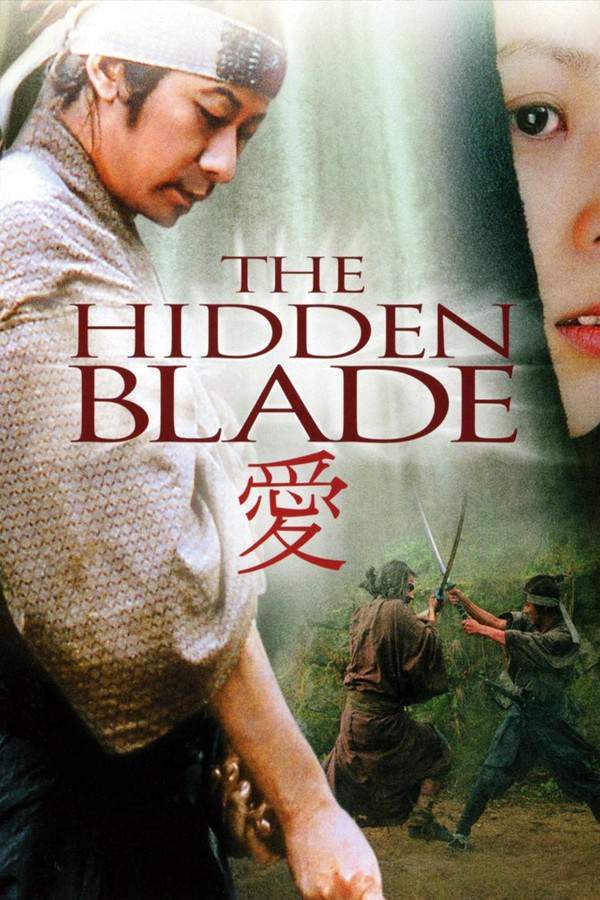
What Is The Sword of Doom About?
The premise of The Sword of Doom in 256 words, with nothing given away. The full story follows below.
In the waning days of the Tokugawa shogunate, Japan teeters on the brink of chaos. The streets of Kyoto and the outlying districts pulse with the restless energy of a society whose old order is crumbling, and every alley seems to whisper of lost honor and new brutality. Amid this turbulence, the world of swordsmen, rōnin, and shadowy enforcers blurs the line between duty and murder, creating a backdrop where violence feels both inevitable and ritualistic.
Ryunosuke Tsukue moves through this fractured landscape as a master swordsman whose skill is matched only by his indifference. He wields his blade not as a tool of protection but as an extension of an amoral will, treating each encounter as a cold exercise in precision. Detached from conventional sentiment, he navigates the precarious balance between personal survival and the relentless demands of the forces that hire him, hinting at a deeper, unsettling connection between his spirit and his steel.
The film’s tone is stark and unforgiving, weaving a meditation on the nature of the sword as a mirror of the soul. As Ryunosuke pursues a path that spirals ever closer to madness, the story explores how the dying era’s desperation can corrupt even the most disciplined warrior. Shadows of past deeds linger, and the quiet moments between clashes hint at an inner unrest that may one day demand reckoning. The atmosphere remains charged with tension, inviting the audience to contemplate whether the blade truly defines its wielder—or if the wielder’s empty heart shapes the very edge of the sword.
What Happens in The Sword of Doom?
The complete story of The Sword of Doom, from the first scene to the last, in 489 words (about 2 minutes). Spoilers throughout. Names in the text link to 1 cast member page.
Spoilers ahead
Ryunosuke Tsukue is an amoral samurai and a master swordsman with an unorthodox style. He is first seen when he kills an elderly Buddhist pilgrim who prays for death, a moment that makes clear he feels no real emotion or empathy. Later, he defeats an opponent in a fencing contest that was meant to be non-lethal, but the match turns into a duel after he coerces his opponent’s wife to sleep with him in exchange for throwing the match and letting her husband win. The other man discovers the affair before the contest and, against that backdrop, receives a notice of divorce as a grim prelude to the clash.
During the match, Ryunosuke commits an illegal lunging attack after the judge proclaims a draw. Yet the better swordsman parries and delivers a single, decisive stroke with his bokken, sending his rival to the ground. He flees town amid the chaos, cutting down many of the vanquished man’s clan members as he escapes. The vanquished opponent’s ex-wife asks to join him on the road, a hollow sign of the life he now leads.
Two years pass, and to survive he joins the Shinsengumi, a semi-official police force made up of rōnin who support the Tokugawa shogunate through murder and assassinations. In every encounter, whether he is killing or at home with his mistress and their baby son, Ryunosuke remains emotionally imperturbable, a man who seems impervious to fear or doubt. Eventually he learns that the younger brother of the man he killed in the fencing match is seeking revenge, and a duel seems inevitable. But two events shake his confidence before any confrontation can occur: a botched assassination attempt brings him face to face with another master swordsman, Shimada Toranosuke, in action, and for the first time he questions whether his own skill is truly unbeatable. The same night, his mistress—oh, the unnamed woman who shares his life—tries to kill him in his sleep, and he kills her in the gardens, the sleeping child inside the house crying out as the violence unfolds.
He returns to the gang of assassins at an oiran house in the Shimabara district of Kyoto. In a quiet, haunted room, he begins to see the ghosts of all the people he has killed. He is haunted by Shimada’s admonition: “The sword is the soul. Study the soul to know the sword. Evil mind, evil sword.” The final blow comes when he realizes that the apprentice oiran sent to entertain him is the granddaughter of the pilgrim he murdered at the film’s beginning.
With this grim realization, Ryunosuke spirals into a frenzy, slashing at the shadows and attacking his fellow assassins as a growing crowd of enemies closes in. He kills dozens of gang members as the flames of the brothel burn around him. Bleeding and driven by rage, he lunges forward one last time, and the film ends with a freeze-frame of him caught mid-sword-slash.
The Sword of Doom Timeline: Every Key Event in Order
14 key events in the order they happen, from “Killing of the elderly pilgrim” to “Final massacre and frozen ending”. 13 events name a place, across 11 locations.
- 1
Killing of the elderly pilgrim
Ryunosuke Tsukue is introduced by murdering an elderly Buddhist pilgrim who prays for death. The act reveals his cold, amoral nature and his lack of empathy for human suffering. This brutal opening establishes the tone for his ruthless path ahead.
- 2
The unholy duel and coercion
During a fencing match intended to be non-lethal, he defeats his opponent but then reveals the affair by coercing the opponent's wife to help him throw the match. The coercion turns the contest into a deadly duel and exposes Ryunosuke's manipulation and cruelty. The crowd remains unaware that honor has given way to domination.
When:during the match Where:town fencing arena
- 3
Rival discovers affair; lethal draw
Upon learning of the affair, the husband vows divorce and confronts Ryunosuke after the match. In a drawn-out escalation, Ryunosuke delivers an illegal lunge and kills the opponent with a single stroke. The kill follows the official draw, underscoring Ryunosuke's disdain for rules.
When:immediately after the match Where:fencing arena
- 4
Flees town and slaughters followers
After the killing, Ryunosuke flees the town, cutting down many of the slain man's clan members who pursue him. The violence marks the start of his long flight and escalating brutality. He disappears into the countryside as enemies close in.
When:immediately after the duel Where:town outskirts
- 5
Two years later: joins Shinsengumi
Two years pass, and to make a living he joins the Shinsengumi, a group of rōnin aligned with the shogunate. He moves through violence with his usual emotional detachment, finding a harsh rhythm to his new life. His skills as a swordsman are reshaped into a tool for a brutal, state-sanctioned milieu.
When:two years after the earlier events Where:Kyoto
- 6
Life with mistress and child; emotional detachment
He remains emotionally blank even at home with his mistress and their baby son. The relationship underscores his inability to connect on a human level, sustained by a life of violence. Everyday moments coexist with the constant undercurrent of lethal work.
When:during Shinsengumi years Where:home with mistress
- 7
Young brother seeks revenge
The younger brother of the man Ryunosuke killed vows revenge and plans to meet him to settle the score. Ryunosuke prepares for a confrontation, his confidence steady but increasingly shadowed by the looming duel. The threat foreshadows a test of his claimed invincibility.
When:early during Shinsengumi period Where:Kyoto
- 8
Botched assassination reveals Toranosuke
During a botched assassination attempt, Ryunosuke sees Shimada Toranosuke in action and for the first time doubts that his skill is unbeatable. That moment unsettles his confidence and foreshadows a turning point in his arc. The encounter challenges the myth of his invincibility.
When:night Where:Kyoto
- 9
Mistress’s murder in the gardens
That same night, his mistress, horrified by his unremitting evil, attempts to kill him; he retaliates by murdering her in the gardens, while their sleeping child cries inside. The act deepens the sense of doom that haunts him. He flees rather than face the consequences of his choices.
When:the same night Where:the gardens
- 10
Return to Shimabara oiran house
After the murder, he returns to the gang of assassins at an oiran house in the Shimabara district of Kyoto. The brothel becomes a field of sinister meetings and rituals, where he confronts his own unsettled state of mind. He moves deeper into a world of ghosts and blood.
When:later that night Where:Shimabara district, Kyoto
Show the other 4 events of The Sword of Doom Hide the last 4 events
- 11
Ghosts and words haunt him
In a quiet room within the brothel, he begins seeing the ghosts of all the people he has killed. Shimada's words echo: the sword is the soul; study the soul to know the sword; evil mind, evil sword. The haunting drives him toward a psychological collapse that blurs reality and memory.
When:after entering the brothel Where:quiet room in the Shimabara brothel
- 12
Revelation: pilgrim’s granddaughter
He discovers that the apprentice oiran is the pilgrim's granddaughter—the very girl he murdered at the film's start. The revelation cracks his remaining defenses and accelerates his downward spiral. The cycle of violence and guilt reaches a concentrated point.
When:revelation moment Where:Shimabara brothel
- 13
Descent into madness and onslaught
Driven by guilt and fury, he slashes at the shadows and then attacks his fellow assassins. The gang’s numbers dwindle as his violence grows unchecked, and the line between foe and kin dissolves. The room fills with chaos and the scent of burning tissue and fear.
When:late night Where:courtesan house, Shimabara
- 14
Final massacre and frozen ending
Bleeding and enraged, he slashes through dozens of his enemies as the courtesan house burns around him. He lunges forward one last time, and the film ends with a freeze-frame of him mid sword slash. The boundary between hunter and haunted man collapses in a moment of final, unresolved fury.
When:final moment Where:burning courtesan house
Who Are the Main Characters in The Sword of Doom?
4 characters, among them Ryunosuke Tsukue (Tatsuya Nakadai), Toranosuke Shimada (Toshiro Mifune) and Hyoma Utsuki (Yūzō Kayama): who each one is and the part they play in the story. Every profile links to the actor’s page.
-
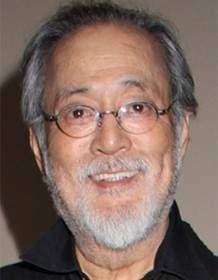
Ryunosuke Tsukue (Tatsuya Nakadai)
Played by Tatsuya Nakadai
An amoral samurai and master swordsman whose unorthodox style and emotional detachment set him on a path of relentless killing. He kills an elderly pilgrim and, later, his opponent's wife to secure a match outcome, prompting a flight from town. His psyche fractures as ghosts and a cruel code of honor push him toward a fateful, doomed end.
- 🗡️ Amoral
- 🧊 Stoic
- 🎯 Ruthless
-
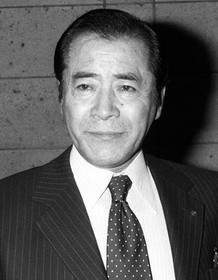
Toranosuke Shimada (Toshiro Mifune)
Played by Toshirô Mifune
A formidable swordsman whose presence introduces doubt about Ryunosuke's claimed unbeatable skill. His actions illuminate the sword's soul and the limits of Ryunosuke's control, serving as the catalyst for the protagonist's crisis. He becomes both a rival and a mirror for Ryunosuke's brutality.
- ⚔️ Rival
- 🧭 Insight
- 🗡️ Master
- HU
Hyoma Utsuki (Yūzō Kayama)
Played by Yûzô Kayama
The younger brother of the man Ryunosuke killed in the fencing match, driven by revenge. He embodies a calm, calculated threat that tests Ryunosuke's sense of invincibility. His pursuit helps precipitate the narrative's moral reckoning and confrontation.
- 🗡️ Vengeance
- 🧊 Determination
- 👁️ Pursuit
- O(
Ohama (Michiyo Aratama)
Played by Michiyo Aratama
Ryunosuke's mistress and mother of his child, who becomes horrified by his unremitting evil. She attempts to kill him in his sleep, marking a pivotal turn where personal relationships give way to fear and desperation. Her fate underscores the personal costs of Ryunosuke's violence.
- 💔 Affair
- 🪪 Fear
- 🔪 Threat
Where and When Is The Sword of Doom Set?
The Sword of Doom is set in Kyoto, Japan and Shimabara district (Mid-19th century, late Edo period). Here is why the time and place matter to the story.
When
Mid-19th century, late Edo period
Set in the final years of the Tokugawa shogunate, the narrative captures a Japan on the brink of upheaval. The era's social order relies on samurai codes and martial prowess, even as law enforcement becomes more brutal and shadowy through groups like the Shinsengumi. The tension of this period fuels Ryunosuke's ruthless rise and ultimate unraveling.
Where
Kyoto, Japan, Shimabara district
The events unfold in Kyoto, Japan during the late Edo period when the Tokugawa shogunate still holds sway. The Shimabara district and its courtesan houses anchor the film's atmosphere of martial honor, violence, and moral ambiguity. Kyoto provides the backdrop where ronin, the Shinsengumi, and rival clans clash amid ritualized brutality.
- 🏯 Historic city
- 🗺️ Edo period setting
- 🗡️ Samurai culture
What Are the Themes of The Sword of Doom?
4 ideas the story keeps returning to, among them Sword and Soul, Moral Descent and Haunting Ghosts.
-
01
Sword and Soul
The sword is treated as an extension of the self, where mastery in combat mirrors the state of the wielder's spirit. Ryunosuke's unorthodox skill and emotional detachment reveal a dangerous disconnect between prowess and ethics. The line between identity and violence drives the story toward a catastrophic finale.
-
02
Moral Descent
Ryunosuke's merciless killings, manipulation, and refusal to feel remorse expose a life detached from conventional morality. The lure of speed and domination leads him to betray friends and lovers alike. The narrative probes whether skill justifies cruelty when no humanity remains.
-
03
Haunting Ghosts
After violent acts, Ryunosuke is haunted by the ghosts of those he killed, confronting him in visions and in a haunted room. The spirits symbolize guilt and the inescapable consequences of a life devoted to killing. Ghostly apparitions push him toward a breakdown as he nears his climactic collapse.
-
04
Descent and Fire
The pursuit of power culminates in a fiery, chaotic breakdown within a burning courtesan house. As his surroundings burn, Ryunosuke's fury intensifies, trapping him in a spiral of violence. The climax underscores how unchecked aggression consumes both the perpetrator and those around him.
What Kind of Film Is The Sword of Doom?
Dark in tone, with steady pacing and a moderate story, going by the plot summary.
- Tone
- Dark
- Pacing
- Steady
- Story
- Moderate
- Intensity
- High
- Ending
- Bleak
A relentlessly grim and nihilistic descent into the psyche of a remorseless swordsman, creating an atmosphere of oppressive brutality and haunting tension that reflects a dying era's turmoil.
- nihilistic
- oppressive
- grim
- tense
- haunted
- brutal
- nihilism
- revenge
- samurai code
- moral decay
Content notes: graphic violence, assassination, murder, sexual transgression, psychological breakdown.
Quiz
How well do you remember The Sword of Doom? Test yourself on the story.