
Sword In The Moon 2003

Directed by

Kim Eui-suk
Made by

IM Pictures
Sword In The Moon Plot Summary
Read the complete plot summary and ending explained for Sword In The Moon (2003). From turning points to emotional moments, uncover what really happened and why it matters.
The film opens with an assassination attempt on the Joseon king during a grand reception, a plot that is almost thwarted by a special security squad led by Gyu-yup. The event triggers a string of high‑profile political deaths, sending the kingdom into a tense nighttime skirmish where one member of an apparent assassin duo—a woman—falls into custody. Gyu-yup recognizes the captive, and as she refuses to reveal information, she endures brutal interrogation. This sequence sets up a sharp pivot: a flashback that takes us back to Gyu-yup’s past.
Shortly after the Japanese invasions of Korea in the middle Joseon period, a unit of elite soldiers is forged from students of the Clear Wind Shining Moon sword school, created to secure peace and protect the realm. At the center of this unit are two exemplary swordsmen, Ji-hwan [Choi Min-soo] and Gyu-yup [Bae Joong-sik], whose bond is unbreakable and whose skills define the training ground. Yet a political coup—often called a rebellion—threatens everything they have built. Gyu-yup is pressed into an impossible choice: he must kill his fencing master, and he must also confront Ji-hwan, who is entangled with Shi-yeong, the daughter of the fencing master and a skilled warrior in her own right. The burden is crushing, and the cost is mortal. In the midst of this upheaval, a harsh truth emerges: a line is crossed, and loyalty fractures.
During the upheaval, Gyu-yup is forced into brutal acts that devastate his inner world. He beheads his master, slays his best friend, and even confronts his best friend’s lover—an unnamed moral abyss that stains him forever. The rebellion also forces him to lead his troops against members of the very training school that shaped them, raising a chilling protest from within: “we have killed the brothers with whom we shed blood.” This brutal cascade crystallizes a lingering ache: a man who has lost a essential part of himself.
The narrative then returns to the present, five years after those fateful events. Gyu-yup has become a cold and dreaded commander, nicknamed “the human butcher.” A sword bearing the seal of his old unit surfaces during a night battle, suggesting that Ji-hwan may still be alive and active, not dead as Gyu-yup had believed. The current king—an usurper who navigates a treacherous landscape of betrayal and cover‑ups—begins to unravel, ordering assassinations of key commanders to hide his tracks. The king schemes to draw Ji-hwan and Shi-yeong out into the open, planning an expedition that could decide the fate of the rebellion once and for all.
As Ji-hwan and Shi-yeong become aware of the royal plot, they maneuver to avoid capture while contemplating a risky gambit. The expedition unfolds, and Ji-hwan nearly downs the king, only to be momentarily distracted by the death of Shi-yeong at the hands of the king’s elite guard. The moment is devastating, and it tests everyone involved. In a decisive turn, Gyu-yup, moved by past loyalties and the memory of Shi-yeong and Ji-hwan, steps into the fray to save his once‑friend. He pleads for a chance at freedom, a vow that had bound him during the rebellion years earlier, and when the king’s response remains silent, the two former allies confront the encircling troops side by side. What follows is a breathless, cataclysmic clash in which old bonds are revived only to be tested once more.
The film concludes with a powerful freeze-frame: the two men—once rivals, now united in their resistance—fight shoulder to shoulder against the usurper king’s troops. The reunion is tinged with sorrow and clarity, a testament to the brutal cost of loyalty, duty, and friendship. Through its sweeping flashbacks and intense present-day confrontations, the story remains focused on the core relationships that define the saga—the bond between Ji-hwan and Gyu-yup, the memory of Shi-yeong, and the unyielding pressure of a kingdom unwilling to forgive betrayal.
The tale is a grim meditation on sacrifice and memory, where past loyalties collide with the demands of the present, and where two once‑brotherly swordsmen must choose between the promises they’ve made and the lives they’re willing to fight for now. The balance between honour and survival threads through every battle, every interrogation, and every quiet moment of reflection that follows a victory hard won and a friendship tested beyond endurance.
Sword In The Moon Timeline
Follow the complete movie timeline of Sword In The Moon (2003) with every major event in chronological order. Great for understanding complex plots and story progression.
Assassination attempt foiled at the king's reception
The film opens with an assassination attempt on the Joseon king during a reception. A special security squad led by Gyu-yup foils the plot. In the aftermath, a string of prominent politicians dies under suspicious circumstances, setting off a tense night-time clash.
Night battle and capture of the female assassin
During a nighttime clash, one female assassin from the duo is captured. Gyu-yup recognizes her as Shi-young and prepares to interrogate her later. The capture marks the first revelation of Shi-young's identity.
Prison torture and Shi-young's refusal
Shi-young is tortured in prison while Gyu-yup oversees the interrogation. She refuses to divulge information, deepening Gyu-yup's resolve. The scene leads into the flashback to his past.
Formation of the elite unit after the invasions
In the flashback, after the Japanese invasions, an elite unit is formed from students of the Clear Wind Shining Moon sword school to safeguard the country. Ji-hwan and Gyu-yup are its two best swordsmen and close friends.
Rebellion forces Gyu-yup to sacrifice master and Ji-hwan
Political intrigue forces Gyu-yup into a brutal choice: to sacrifice his fencing master and his best friend Ji-hwan. He beheads his master and, under orders, is responsible for Ji-hwan's death, while Shi-young remains connected to Ji-hwan.
Killing of the brothers and fracturing loyalties
In the turmoil, the elite unit is turned against its own, with Gyu-yup leading troops to confront fellow students and crush the rebellion. The line 'we have killed the brothers with whom we shed blood' underscores the personal cost of politics and power.
Five years later: Gyu-yup earns the nickname 'the human butcher'
The narrative returns to the present, five years after the flashback. Gyu-yup is a cold and cruel commander nicknamed 'the human butcher.' A sword bearing the seal of his old unit hints that Ji-hwan might still be alive, challenging the belief of his death.
Ji-hwan's survival hinted by the sealed sword
A sword bearing the seal of Gyu-yup's old unit suggests Ji-hwan is alive, challenging his presumed death. The discovery hints at a potential reunion of the two former friends. It sets up tensions with the usurper king.
The usurper king's conspiracy grows
The king, now in power, begins to cover up his tracks and betrays a commander by ordering assassination. He then plans an excursion designed to draw Ji-hwan and Shi-young out of hiding.
The planned excursion to lure Ji-hwan and Shi-young
An expedition is organized to force Ji-hwan and Shi-young into the open where they can be killed. Ji-hwan and Shi-young become aware of the ploy and prepare to confront it. The king's move signals a direct challenge to the pair.
Shi-young dies and Ji-hwan is wounded
During the excursion, Shi-young is slain by the king's elite bodyguard, while Ji-hwan is stabbed with a hidden dagger. The king looks on as Ji-hwan continues to fight against the surrounding troops. The personal loss sharpens the resolve of the surviving friends.
Gyu-yup rescues Ji-hwan
Moved by memory and their shared history, Gyu-yup abandons his stoic resolve to join the battle and rescue Ji-hwan. He recalls his pledge to the king during the rebellion, which the king interprets as a binding vow. Together, they turn the tide against the remaining troops.
The final stand: old friends united against the usurper
Gyu-yup and Ji-hwan stand together in the fray, their bond rekindled as they confront the usurper king's troops. The two old friends fight in unison, refusing to yield. The scene ends on a freeze-frame, suggesting the battle continues beyond the film's end.
Sword In The Moon Characters
Explore all characters from Sword In The Moon (2003). Get detailed profiles with their roles, arcs, and key relationships explained.
Gyu-yup
Leader of the elite security squad, known as the 'human butcher' for his ruthless strategies. His past is haunted by having to kill his fencing master and Ji-hwan, and he wrestles with the costs of war and loyalty.
Ji-hwan (Choi Ji-hwan)
One of the two best swordsmen, Ji-hwan is a loyal friend of Gyu-yup. Believed to be dead, he returns to confront the usurper king and the betrayal that fractured their bond.
Shi-young (Shi-yeong)
Daughter of the fencing master and a skilled warrior, she is connected to both Ji-hwan and Gyu-yup. Her involvement in the past events triggers the conflict that drives the rebellion.
Yun Gyu-yeop
A political figure whose actions ignite the coup and the king's crackdown. His involvement complicates loyalties and accelerates the annihilation of old bonds.
His Majesty (The King)
The usurper king whose orders drive the assassination attempts and the broader conflict. He embodies political ambition and the means by which power corrupts allies and friends alike.
Sword In The Moon Settings
Learn where and when Sword In The Moon (2003) takes place. Explore the film’s settings, era, and how they shape the narrative.
Time period
Late 16th century (Imjin War era)
Set during the Imjin War and its aftermath, Joseon Korea endures invasions and power struggles. The narrative moves from a brutal past where a fencing master is killed to a present five years later when former allies confront their ordeals. The period is marked by coups, assassinations, and a fragile balance between loyalty and survival.
Location
Joseon Dynasty, Korea
The story unfolds around the royal court of Joseon Korea and the Clear Wind Shining Moon sword school that trains the elite guards. The setting blends court intrigue with martial arenas where swords and loyalties are tested. The era is one of upheaval, with a rebellion and political machinations shaping the fate of the realm.
Sword In The Moon Themes
Discover the main themes in Sword In The Moon (2003). Analyze the deeper meanings, emotional layers, and social commentary behind the film.
🗡️
Betrayal
Betrayal threads through the story as former allies are torn apart by a rebellion. Gyu-yup is forced to betray his master and Ji-hwan to save his troops, leading to lasting guilt. Trust is scarce, and loyalties shift under pressure of political ambition.
🤝
Friendship
Two best swordsmen, once inseparable, are driven apart by duty and deception. The film probes whether friendship can endure brutal tests: be it combat, duty, or a deadly ruse. In the end, the memory of camaraderie fuels a renewed fight for each other.
⚖️
Duty vs Morality
Characters grapple with competing obligations: to king, to comrades, and to personal conscience. The rebel king enforces harsh orders, while the protagonists must decide whether to follow orders or protect their own sense of justice. The climax pits obligation against the cost to humanity.

Coming soon on iOS and Android
The Plot Explained Mobile App
From blockbusters to hidden gems — dive into movie stories anytime, anywhere. Save your favorites, discover plots faster, and never miss a twist again.
Sign up to be the first to know when we launch. Your email stays private — always.
Explore the mobile appSword In The Moon Spoiler-Free Summary
Discover the spoiler-free summary of Sword In The Moon (2003). Get a concise overview without any spoilers.
In the waning days of the Joseon Kingdom, a shadow hangs over the palace and its surrounding villages. A usurper has seized the throne, unsettling the delicate balance of power and casting a pall of fear across the land. Whispered rumors speak of a mysterious assassin moving through the night, eliminating those who might challenge the new ruler’s authority. The atmosphere is a blend of austere court intrigue and the raw, unyielding edge of ancient Korean martial tradition, where every rustle of silk or clink of steel hints at deeper unrest.
Gyu‑yup is a master swordsman whose reputation for skill is matched only by his arrogance. Once celebrated for his flawless technique, he now carries the weight of a kingdom’s desperate hope. When the monarch’s court summons him, he is tasked with confronting the unseen assassin and halting the reign of terror that threatens to plunge the realm into chaos. His formidable talent and fierce pride make him both a daunting adversary and an uneasy ally in a world where honor is as sharp as his blade.
The mysterious killer, cloaked in secrecy, adds an unsettling undercurrent to the already volatile climate. Their presence forces the kingdom’s elite to confront not just external danger, but the lingering doubts and loyalties that linger among its warriors. The tone remains grim yet poetic, a stark meditation on duty and the cost of power, underscored by the ever‑present clash of steel against steel.
Amidst this turmoil, lingering bonds hint at deeper stories—friendships forged in the crucible of war, and a lingering memory of a fierce female warrior whose spirit still echoes in the corridors of the palace. These relationships shape the stakes, suggesting that the path to restoring order will be paved with difficult choices, unspoken promises, and the relentless echo of swords striking in the moonlit night.
Movies with Similar Twists and Themes
Uncover films that echo the narrative beats, emotional arcs, or dramatic twists of the one you're exploring. These recommendations are handpicked based on story depth, thematic resonance, and spoiler-worthy moments — perfect for fans who crave more of the same intrigue.
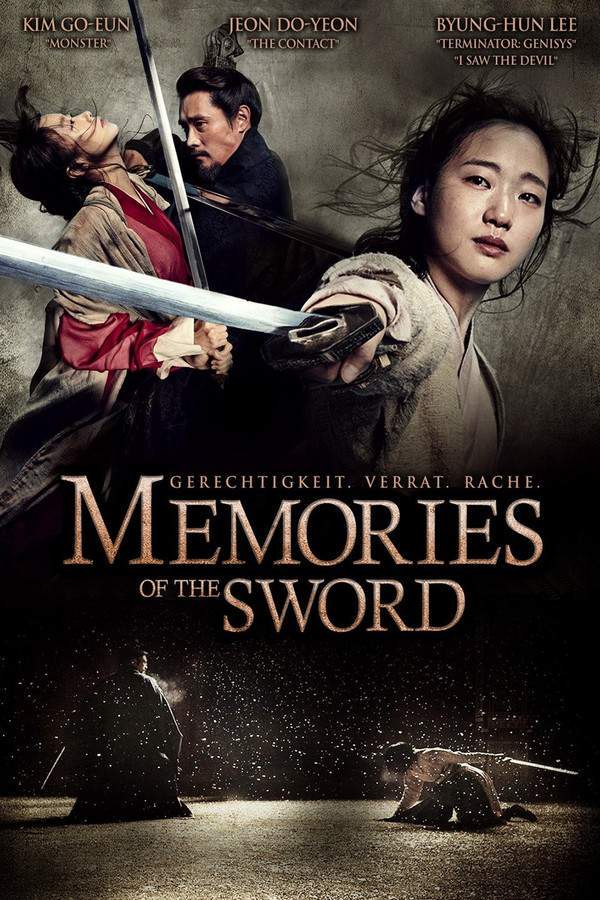
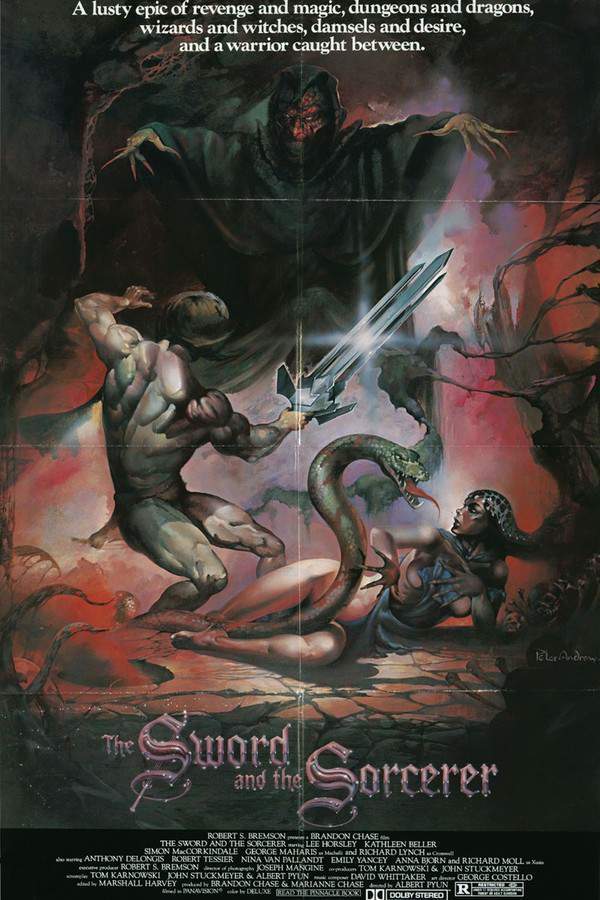


Featured on this page

What's After the Movie?
Not sure whether to stay after the credits? Find out!
Check out our other apps:

SAT Sphere
Build confidence for the Digital SAT.

Mori Atlas
Discover wild places worth protecting.

Luntero
Search smarter for a home in Amsterdam.

Plot Explained
Unravel movie endings and hidden clues.

Pokechamp
Dive into Pokémon data and battle logic.

Driving Theory
Get ready for your European theory test.

Movie Dust
Plan your next cinema trip with ease.

Musemap
Find art and culture as you travel.

Selkobase
Compare credentials before committing.

Local Manual
Turn an unfamiliar country into practical next steps.

Lernavi
Compare school systems before your next move.

GymRoam
Find a workout stop wherever your plans take you.
Explore Our Movie Platform
New Movie Releases (2026)
Famous Movie Actors
Top Film Production Studios
Movie Plot Summaries & Endings
Major Movie Awards & Winners
Best Concert Films & Music Documentaries
Movie Collections and Curated Lists
© 2026 What's After the Movie. All rights reserved.
Privacy Policy