What Is Chevalier About?
The premise of Chevalier in 270 words, with nothing given away. The full story and the ending follow below.
In the glittering yet precarious world of late‑18th‑century France, the opulent salons of Paris and the dazzling courts of Versailles pulse with music, ambition, and the silent weight of hierarchy. A society built on rigid class and racial lines thrives on spectacle, where a single virtuoso performance can both elevate and expose the fragile structures that hold it together. The film paints this era with sumptuous visuals and a score that swells between baroque elegance and the restless energy of a continent on the brink of upheaval.
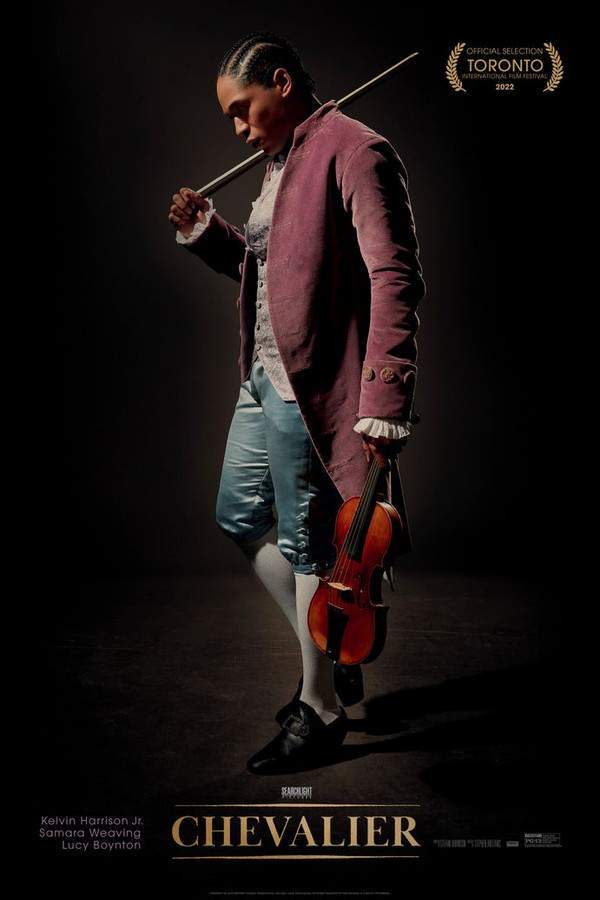
Joseph Bologne arrives from the distant colony of Guadeloupe, the son of a French plantation owner and an enslaved woman of African descent. Gifted in violin, composition, dance, and fencing, he quickly earns the attention of the royal circle, drawing both admiration and scrutiny. When the celebrated composer Wolfgang Amadeus Mozart visits Paris, their unexpected musical dialogue hints at a partnership that could redefine artistry in the capital. At the same time, the young Chevalier finds himself courted by the enigmatic Marie Antoinette, whose fascination with his talent offers a doorway into the highest echelons of power.
The tone balances luminous grandeur with an undercurrent of tension, as Joseph navigates the contradictions of being both a celebrated artist and an outsider in a world that prizes lineage above all. Relationships with fellow performers, patrons, and potential lovers swirl around him, each interaction a delicate dance of respect, desire, and unspoken expectation. Amid the swirling waltzes and strategic glances, the film invites the audience to wonder how far one man’s brilliance can shine before the very lights that illuminate him begin to cast shadows.
What Happens in Chevalier?
The complete story of Chevalier, from the first scene to the last, in 848 words (about 4 minutes). Spoilers throughout. Names in the text link to 7 cast member pages.
Spoilers ahead
In the late 1770s, Paris plays host to a remarkable artistic meeting when the celebrated composer Wolfgang Amadeus Mozart visits the city. During a staged performance, a bold figure steps forward: Joseph de Saint-Georges Kelvin Harrison Jr., who asks to accompany Mozart for Violin Concerto No. 5. At first, the crowd and even Mozart himself underestimate this Black French violinist, dancer, and budding composer. Yet as Saint-Georges takes the stage, his exacting technique, fearless precision, and magnetic presence transform doubt into awe. The two musicians push each other to new heights as they trade and fuse cadenzas in a display of technical virtuosity, culminating in a triumphant collaboration that seizes the audience’s imagination and redefines what a performance can be.
Biographically, Saint-Georges’s life begins far from the glittering salons of Paris. He is born in Guadeloupe to Georges de Bologne Jim High, a white French slaveowner, and Nanon Ronke Adekoluejo, an enslaved woman of African descent. From a young age he shows extraordinary gifts in music, dancing, and fencing, and his father sends him to a boarding school in Paris where he endures harassment, mistreatment, and persistent prejudice from white peers and teachers. Despite these hurdles, he excels academically and artistically, becoming a prodigy whose talents promise a new kind of prestige in a society built on rigid hierarchies. His prowess soon catches the eye of Marie Antoinette Lucy Boynton, who is both charmed by his skill and impressed by his carriage, and she grants him the title of Chevalier de Saint-Georges, a recognition that elevates him into the royal court.
Within the opulent yet fraught world of Versailles and the Parisian salons, Saint-Georges grows into more than a performer. He becomes a favored companion of the Queen and attracts a chorus of admirers, including the captivating Marie-Joséphine Samara Weaving, who is drawn to his brilliance and presence. Yet his ascent does not go unchallenged. He enters a tense alliance with Stéphanie Félicité, comtesse de Genlis, who sees in his artistry a conduit to produce an opera that could demonstrate his talent to the world; Madame De Genlis Sian Clifford is a catalytic force in this collaboration. Marie-Joséphine agrees to be the lead singer of Saint-Georges’s opera despite her husband’s, Marc-René de Montalembert Marton Csokas, consternation and resistance. The politics of the court—fueled by race, gender, and class—complicate every decision, and Saint-Georges finds himself navigating a treacherous path between artistic integrity and the demands of a white-dominated aristocracy.
The personal becomes political when tragedy strikes. After Saint-Georges’s father dies, his mother is freed from enslavement, and he uses his influence to bring her to Paris. Yet as he becomes more visible, his relationship with his mother grows complicated; he begins to feel that she expects him to conform to a social script that demands he hide parts of himself to fit in. This tension deepens as the city and the court wrestle with what it means for a Black man to claim space within a culture built on exclusion. Saint-Georges alternates between defiance and longing for acceptance, and his evolving sense of identity marks him with a powerful, sometimes painful, honesty about who he is and what he represents to others.
As the French Revolution begins to reshape the political landscape, Saint-Georges channels the upheaval into music. He organizes a fundraising concert that aims to support the anti-royalist cause, using the concert as a platform not just for artistry but for social critique. The Queen and Marie-Joséphine each approach him in an effort to restore their influence or to sway him back into their orbit, yet Saint-Georges stands firm. He is warned that his status as Chevalier could be jeopardized, yet he proceeds with the performance, boldly appearing without the powdered wig that once masked his natural hair. The moment becomes a referendum on autonomy and dignity as the audience themselves push back against the authorities trying to suppress him, and Marc-René is forced to yield.
In a moving arc of triumph tempered by consequence, the narrative follows Saint-Georges as he walks away from the court’s pressures and toward a more authentic expression of his self, even as the social tides shift around him. The story closes with a sobering epilogue that anchors his legacy in a larger historical frame: in 1802, Napoleon forbids Chevalier’s music productions and, in a separate, brutal policy shift, re-instates slavery in French colonies. The film’s arc thus threads a throughline from dazzling artistic achievement to the enduring struggle for dignity within a society plagued by inequality.
Overall, the film is a meticulous portrait of a remarkable artist who navigates a life of illumination and obstacle in a world where power, art, and identity collide. Its historical resonances—racial prejudice, imperial politics, and the perpetual tension between personal truth and social expectation—are rendered with a measured, neutral lens that honors the sources while exploring the human drama at its core. The result is a rich, deeply felt narrative that invites audiences to reconsider a familiar period through the lens of a singular, extraordinary musician who refused to be reduced by the boundaries around him.
Chevalier Timeline: Every Key Event in Order
15 key events in the order they happen, from “Birth in Guadeloupe” to “Mozart in Paris; Joseph accompanies Violin Concerto No. 5”. 15 events name a place, across 3 locations.
- 1
Birth in Guadeloupe
Joseph Bologne de Saint-Georges is born on Georges de Bologne's plantation in Guadeloupe. He is the son of Georges and Nanon, a young enslaved woman. The birth sets the stage for his later life as a celebrated musician navigating a white-dominated society.
Where:Guadeloupe
- 2
Taken to Paris for boarding school
As a child, he is taken to a boarding school in Paris after his father recognizes his musical, dancing, and fencing talents. He endures harassment and mistreatment from white peers and teachers, yet he excels in violin playing and composition. The Paris upbringing introduces him to the social climate he must navigate as a Black artist.
Where:Paris
- 3
Marie Antoinette impressed at the fencing contest; Chevalier title
At the royal court, Marie Antoinette is impressed after seeing his fencing prowess. She grants him the title Chevalier de Saint-Georges, elevating his status at court. This recognition foreshadows his later influence and the temptations of royal favor.
Where:Paris
- 4
Favored at court; romance with Marie-Joséphine
Saint-Georges becomes a favored companion of the Queen and a popular presence at court. He attracts many female suitors, notably Marie-Madeleine Guimard, but he falls in love with Marie-Joséphine. The romance deepens his ties to the royal circle while complicating his public image.
Where:Paris
- 5
Aspiration to direct Paris Opera; Gluck rivalry
He aspires to become director of the Paris Opera, but the committee backs a rival, Christoph Willibald Gluck. The setback highlights the barriers white institutions place before a Black artist. He proposes proving his talent through bold, high-profile projects.
Where:Paris
- 6
Genlis opera project; Marie-Joséphine leads; affair begins
Saint-Georges seeks support from Stéphanie Félicité, comtesse de Genlis, who agrees to stage an opera he has written to demonstrate his talent. Marie-Joséphine agrees to be the lead singer, even though her husband refuses to allow it. They begin an affair that intensifies his connection to the circle around the court.
Where:Paris
- 7
Mother freed; resentment grows; ambivalence toward Paris life
After his father's death, his mother is freed from enslavement, and he pays to bring her to Paris. He grows to resent her, feeling she pressures him to suppress his true self to fit white society. He also becomes ambivalent about the growing social discontent and the large Black population in Paris.
Where:Paris
- 8
Queen's defiance and the blocking of his career
Marie Antoinette tells him that the committee will never choose a Black performer. She refuses to defend him, choosing to preserve her standing among the nobility. This rejection hardens his resolve to pursue independence.
Where:Paris
- 9
Gluck's debut; Gluck insult; beating
Saint-Georges attends Gluck's debut, drinks heavily, and publicly insults Gluck, Guimard, and the Queen. Marc-René has him restrained and beaten for dishonoring his wife. The humiliation deepens his estrangement from the court.
Where:Paris
- 10
Birth of mixed-race child and its death; ostracism
Months later, Marie-Joséphine gives birth to a mixed-race child, who is killed on her husband's orders. This act deepens Saint-Georges's ostracism from high society. He chooses to seek solace by returning to his mother and embracing his heritage.
Where:Paris
Show the other 5 events of Chevalier Hide the last 5 events
- 11
Revolution begins; fundraiser concert planned
With the Revolution underway, he organizes a concert to raise funds for the anti-royalist cause. Marie Joséphine and Marie Antoinette visit him separately seeking reconciliation, but he rejects their approaches. His performance symbolically aligns him with revolutionary ideals and artistic independence.
Where:Paris
- 12
Queen and Joséphine try to win him back; he refuses
Marie-Antoinette and Marie Joséphine visit separately seeking reconciliation, but he refuses to return to their orbit. The rift solidifies his break from royal favor and his pursuit of artistic independence.
Where:Paris
- 13
Concert confrontation; he walks out amid protests
During the concert, he performs with his hair unpowdered, openly embracing his heritage. He is nearly arrested by Marc-René, but the audience rises to defend him and refuses the order to stop. He exits to the sound of protestors.
Where:Paris
- 14
Epilogue: Napoleon's 1802 policy and slavery restoration
The textual epilogue notes that in 1802 Napoleon prohibited Chevalier's music productions and reinstated slavery in French colonies. The film uses this to contextualize Saint-Georges's legacy within the larger history of France. The ending places his career against the ongoing oppression embedded in power structures.
When:1802 Where:France
- 15
Mozart in Paris; Joseph accompanies Violin Concerto No. 5
Late in the 1770s, Mozart visits Paris and invites Joseph to accompany his performance of Violin Concerto No. 5. The audience initially underestimates Joseph, but his playing silences the critics. The two musicians then duel with battling cadenzas, ending in a triumphant display for Joseph.
When:late 1770s Where:Paris
Who Are the Main Characters in Chevalier?
8 characters, among them Joseph Bologne (Kelvin Harrison Jr.), Marie-Joséphine Saint-Georges (Samara Weaving) and Marie Antoinette (Lucy Boynton): who each one is and the part they play in the story. Every profile links to the actor’s page.
-

Joseph Bologne (Kelvin Harrison Jr.)
Played by Kelvin Harrison Jr.
A prodigiously gifted violinist, composer, dancer, and fencer who rises from a Guadeloupe-born background to the Paris court. He endures constant harassment from white peers and teachers but channels his talent into a powerful, uncompromising artistic voice. His journey centers on balancing public triumph with private reconciliation to his heritage.
- 🎼 Talent
- 🌍 Identity
- ⚖️ Racism
-

Marie-Joséphine Saint-Georges (Samara Weaving)
Played by Samara Weaving
A leading soprano who becomes involved with Saint-Georges as the project of an opera unfolds. She navigates the constraints of marriage and courtly life while pursuing artistic opportunity, and she becomes entangled in a dangerous, intimate bond with the composer. Her choices illuminate the costs of ambition within the aristocratic world.
- 🎭 Performer
- 💔 Affair
- 👑 Status
-

Marie Antoinette (Lucy Boynton)
Played by Lucy Boynton
The Queen who first admires Saint-Georges after a fencing victory and grants him prestige, yet ultimately embodies the limits of patronage within a rigid court. She wields power to influence careers but cannot fully shield him from the social tide that marginalizes him. Her role exposes the fragility of privilege when faced with change.
- 👑 Royalty
- 🕊️ Patronage
- 🗣️ Power
-

Nanon (Ronke Adekoluejo)
Played by Ronke Adekoluejo
Saint-Georges’s mother, a formerly enslaved woman who is freed after the father’s death and joins him in Paris. She represents memory, resilience, and the pull of heritage while watching her son navigate a world that simultaneously prizes and threats his brilliance. Her presence grounds the film’s exploration of freedom and identity.
- 🌿 Motherhood
- 🕊️ Freedom
- 🧵 Slavery
-

Madame De Genlis (Sian Clifford)
Played by Sian Clifford
A noble patron who helps to stage an opera to showcase Saint-Georges’s talent. She maneuver through social and political currents to expand opportunities for him, illustrating how patronage can be both enabling and entangled with power. Her involvement highlights gendered dynamics in cultural advancement.
- 🎭 Patronage
- 🎼 Opera
- 🧭 Influence
-
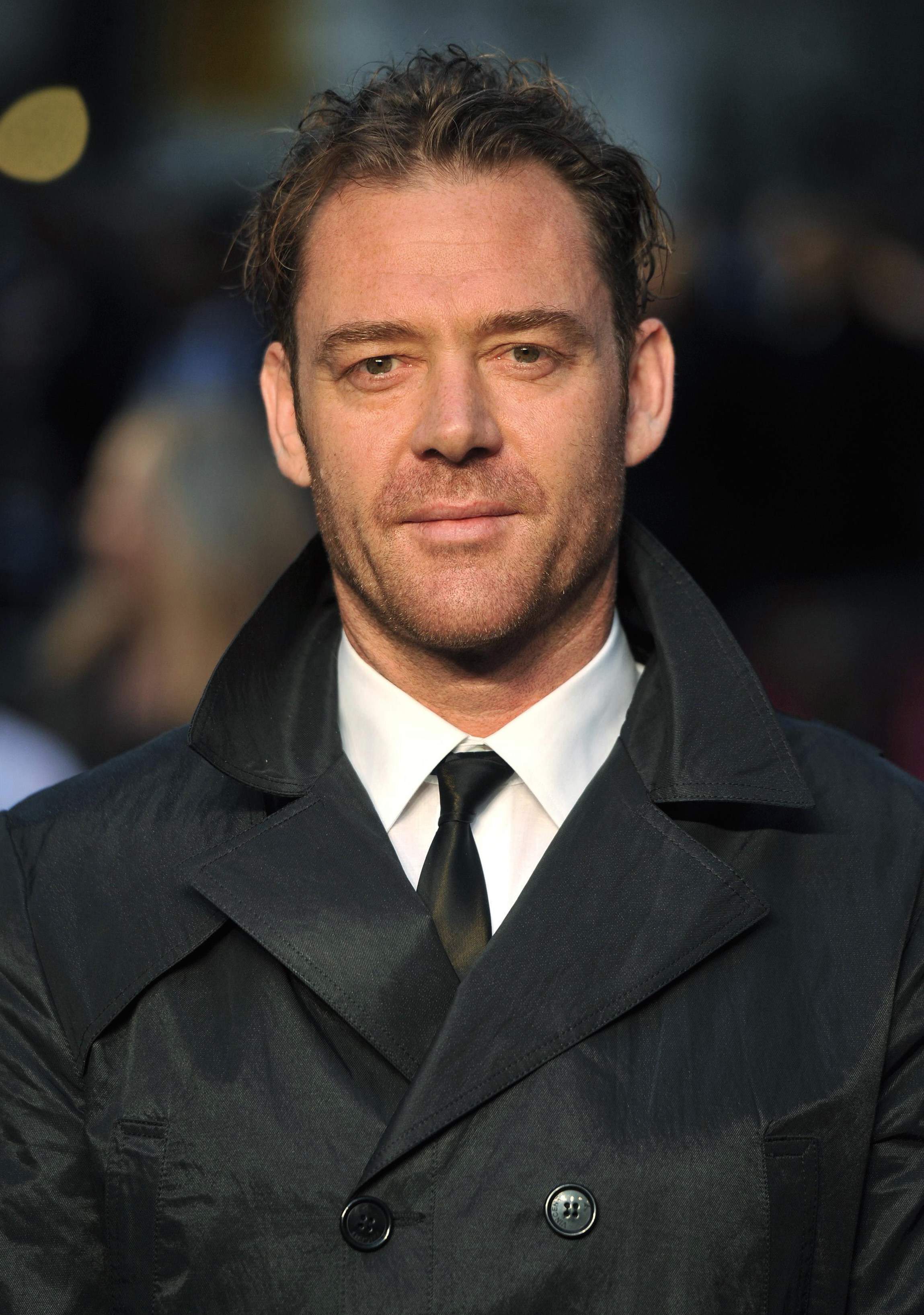
Marquis De Montalembert (Marton Csokas)
Played by Marton Csokas
Marie-Joséphine’s husband, a controlling aristocrat who blocks her performance and uses authority to police behavior. He embodies the oppressive social order Saint-Georges confronts and becomes a source of conflict that drives the tragedy and resistance within the court. His actions catalyze key turning points in the narrative.
- ⚔️ Control
- 💔 Jealousy
- 🧭 Authority
-

George Bologne (Jim High)
Played by Jim High
Joseph’s white plantation-owner father who represents the colonial power structure. He recognizes his son’s talent and facilitates his path to Paris, while his death alters the family dynamic and the social landscape. His legacy underpins the film’s meditation on race, lineage, and power.
- 🌴 Wealth
- 🧭 Power
- 🗡️ Oppression
-
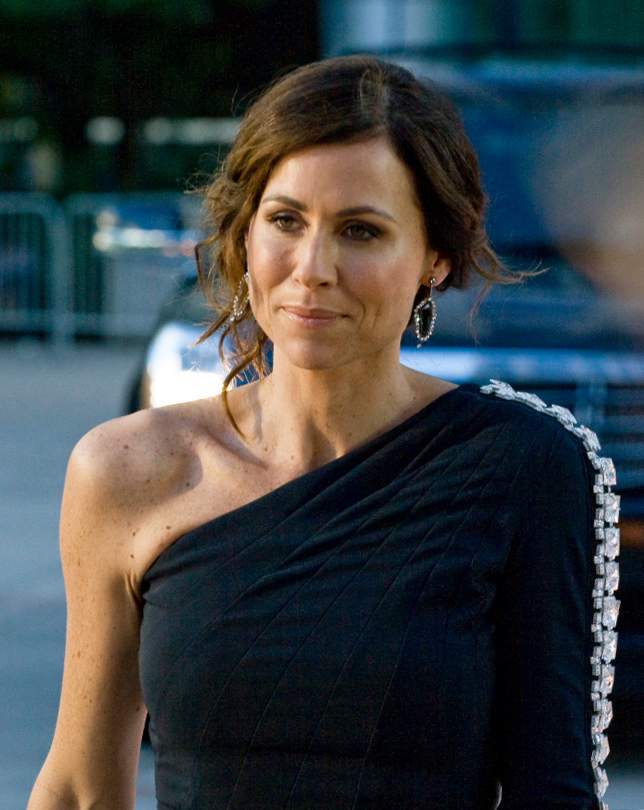
La Guimard (Minnie Driver)
Played by Minnie Driver
Marie-Madeleine Guimard, a prominent dancer and court social figure who embodies salon culture and influence. She navigates the currents of fashion, art, and status, shaping how Saint-Georges is perceived in aristocratic circles. Her presence reveals how social networks shape artistic opportunity.
- 💃 Socialite
- 🎨 Patronage
- 🗣️ Influence
Where and When Is Chevalier Set?
Chevalier is set in Paris and Guadeloupe (Late 1770s). Here is why the time and place matter to the story.
When
Late 1770s
The story unfolds in the late 1770s France, a society ripe with court ceremony, artistic ambition, and growing social tensions. It chronicles the pre-revolutionary atmosphere where race and privilege shape access to power. The epilogue situates the era in 1802, noting Napoleon’s policies that affect music and slavery and signaling the longer arc of change beyond the film’s immediate events.
Where
Paris, Guadeloupe
The action centers on Paris, with the royal court and the Paris Opera as key settings. Flashbacks reveal Joseph Bologne’s origins on a Guadeloupe plantation, framing his rise from colonial roots to courtly acclaim. The city’s salons, theatres, and aristocratic corridors serve as the arena where talent confronts race, class, and ambition in the late 1770s.
- 🗺️ Paris
- 🏝️ Guadeloupe
- 🕰️ 18th Century
- 🎶 Arts & Court
What Are the Themes of Chevalier?
4 ideas the story keeps returning to, among them Racial Identity, Art Power and Revolution.
-
01
Racial Identity
Joseph Bologne navigates a world that admires his talent while constraining his social acceptance because of his race. The narrative traces his dual heritage—Caribbean roots and Parisian upbringing—and how it informs his sense of self and belonging. Race becomes both a source of conflict and a catalyst for his artistic resolve.
-
02
Art Power
Music and performance become vehicles for challenging the status quo. Saint-Georges uses composition and virtuosity to demand recognition beyond color and class, provoking resistance from conservative factions. The arts are depicted as a political force capable of reshaping social power structures.
-
03
Revolution
Discontent accelerates the push for change, placing Saint-Georges at the intersection of culture and political upheaval. He stages a concert linked to anti-royalist causes, testing the limits of safety and fame within an authoritarian system. The narrative ties personal courage to collective transformation ahead of the revolution.
-
04
Heritage
Family lineage and personal history anchor the drama, especially through Nanon and the revelation of Saint-Georges’s lineage. The story probes how ancestry, motherhood, and memory shape identity and choices under pressure from a rigid society. Embracing heritage becomes a form of resistance to a world that seeks to erase it.
How Does Chevalier End?
The last act of Chevalier and what it means, in 198 words. The ending lands as bittersweet. Big spoilers: read the plot summary first if you have not seen it.
The final act, in full
At the end of Chevalier, Joseph Bologne’s journey culminates in a powerful act of defiance against the societal constraints of his time. After enduring racial discrimination, unfulfilled ambitions, and heartbreak, Joseph finally rejects the privileges of the French nobility that had once offered him fleeting opportunities. When the revolution reaches a boiling point, he removes his wig—symbolic of his rejection of the aristocratic status—that he used to help elevate himself in society. As his opera begins, the Marquis de Montalembert shows up intending to shoot him, furious at Joseph’s defiance and the growing unrest in France. However, Joseph is undeterred; he stands fearless in front of the gun, choosing to face death rather than submit to the oppressive social order. The crowd, understanding his courage and message, rises to support him, protecting his right to speak his truth. The film ends as Joseph signals the orchestra to continue playing and walks out into the chaos of the revolution, embodying ultimate resistance and the pursuit of authenticity, leaving a legacy of resilience and rebellion. This ending emphasizes that art and integrity can be acts of rebellion, and that true power lies in staying true to oneself despite systemic oppression.
What Kind of Film Is Chevalier?
Bittersweet in tone, with steady pacing and a moderate story, going by the plot summary.
- Tone
- Bittersweet
- Pacing
- Steady
- Story
- Moderate
- Intensity
- Medium
- Ending
- Bittersweet
A grand and emotionally charged historical drama that balances triumphant artistic achievement against the oppressive weight of systemic racism, creating a defiant yet melancholic portrait of resilience.
- triumphant
- oppressive
- defiant
- melancholic
- resilient
- grand
- racial prejudice
- artistic expression
- biographical drama
- social climbing
Content notes: racial prejudice, slavery, systemic oppression.
Quiz
How well do you remember Chevalier? Test yourself on the story.