Chevalier 2023

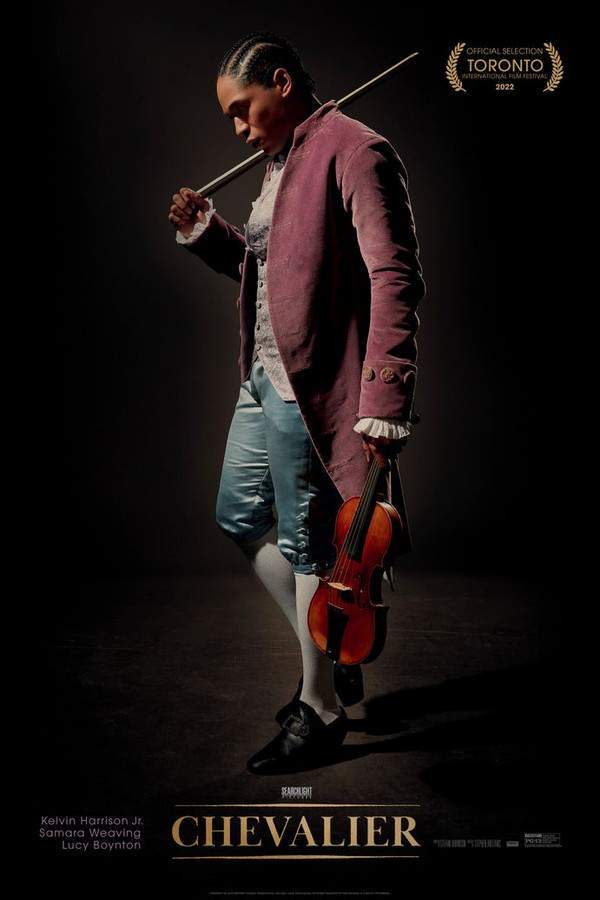
This is the story of Joseph Bologne, Chevalier de Saint-Georges, a man who shattered societal barriers in 18th-century France. Born to an African slave and a French plantation owner, Bologne rose to become a celebrated violinist, composer, and fencing master. His extraordinary talents led him to the court of Marie Antoinette, where he navigated a complex web of romance and rivalries, ultimately facing challenges that threatened his place in a world defined by privilege and prejudice.


Does Chevalier have end credit scenes?
No!
Chevalier does not have end credit scenes. You can leave when the credits roll.
Meet the Full Cast and Actors of Chevalier
Explore the complete cast of Chevalier, including both lead and supporting actors. Learn who plays each character, discover their past roles and achievements, and find out what makes this ensemble cast stand out in the world of film and television.

Mezi Atwood

Alec Newman
Poncet
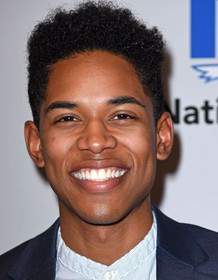
Kelvin Harrison Jr.
Joseph

Sian Clifford
Madame De Genlis
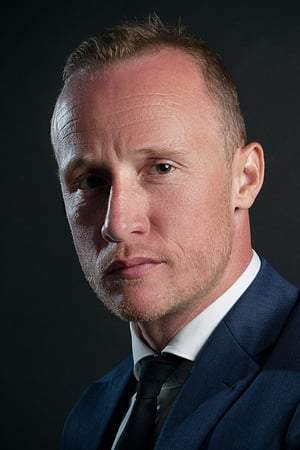
Jim High
George Bologne

Samara Weaving
Marie-Josephine

Lucy Boynton
Marie Antoinette

Ronke Adekoluejo
Nanon

Alex Fitzalan
Philippe
Ben Bradshaw
La Boessiere
Jessica Boone
La Arnould
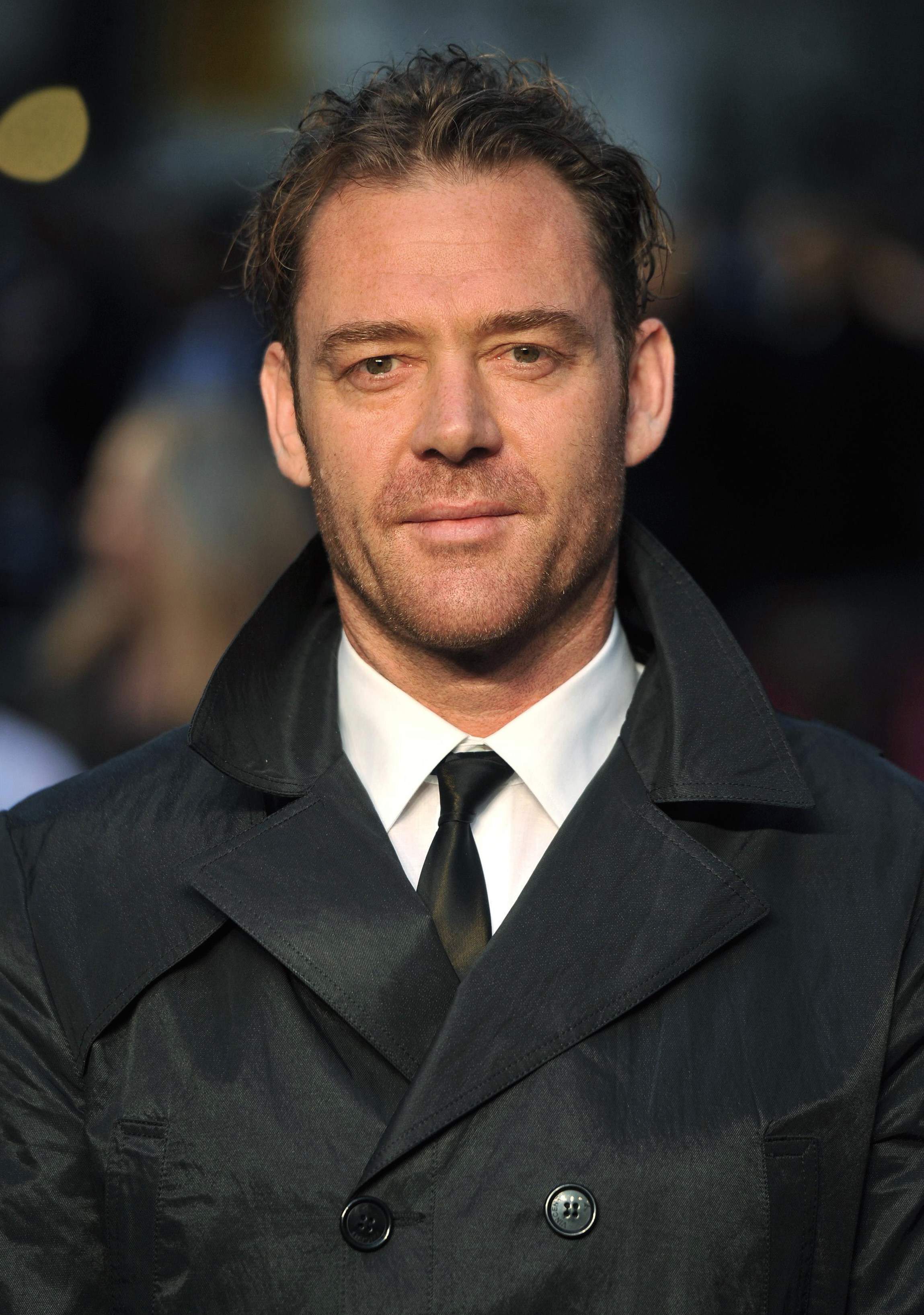
Marton Csokas
Marquis De Montalembert
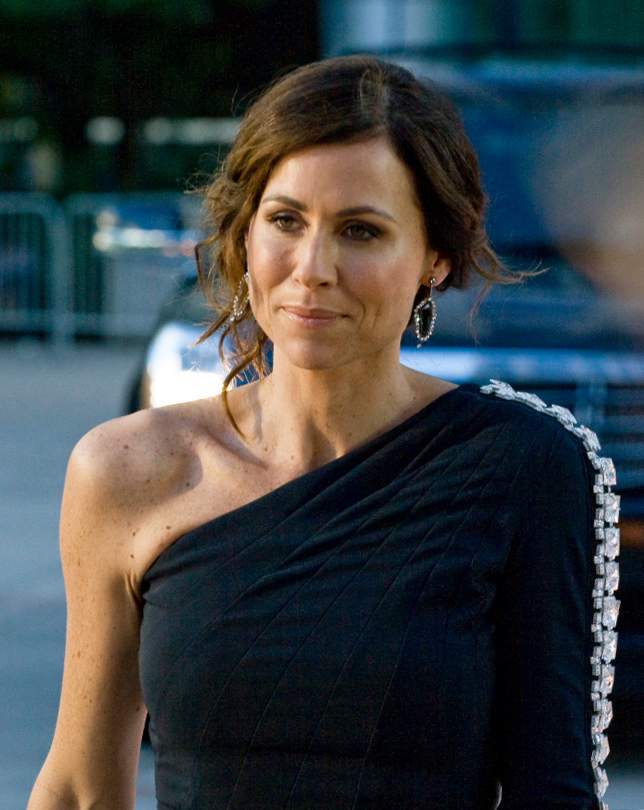
Minnie Driver
La Guimard
External Links and Streaming Options
Discover where to watch Chevalier online, including streaming platforms, rental options, and official sources. Compare reviews, ratings, and in-depth movie information across sites like IMDb, TMDb, Wikipedia or Rotten Tomatoes.










Ratings and Reviews for Chevalier
See how Chevalier is rated across major platforms like IMDb, Metacritic, and TMDb. Compare audience scores and critic reviews to understand where Chevalier stands among top-rated movies in its genre.

The Movie Echo Score
Chevalier delivers a visually engaging period piece anchored by Kelvin Harrison Jr.'s strong central performance, yet it falters in narrative cohesion and depth. Critics highlight the film's striking cinematography and production design, while noting a reliance on familiar biopic formulas that dilute its impact. Audience reactions echo this split, praising the musical moments and historical relevance but critiquing pacing and underdeveloped storylines. The net result is a mixed but respectable effort.
The Movie Echo Score Breakdown for Chevalier

Art & Craft
In terms of art and craft, the film excels in visual presentation, featuring an energetic opening violin duel and sumptuous period décor. Critics commend the cinematography, editing, and costume design for their polish, though some argue the direction feels television‑like and the overall execution too formulaic. The balance of high‑quality visuals with occasional stylistic blandness yields a solid but not flawless artistic impression.

Character & Emotion
When assessing character and emotion, Kelvin Harrison Jr.'s portrayal stands out as powerful and nuanced, earning praise from multiple reviewers. Supporting performances receive mixed feedback; Samara Weaving and other leads are described as misplaced or underdeveloped. While the lead's emotional resonance resonates, inconsistencies in chemistry and depth moderate the overall character rating, resulting in a respectable but uneven assessment.

Story & Flow
Regarding story and flow, Chevalier presents an original historical subject but follows a predictable biopic structure. Reviewers note a promising premise undermined by a rushed romance subplot and a screenplay that leans toward formulaic pacing. Some audiences appreciate the deliberate pacing and educational aspects, yet many cite a lack of narrative coherence and missed opportunities, leading to an overall middling story evaluation.

Sensory Experience
In the sensory experience domain, the film offers a rich soundscape highlighted by dynamic violin duels and a well‑crafted score. Visual style receives commendation for its meticulous set design, lighting, and camera work that evoke 18th‑century France. Though occasional critiques mention generic visual moments, the overall sensory impact remains strong, delivering an immersive atmosphere that enhances viewer engagement.

Rewatch Factor
Evaluating rewatch factor, Chevalier provides moments of historical intrigue and musical brilliance that encourage repeat viewings for some audiences. Positive remarks focus on its educational value and striking opening sequences, while detractors point to its formulaic plot and uneven pacing as reasons to skip subsequent watches. Consequently, the film holds modest replay appeal without compelling universal rewatchability.

67
Metascore
5.0
User Score


76%
TOMATOMETER

96%
User Score

6.5 /10
IMDb Rating

3.3
From 26 fan ratings

4.46/5
From 26 fan ratings
Take the Ultimate Chevalier Movie Quiz
Challenge your knowledge of Chevalier with this fun and interactive movie quiz. Test yourself on key plot points, iconic characters, hidden details, and memorable moments to see how well you really know the film.
Chevalier (2023) Quiz: Test your knowledge of the 2023 film Chevalier, covering its characters, historical context, and key plot events.
Which famous composer does Joseph Bologne meet on stage in Paris during the film?
Full Plot Summary and Ending Explained for Chevalier
Read the complete plot summary of Chevalier, including all major events, twists, and the full ending explained in detail. Explore key characters, themes, hidden meanings, and everything you need to understand the story from beginning to end.
In the late 1770s, Paris plays host to a remarkable artistic meeting when the celebrated composer Wolfgang Amadeus Mozart visits the city. During a staged performance, a bold figure steps forward: Joseph de Saint-Georges Kelvin Harrison Jr., who asks to accompany Mozart for Violin Concerto No. 5. At first, the crowd and even Mozart himself underestimate this Black French violinist, dancer, and budding composer. Yet as Saint-Georges takes the stage, his exacting technique, fearless precision, and magnetic presence transform doubt into awe. The two musicians push each other to new heights as they trade and fuse cadenzas in a display of technical virtuosity, culminating in a triumphant collaboration that seizes the audience’s imagination and redefines what a performance can be.
Biographically, Saint-Georges’s life begins far from the glittering salons of Paris. He is born in Guadeloupe to Georges de Bologne Jim High, a white French slaveowner, and Nanon Ronke Adekoluejo, an enslaved woman of African descent. From a young age he shows extraordinary gifts in music, dancing, and fencing, and his father sends him to a boarding school in Paris where he endures harassment, mistreatment, and persistent prejudice from white peers and teachers. Despite these hurdles, he excels academically and artistically, becoming a prodigy whose talents promise a new kind of prestige in a society built on rigid hierarchies. His prowess soon catches the eye of Marie Antoinette Lucy Boynton, who is both charmed by his skill and impressed by his carriage, and she grants him the title of Chevalier de Saint-Georges, a recognition that elevates him into the royal court.
Within the opulent yet fraught world of Versailles and the Parisian salons, Saint-Georges grows into more than a performer. He becomes a favored companion of the Queen and attracts a chorus of admirers, including the captivating Marie-Joséphine Samara Weaving, who is drawn to his brilliance and presence. Yet his ascent does not go unchallenged. He enters a tense alliance with Stéphanie Félicité, comtesse de Genlis, who sees in his artistry a conduit to produce an opera that could demonstrate his talent to the world; Madame De Genlis Sian Clifford is a catalytic force in this collaboration. Marie-Joséphine agrees to be the lead singer of Saint-Georges’s opera despite her husband’s, Marc-René de Montalembert Marton Csokas, consternation and resistance. The politics of the court—fueled by race, gender, and class—complicate every decision, and Saint-Georges finds himself navigating a treacherous path between artistic integrity and the demands of a white-dominated aristocracy.
The personal becomes political when tragedy strikes. After Saint-Georges’s father dies, his mother is freed from enslavement, and he uses his influence to bring her to Paris. Yet as he becomes more visible, his relationship with his mother grows complicated; he begins to feel that she expects him to conform to a social script that demands he hide parts of himself to fit in. This tension deepens as the city and the court wrestle with what it means for a Black man to claim space within a culture built on exclusion. Saint-Georges alternates between defiance and longing for acceptance, and his evolving sense of identity marks him with a powerful, sometimes painful, honesty about who he is and what he represents to others.
As the French Revolution begins to reshape the political landscape, Saint-Georges channels the upheaval into music. He organizes a fundraising concert that aims to support the anti-royalist cause, using the concert as a platform not just for artistry but for social critique. The Queen and Marie-Joséphine each approach him in an effort to restore their influence or to sway him back into their orbit, yet Saint-Georges stands firm. He is warned that his status as Chevalier could be jeopardized, yet he proceeds with the performance, boldly appearing without the powdered wig that once masked his natural hair. The moment becomes a referendum on autonomy and dignity as the audience themselves push back against the authorities trying to suppress him, and Marc-René is forced to yield.
In a moving arc of triumph tempered by consequence, the narrative follows Saint-Georges as he walks away from the court’s pressures and toward a more authentic expression of his self, even as the social tides shift around him. The story closes with a sobering epilogue that anchors his legacy in a larger historical frame: in 1802, Napoleon forbids Chevalier’s music productions and, in a separate, brutal policy shift, re-instates slavery in French colonies. The film’s arc thus threads a throughline from dazzling artistic achievement to the enduring struggle for dignity within a society plagued by inequality.
Overall, the film is a meticulous portrait of a remarkable artist who navigates a life of illumination and obstacle in a world where power, art, and identity collide. Its historical resonances—racial prejudice, imperial politics, and the perpetual tension between personal truth and social expectation—are rendered with a measured, neutral lens that honors the sources while exploring the human drama at its core. The result is a rich, deeply felt narrative that invites audiences to reconsider a familiar period through the lens of a singular, extraordinary musician who refused to be reduced by the boundaries around him.

Coming soon on iOS and Android
The Plot Explained Mobile App
From blockbusters to hidden gems — dive into movie stories anytime, anywhere. Save your favorites, discover plots faster, and never miss a twist again.
Sign up to be the first to know when we launch. Your email stays private — always.
Explore the mobile appWatch Trailers, Clips & Behind-the-Scenes for Chevalier
Watch official trailers, exclusive clips, cast interviews, and behind-the-scenes footage from Chevalier. Dive deeper into the making of the film, its standout moments, and key production insights.
Chevalier Themes and Keywords
Discover the central themes, ideas, and keywords that define the movie’s story, tone, and message. Analyze the film’s deeper meanings, genre influences, and recurring concepts.
Chevalier Other Names and Titles
Explore the various alternative titles, translations, and other names used for Chevalier across different regions and languages. Understand how the film is marketed and recognized worldwide.
Similar Movies To Chevalier You Should Know About
Browse a curated list of movies similar in genre, tone, characters, or story structure. Discover new titles like the one you're watching, perfect for fans of related plots, vibes, or cinematic styles.






Quick Links: Summary, Cast, Ratings, More

What's After the Movie?
Not sure whether to stay after the credits? Find out!
Check out our other apps:

SAT Sphere
Build confidence for the Digital SAT.

Mori Atlas
Discover wild places worth protecting.

Luntero
Search smarter for a home in Amsterdam.

Plot Explained
Unravel movie endings and hidden clues.

Pokechamp
Dive into Pokémon data and battle logic.

Driving Theory
Get ready for your European theory test.

Movie Dust
Plan your next cinema trip with ease.

Musemap
Find art and culture as you travel.

Selkobase
Compare credentials before committing.

Local Manual
Turn an unfamiliar country into practical next steps.

Lernavi
Compare school systems before your next move.

GymRoam
Find a workout stop wherever your plans take you.
Explore Our Movie Platform
New Movie Releases (2026)
Famous Movie Actors
Top Film Production Studios
Movie Plot Summaries & Endings
Major Movie Awards & Winners
Best Concert Films & Music Documentaries
Movie Collections and Curated Lists
© 2026 What's After the Movie. All rights reserved.
Privacy Policy