
Burnt by the Sun 1994

Directed by
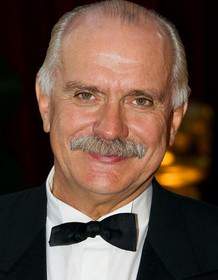
Nikita Mikhalkov
Made by

Studio Trite
Burnt by the Sun Plot Summary
Read the complete plot summary and ending explained for Burnt by the Sun (1994). From turning points to emotional moments, uncover what really happened and why it matters.
Mitya, Oleg Menshikov, an ex-nobleman and veteran of the anti-communist White Army, sits on the edge of despair, contemplating suicide as the long, oppressive day begins to unfold.
The film then shifts to the country estate where Komdiv Sergei Petrovich Kotov [Nikita Mikhalkov] is at ease with his wife, Maroussia [Ingeborga Dapkūnaitė], and their six-year-old daughter, Nadya Kotova [Nadezhda Mikhalkova]. They are relaxing in a banya, surrounded by Maroussia’s lively, Chekhovian clan of aristocrats, a mix of warmth and eccentricity that feels almost timeless against the encroaching pressures of the era. The family scene is intimate and affectionate, painting Kotov as a devoted patriarch who cherishes his kin and, as rumors would have it, maintains a close, almost personal ties with Stalin.
Into this domestic calm slips a man from Kotov’s past: Mitya, who had once been Maroussia’s fiancé before vanishing in 1927. He arrives in a disguise, but when the costume comes off, he is revealed to be a familiar figure welcomed back by the family and presented to Nadya as “Uncle Mitya.” The moment is bittersweet, because Maroussia’s feelings are tangled with old wounds; she bears the marks of self-inflicted pain, a silent testament to the heartbreak of a lost love.
Beneath the surface, Mitya’s charm masks a brutal purpose. He is working for the Soviet political police and has come to arrest Kotov—not for any real conspiracy, but for a crime fabricated in the moment. The vendetta runs deep: a decade earlier, Kotov had forced Mitya into the OGPU, and Mitya blames him for the loss of his country, his art, and his faith in Russia. The tension between them slowly unfurls as Kotov confronts Mitya about Paris, where Mitya reportedly handed over eight White Army generals to the NKVD—geniuses of their time, kidnapped and smuggled back to the Soviet Union and executed without trial.
Kotov clings to a stubborn belief that his relationship with Stalin might shield him, even as the political noose tightens. Yet fate intervenes in the form of a gleaming black car—an NKVD convoy that carries Kotov away. The moment is underscored by a poignant intrusion: a group of Young Pioneer children arrive at the dacha to honor him, a stark juxtaposition of innocence and the brutal machinery of power.
In the terrible sequence that follows, Kotov steps into the car as though accepting a fate he cannot outrun. He tries to assert his status, to remind them of who he is, but the guards care little for rank or reputation; they are acting on orders that come from the top. The realization crashes over him in an instant: Stalin’s will, not any personal friendship, is what governs his fate. The truth undresses him in a single, devastating moment, and he breaks down in tears as he faces the consequences of a life lived in close proximity to power.
Kotov’s confession comes in a cold, choreographed ritual, and he is executed in August 1936, his death sealing the tragedy of a man who could not escape the era he helped shape. Mitya’s revenge, starkly achieved, leaves him hollow; he too chooses suicide, a final gesture of futility that only deepens the film’s meditation on revenge and the corrosive pull of power.
The fallout ricochets through the family: Maroussia is arrested and dies in the Gulag in 1940, another casualty of a system that devoured intimate loyalties and personal dreams. Nadya survives the harsh years that follow, living through the Khrushchev thaw. In 1956, as sentences begin to be overturned and memories start to soften, Nadya—herself a music teacher in Kazakhstan—sees her family legacy begin to heal, even as the scars of that single summer linger in the margins of history.
Across its tense, claustrophobic arc, the film renders a portrait of a society where personal loyalties collide with political necessity, and where love, pride, and duty are tested by the unyielding machinery of state. The day’s events unfold with a quiet gravity, inviting reflection on duty, memory, and the cost of living under a regime that can bend fate with a single decision from the top.
Burnt by the Sun Timeline
Follow the complete movie timeline of Burnt by the Sun (1994) with every major event in chronological order. Great for understanding complex plots and story progression.
Morning at the banya and troubling news
Kotov, his wife Maroussia, and their six-year-old daughter Nadia enjoy a rare moment of domestic calm at the banya. A peasant arrives with alarming news that Red Army tanks are about to disrupt the wheat harvest as part of general maneuvers. The information foreshadows how politics and fear will intrude on their private life.
Kotov confronts the tank unit
Kotov rides out to demand that the tank officer halt the operation, using his Old Bolshevik authority to claim he protects the harvest and villagers. The confrontation cuts through the day’s routine, showing the reach of central power into rural life. The moment establishes the precarious balance between public duty and personal safety.
Return to the dacha with relatives
Kotov and his family return to the country dacha and join Maroussia’s large, eccentric relatives, an aristocratic clan living Chekhovianly vivid lives. The atmosphere shifts from pastoral calm to a hybridity of warmth and unease. Old loyalties and new pressures begin to clash in the summer afternoon.
Mitya arrives in disguise
Mitya (Dmitri) arrives at the gathering in a disguise, slipping into the family scene before the truth is revealed. He is welcomed as Uncle Mitya, masking his hidden purpose. The festive mood is undercut by the sense that something terrible is about to unfold.
Mitya's true mission surfaces
It becomes clear that Mitya is an NKVD agent tasked with arresting Kotov for a non-existent conspiracy Mitya himself framed. The revelation exposes Mitya’s personal vendetta and shows how state power can weaponize intimate history. The day’s drama shifts from family reunion to political trap.
Paris records and past betrayals
Kotov confronts Mitya about his actions in Paris, where Mitya claims Kotov betrayed colleagues by handing eight White Army generals to the NKVD. Mitya’s account casts a shadow over Kotov’s heroic reputation. The confrontation deepens the moral ambiguity at the center of the day.
Maroussia's conflicted loyalties
Maroussia wrestles with her feelings for Kotov and the threat Mitya represents, recalling how she once contemplated suicide when Mitya disappeared. The emotional turmoil mirrors the broader political danger in their lives. Her internal struggle adds personal stakes to the escalating tension.
Pioneer tribute amidst danger
A group of Young Pioneer children arrives at the dacha to pay tribute to Kotov, momentarily brightening the mood. The scene underscores the cult of personality and the regime's use of public ritual. The day’s juxtaposition of innocence and coercion deepens the tragedy.
The NKVD car arrives
A black car carrying NKVD agents arrives to remove Kotov, signaling that private life has collapsed into state action. Kotov goes with Mitya, attempting to maintain composure and a semblance of friendship. The arrest reveals that personal history is no shield against state power.
In the car, illusion of safety fades
Inside the car, Kotov asserts his identity and status, hoping to move his captors with authority. He gradually realizes that the order likely came from Stalin himself, not from any local decision. The illusion of protection evaporates as power asserts itself.
Kotov’s tearful realization
Looking into Mitya’s eyes, Kotov recognizes the gravity of the trap and breaks down in tears. The moment crystallizes the betrayal of a trusted ally and the inevitability of the purge. It marks the emotional climax of the day’s arc.
Kotov's execution
Kotov is forced to confess to false charges and is executed by firing squad in August 1936. The act demonstrates the cruel efficiency of the purge and the erasure of dissent. The protagonist's public face is erased in the very hour of his capture.
Mitya’s suicide
Mitya’s revenge proves hollow, and he commits suicide after achieving his decisive act. The self-destruction underscores the self-consuming nature of vengeance within a repressive regime. The tragedy of one man mirrors the systemic violence around him.
Maroussia’s arrest and Gulag fate
Maroussia is arrested and dies in the Gulag in 1940, another casualty of the day’s political machinations. Her fate highlights the collateral damage of the purges on families and loved ones. The tragedy extends beyond the immediate events of the day.
Nadia’s survival and later life
Nadia survives the purge era and, after the Khrushchev thaw, sees the charges reversed in 1956. She eventually becomes a music teacher in Kazakhstan, continuing to live with the long shadow of the events. The final image ties personal resilience to historical change.
Burnt by the Sun Characters
Explore all characters from Burnt by the Sun (1994). Get detailed profiles with their roles, arcs, and key relationships explained.
Col. Sergei Petrovich Kotov
A renowned Old Bolshevik and hero of the 1917 Civil War, Kotov is a devoted family man who commands respect from both the army and villagers. He embodies a calm authority and deep public persona, yet faces a private fear as the NKVD threat closes in. His tenderness for his family is matched by his stubborn faith in political loyalty, which is ultimately tested by Mitya’s trap.
Nadya Kotova
Nadya is a six-year-old daughter who witnesses the adults' conflicts with childlike clarity. She embodies innocence and resilience amid looming danger, forming a gentle bond with Mitya while staying close to her father.
Dmitri (Mitya)
A former White Army veteran and former fiancé of Maroussia, Mitya returns with a calculated vendetta as an NKVD agent. He uses his power to frame Kotov and pursue revenge, revealing the personal costs of ideological conflict.
Maroussia
A Chekhovian aristocrat and Maroussia’s wife, she grapples with the upheaval of her world and the pain of losing Mitya’s affection. She represents the old social order facing the brutal reality of state violence.
Burnt by the Sun Settings
Learn where and when Burnt by the Sun (1994) takes place. Explore the film’s settings, era, and how they shape the narrative.
Time period
1936 Summer
Set in the summer of 1936 in the Soviet Union, the story unfolds within a single day. The period is defined by Stalinist authority and the presence of the NKVD, shaping fear and suspicion. The confined timeframe heightens tension and foreshadows the era's tragic consequences, including later thaw-era reversals.
Location
Soviet Union, rural dacha, banya, collective farm
The action centers on a country dacha in the Soviet countryside during a hot summer day. It features a traditional banya where a family gathers, and a nearby collective farm and military maneuvers hint at the state's reach over everyday life.
Burnt by the Sun Themes
Discover the main themes in Burnt by the Sun (1994). Analyze the deeper meanings, emotional layers, and social commentary behind the film.
🔒
Power
The film examines how political power constrains individual lives. NKVD authority and state paranoia intrude into domestic space, turning personal ties into instruments of control. The day reveals how loyalty to the regime can mask personal grievances and lead to tragic outcomes.
💔
Family
Family bonds are tested by political intrigue and betrayal. The relationships among Kotov, Maroussia, and Nadya reveal private desires and fears beneath public heroism. The family house becomes a fragile haven endangered by the encroaching machinery of state violence.
🕰️
Memory
The narrative interrogates memory of past loyalties and betrayals, including Mitya’s revenge against Kotov for past wrongs. The cost of historical injustices is reflected in the fates of the characters, as memories of White Army service, OGPU, and Stalin-era politics converge at the dacha.

Coming soon on iOS and Android
The Plot Explained Mobile App
From blockbusters to hidden gems — dive into movie stories anytime, anywhere. Save your favorites, discover plots faster, and never miss a twist again.
Sign up to be the first to know when we launch. Your email stays private — always.
Explore the mobile appBurnt by the Sun Spoiler-Free Summary
Discover the spoiler-free summary of Burnt by the Sun (1994). Get a concise overview without any spoilers.
In the summer of 1936, the vast Russian countryside glows under a tentative peace, the air thick with the scent of pine and the distant hum of a nation caught between triumph and terror. A secluded dacha sits on the edge of a quiet river, its wooden porches and blooming gardens offering a fleeting sanctuary from the relentless march of history. The film bathes this landscape in warm, amber light, letting the viewer feel the gentle rustle of leaves and the soft echo of distant factories, a world where the ordinary carries the weight of the extraordinary.
Colonel Kotov is a celebrated revolutionary, now settled into a life of quiet domesticity. He moves through his home with the confident poise of someone who has earned his place in the new order, yet his eyes linger on the simple pleasures of family—shared meals, playful conversation, and the protective bond he feels for his loved ones. Maroussia, his wife, radiates a resilient elegance, balancing the responsibilities of motherhood with a lingering awareness of the political currents that swirl around them. Their six‑year‑old daughter Nadia embodies the innocence of a new generation, her laughter ringing through the courtyard as she darts between flowerbeds, oblivious to the shadows gathering beyond the treeline.
The tranquil rhythm is interrupted when Cousin Dmitri arrives from Moscow, a charismatic figure whose presence is as magnetic as his piano melodies. His music drifts through the rooms, enchanting the women and drawing Nadia into a world of wistful nostalgia. Yet beneath his charm lies a subtle disquiet; the Colonel senses that Dmitri’s visit carries motives beyond familial affection, a feeling amplified by the occasional midnight telephone rings that echo through the hallways like distant thunder.
The film’s tone walks a delicate line between lush nostalgia and an ever‑present sense of foreboding. Sun‑drenched scenes are interlaced with muted colors that hint at the tightening grip of Stalinist repression, while the quiet conversations are underscored by an undercurrent of suspicion. As the summer unfolds, the viewer is left to wonder how the convergence of personal desire, lingering loyalties, and the inexorable march of history will reshape the fragile peace of this seemingly idyllic retreat.
Movies with Similar Twists and Themes
Uncover films that echo the narrative beats, emotional arcs, or dramatic twists of the one you're exploring. These recommendations are handpicked based on story depth, thematic resonance, and spoiler-worthy moments — perfect for fans who crave more of the same intrigue.
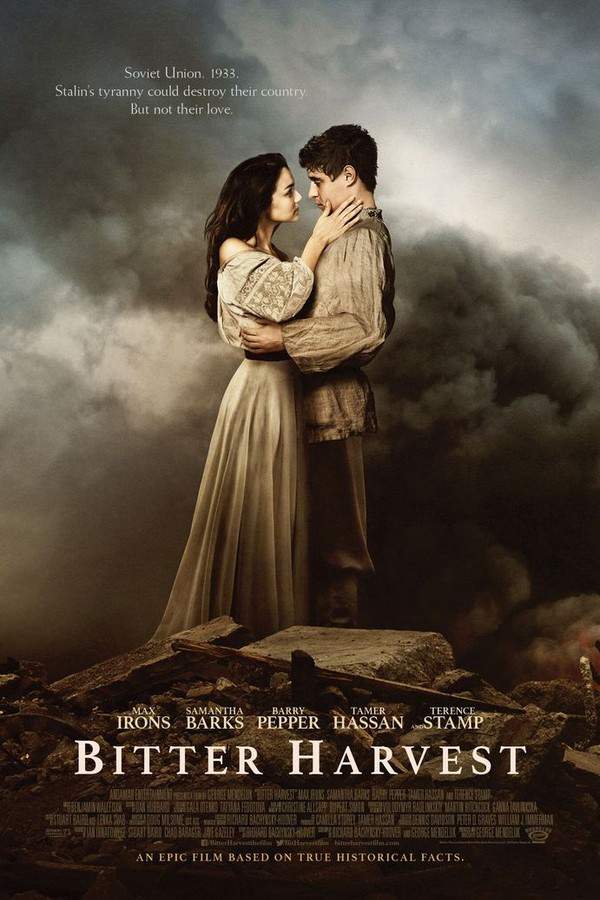


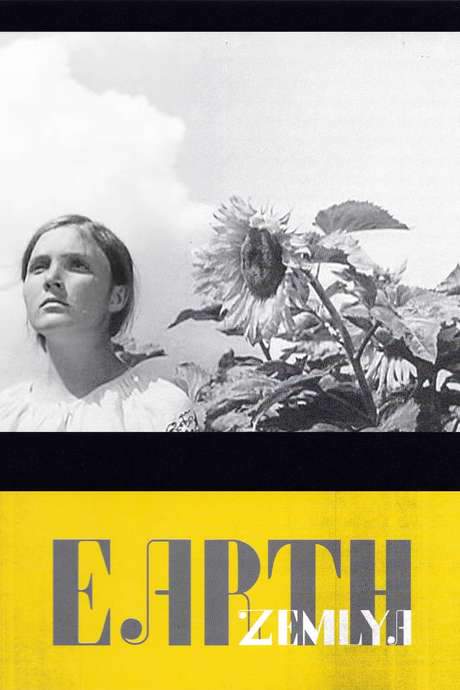

Featured on this page

What's After the Movie?
Not sure whether to stay after the credits? Find out!
Check out our other apps:

SAT Sphere
Build confidence for the Digital SAT.

Mori Atlas
Discover wild places worth protecting.

Luntero
Search smarter for a home in Amsterdam.

Plot Explained
Unravel movie endings and hidden clues.

Pokechamp
Dive into Pokémon data and battle logic.

Driving Theory
Get ready for your European theory test.

Movie Dust
Plan your next cinema trip with ease.

Musemap
Find art and culture as you travel.

Selkobase
Compare credentials before committing.

Local Manual
Turn an unfamiliar country into practical next steps.

Lernavi
Compare school systems before your next move.

GymRoam
Find a workout stop wherever your plans take you.
Explore Our Movie Platform
New Movie Releases (2026)
Famous Movie Actors
Top Film Production Studios
Movie Plot Summaries & Endings
Major Movie Awards & Winners
Best Concert Films & Music Documentaries
Movie Collections and Curated Lists
© 2026 What's After the Movie. All rights reserved.
Privacy Policy