What Is Allegheny Uprising About?
The premise of Allegheny Uprising in 332 words, with nothing given away. The full story follows below.
Set against the rugged backdrop of 1760s southwestern Pennsylvania, the film captures a frontier simmering with unrest and unspoken dangers. The wilderness is unforgiving, but the true threat comes from a collision of interests that pits colonial settlers against the distant authority of the British Crown. As pioneers carve out a life on the edge of civilization, they face escalating violence from Native American raids—attacks made all the more deadly by the unsettling realization that outsiders are arming their enemies. In this volatile environment, the seeds of rebellion are quietly taking root, driven by a community’s desperate need to protect its own.
At the center of this turmoil stands Jim Smith, a bold and adventurous leader whose presence commands respect among the locals. He represents the rugged independence of the frontier, a man more concerned with the safety of his neighbors than the edicts of a distant monarchy. Standing with him is Janie McDougall, a spirited ally whose resilience proves vital in a land where strength is currency. Their bond and shared determination highlight the human cost of the expanding conflict, grounding the sweeping historical tensions in personal stakes. Opposing them is the rigid structure of imperial rule, embodied by figures like Captain Swanson, a British officer determined to maintain order at any cost, and the opportunistic trader Ralph Callendar, whose dealings complicate the fragile peace.
As the situation intensifies, the narrative weaves a complex tapestry of loyalty, profit, and the early stirrings of American defiance. The struggle is not merely about territory but about the fundamental question of who gets to dictate the terms of justice in a lawless land. With tempers flaring and the gap between the settlers and the British officials widening, the film explores the fragile balance between maintaining order and the moral imperative to resist. It is a tense, atmospheric journey into the heart of a community pushed to its limits, setting the stage for a confrontation where principles are tested against the might of an empire.
What Happens in Allegheny Uprising?
The complete story of Allegheny Uprising, from the first scene to the last, in 353 words (about 2 minutes). Spoilers throughout. Names in the text link to 4 cast member pages.
Spoilers ahead
In the frontier of southwestern Pennsylvania during the 1760s, discontent with the British Crown begins to simmer as Native Americans, armed with rifles sold by white traders, raid local settlements. Jim Smith — a bold local adventurer — and his followers push British officials to ban weapon sales to the Indians, arguing that such arms inflame violence and put settlers at risk. Meanwhile, profiteers like Ralph Callendar resist the new law, seeking to protect their lucrative trade by secretly stashing rifles and rum inside military supply trains, hoping the crackdown never truly takes hold. The tension escalates as Smith and his men resolve to act, planning to intercept the wagon train that carries the contraband, signaling a direct clash between colonial justice and imperial authority.
To aid the mission, Smith receives support from his fearless ally, Janie McDougall, whose grit and ingenuity shine as she helps them disguise themselves as Indians to halt the gun shipments. Their audacious scheme highlights the murky lines between protection and rebellion, loyalty and treachery, as the frontier becomes a testing ground for wider loyalties and values.
Enter Captain Swanson, a stern British army officer dispatched to safeguard the convoy at all costs. He arrives after a complaint from Callendar that Smith intends to rob the wagon train, conveniently omitting that the train is laden with rifles and liquor. Swanson reads Smith’s actions as a direct revolt against imperial authority, and his response is severe: he arrests a large portion of the local colonists, detaining them without trial, a move that fans the flames of resistance and distrust. The result is a looming collision between Smith’s faction and Swanson’s enforcement, a confrontation that tests who truly stands for order, liberty, and the future of the colonial outpost.
Across these events, the film threads together themes of frontier justice, profit versus principle, and the fragile balance between local autonomy and imperial rule. The stakes are higher than a simple standoff: they define how a community chooses to defend itself, how power is exercised, and what it means to fight for a cause on the edge of an unsettled world.
Allegheny Uprising Timeline: Every Key Event in Order
12 key events in the order they happen, from “Rising colonial discontent in the 1760s” to “Inevitable clash on the horizon”. 12 events name a place, across 11 locations.
- 1
Rising colonial discontent in the 1760s
The southwestern Pennsylvania frontier is simmering with distaste for British rule. Tensions grow as colonists demand greater autonomy and protest harsh enforcement from distant authorities. This volatile backdrop sets the stage for later actions on the frontier.
When:1760s Where:Southwestern Pennsylvania frontier, Colonial America
- 2
Violence against locals and rifle trade
Local Native Americans kill settlers, and they are armed with rifles supplied by white traders. The cycle of violence underscores the consequences of unchecked trading. The frontier's fear and mistrust grow as arms flow across the borders.
When:1760s Where:Frontier of Southwestern Pennsylvania
- 3
James Smith presses for a weapon ban
James Smith and his followers petition British officials to outlaw weapon shipments to Indians. They argue that arming tribes fuels violence and destabilizes the frontier. The action marks a direct appeal to colonial authority.
When:1760s Where:Colonial government offices
- 4
Traders resist the new law
Trader Callender and other businessmen oppose the ban as a threat to profits. They continue trading weapons and rum with Native populations, hiding rifles inside military supply trains. This illicit trade illustrates corruption and complicates British attempts to control the frontier.
When:1760s Where:Trading posts and frontier routes
- 5
British inaction prompts a counter-move
With authorities failing to stop the illicit trade, James Smith organizes his men to intercept the wagon train. The plan reflects frontier justice over formal legal processes. The stage is set for direct action on the frontier.
When:1760s Where:Local wagon train routes
- 6
Janie McDougall joins and schemes undercover
Janie McDougall, Smith's bold girlfriend, assists by posing as Indigenous traders and aiding the ambush. Her disguise helps the group get close to the gun shipments. The plan showcases bold frontier tactics used to seize weapons and liquor.
When:1760s Where:On the wagon route, frontier
- 7
Captain Swanson is deployed to protect the wagon train
Captain Swanson, a British army officer, is sent to guard the wagon train at all costs. He responds to Callender's complaint that Smith intends to rob the convoy, while overlooking that it carries weapons and liquor. His deployment signals a tough enforcement of royal authority.
When:1760s Where:Wagon train route
- 8
Swanson cracks down on locals
In retaliation, Swanson jails more than half of the local colonists without trial. His harsh measures deepen resentment toward British rule. The crackdown fuels further tension with Smith and his supporters.
When:1760s Where:Frontier settlements
- 9
The clash of two leaders begins
The feud between James Smith and Captain Swanson intensifies as each asserts control. The frontier becomes a pressure point where legal authority and frontier justice clash. The frontier is primed for a dramatic confrontation.
When:1760s Where:Frontier region
- 10
Intercepting the gun shipments begins
Smith and his men move to intercept the gun shipments on the wagon route. They disguise themselves as Indians and approach the train, aiming to seize the rifles and liquor. The daring operation exposes the frank desperation of frontier resistance.
When:1760s Where:Wagon train route
- 11
The wagon train carries rifles and liquor
The train's cargo includes rifles and rum, not ordinary provisions. The hidden nature of the contraband underscores the risk and moral ambiguity of the frontier conflict. The hidden supply trains reveal the extent of illicit trade.
When:1760s Where:Military supply train
- 12
Inevitable clash on the horizon
With Smith's ambush plan and Swanson's crackdown moving in tandem, the frontier edges toward a direct confrontation. Both sides stand firm on their aims, making a violent showdown almost inevitable. The summary ends with the anticipation of conflict rather than resolution.
When:1760s Where:Frontier border region
Who Are the Main Characters in Allegheny Uprising?
4 characters, among them James Smith (John Wayne), Janie MacDougall (Claire Trevor) and Captain Swanson (George Sanders): who each one is and the part they play in the story. Every profile links to the actor’s page.
-
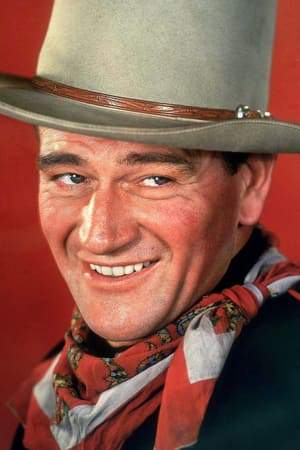
James Smith (John Wayne)
Played by John Wayne
A bold local adventurer who leads his followers to intercept gun shipments. He is driven by a sense of colonial injustice and a willingness to take matters into his own hands, sometimes straddling the line between vigilante and patriot. His resourcefulness makes him a charismatic leader but also reckless at times.
- 🗺️ Leader
- 🧭 Rebel
-
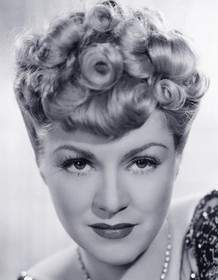
Janie MacDougall (Claire Trevor)
Played by Claire Trevor
Smith's spirited girlfriend who assists him and his men, often disguising as an Indigenous person to help intercept shipments. She is bold, loyal, and plays a key role in executing their plan. Her actions reveal a practical, fearless mindset in a male-dominated frontier.
- 🧭 Ally
- 🧑🤝🧑 Partner
-
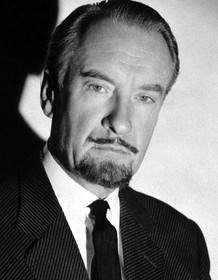
Captain Swanson (George Sanders)
Played by George Sanders
A British army officer tasked with protecting the wagon train at all costs. He views Smith’s actions as a revolt against his authority and responds with heavy-handed measures, including detaining colonists without trial. His authority contrasts with frontier justice and raises questions about legitimacy.
- ⚔️ Authority
- 🛡️ Military
- RC
Ralph Callendar (Brian Donlevy)
Played by Brian Donlevy
A trader profiting from illegal gun shipments; he resists regulation and is implicated in the supply chain that fuels violence. He embodies the profits-at-any-cost mentality that undermines governance and inflames tensions. His actions highlight the corrupting influence of commerce on politics.
- 💰 Trader
- 🧭 Merchant
Where and When Is Allegheny Uprising Set?
Allegheny Uprising is set in Southwestern Pennsylvania and Colonial America (1760s). Here is why the time and place matter to the story.
When
1760s
The events unfold in the decade before the American Revolution, when British colonial governance governs distant settlements. Local communities face increasing regulation and enforcement, while frontier life remains precarious and opportunistic. Weapons smuggling and liquor trade fuel the conflict, driving bold actions like intercepting shipments.
Where
Southwestern Pennsylvania, Colonial America
Set in the rugged hills of southwestern Pennsylvania during the 1760s, the story unfolds amid growing colonial tensions and frontier life. The landscape and settlements create a tense backdrop for ambushes, wagon trains, and clashes between settlers, traders, and Native American groups. The region’s rough terrain shapes how characters move, hide, and confront authority.
- 🗺️ Pennsylvania frontier
- 🧭 Colonial era
What Are the Themes of Allegheny Uprising?
3 ideas the story keeps returning to, among them Law, Frontier Conflict and Gun Trade.
-
01
Law
The film centers on the tension between colonial legal authority and frontier actions. British officers use formal power to jail colonists, testing due process and the legitimacy of orders from above. The story questions whether law can maintain order in a volatile borderland, or if it becomes a tool of repression.
-
02
Frontier Conflict
Tensions erupt as settlers, traders, and troops clash over control of the wagon trains and resources. Intercepting gun shipments becomes a catalyst for armed action and a symbol of competing loyalties. The frontier setting amplifies risk, suspicion, and acts of bold resistance.
-
03
Gun Trade
The central driver is the illegal trade in rifles and liquor that fuels the conflict. Traders see profit in smuggling, while authorities seek regulation, creating moral ambiguity for all sides. The gun market exposes how commerce can destabilize governance and ignite violence.
What Kind of Film Is Allegheny Uprising?
Tense in tone, with steady pacing and a moderate story, going by the plot summary.
- Tone
- Tense
- Pacing
- Steady
- Story
- Moderate
- Intensity
- Medium
A steadily paced, tense frontier drama about rebellion and justice, where defiant colonists clash with corrupt authority amid the grim realities of pre-Revolutionary America.
- tense
- grim
- rebellious
- defiant
- anxious
- driven
- colonial resistance
- political corruption
- smuggling
- frontier justice
Content notes: war violence, imprisonment, mass casualties, treachery.