
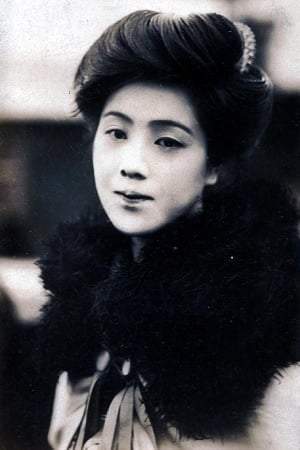
Kumeko Urabe: Movies & Box Office
- films
- 46
- on screen
- 1927–1987
- box office
- $17.4K
- Born
- October 5, 1902
- Birthplace
- Kamo District, Shizuoka, Japan
- Full name
- Kimura Kume
- Citizenship
- Japanese
- Occupations
- Actress
- Years active
- 1924-1987
- Spouses
- Koichi Ueno
Kumeko Urabe's Career in Numbers
Kumeko Urabe's films in numbers — as an actor, not counting appearances as themselves: when they were made, the genres Kumeko Urabe works in most and the milestones along the way. The filmography runs from Yaji and Kita: Yasuda’s Rescue (1927) to Hachiko (1987), and the 1950s were the busiest decade.
Kumeko Urabe Movies by Decade
- 1920s 1
- 1930s 3
- 1940s 2
- 1950s 25
- 1960s 9
- 1970s 3
- 1980s 3
The 1950s were Kumeko Urabe's busiest decade, with 25 films.
Kumeko Urabe Movies by Genre
- Drama 33
- Romance 4
- Crime 3
- Comedy 2
- Family 1
- Documentary 1
- Fantasy 1
Drama is the genre Kumeko Urabe has worked in most, with 33 films, ahead of romance (4).
Kumeko Urabe Career Milestones
- First film
- Yaji and Kita: Yasuda’s Rescue 1927
- Biggest box office hit
- Street of Shame $7.55K worldwide
- Newest film
- Hachiko 1987
Kumeko Urabe Filmography: Every Movie
Every film Kumeko Urabe is credited on, newest first, with the role, the box office and the Movie Echo Score. Re-order the list to see the best-rated films or the biggest hits first.
- 1987
 Hachiko as Tabacco Shop Owner · Family
 - 1985
 Miss Lonely as Fuki Inoue · Romance
 - 1980
 Before Spring as Toyo · Drama
 - 1976
 Tora-san’s Pure Love Comedy
 - 1975
 Kenji Mizoguchi: The Life of a Film Director Documentary
 - 1974
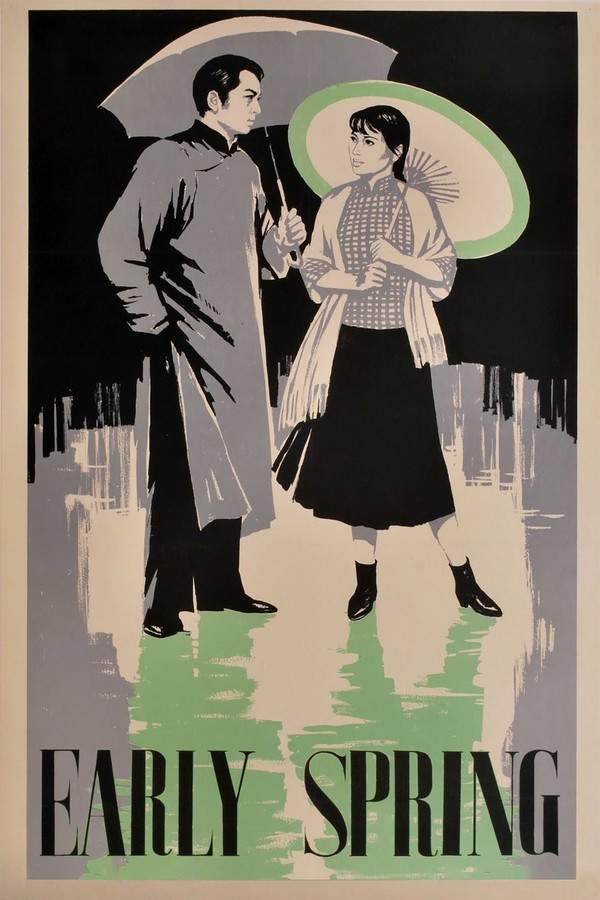 Early Spring Drama
 - 1966
 Moment of Terror as Hisako Kanematsu · Crime
 - 1965
 An Innocent Witch Drama
 - 1964
 Jakoman and Tetsu as Taka · Drama
 - 1964
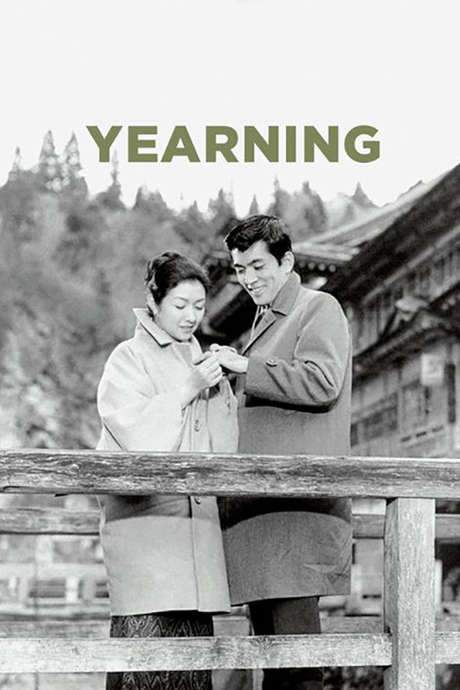 Yearning as Bar Madam · Romance
 - 1963
 18 Roughs as Gin Ishii · Drama
 - 1962
 Being Two Isn’t Easy as Ino · Comedy
 - 1962
 The Body Drama
 - 1962
 The Broken Commandment as Owner of the hotel · Drama
 - 1960
 A Woman’s Testament Drama
 - 1959
 The Song of the Cart Drama
 - 1959
 The Makioka Sisters Drama
 - 1959
 Goodbye, Hello Drama
 - 1958
 The Precipice Drama
 - 1958
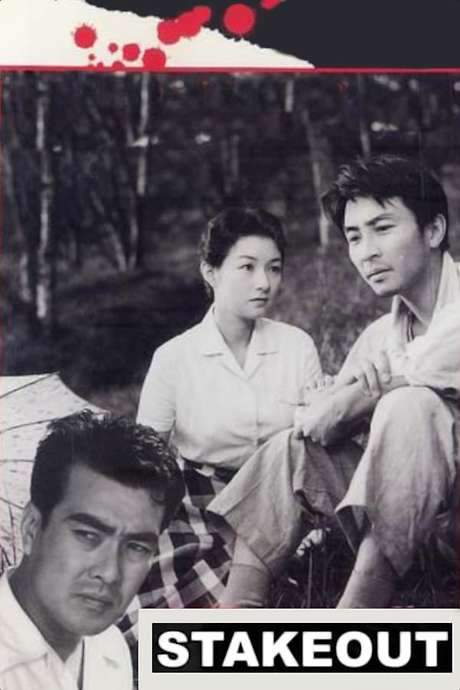 Stakeout as Proprietress of the Hotel Hizen-ya · Crime
 - 1957
 Elegy of the North as Grandma · Drama
 - 1957
 Tokyo Twilight as Komatsu's Mistress · Drama Worldwide box office: $4.46K
 - 1957
 Snow Country Drama
 - 1957
 Typhoon Over Nagasaki Drama
 - 1956
 Sound in the Mist Romance Worldwide box office: $5.36K
 - 1956
 Bridge of Japan Drama
 - 1956
 Street of Shame as Otane · Drama Worldwide box office: $7.55K
 - 1956
 Early Spring as Shige Kitagawa · Drama
 - 1955
 She Was Like a Wild Chrysanthemum as Grandmother · Romance
 - 1954
 Somewhere Beneath the Wide Sky as Shige, Ryoichi's stepmother · Drama
 - 1954
 Twenty-Four Eyes as Otoko Sensei no Tsuma · Drama
 - 1954
 The Golden Demon as Tose · Drama
 - 1953
 The Wild Geese as Otsune · Drama
 - 1953
 Brother and Sister as Riki - the Mother · Drama
 - 1953
 Where Chimneys Are Seen as Kayo Nojima · Drama
 - 1952
 Lightning as Osei · Drama
 - 1951
 The Life of a Horse Trader as Onobu · Drama
 - 1951
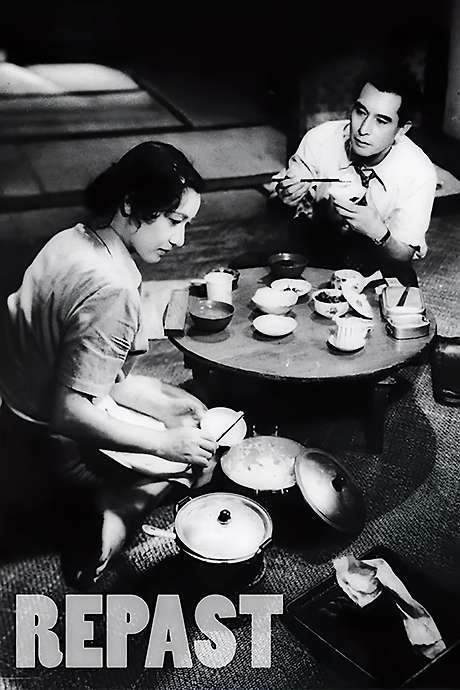 Repast as Taniguchi Shige · Drama
 - 1950
 Portrait of Madame Yuki as San · Drama
 - 1950
 A Mother’s Love Drama
 - 1949
 The Rainbow Man as Kane Nonomura · Fantasy
 - 1948
 Women of the Night as Brothel Keeper · Drama
 - 1937
 The Straits of Love and Hate as Ume · Drama
 - 1933
 The Water Magician as Ogin · Crime
 - 1930
 Mistress of a Foreigner as Omatsu · Drama
 - 1927
 Yaji and Kita: Yasuda’s Rescue as Otoku
Who Is Kumeko Urabe?
Kumeko Urabe was born in Kamo District, Shizuoka, Japan on October 5, 1902. Credited on films since 1927, as an actor. The background, training and the roles that shaped the career.
Kumeko Urabe (born Kimura Kume, 5 October 1902 – 26 October 1989) was a pioneering Japanese actress whose career spanned more than six decades, making her one of the most enduring figures in the history of Japanese cinema. Born in the rural Kamo District of Shizuoka, she moved frequently with her father, a Rinzai Buddhist priest, living in temples across the prefecture before completing her schooling in Numazu and leaving school in 1919 to join a travelling theatre troupe. She performed under several stage names—Kumeko Ichijō, Toyama Midori, Chidori Shizuura and Chidori Toyama—and honed her skills as a dancer, singer, and actress on itinerant stages, establishing a reputation that eventually caught the attention of film studio Nikkatsu in 1923. After adopting the name Kumeko Urabe, she made her film debut in 1924 and quickly became a staple of the silent era, collaborating with legendary directors such as Kenji Mizoguchi, who cast her in multiple early works and even relied on her presence during a violent incident that left him scarred. Over the next three decades she transitioned smoothly into talkies, appearing in more than 320 films, including Akira Kurosawa’s Ikiru (1952), Mikio Naruse’s Older Brother, Younger Sister (1953), and Mizoguchi’s final film Street of Shame (1956).
During the post‑war period, Urabe’s screen persona evolved into the beloved “grandma idol,” a role she embodied in countless television dramas, notably the long‑running Toshiba Sunday Theatre where she featured in thirteen episodes between 1958 and 1980. Her later years saw her releasing two novelty singles in 1984, earning her the distinction of being the oldest debut singer in Japanese history. Honoured with the Medal with Purple Ribbon in 1966 and a lifetime achievement award at the inaugural Fumiko Yamaji Film Awards, she remained active until 1987. Urabe’s personal life was marked by a brief marriage to Koichi Ueno (1928‑1930) and a fondness for mahjong and gambling. A tragic kitchen fire in October 1989 led to severe injuries, and she passed away the following day in Tokyo, leaving an indelible legacy that continues to influence Japanese film and television.
Who Kumeko Urabe Makes Movies With
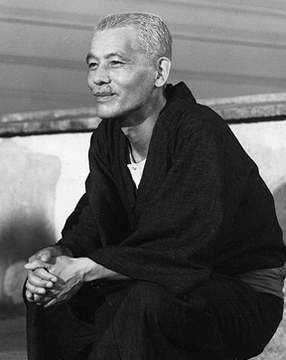
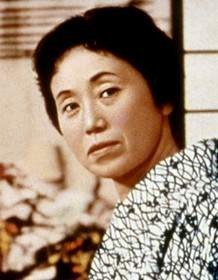
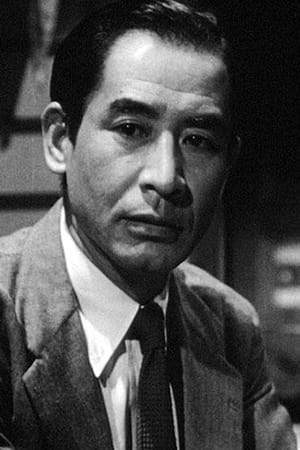
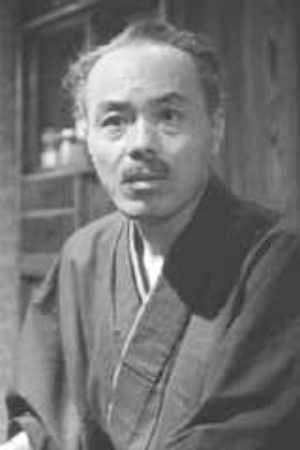
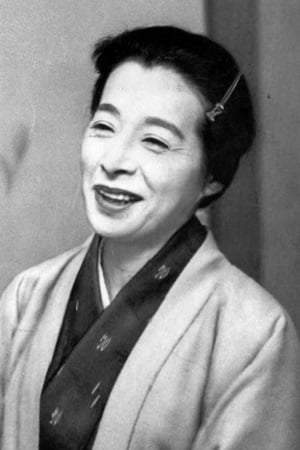
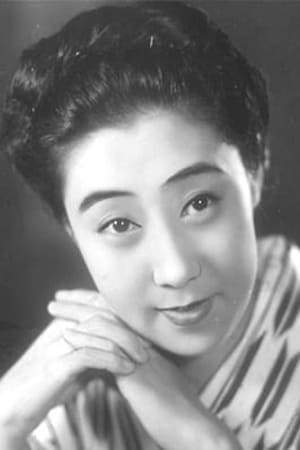
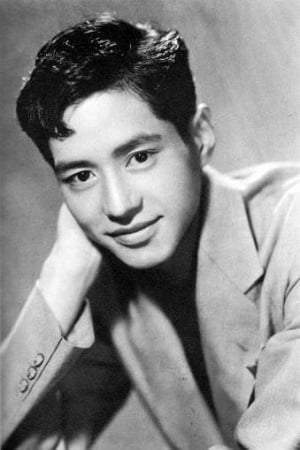
The actors and directors Kumeko Urabe shares the most films with. Chishû Ryû comes first, with 6 films together, followed by Haruko Sugimura (6).

Kumeko Urabe: Questions & Answers
How many movies Kumeko Urabe has made, the biggest hit, the best-rated film, the award record and more, answered from the filmography above.
How many movies has Kumeko Urabe been in?
Kumeko Urabe is credited on 46 films, from 1927 to 1987. The filmography on this page lists every one of them, newest first, with the role and the Movie Echo Score.
What is Kumeko Urabe's highest-grossing movie?
Street of Shame (1956) is Kumeko Urabe's biggest box office hit, with $7.55K worldwide, ahead of Sound in the Mist (1956) ($5.36K). Across every film with box office figures, Kumeko Urabe's movies have made $17.4K.
Kumeko Urabe's biggest hits What is Kumeko Urabe's newest movie?
The most recent film on Kumeko Urabe's filmography is Hachiko (1987), in the role of Tabacco Shop Owner.
Who does Kumeko Urabe work with most often?
Kumeko Urabe shares the most films with Chishû Ryû (6 films), Haruko Sugimura (6 films) and Sô Yamamura (6 films).
The Best Kumeko Urabe Movies, Ranked
Top rated, most awarded and biggest box office hits from 46 credits.
Coming soon to your phone
The Plot Explained Movie Summary App
From blockbusters to hidden gems: plot summaries, endings explained and timelines on your phone. Save your favorites and never miss a twist again.
Be the first to know when it launches. Your email stays private, always. Learn more about the app
