A Mother’s Love 1950


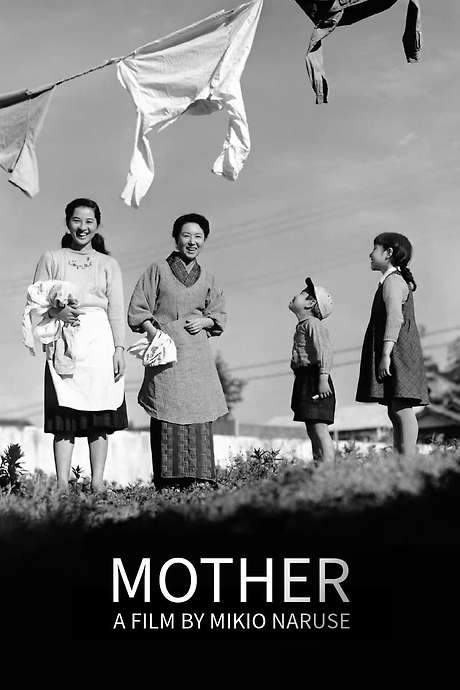
A bar girl tries to pass her three children, each from a different father, to rural relatives.


Does A Mother’s Love have end credit scenes?
No!
A Mother’s Love does not have end credit scenes. You can leave when the credits roll.
Meet the Full Cast and Actors of A Mother’s Love
Explore the complete cast of A Mother’s Love, including both lead and supporting actors. Learn who plays each character, discover their past roles and achievements, and find out what makes this ensemble cast stand out in the world of film and television.



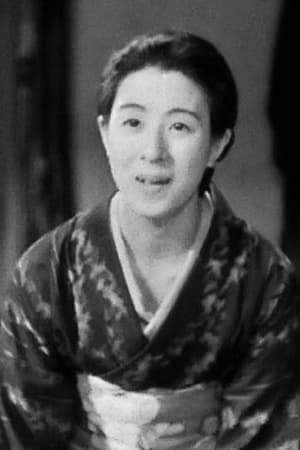

External Links and Streaming Options
Discover where to watch A Mother’s Love online, including streaming platforms, rental options, and official sources. Compare reviews, ratings, and in-depth movie information across sites like IMDb, TMDb, Wikipedia or Letterboxd.




Full Plot Summary and Ending Explained for A Mother’s Love
Read the complete plot summary of A Mother’s Love, including all major events, twists, and the full ending explained in detail. Explore key characters, themes, hidden meanings, and everything you need to understand the story from beginning to end.
Toshiko, a mother caring for three children from different fathers, leaves Tokyo to seek foster care for her brood, choosing to place them where they can be cared for while she continues to run her bar. Her plan unfolds in stages: she arranges for her daughter to be taken in by her brother Gentaro, who already has eight children, and she arranges for her younger son to stay with her uncle Yokogawa. With those arrangements in mind, she sets out toward the mountains to seek out Oseki, her former nurse who now runs a tea house, hoping for a kinder, more stable path for her family.
On the road, Toshiko crosses paths with an elderly woman who is looking after a grandchild. The story within a story behind this encounter shows the other side of motherhood: the child’s own mother, a member of a traveling troupe, refuses to give the child away despite the pressure of difficult circumstances. This moment frames Toshiko’s own choices against a backdrop of steadfast caregiving and the constraining social expectations of the time.
Toshiko’s journey leads her to a mountain inn where she stays with her elder son Fusao. There, life slows down and she falls ill, forcing her to move into a smaller room with the painter Takuoka as the inn fills up. The situation grows more complicated when Mitsuko, Toshiko’s business partner, pays a visit and becomes entangled with Takuoka, weaving personal connections into the fabric of Toshiko’s precarious plan.
Despite the interruptions and the discomfort, Toshiko eventually reaches Oseki. The initial impulse is to ask Oseki to take Fusao in as she had planned, hoping for relief and stability through another family’s care. But as the meeting unfolds and the practical realities set in, Toshiko makes a decisive choice: she will raise all of her children on her own, even if that means facing financial hardship. This decision marks a turning point, underscoring a steadfast commitment to her children and a willingness to shoulder the burdens of parenthood without waiting for external rescue.
The narrative moves with a quiet, observant tone, focusing on the daily pressures and moral commitments of a mother trying to navigate love, duty, and independence. The journey from the bustle of Tokyo to the quiet intensity of mountain life highlights a contrast between urban vitality and rural resilience, while the interactions with Gentaro, Yokogawa, Oseki, Fusao, and Takuoka illuminate the complexities of family ties, sacrifice, and personal resolve.
Throughout, the film presents a portrait of endurance and resolve, showing Toshiko’s boundary-pushing decision to keep her family intact by her own hands. It is a story of discretion and perseverance, where hope is found not by surrendering the children to easier solutions, but by choosing to face hardship head-on and to build a life with her children, one careful step at a time. The result is a thoughtful meditation on motherhood, responsibility, and the quiet power of a mother who chooses to chart her own course, even when every road ahead is uncertain.

Coming soon on iOS and Android
The Plot Explained Mobile App
From blockbusters to hidden gems — dive into movie stories anytime, anywhere. Save your favorites, discover plots faster, and never miss a twist again.
Sign up to be the first to know when we launch. Your email stays private — always.
Explore the mobile appDiscover Film Music Concerts Near You – Live Orchestras Performing Iconic Movie Soundtracks
Immerse yourself in the magic of cinema with live orchestral performances of your favorite film scores. From sweeping Hollywood blockbusters and animated classics to epic fantasy soundtracks, our curated listings connect you to upcoming film music events worldwide.
Explore concert film screenings paired with full orchestra concerts, read detailed event information, and secure your tickets for unforgettable evenings celebrating legendary composers like John Williams, Hans Zimmer, and more.


A Mother’s Love Themes and Keywords
Discover the central themes, ideas, and keywords that define the movie’s story, tone, and message. Analyze the film’s deeper meanings, genre influences, and recurring concepts.
A Mother’s Love Other Names and Titles
Explore the various alternative titles, translations, and other names used for A Mother’s Love across different regions and languages. Understand how the film is marketed and recognized worldwide.
Similar Movies To A Mother’s Love You Should Know About
Browse a curated list of movies similar in genre, tone, characters, or story structure. Discover new titles like the one you're watching, perfect for fans of related plots, vibes, or cinematic styles.







Quick Links: Summary, Cast, Ratings, More

What's After the Movie?
Not sure whether to stay after the credits? Find out!
Check out our other apps:

SAT Sphere
Build confidence for the Digital SAT.

Mori Atlas
Discover wild places worth protecting.

Luntero
Search smarter for a home in Amsterdam.

Plot Explained
Unravel movie endings and hidden clues.

Pokechamp
Dive into Pokémon data and battle logic.

Driving Theory
Get ready for your European theory test.

Movie Dust
Plan your next cinema trip with ease.

Musemap
Find art and culture as you travel.

Selkobase
Compare credentials before committing.

Local Manual
Turn an unfamiliar country into practical next steps.

Lernavi
Compare school systems before your next move.

GymRoam
Find a workout stop wherever your plans take you.
Explore Our Movie Platform
New Movie Releases (2026)
Famous Movie Actors
Top Film Production Studios
Movie Plot Summaries & Endings
Major Movie Awards & Winners
Best Concert Films & Music Documentaries
Movie Collections and Curated Lists
© 2026 What's After the Movie. All rights reserved.
Privacy Policy