

Eitarô Shindô: Movies & Box Office
- films
- 37
- on screen
- 1936–1975
- box office
- $844K
- Born
- November 10, 1899
- Birthplace
- Fukuoka, Japan
- Full name
- Eitarō Shindō
- Citizenship
- Japanese
- Occupations
- Actor
- Years active
- 1926-1976
The Best Eitarô Shindô Movies
The films of Eitarô Shindô that made the most at the worldwide box office, biggest first: Mother Never Dies (1942) leads with $750K. The full ranking adds the most awarded films and the newest releases.
-
 Worldwide box office: $750K Mother Never Dies 1942 · Drama
 -
 Worldwide box office: $47K Drunken Angel 1948 · Drama
 -
 Worldwide box office: $17.8K Sisters of the Gion 1936 · Drama
 -
 Worldwide box office: $9.4K Princess Yang Kwei-fei 1955 · Drama
 -
 Worldwide box office: $7.55K Street of Shame 1956 · Drama
 -
 Worldwide box office: $6.92K The Life of Oharu 1952 · Drama
Eitarô Shindô's Career in Numbers
Eitarô Shindô's films in numbers — as an actor, not counting appearances as themselves: when they were made, the genres Eitarô Shindô works in most and the milestones along the way. The filmography runs from Sisters of the Gion (1936) to Kenji Mizoguchi: The Life of a Film Director (1975), and the 1950s were the busiest decade.
Eitarô Shindô Movies by Decade
- 1930s 3
- 1940s 6
- 1950s 20
- 1960s 7
- 1970s 1
The 1950s were Eitarô Shindô's busiest decade, with 20 films.
Eitarô Shindô Movies by Genre
- Drama 24
- Romance 4
- History 3
- Documentary 1
- Thriller 1
- Action 1
- Adventure 1
- Comedy 1
Drama is the genre Eitarô Shindô has worked in most, with 24 films, ahead of romance (4).
Eitarô Shindô Career Milestones
- First film
- Sisters of the Gion 1936
- Biggest box office hit
- Mother Never Dies $750K worldwide
- Newest film
- Kenji Mizoguchi: The Life of a Film Director 1975
Eitarô Shindô Filmography: Every Movie
Every film Eitarô Shindô is credited on, newest first, with the role, the box office and the Movie Echo Score. Re-order the list to see the best-rated films or the biggest hits first.
- 1975
 Kenji Mizoguchi: The Life of a Film Director Documentary
 - 1967
 Rebellion of Japan Romance
 - 1964
 Revenge as Koetsu · Thriller
 - 1964
 Warrior of the Wind History
 - 1963
 A House in the Quarter Romance
 - 1962
 The Body Drama
 - 1961
 The Conspirator Drama
 - 1961
 Festival of Swordsmen Action
 - 1959
 An Actor’s Revenge Drama
 - 1959
 Chikamatsu’s Love in Osaka Romance
 - 1956 Street of Shame as Kurazô Taya · Drama Worldwide box office: $7.55K
- 1956
 Three Women Around Yoshinaka Romance
 - 1955
 Taira Clan Saga as Banboku · Drama
 - 1955 Princess Yang Kwei-fei as Kao Li-hsi · Drama Worldwide box office: $9.4K
- 1955
 Bloody Spear at Mount Fuji as Pilgrim · Adventure
 - 1955
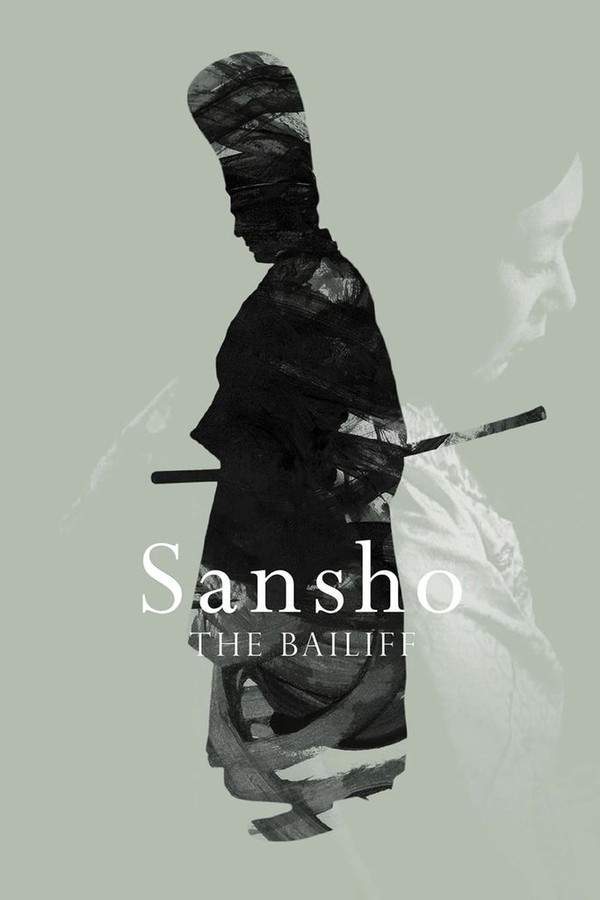 Sansho the Bailiff Drama Worldwide box office: $5.27K
 - 1954
 The Crucified Lovers as Ishun · Drama
 - 1954
 The Woman in the Rumor as Yasuichi Harada · Drama
 - 1953
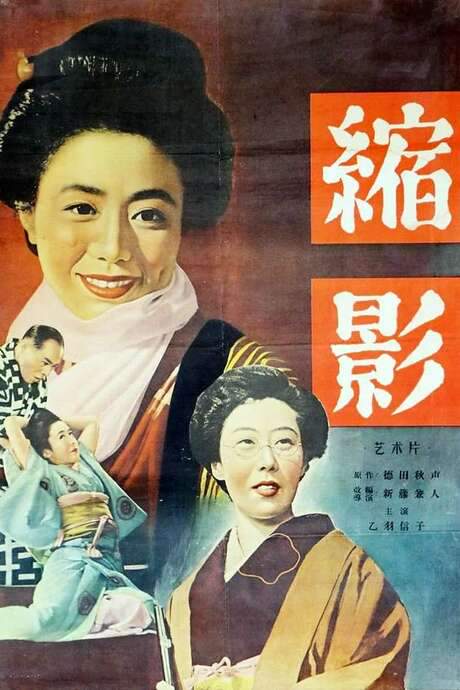 Miniature Drama
 - 1952
 Sisters of Nishijin Drama
 - 1952 The Life of Oharu as Kahe Sasaya · Drama Worldwide box office: $6.92K
- 1951
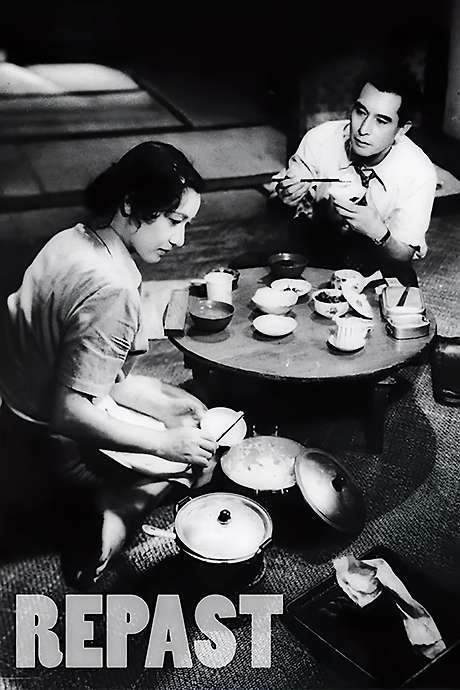 Repast as (uncredited) · Drama
 - 1951
 Five Men of Edo as Gonhei · Drama
 - 1951
 The Tale of Genji as Minister of the Right · Drama
 - 1951
 Clothes of Deception as Isehama · Drama
 - 1950
 Battle of Roses Drama
 - 1950
 Fencing Master
 - 1950
 Conduct Report on Professor Ishinaka as Yamazaki · Comedy
 - 1948 Drunken Angel as Takahama · Drama Worldwide box office: $47K
- 1946
 A Descendant of Urashima Taro Drama
 - 1944
 The Way of Drama Drama
 - 1942
 The War at Sea from Hawaii to Malaya as Kurimoto · History
 - 1942 Mother Never Dies Drama Worldwide box office: $750K
- 1941
 The Battle of Kawanakajima as Samanosuke Karasaki · History
 - 1939
 Flower Picking Diary Drama
 - 1936 Sisters of the Gion as Kudo · Drama Worldwide box office: $17.8K
- 1936
 Osaka Elegy as Yoshizo Fujino · Drama
Who Is Eitarô Shindô?
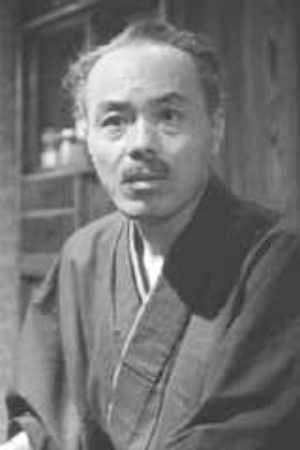
Eitarô Shindô was born in Fukuoka, Japan in 1899. Credited on films since 1936, as an actor. The background, training and the roles that shaped the career.
Eitarō Shindō (進藤 英太郎, Shindō Eitarō) was born on 10 November 1899 in Fukuoka, Japan, and grew up during the transformative Taishō and early Shōwa periods, which profoundly shaped his artistic sensibilities. From a young age he was drawn to the emerging world of cinema, initially working behind the scenes before making his screen debut in the mid‑1920s. Over a career that spanned five decades, Shindō became one of Japan’s most prolific character actors, appearing in more than three hundred films between 1936 and 1975. His early roles often depicted the hardships of ordinary citizens, allowing him to develop a subtle, naturalistic acting style that would later become his hallmark. By the late 1930s he had secured regular work with major studios such as Nikkatsu and Daiei, and his reliable presence made him a fixture in both studio productions and independent projects. Shindō is perhaps best remembered for his longstanding collaboration with the master director Kenji Mizoguchi, appearing in twelve of Mizoguchi’s films and contributing to some of the most celebrated works of Japanese cinema. Notable performances include the anguished husband in The Life of Oharu (1952), a supporting role in the haunting Sansho the Bailiff (1954), and a memorable turn in Street of Shame (1956), Mizoguchi’s final film. He also worked with other eminent directors such as Akira Kurosawa, appearing in Drunken Angel (1948), and with Masaki Kobayashi in The Crucified Lovers (1954). Throughout his career Shindō displayed remarkable versatility, seamlessly shifting from tragic melodramas to period pieces like Princess Yang Kwei‑Fei (1955) and contemporary dramas such as Aru yo no Tonosama (1946). His dedication to the craft earned him respect from peers and critics alike, and his extensive filmography continues to be studied by scholars of Japanese film history. Even after his death on 18 February 1977 in Tokyo, Shindō’s performances remain a vital part of Japan’s cinematic heritage, offering insight into the social and cultural currents that shaped the nation throughout the twentieth century.
Who Eitarô Shindô Makes Movies With
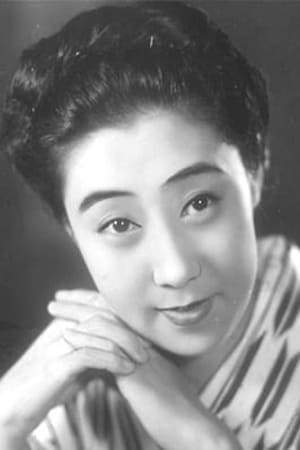
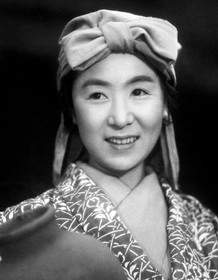
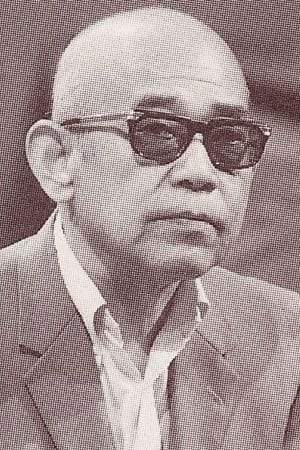
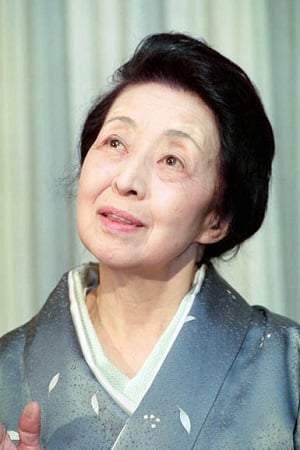
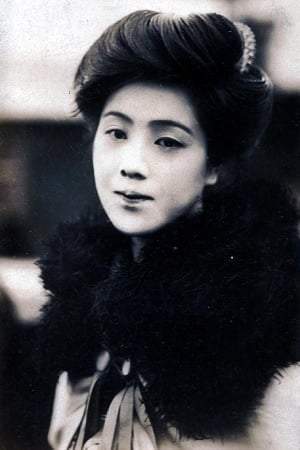
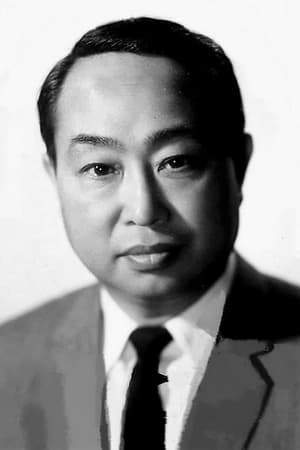
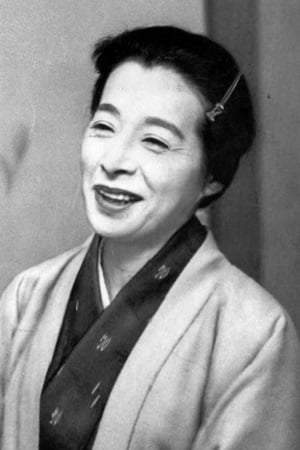
The actors and directors Eitarô Shindô shares the most films with. Ichirô Sugai comes first, with 10 films together, followed by Isuzu Yamada (9).
Eitarô Shindô: Questions & Answers
How many movies Eitarô Shindô has made, the biggest hit, the best-rated film, the award record and more, answered from the filmography above.
How many movies has Eitarô Shindô been in?
Eitarô Shindô is credited on 37 films, from 1936 to 1975. The filmography on this page lists every one of them, newest first, with the role and the Movie Echo Score.
What is Eitarô Shindô's highest-grossing movie?
Mother Never Dies (1942) is Eitarô Shindô's biggest box office hit, with $750K worldwide, ahead of Drunken Angel (1948) ($47K). Across every film with box office figures, Eitarô Shindô's movies have made $844K.
Eitarô Shindô's biggest hits What is Eitarô Shindô's newest movie?
The most recent film on Eitarô Shindô's filmography is Kenji Mizoguchi: The Life of a Film Director (1975).
Who does Eitarô Shindô work with most often?
Eitarô Shindô shares the most films with Ichirô Sugai (10 films), Isuzu Yamada (9 films) and Kinuyo Tanaka (6 films).
The Best Eitarô Shindô Movies, Ranked
Top rated, most awarded and biggest box office hits from 37 credits.
Coming soon to your phone
The Plot Explained Movie Summary App
From blockbusters to hidden gems: plot summaries, endings explained and timelines on your phone. Save your favorites and never miss a twist again.
Be the first to know when it launches. Your email stays private, always. Learn more about the app
