The Conspirator 1961


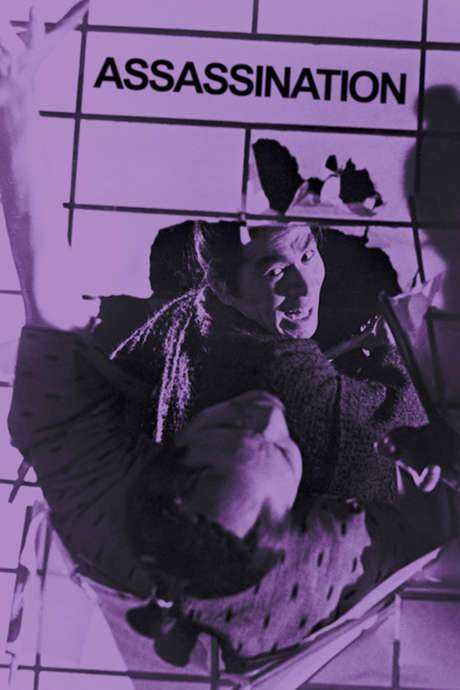
Lord Saburo Nobuyasu, a young samurai, finds little solace in his life. His arranged marriage to Tokuhime — the daughter of former rival Oda Nobunaga — brings scant happiness. Complicating matters, his scheming mother constantly interferes, seeking to undermine the Nobunaga clan and tighten her own grip on power.


Does The Conspirator have end credit scenes?
No!
The Conspirator does not have end credit scenes. You can leave when the credits roll.
Meet the Full Cast and Actors of The Conspirator
Explore the complete cast of The Conspirator, including both lead and supporting actors. Learn who plays each character, discover their past roles and achievements, and find out what makes this ensemble cast stand out in the world of film and television.
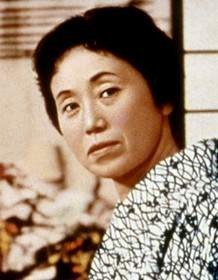
Haruko Sugimura
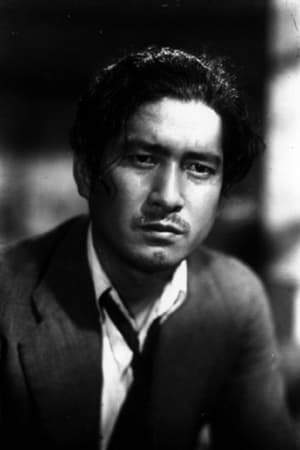
Shûji Sano

Akitake Kôno
Eitarô Shindô
Ken Mitsuda
Akiko Kazami
Kaneko Iwasaki
Chōichirō Kawarasaki
Chiyonosuke Azuma
Kinji Nakamura
Hiroko Sakuramachi
Ryōsuke Kagawa
Kinnosuke Nakamura
Haruko Izumi
Ryūnosuke Tsukigata
Ikkō Ōkuni
Kensaku Hara
Kinjirô Tooyama
Tsukie Matsuura
Ushio Akashi
Eijirō Kataoka
Hanzō Kataoka
Noriko Kitazawa
Shōji Yasui
Keiko Kuga
Chizuru Kitagawa
Mitsuo Asano
Makoto Takagiri
Utanosuke Arashi
External Links and Streaming Options
Discover where to watch The Conspirator online, including streaming platforms, rental options, and official sources. Compare reviews, ratings, and in-depth movie information across sites like IMDb, TMDb, Wikipedia or Letterboxd.




Take the Ultimate The Conspirator Movie Quiz
Challenge your knowledge of The Conspirator with this fun and interactive movie quiz. Test yourself on key plot points, iconic characters, hidden details, and memorable moments to see how well you really know the film.
The Conspirator (1961) Movie Quiz: Test your knowledge about the historical事件 and characters depicted in the 1961 film 'The Conspirator'.
Who is the main defense lawyer in the film?
Full Plot Summary and Ending Explained for The Conspirator
Read the complete plot summary of The Conspirator, including all major events, twists, and the full ending explained in detail. Explore key characters, themes, hidden meanings, and everything you need to understand the story from beginning to end.
On April 14, 1865, just five days after the Civil War concluded with Robert E. Lee surrendering to Ulysses S. Grant at Appomattox Court House in Virginia, a series of dramatic and tragic events unfolded that would change the course of American history forever. The day began with celebrations among Union supporters, including Frederick Aiken, a dedicated lawyer and Union veteran. Fellow friends William Thomas Hamilton and Nicholas Baker, along with Aiken’s wife, Sarah Weston, joined in the festivities. Little did they know, the night would bring shock and horror through a carefully orchestrated conspiracy.
Later that evening, the infamous actor John Wilkes Booth, played by shji-sano, infiltrated Ford’s Theater, where President Abraham Lincoln was watching the play Our American Cousin. Booth managed to silently enter the President’s box and, without hesitation, shot Lincoln in the back of the head. During this act of assassination, Booth also stabbed Henry Rathbone, a guest in the box, and then leapt onto the stage, shouting the infamous “Sic Semper Tyrannis!”, meaning “Thus always to tyrants,” a Southern slogan expressing vengeance. The assassin escaped into Maryland, but his actions set off a chain of events that shocked the nation.
Meanwhile, other members of the conspiracy attempted to carry out their own assassinations. Lewis Powell (referred to as Lewis Payne in the film), a Southern sympathizer, attacked William Seward, the Secretary of State, leaving him fatally wounded but alive. George Atzerodt, a German immigrant and carriage repair business owner, was assigned to kill Vice President Andrew Johnson but, overwhelmed by fear, became intoxicated and fled, failing his mission. The chaos culminated in Booth’s dramatic escape into the night, while President Lincoln, gravely wounded, was taken to a nearby boarding house. Despite efforts to save him, Lincoln succumbed to his injuries early the next morning, leaving Andrew Johnson to assume the presidency in a nation grieved and divided.
In the aftermath, Secretary of War Edwin Stanton swiftly ordered the arrest of all individuals connected to the conspiracy. Among those targeted was Mary Surratt, a boarding house owner, who was accused of conspiring with Booth and others. Booth and David Herold, another conspirator, evaded capture for several days. That period saw intense searches, including a fiery confrontation near a Maryland barn, where Union soldiers suspected Booth and Herold were hiding. Herold surrendered, but Booth was shot and killed by Sergeant Boston Corbett when he tried to raise a rifle.
Mary Surratt’s trial drew intense public attention. Reverdy Johnson, Maryland’s senator and her defense attorney, found himself defending her against mounting evidence. Her son, John Surratt, escaped into hiding, prompting a nationwide manhunt. The accused also included Herold, Powell, Atzerodt, Michael O’Laughlen, Edman Spangler, Samuel Mudd, and Samuel Arnold.
Frederick Aiken, initially hesitant, was appointed as Mary Surratt’s defense lawyer. During the trial, Aiken sought truth and justice by questioning witnesses such as Louis J. Weichmann, who was connected to Mary’s son and associated with Booth. Weichmann’s testimony linked Mary to the conspirators’ meetings. Although Aiken believed Mary might be guilty, she insisted she only conspired to kidnap Lincoln, not assassinate him, and that her son John was not involved in the plot at the time of Lincoln’s death. She claimed John left town weeks before the murder, and she was unaware of his whereabouts.
Throughout the trial, Aiken’s efforts were met with opposition. His association with Mary cost him his membership at the Century Club, leading to personal and professional conflicts. Despite these challenges, he continued to investigate, seeking evidence and attempting to prove her innocence. His interactions with Mary, her family, and witnesses underscored the complex emotions and political tensions of the case.
Ultimately, Mary Surratt was found guilty on all charges on July 6. Her initial sentence of life imprisonment was later commuted to execution, and despite Aiken’s attempt to secure her release via a writ of habeas corpus, President Andrew Johnson suspended the court’s decision. Mary and her fellow conspirators Powell, Herold, and Atzerodt were executed by hanging, symbolizing the tragic end of a controversial chapter in American history.
Following the executions, Aiken visited John Surratt, still in captivity abroad. The young man declined to accept Mary’s rosary but expressed gratitude for Aiken’s kindness. The story closes with a note on justice: a year later, the Supreme Court ruled that even in wartime, citizens were entitled to trial by civilian jury — an important legal principle established by Ex parte Milligan. John Surratt’s case remained unresolved for years, and he was eventually released when the jury could not reach a verdict. Disillusioned with the law, Aiken left behind his legal career to become the first City Editor for The Washington Post, leaving a lasting legacy in both journalism and legal history.

Coming soon on iOS and Android
The Plot Explained Mobile App
From blockbusters to hidden gems — dive into movie stories anytime, anywhere. Save your favorites, discover plots faster, and never miss a twist again.
Sign up to be the first to know when we launch. Your email stays private — always.
Explore the mobile appDiscover Film Music Concerts Near You – Live Orchestras Performing Iconic Movie Soundtracks
Immerse yourself in the magic of cinema with live orchestral performances of your favorite film scores. From sweeping Hollywood blockbusters and animated classics to epic fantasy soundtracks, our curated listings connect you to upcoming film music events worldwide.
Explore concert film screenings paired with full orchestra concerts, read detailed event information, and secure your tickets for unforgettable evenings celebrating legendary composers like John Williams, Hans Zimmer, and more.


The Conspirator Themes and Keywords
Discover the central themes, ideas, and keywords that define the movie’s story, tone, and message. Analyze the film’s deeper meanings, genre influences, and recurring concepts.

Unlock the World of Movies with Our Comprehensive Wiki
Dive into our Movie Wiki for in-depth film encyclopedia entries, including cast biographies, production trivia, plot synopses, behind-the-scenes facts, and thematic analyses. Whether you’re researching iconic directors, exploring genre histories, or discovering hidden easter eggs, our expertly curated movie database has everything you need to fuel your cinematic passion.
Similar Movies To The Conspirator You Should Know About
Browse a curated list of movies similar in genre, tone, characters, or story structure. Discover new titles like the one you're watching, perfect for fans of related plots, vibes, or cinematic styles.






Quick Links: Summary, Cast, Ratings, More

What's After the Movie?
Not sure whether to stay after the credits? Find out!
Check out our other apps:

SAT Sphere
Build confidence for the Digital SAT.

Mori Atlas
Discover wild places worth protecting.

Luntero
Search smarter for a home in Amsterdam.

Plot Explained
Unravel movie endings and hidden clues.

Pokechamp
Dive into Pokémon data and battle logic.

Driving Theory
Get ready for your European theory test.

Movie Dust
Plan your next cinema trip with ease.

Musemap
Find art and culture as you travel.

Selkobase
Compare credentials before committing.

Local Manual
Turn an unfamiliar country into practical next steps.

Lernavi
Compare school systems before your next move.

GymRoam
Find a workout stop wherever your plans take you.
Explore Our Movie Platform
New Movie Releases (2026)
Famous Movie Actors
Top Film Production Studios
Movie Plot Summaries & Endings
Major Movie Awards & Winners
Best Concert Films & Music Documentaries
Movie Collections and Curated Lists
© 2026 What's After the Movie. All rights reserved.
Privacy Policy