You Don’t Know Jack 2010


Is this the face of a killer? Controversy and legal problems follow Dr. Jack Kevorkian as he advocates assisted suicide.


Does You Don’t Know Jack have end credit scenes?
No!
You Don’t Know Jack does not have end credit scenes. You can leave when the credits roll.
Meet the Full Cast and Actors of You Don’t Know Jack
Explore the complete cast of You Don’t Know Jack, including both lead and supporting actors. Learn who plays each character, discover their past roles and achievements, and find out what makes this ensemble cast stand out in the world of film and television.

Danny Huston
Geoffrey Fieger
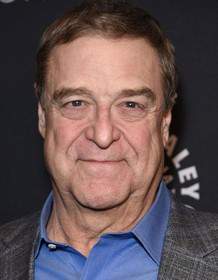
John Goodman
Neal Nicol
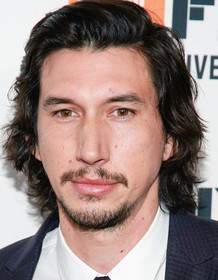
Adam Driver
Glen Stetson
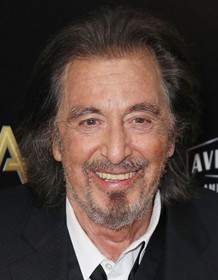
Al Pacino
Dr. Jack Kevorkian

Deborah Hedwall
Melody Youk

Susan Sarandon
Janet Good
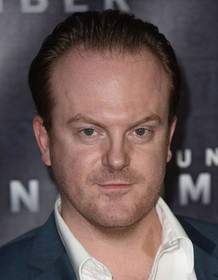
Jeremy Bobb
David Rivlin
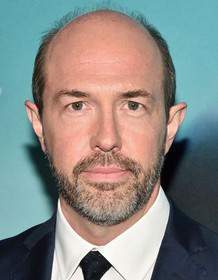
Eric Lange
John Skrzynski
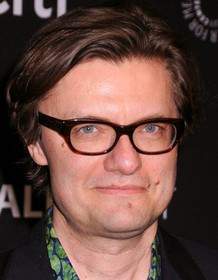
James Urbaniak
Jack Lessenberry
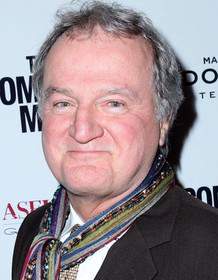
Tom Kemp
Carl Marlinga

Ana Reeder
Lynn Mills

Brenda Vaccaro
Margo Janus

Jason Babinsky
Detective
Daryl Edwards
Judge Jackson

Deirdre O'Connell
Linda
Bill Walters
Michigan Inmate (uncredited)
Todd Susman
Stan Levy
Cotter Smith
Dick Thompson

Rutanya Alda
Vendor
Richard Council
Judge David Breck
Jennifer Mudge
Female Reporter
Meghan Rafferty
Female Reporter
Danielle McKee
Dorothy Lessenberry
Delaney Williams
Detective #1
Henny Russell
Oakhill Spokesperson
Henry Strozier
Oakhill Doctor
Sandra Seacat
Janet Adkins
Neil Brooks Cunningham
Rod Adkins
David Wilson Barnes
David Gorcyca
John Rue
Ray Good
Allen Lewis Rickman
Dr. Dragovic
Kris Eivers
Deputy
Teresa Yenque
Isabel Correa
Jamie Tirelli
Trino Correa
John Henry Cox
Mr. Kinsey
Jonathan Teague Cook
Hugh Gale
Mason Pettit
Construction Worker
Jordan Lage
Beaumont Doctor
Rondi Reed
Judge Cooper
Adam Mucci
Dave Gorosh
Bill Edwards
On-the-Street Interviewee
Kevin Cannon
Defendant (uncredited)
Peter Conboy
Oakland County Deputy (uncredited)
John Farrer
Hemlock Society Member (uncredited)
Renee Fishman
Stenographer (uncredited)
Jacqueline Forton
Protester (uncredited)
Rennel Turner
Protester (uncredited)
Moe Hindi
Paparazzi Photographer (uncredited)
Kevin Janaway
Celebrity Party-Goer (uncredited)
Joseph John Justin
Inmate (uncredited)
Frosty Lawson
Background with Car (uncredited)
Addison LeMay
Reporter (uncredited)
Bill Lumbert
Supporter (uncredited)
Dwayne Roszkowski
Gentleman at Courthouse (uncredited)
External Links and Streaming Options
Discover where to watch You Don’t Know Jack online, including streaming platforms, rental options, and official sources. Compare reviews, ratings, and in-depth movie information across sites like IMDb, TMDb, Wikipedia or Rotten Tomatoes.






Full Plot Summary and Ending Explained for You Don’t Know Jack
Read the complete plot summary of You Don’t Know Jack, including all major events, twists, and the full ending explained in detail. Explore key characters, themes, hidden meanings, and everything you need to understand the story from beginning to end.
Dr. Jack Kevorkian is inspired to act after seeing the suffering of a quadriplegic named David Rivlin and recalling his mother Satenig’s death from many years before. From these impulses, he builds his first “Mercitron” using parts bought at a flea market, a device he imagines could bring a quicker, less painful end. He meets with Rivlin and demonstrates the plan, explaining that an intravenous sequence would first deliver a harmless saline solution, then Sodium thiopental to induce a coma, and finally potassium chloride to stop the heart. The procedure is not simple, though; obtaining the necessary drugs proves expensive and difficult, prompting Kevorkian to experiment with a cheaper method using tanks of carbon monoxide. Rivlin grows agitated, and Kevorkian is forced to depart, leaving Rivlin to be removed from his respirator while food and water are withheld.
In a later interview with reporter Jack Lessenberry, Kevorkian openly denounces what he sees as the cruel, unnecessarily painful ways people die and argues that his own method would offer a more humane alternative. He frames himself as someone who provides a means to end suffering, insisting that patients themselves initiate the process and that he has turned down the vast majority of requests he receives.
Kevorkian’s public profile rises when his first patient, Janet Adkins, a 53-year-old Oregon woman living with Alzheimer’s disease, dies with his help on a summer day in 1990. Her case marks the beginning of Kevorkian’s more active involvement, and he continues to assist other patients who seek relief from unbearable pain and hopeless prognosis. Supporters argue that he offers a necessary service and challenges government authority over personal life-and-death decisions. They contend that he respects patient choice and provides options that authorities should not deny.
Critics, however, see a moral boundary being crossed and label Kevorkian as reckless or even murderous. The debate intensifies as state prosecutors pursue him. In the early years, the prosecution—an Oakland County prosecutor in particular—struggles to secure a conviction against him, arguing that Michigan’s laws are too weak to address his actions, while others push for stronger statutes. The political moment shifts in 1998 when a change in leadership brings a more aggressive approach to prosecuting assisted suicides, though the new leadership shares a focus on controlling the legal boundaries surrounding Kevorkian’s work.
The case reaches a turning point with the death of Thomas Youk, a man with advanced ALS who cannot administer the drugs himself. Kevorkian personally administers the fatal dose, and a video of Youk’s death is aired as part of Kevorkian’s interview with a major television program. The broadcast leads to an indictment, and, despite the efforts of Youk’s widow Melody and his brother Terry to defend him, Kevorkian is eventually convicted of second-degree murder. He chooses to represent himself at trial, a legal maneuver that contrasts with the role of his former attorney, Geoffrey Fieger. The verdict results in a prison sentence of 10 to 25 years.
The court’s decision to allow a direct challenge to the limits of assisted suicide does not come to fruition, and Kevorkian’s bid to have the issue heard by the United States Supreme Court is declined. He serves more than eight years before being released in June 2007. The narrative leaves audiences with a portrait of a controversial figure whose actions sparked an enduring, nationwide conversation about autonomy, suffering, and the role of medicine in the end of life.

Coming soon on iOS and Android
The Plot Explained Mobile App
From blockbusters to hidden gems — dive into movie stories anytime, anywhere. Save your favorites, discover plots faster, and never miss a twist again.
Sign up to be the first to know when we launch. Your email stays private — always.
Explore the mobile appWatch Trailers, Clips & Behind-the-Scenes for You Don’t Know Jack
Watch official trailers, exclusive clips, cast interviews, and behind-the-scenes footage from You Don’t Know Jack. Dive deeper into the making of the film, its standout moments, and key production insights.
You Don’t Know Jack Other Names and Titles
Explore the various alternative titles, translations, and other names used for You Don’t Know Jack across different regions and languages. Understand how the film is marketed and recognized worldwide.
Quick Links: Summary, Cast, Ratings, More

What's After the Movie?
Not sure whether to stay after the credits? Find out!
Check out our other apps:

SAT Sphere
Build confidence for the Digital SAT.

Mori Atlas
Discover wild places worth protecting.

Luntero
Search smarter for a home in Amsterdam.

Plot Explained
Unravel movie endings and hidden clues.

Pokechamp
Dive into Pokémon data and battle logic.

Driving Theory
Get ready for your European theory test.

Movie Dust
Plan your next cinema trip with ease.

Musemap
Find art and culture as you travel.

Selkobase
Compare credentials before committing.

Local Manual
Turn an unfamiliar country into practical next steps.

Lernavi
Compare school systems before your next move.

GymRoam
Find a workout stop wherever your plans take you.
Explore Our Movie Platform
New Movie Releases (2026)
Famous Movie Actors
Top Film Production Studios
Movie Plot Summaries & Endings
Major Movie Awards & Winners
Best Concert Films & Music Documentaries
Movie Collections and Curated Lists
© 2026 What's After the Movie. All rights reserved.
Privacy Policy