Walkout 2006


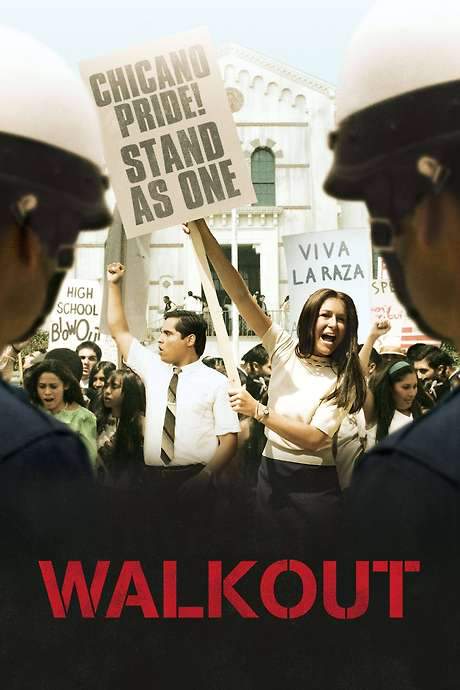
Based on true events, the film follows Sal Castro, a young Mexican‑American teacher in East Los Angeles who guides his students as they organize a peaceful walkout to demand better conditions and equal treatment in the public schools. Set amid the 1968 civil‑rights era, the story highlights their courage, the fight for justice and empowerment.

Does Walkout have end credit scenes?
No!
Walkout does not have end credit scenes. You can leave when the credits roll.
Where to Watch Walkout
See current US streaming, rental, and purchase options for Walkout (2006) via JustWatch.







Meet the Full Cast and Actors of Walkout
Explore the complete cast of Walkout, including both lead and supporting actors. Learn who plays each character, discover their past roles and achievements, and find out what makes this ensemble cast stand out in the world of film and television.

P.J. Byrne
Teacher with Paddle
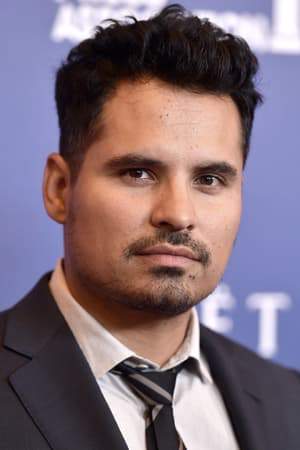
Michael Peña
Sal Castro
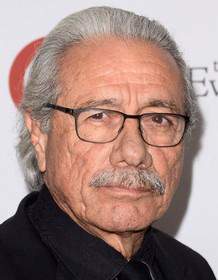
Edward James Olmos
Julian Nava

Laura Harring
Francis Crisostomo
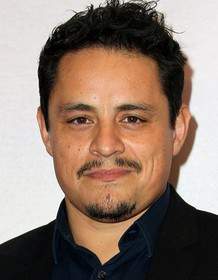
Jesse Garcia
Armando Lopez

Douglas Spain
David Sanchez
Yancey Arias
Panfilo Crisostomo
David Warshofsky
Lloyd Hurley

Alexa PenaVega
Paula Crisostomo
Tonantzin Esparza
Vickie Castro
Efren Ramirez
Bobby Verdugo
Holmes Osborne
Principal Ingles
Luis Chávez
Payaso
Tim DeKay
Mr. Peck
Ivan Padilla
Harry Gamboa
Bruce French
Chief Tom Reddin
Jonathan Hernandez
Fernie Flores
Pablo Santos
Mickey Fernandez
Bodie Olmos
Moctesuma Esparza
External Links and Streaming Options
Discover where to watch Walkout online, including streaming platforms, rental options, and official sources. Compare reviews, ratings, and in-depth movie information across sites like IMDb, TMDb, Wikipedia or Rotten Tomatoes.





Take the Ultimate Walkout Movie Quiz
Challenge your knowledge of Walkout with this fun and interactive movie quiz. Test yourself on key plot points, iconic characters, hidden details, and memorable moments to see how well you really know the film.
Walkout (2006): A dramatized account of the 2006 East Los Angeles student protests, following high‑school activist Paula Crisostomo as she challenges discriminatory school policies and leads a series of walkouts demanding equal rights and better educational opportunities.
Which student becomes the primary leader of the walkout movement?
Full Plot Summary and Ending Explained for Walkout
Read the complete plot summary of Walkout, including all major events, twists, and the full ending explained in detail. Explore key characters, themes, hidden meanings, and everything you need to understand the story from beginning to end.
In East Los Angeles, several high schools mistreat Hispanic students—punishing them for speaking Spanish, locking bathrooms during lunch, assigning janitorial work as discipline, and quietly dissuading less-promising students from aiming for college. Paula Crisostomo grows tired of this inequality and, inspired by her Chicano teacher Sal Castro and facing opposition from her father, joins forces with student activists to seek real change.
A diverse group from across the city’s campuses bands together, with two or three students representing each school. Paula becomes especially drawn to one fellow student, Robert, as they begin to map out a plan. They collect surveys to document the problems and propose concrete improvements, then submit the results to the school board. The board refuses to consider the suggestions, sparking momentum for more drastic action.
During a heated meeting, Paula urges the students to walk out, a bold move that meets stiff resistance from authorities. The principal, Principal Ingles, threatens to expel Paula if she continues, and her father denounces the group as agitators. Undeterred, the movement gains traction: five East LA schools agree to walk out, and the event makes national headlines. Yet the school board’s cautious response leaves the Brown Berets hungry for more, while Paula’s father grapples with the upheaval at home.
The next phase sees the walkouts expanded to half of the schools, but this escalation comes at a price: police arrest and beat the protesters, and television coverage skews toward portraying the demonstrators as violent agitators with alleged Communist ties while crucial footage of police brutality is omitted. To protect the students, Paula extends an invitation to the families of the protesters, hoping a stronger collective presence will deter further violence.
With renewed family support, the students walk out again, and the school board finally agrees to listen. Paula also asks a reluctant Robert to attend prom, signaling a moment of personal connection amid the upheaval. However, the crackdown intensifies: twelve of the movement’s leaders—some from the Brown Berets—are suddenly arrested. The group discovers that Robert, an undercover LAPD officer, has been feeding information to the police and assisting in the arrests.
The charges escalate to conspiracy to disrupt a school, carrying a potential penalty of up to 66 years. Paula feels crushed, but her father encourages her not to give up. She helps organize a massive protest outside the jail, drawing in more supporters even as Robert tries to intervene. The crowd’s persistence pays off: all twelve students, along with Sal Castro, are ultimately released.
In the closing moments, the film presents real accounts from those involved in the walkouts, underscoring the lasting impact on the community. The epilogue notes a steady rise in Hispanic enrollment in Los Angeles colleges, signaling a shift that began with these courageous protests.

Coming soon on iOS and Android
The Plot Explained Mobile App
From blockbusters to hidden gems — dive into movie stories anytime, anywhere. Save your favorites, discover plots faster, and never miss a twist again.
Sign up to be the first to know when we launch. Your email stays private — always.
Explore the mobile appDiscover Film Music Concerts Near You – Live Orchestras Performing Iconic Movie Soundtracks
Immerse yourself in the magic of cinema with live orchestral performances of your favorite film scores. From sweeping Hollywood blockbusters and animated classics to epic fantasy soundtracks, our curated listings connect you to upcoming film music events worldwide.
Explore concert film screenings paired with full orchestra concerts, read detailed event information, and secure your tickets for unforgettable evenings celebrating legendary composers like John Williams, Hans Zimmer, and more.


Walkout Themes and Keywords
Discover the central themes, ideas, and keywords that define the movie’s story, tone, and message. Analyze the film’s deeper meanings, genre influences, and recurring concepts.
Walkout Other Names and Titles
Explore the various alternative titles, translations, and other names used for Walkout across different regions and languages. Understand how the film is marketed and recognized worldwide.
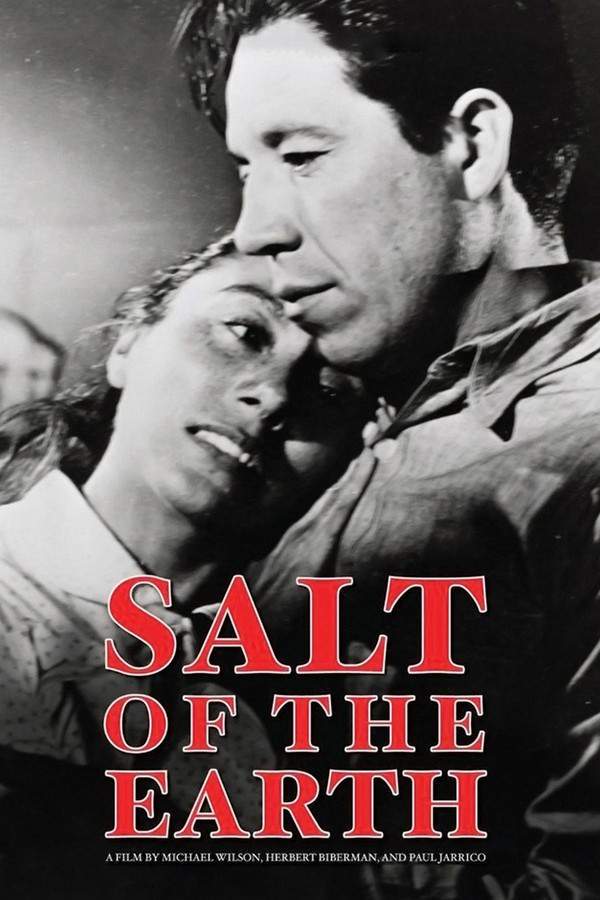
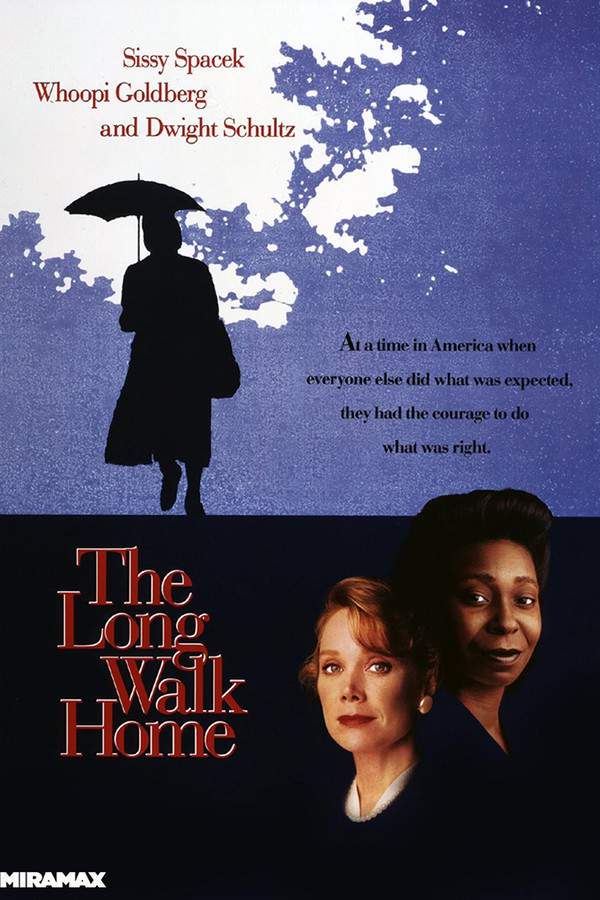
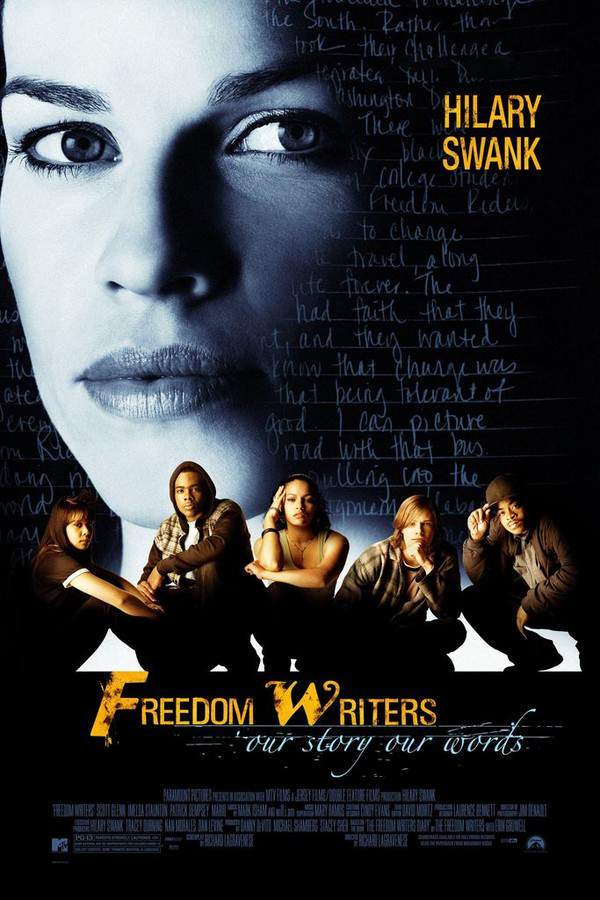
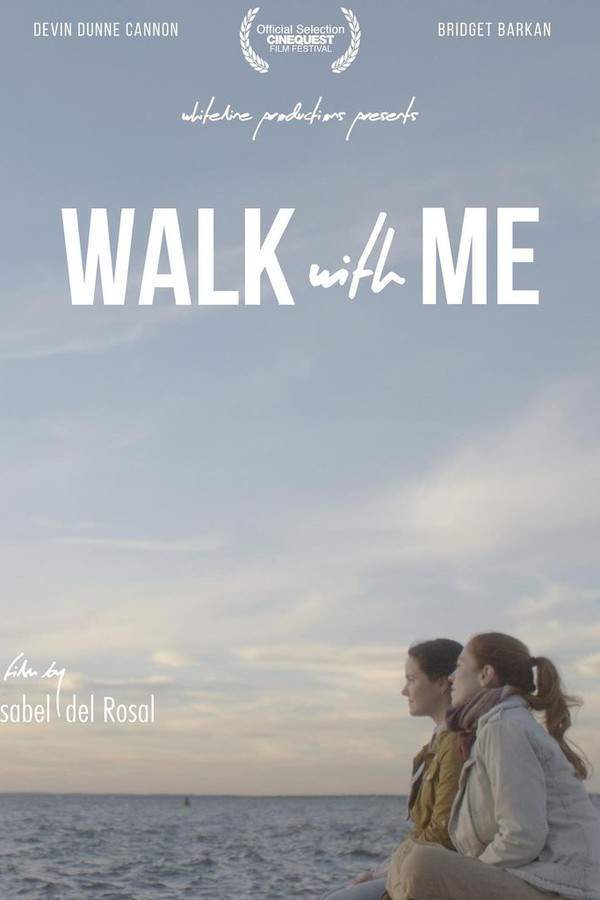
Similar Movies To Walkout You Should Know About
Browse a curated list of movies similar in genre, tone, characters, or story structure. Discover new titles like the one you're watching, perfect for fans of related plots, vibes, or cinematic styles.


Quick Links: Summary, Cast, Ratings, More

What's After the Movie?
Not sure whether to stay after the credits? Find out!
Check out our other apps:

SAT Sphere
Build confidence for the Digital SAT.

Mori Atlas
Discover wild places worth protecting.

Luntero
Search smarter for a home in Amsterdam.

Plot Explained
Unravel movie endings and hidden clues.

Pokechamp
Dive into Pokémon data and battle logic.

Driving Theory
Get ready for your European theory test.

Movie Dust
Plan your next cinema trip with ease.

Musemap
Find art and culture as you travel.

Selkobase
Compare credentials before committing.

Local Manual
Turn an unfamiliar country into practical next steps.

Lernavi
Compare school systems before your next move.

GymRoam
Find a workout stop wherever your plans take you.
Explore Our Movie Platform
New Movie Releases (2026)
Famous Movie Actors
Top Film Production Studios
Movie Plot Summaries & Endings
Major Movie Awards & Winners
Best Concert Films & Music Documentaries
Movie Collections and Curated Lists
© 2026 What's After the Movie. All rights reserved.
Privacy Policy