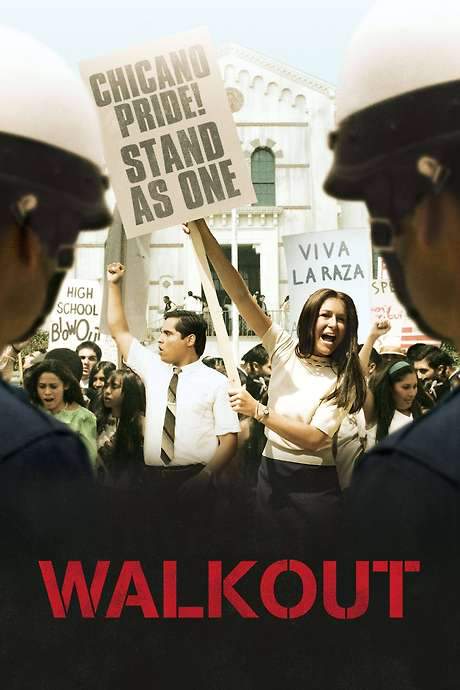



Where to Watch Walkout
See current US streaming, rental, and purchase options for Walkout (2006) via JustWatch.







Walkout Plot Summary
Read the complete plot summary and ending explained for Walkout (2006). From turning points to emotional moments, uncover what really happened and why it matters.
In East Los Angeles, several high schools mistreat Hispanic students—punishing them for speaking Spanish, locking bathrooms during lunch, assigning janitorial work as discipline, and quietly dissuading less-promising students from aiming for college. Paula Crisostomo grows tired of this inequality and, inspired by her Chicano teacher Sal Castro and facing opposition from her father, joins forces with student activists to seek real change.
A diverse group from across the city’s campuses bands together, with two or three students representing each school. Paula becomes especially drawn to one fellow student, Robert, as they begin to map out a plan. They collect surveys to document the problems and propose concrete improvements, then submit the results to the school board. The board refuses to consider the suggestions, sparking momentum for more drastic action.
During a heated meeting, Paula urges the students to walk out, a bold move that meets stiff resistance from authorities. The principal, Principal Ingles, threatens to expel Paula if she continues, and her father denounces the group as agitators. Undeterred, the movement gains traction: five East LA schools agree to walk out, and the event makes national headlines. Yet the school board’s cautious response leaves the Brown Berets hungry for more, while Paula’s father grapples with the upheaval at home.
The next phase sees the walkouts expanded to half of the schools, but this escalation comes at a price: police arrest and beat the protesters, and television coverage skews toward portraying the demonstrators as violent agitators with alleged Communist ties while crucial footage of police brutality is omitted. To protect the students, Paula extends an invitation to the families of the protesters, hoping a stronger collective presence will deter further violence.
With renewed family support, the students walk out again, and the school board finally agrees to listen. Paula also asks a reluctant Robert to attend prom, signaling a moment of personal connection amid the upheaval. However, the crackdown intensifies: twelve of the movement’s leaders—some from the Brown Berets—are suddenly arrested. The group discovers that Robert, an undercover LAPD officer, has been feeding information to the police and assisting in the arrests.
The charges escalate to conspiracy to disrupt a school, carrying a potential penalty of up to 66 years. Paula feels crushed, but her father encourages her not to give up. She helps organize a massive protest outside the jail, drawing in more supporters even as Robert tries to intervene. The crowd’s persistence pays off: all twelve students, along with Sal Castro, are ultimately released.
In the closing moments, the film presents real accounts from those involved in the walkouts, underscoring the lasting impact on the community. The epilogue notes a steady rise in Hispanic enrollment in Los Angeles colleges, signaling a shift that began with these courageous protests.
Walkout Timeline
Follow the complete movie timeline of Walkout (2006) with every major event in chronological order. Great for understanding complex plots and story progression.
Systemic mistreatment of Hispanic students sparks action
Hispanic students at East Los Angeles high schools face punishments for speaking Spanish, locked bathrooms during lunch, and discouragement from attending college. Paula Crisostomo joins student activists to demand fair treatment. They begin organizing around the belief that schools and authorities undervalue their community.
Survey project formed to collect student demands
The group designs and distributes surveys to students across East LA, collecting grievances and suggestions for improvements. Paula grows closer to Robert as he becomes involved. The surveys become the blueprint for their broader change campaign.
Surveys submitted to the school board; board refuses to consider
The collected surveys are submitted to the school board, which refuses to acknowledge or address the demands. The lack of responsiveness deepens student frustration. Tensions rise as activists consider escalating their actions.
Call to walk out issued by Paula
During a planning meeting, Paula urges the students to walk out of their schools. Her father condemns the movement as agitators, creating personal conflict at home. The group resolves to carry out a coordinated walkout across East LA campuses.
First walkouts across five East LA high schools
Five East LA high schools walk out, drawing regional and national media attention. The protest is televised, increasing pressure on the school board to respond. The Brown Berets push the movement to broaden its scope and goals.
Paula's father evicts her from home
Paula's father evicts her from home, forcing her to continue protesting independently. She perseveres despite the personal cost and public scrutiny. Her resolve hardens as she recognizes the deeper stakes of fighting for change.
Half the schools walk out; police crackdown and media framing
The next day, only half the schools walk out; police arrest and beat protesters in the streets. News coverage focuses on violence and labels protesters as radicals, while footage of police brutality is often downplayed. The students and community respond with growing determination.
Families join the protests to deter police
Paula invites the students' families to join the protests, hoping their presence would deter police and lend legitimacy. The turnout broadens the movement from students to a community-wide effort. The shift signals that the fight is about education rights for the whole neighborhood.
Second walkout with family support; school board agrees to hear complaints
Another wave of walkouts occurs with family support, and the school board agrees to hear the complaints. Paula also invites Robert to prom as a gesture of normalcy amid the upheaval. The protesters press for dialogue while authorities consider concessions.
Undercover reveals identity; 12 leaders arrested
Robert, secretly an undercover LAPD officer, is revealed to have been informing authorities of the group's plans. Twelve leaders, including several Brown Berets, are arrested on conspiracy charges with a harsh maximum penalty. Paula's morale dips as the personal cost of the movement becomes clearer.
Massive jail protest; officials release detainees
Paula leads a massive protest outside the jail, challenging the arrests and demanding release. Robert attempts to intervene, but Paula continues to guide the crowd until all twelve detainees and Sal are released. The public pressure contributes to a turning point in the case against the protesters.
Epilogue: accounts and enrollment surge
Epilogue presents real accounts from participants and notes the subsequent rise in Hispanic enrollment in Los Angeles colleges. The film frames these stories as the lasting impact of the walkouts on education and activism. It closes on a hopeful note about ongoing change in the community.
Walkout Characters
Explore all characters from Walkout (2006). Get detailed profiles with their roles, arcs, and key relationships explained.
Paula Crisostomo
A determined student who challenges unequal treatment in East LA schools and emerges as a leader among the walkouts. She organizes surveys and pushes for concrete changes despite opposition from authorities and her father. Her courage drives the movement and she bears personal costs for speaking up for her peers.
Sal Castro
A Chicano teacher who inspires Paula and guides the student activists. He remains a steady mentor, challenging the system while navigating institutional pressures. His involvement anchors the movement in a classroom-to-community continuum.
Armando Lopez
A member of the student group who shares in the movement and supports the organizing effort. He contributes to the surveys and helps sustain momentum among his peers. He embodies the collaboration and risk-taking of the student activists.
Vickie Castro
A fellow student and ally within the movement who participates in organizing efforts. She represents the broader involvement of peers and family networks in supporting the cause. Her participation helps widen the movement’s reach.
Mickey Fernandez
Another student in the group who contributes to the walkout planning and survey distribution. He helps maintain group cohesion and executes tasks essential to the protest strategy.
Lloyd Hurley
A school administrator who embodies resistance to the proposed reforms. His stance highlights the friction between authorities and students seeking change.
Principal Ingles
The school principal who warns of expulsion and upholds the administrative framework. He represents the top-down control that the students challenge.
Robert
An undercover LAPD officer who informs the police about the group’s plans, complicating the students’ efforts. His involvement adds a layer of tension and betrayal to the movement.
Julian Nava
A real-life civic figure who appears in the film and interacts with the education community during the movement. He represents the broader context of community leadership within the school system.
Francis Crisostomo
Paula’s mother, who navigates the tension between family concerns and the students’ activism. She embodies familial support and worry in a time of upheaval.
Bobby Verdugo
A student involved in the movement, contributing to the collective effort with peers as part of the walkout coalition.
Payaso
A clown figure featured in protests, serving as a symbolic presence within the demonstrations and media portrayals.
Walkout Settings
Learn where and when Walkout (2006) takes place. Explore the film’s settings, era, and how they shape the narrative.
Time period
1968
Set during the late 1960s, the story sits within a climate of civil rights and Chicano movement activism. Students organize walkouts to demand fair treatment, bilingual resources, and better school policies. The period's tension is reflected in media coverage, police response, and the students’ escalating demands.
Location
East Los Angeles, Los Angeles
The events unfold across East Los Angeles high schools, showcasing a dense urban setting where Hispanic students face discrimination. The area is portrayed as a tight-knit, working-class community deeply connected to its schools and local culture. The film highlights the neighborhood's role as a center for activism and collective action in pursuit of educational justice.
Walkout Themes
Discover the main themes in Walkout (2006). Analyze the deeper meanings, emotional layers, and social commentary behind the film.
✊
Activism
The core of the film is student-led activism, with Paula and her peers organizing walkouts to pressure the school system. Their actions mobilize across multiple campuses and draw attention from the community and media. The narrative examines the personal risks and collective resolve involved in challenging authority.
📚
Education Inequality
The story exposes disciplinary practices that target Hispanic students, including punishments for speaking Spanish and locked bathrooms. Surveys are used to push for reform, but the school board resists change. The movement highlights systemic inequities in resources and access to higher education.
🤝
Community & Solidarity
Families and community members join the protests, broadening the movement beyond students. This solidarity strengthens the push for dialogue with authorities and sustains momentum through collective action. The epilogue ties the protests to real-world outcomes, including increased Hispanic enrollment in colleges.

Coming soon on iOS and Android
The Plot Explained Mobile App
From blockbusters to hidden gems — dive into movie stories anytime, anywhere. Save your favorites, discover plots faster, and never miss a twist again.
Sign up to be the first to know when we launch. Your email stays private — always.
Explore the mobile appWalkout Spoiler-Free Summary
Discover the spoiler-free summary of Walkout (2006). Get a concise overview without any spoilers.
In the heart of East Los Angeles during the turbulent summer of 1968, a series of public schools become a quiet battleground where language, discipline and ambition collide. The community grapples with a rigid system that marginalizes its Hispanic youth, while the broader civil‑rights wave reverberates through classrooms and streets alike. The atmosphere is charged with a mix of frustration and yearning, setting the stage for a story that feels both historically rooted and unmistakably present.
Sal Castro, a young Mexican‑American educator, arrives with a conviction that teaching can be a catalyst for change. His own experience of cultural bias fuels a relentless drive to empower his students, encouraging them to question the rules that keep them silent. Among those he inspires is Paula Crisostomo, a determined teenager who has grown weary of the daily indignities imposed on her classmates. Her relationship with her father—caught between traditional expectations and the surge of activism—adds a personal layer to the larger struggle.
Together with a diverse handful of peers from neighboring campuses, Paula begins to map the grievances that bind their schools, fostering a sense of collective voice. The idea of a peaceful walkout begins to take shape, hinting at a bold, organized stand against entrenched inequities. The burgeoning movement is painted with the optimism of youthful idealism, tempered by the looming presence of institutional resistance.
The film moves with a tone that balances gritty realism and hopeful resolve, echoing the era’s protest songs and community gatherings. Its visual palette mixes sun‑baked neighborhoods with the stark interiors of classrooms, underscoring the contrast between everyday life and the extraordinary courage it takes to demand dignity. As alliances form and doubts surface, the story invites viewers to feel the simmering energy of a community on the brink of making history.
Movies with Similar Twists and Themes
Uncover films that echo the narrative beats, emotional arcs, or dramatic twists of the one you're exploring. These recommendations are handpicked based on story depth, thematic resonance, and spoiler-worthy moments — perfect for fans who crave more of the same intrigue.
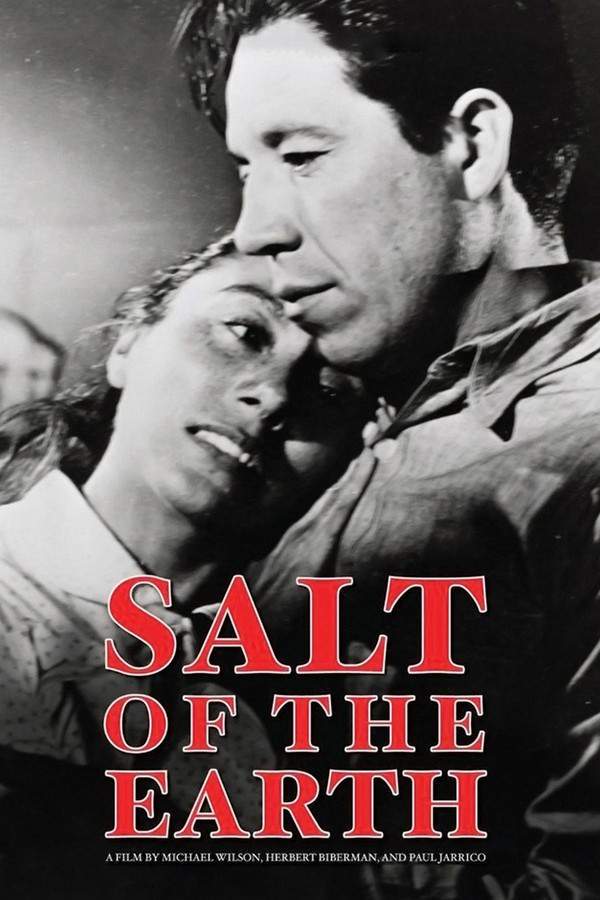
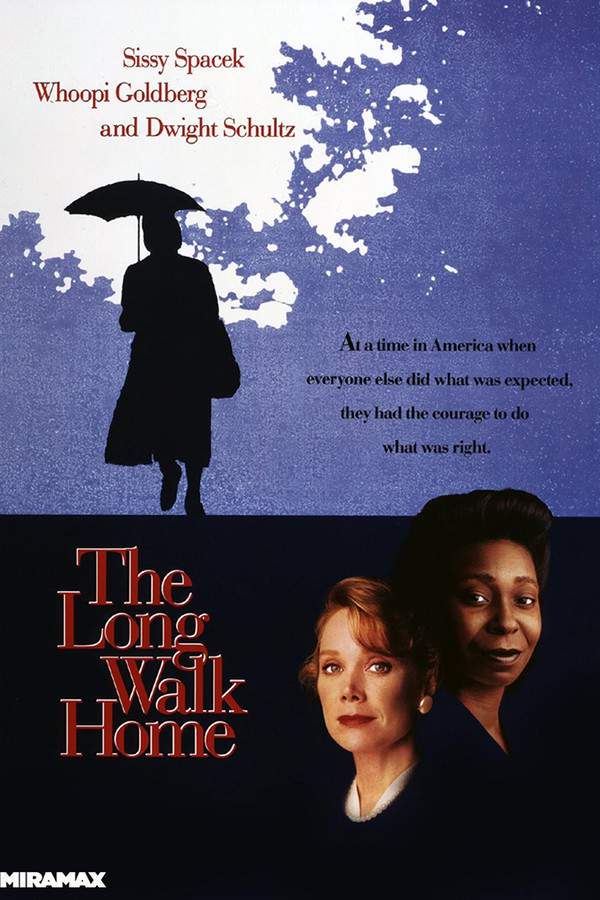
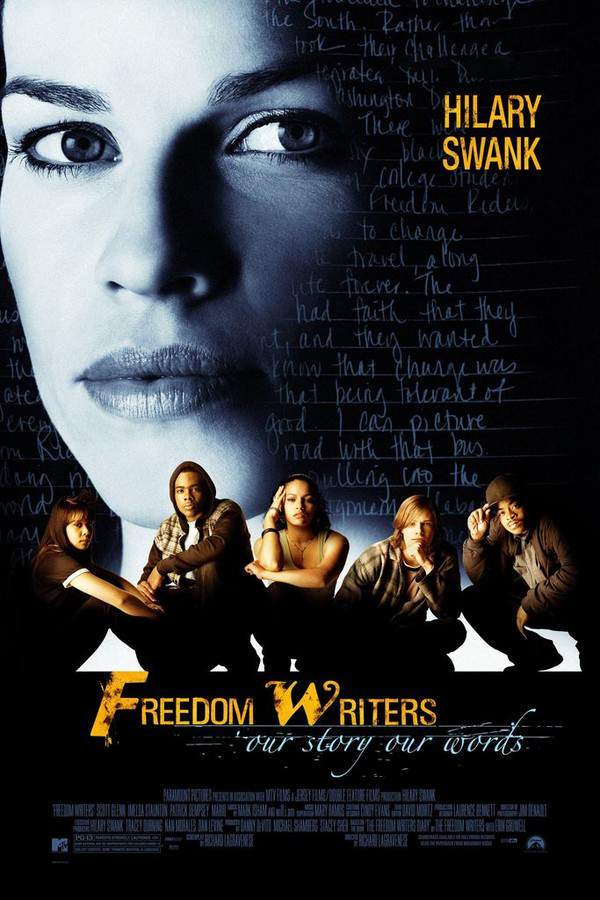
Featured on this page

What's After the Movie?
Not sure whether to stay after the credits? Find out!
Check out our other apps:

SAT Sphere
Build confidence for the Digital SAT.

Mori Atlas
Discover wild places worth protecting.

Luntero
Search smarter for a home in Amsterdam.

Plot Explained
Unravel movie endings and hidden clues.

Pokechamp
Dive into Pokémon data and battle logic.

Driving Theory
Get ready for your European theory test.

Movie Dust
Plan your next cinema trip with ease.

Musemap
Find art and culture as you travel.

Selkobase
Compare credentials before committing.

Local Manual
Turn an unfamiliar country into practical next steps.

Lernavi
Compare school systems before your next move.

GymRoam
Find a workout stop wherever your plans take you.
Explore Our Movie Platform
New Movie Releases (2026)
Famous Movie Actors
Top Film Production Studios
Movie Plot Summaries & Endings
Major Movie Awards & Winners
Best Concert Films & Music Documentaries
Movie Collections and Curated Lists
© 2026 What's After the Movie. All rights reserved.
Privacy Policy