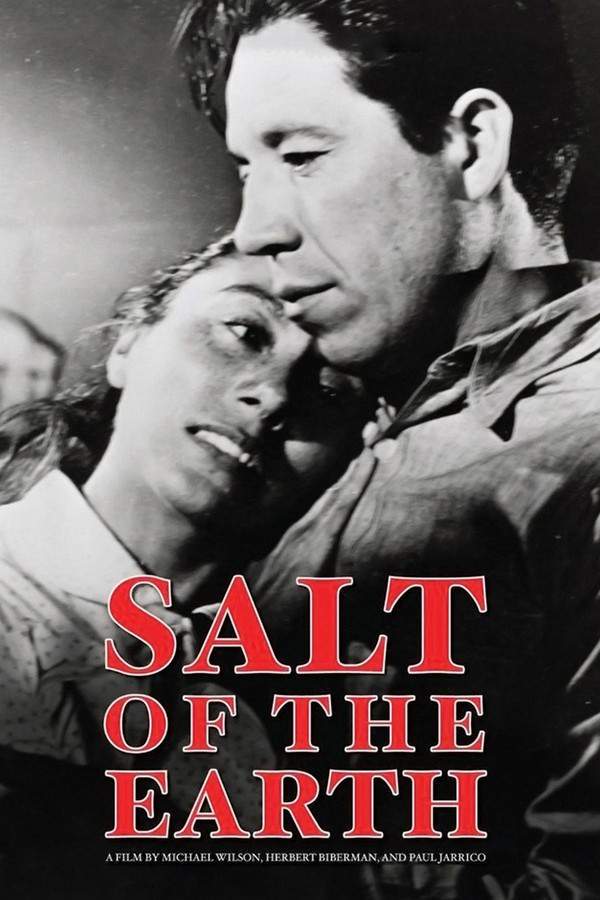
Salt of the Earth 1954


Directed by

Herbert J. Biberman
Made by

Independent Productions
Where to Watch Salt of the Earth
See current US streaming, rental, and purchase options for Salt of the Earth (1954) via JustWatch.

Amazon Prime Video
HD
Amazon Prime Video with Ads
HD
Artiflix
4K
Brew
HD
FlixFling
SD
fuboTV
HD
IndieFlix
HD
IndieFlix Shorts Amazon Channel
HD
MGM Plus
HD
MGM Plus Roku Premium Channel
HD
MGM+ Amazon Channel
HD
Philo
HD
TCM
HD
YouTube TV
HD
Fawesome
HD
JustWatch TV
HD
Kanopy
HD
Cineverse
HD
DistroTV
HD
Plex
HD
Plex Channel
HD
Pluto TV
SD
Tubi TV
SD
Amazon Video
SD Streaming availability powered by 
Salt of the Earth Plot Summary
Read the complete plot summary and ending explained for Salt of the Earth (1954). From turning points to emotional moments, uncover what really happened and why it matters.
Esperanza Quintero narrates this inspiring story, which is inspired by real events, capturing the struggles and resilience of a community fighting for justice. When she became pregnant with her third child, her life was fraught with hardship and turmoil. Her husband, David Sarvis, named Ramon, was caught in the middle of a turbulent period marked by tensions at the zinc mine where he worked. The union, which Ramon was involved in, was contemplating a strike to demand better wages and safer working conditions for the miners. Among the union’s demands was improved sanitation in their homes—including indoor plumbing and hot water—which was a significant issue for the workers and their families but was eventually dropped from their list of priorities, much to Esperanza’s dismay.
The narrative details a complex tapestry of personal and collective struggles, beginning with a moment of joy when Ramon forgets it’s Esperanza’s Saint’s day, but is quickly overshadowed by mounting tensions. Their eldest son, Luis, reminds Ramon of the occasion, prompting him to throw a celebration for Esperanza, which temporarily lifts her spirits amid her ongoing struggles. During this period of unrest, a tragic event unfolds when a worker—aflame with frustration and anger—suffers an injury. Both Anglo and Chicano workers strike en masse, leaving their daily routines behind and standing united on the picket lines. Their unwavering resolve makes it impossible for “scabs” to cross, effectively blocking replacement workers from undermining their cause.
The authorities, feeling threatened by the strike, send a company representative named Hardwell to plan a strategy. In the meantime, the local sheriff and the foreman Anderson inform Hardwell that Ramon is the leader of the strike. As tensions escalate, deputies Vand and Kimbrough use violence against Ramon, beating him in an effort to suppress the movement. At the same time, Esperanza gives birth to her and Ramon’s baby, Juan, a momentous event that is echoed in the distant cries of Ramon and Esperanza calling out each other’s names. Soon after, Ramon is arrested, but upon his release, his newborn son Juan is christened and becomes a symbol of hope for the family.
Despite the wave of obstacles, a Taft-Hartley injunction is imposed, forbidding the workers from further picketing. It appears that the strike might be lost as union activities are crushed by legal and physical pressures. However, the women in the union, led by Esperanza and her fellow supporters, insist they be allowed to carry on with the picketing. While some men express skepticism and others are shocked by the idea, a community vote—comprising both men and women—decides in favor of women taking an active role in the strike. Initially, Ramon disapproves of Esperanza’s decision to join the picket line but she is unwavering. She defies his orders, and the women endure severe mental and physical abuse but remain resolute, holding their post and maintaining the strike’s momentum.
The authorities respond with brutality, and Esperanza, along with several other women, are arrested. During her incarceration, she brings her baby Juan and her daughter Estelle along, fearing Ramon might need to care for them himself. The sheriff and his deputies are driven to distraction by their frantic pleas for “the formula! the formula!” for baby Juan. Ramon comes to the jail and takes their children, showing his support and understanding of her cause. While Esperanza serves her jail sentence, Ramon takes on all household duties, and in doing so, he begins to grasp the difficulty and importance of their collective fight. Moved by her experiences, Ramon vows to improve their lives, promising that sanitation will be included in union demands.
When Esperanza finally returns home, she appears hopeful and energized by her activism. Ramon wishes she would stop her picketing and return to her traditional role, but she reminds him that his warning to stay “in her place” is akin to racist bosses trying to confine Mexican-Americans, emphasizing their shared desire for a better life. She insists that they are stronger together, advocating for unity in their ongoing struggle.
The next day, while most men are away gathering fuel, Ramon—driven by frustration and a sense of urgency—leaves the women to watch over the strike. A moment of anger prompts him and a few men to go out hunting, but Esperanza’s words linger in his mind, urging caution. Anticipating retaliation from the bosses, Ramon urges everyone to hurry back, suspecting an impending eviction. Sure enough, the sheriff and his deputies begin evicting the families, removing everything from the Quintero home. But just as despair sets in, a large crowd arrives from across the community—men, women, children, and union supporters—who rally to defend the families. They quickly restore the furniture and possessions, scaring off the sheriff’s men, who are overwhelmed by the tide of community solidarity.
Recognizing the strength of the united community, Hartell and the authorities realize they cannot continue to suppress the miners’ demands. Faced with overwhelming opposition from the miners and their supporters, the company and law enforcement are forced to back down. The strike is ultimately won, marking a significant victory for the workers and their families. Ramon and his community celebrate their hard-fought victory, feeling proud of their resilience and determination. They see themselves as the “salt of the Earth,” a symbol of hope and strength for future generations, standing up against oppression and injustice with unwavering courage and unity.
This story, rich with themes of perseverance, community, and social justice, highlights the power of collective action and the importance of standing firm in the face of adversity, inspiring viewers to believe in the change that can come through unity and resilience.
Salt of the Earth Timeline
Follow the complete movie timeline of Salt of the Earth (1954) with every major event in chronological order. Great for understanding complex plots and story progression.
Esperanza's Hard Pregnancy
Esperanza Quintero becomes pregnant with her third child, facing a difficult life due to her strained marriage with Ramon. The community is also involved in a union strike demanding better wages and working conditions for zinc miners. Frustration grows over dropped demands for better sanitation in union negotiations.
Ramon Celebrates Saint's Day
Ramon forgets it is Esperanza's Saint's Day, but their son Luis reminds him. Ramon then throws a party to celebrate, helping Esperanza forget her troubles for a while. This moment brings some joy amid the hardships she faces.
Strike Begins
A worker is injured at the mine, prompting both Anglo and Chicano workers to go on strike. The picketers gather daily, preventing 'scabs' from crossing their lines, displaying their determination to fight for better conditions.
Company Strategy and Ramon's Arrest
Company representative Hardwell plans a strategy to handle the strike while local authorities, including sheriff and foreman Anderson, identify Ramon as the strike leader. Ramon is beaten by deputies Vand and Kimbrough and is arrested during the intense labor struggle.
Birth of Juan
While Ramon is in jail, Esperanza gives birth to her son, Juan. Despite the physical distance, they call out each other's names, symbolizing their connection. Ramon’s release from jail coincides with their baby's christening.
Injunction and Women's Picketing
A Taft-Hartley injunction is served, prohibiting the union from picketing. Facing defeat, women from the labor union rally and vote to take over the picket line, defying social expectations. Esperanza joins the picket line despite her husband's disapproval.
Women Endure Abuse for the Strike
The women suffer physical and mental abuse on the picket line, maintaining their protest under harsh conditions. Their resilience strengthens their resolve to fight for union demands despite these hardships.
Esperanza Imprisoned
Esperanza and several women are arrested by the sheriff for their participation in the strike. She takes her children to jail to prevent Ramon from shouldering the burden. The women scream for baby formula, upsetting the guards, and Ramon eventually rescues her and the children.
Esperanza Returns Home and Reclaims Power
After her imprisonment, Esperanza feels empowered by her experience and refuses to return to her previous submissive role. She confronts Ramon, emphasizing the importance of unity and equality in their fight for a better life.
Defending the Home
While most men are away, Ramon and others are supposed to watch the women, but they leave out of anger. The sheriff begins evicting the Quintero family, removing their furniture. A large community crowd quickly arrives to support and restore their belongings.
Community Stands Together
The local community, including men, women, children, and workers, rally around the Quintero family, overwhelming the sheriff and his deputies. Their collective support forces the authorities to back down, showing the power of solidarity.
Victory and Hope for the Future
With the community’s efforts, the strike is successful, and the miners win better conditions. Ramon and his community celebrate their victory, feeling hopeful for their children's future and referring to their efforts as 'the salt of the Earth'.
Salt of the Earth Characters
Explore all characters from Salt of the Earth (1954). Get detailed profiles with their roles, arcs, and key relationships explained.
Esperanza Quintero
A resilient woman and narrator of the story, Esperanza embodies strength and determination. She fights for better living conditions, union rights, and gender equality, standing firm despite personal hardships.
Ramon Quintero
Esperanza's husband, a miner and initially traditional in his views. He evolves through the story, understanding the importance of union unity and supporting his wife's activism for social change.
Salt of the Earth Settings
Learn where and when Salt of the Earth (1954) takes place. Explore the film’s settings, era, and how they shape the narrative.
Time period
1950s
The story takes place during the 1950s, a period marked by post-World War II industrial growth, labor unrest, and the fight for workers' rights. The decade experienced significant union activities, strikes, and social tensions related to economic disparity and racial discrimination.
Location
Zinc mining town, United States
The movie is set in a zinc mining town in the United States, a typical industrial community characterized by working-class residents whose livelihood depends on mining. The town reflects the struggles and solidarity of labor workers and their families, highlighting economic struggles and community resilience.
Salt of the Earth Themes
Discover the main themes in Salt of the Earth (1954). Analyze the deeper meanings, emotional layers, and social commentary behind the film.
✊
Solidarity
The film emphasizes the power of collective action and community unity in the face of oppression. Both men and women unite to support the strike, demonstrating resilience and collective strength to challenge authority and improve their living conditions.
🔥
Resistance
The story focuses on resistance against unfair labor practices and racial inequalities. The women's willingness to endure abuse and jail highlights their determination to fight for justice and equality beyond traditional gender roles.

Coming soon on iOS and Android
The Plot Explained Mobile App
From blockbusters to hidden gems — dive into movie stories anytime, anywhere. Save your favorites, discover plots faster, and never miss a twist again.
Sign up to be the first to know when we launch. Your email stays private — always.
Explore the mobile appSalt of the Earth Spoiler-Free Summary
Discover the spoiler-free summary of Salt of the Earth (1954). Get a concise overview without any spoilers.
In the sun‑scorched foothills of New Mexico, a modest mining town clings to the rhythm of the Empire Zinc mine, where the echo of pickaxes mixes with the hush of desert winds. The community is a patchwork of modest homes, dusty streets, and a deep sense of shared hardship that permeates every conversation. Against this backdrop, the film adopts a restrained yet gritty tone, letting the stark landscape mirror the simmering tension beneath everyday life.
The story centers on a brewing labor dispute: workers, many of whom are Mexican‑American, grapple with unsafe conditions and unequal pay while their employers push back with the indifference of a distant bureaucracy. The looming threat of a strike hangs over the town like a gathering storm, promising both solidarity and conflict. The atmosphere crackles with the unspoken question of what justice looks like when the odds are stacked against those who toil in the shadows of the mine.
At the heart of the narrative are Ramon Quintero, a determined union activist, and his wife Esperanza Quintero, whose own aspirations and frustrations echo the larger struggle. Ramon embodies the resolve of a man willing to challenge the status quo, while Esperanza balances the weight of motherhood with a quiet yearning for dignity beyond traditional expectations. Their relationship becomes a microcosm of the broader clash between entrenched gender roles and the push for collective empowerment, hinting at the personal sacrifices that may be required.
As the community teeters between fear and hope, the film hints at a shifting dynamic where voices once relegated to the periphery begin to rise. The women’s growing involvement suggests an evolving front, while the men’s uneasy acceptance reflects a tentative re‑examination of identity. In this world of dust, steel, and solidarity, the audience is left anticipating how ordinary people might redefine themselves—and their future—when the call for fairness becomes impossible to ignore.
Movies with Similar Twists and Themes
Uncover films that echo the narrative beats, emotional arcs, or dramatic twists of the one you're exploring. These recommendations are handpicked based on story depth, thematic resonance, and spoiler-worthy moments — perfect for fans who crave more of the same intrigue.




Featured on this page

What's After the Movie?
Not sure whether to stay after the credits? Find out!
Check out our other apps:

SAT Sphere
Build confidence for the Digital SAT.

Mori Atlas
Discover wild places worth protecting.

Luntero
Search smarter for a home in Amsterdam.

Plot Explained
Unravel movie endings and hidden clues.

Pokechamp
Dive into Pokémon data and battle logic.

Driving Theory
Get ready for your European theory test.

Movie Dust
Plan your next cinema trip with ease.

Musemap
Find art and culture as you travel.

Selkobase
Compare credentials before committing.

Local Manual
Turn an unfamiliar country into practical next steps.

Lernavi
Compare school systems before your next move.

GymRoam
Find a workout stop wherever your plans take you.
Explore Our Movie Platform
New Movie Releases (2026)
Famous Movie Actors
Top Film Production Studios
Movie Plot Summaries & Endings
Major Movie Awards & Winners
Best Concert Films & Music Documentaries
Movie Collections and Curated Lists
© 2026 What's After the Movie. All rights reserved.
Privacy Policy