
Undocumented (2010): Cast, Plot & Where to Watch

Undocumented is a 2010 drama thriller directed by Chris Peckover, starring Alona Tal as Liz, Scott Mechlowicz and Greg Serano. It runs 1 hour 36 minutes. Rent or buy it on Google Play Movies and YouTube.
- Released
- Runtime
- 1h 36m (96 min)
- Director
- Chris Peckover
- Original language
-
 English
 - Studio
- Sheperd Glen Productions
- After the credits
- No No extra scene
What Is Undocumented About?
The premise of Undocumented without spoilers. The whole story is in the plot summary further down.
I Want You To Go Home A documentary film crew runs afoul of sadistic radicals when they follow illegal immigrants sneaking over the U.S. border.
Where to Watch Undocumented
Rent or buy it from Google Play Movies and YouTube. US availability and prices from JustWatch.


Streaming availability in the US, powered by 
Undocumented Cast & Characters
Alona Tal leads the cast as Liz, with Scott Mechlowicz as Travis and Greg Serano as Davie. Directed by Chris Peckover; 12 actors are credited in all.
- Director Chris Peckover
-
 Alona Tal as Liz
 - Scott Mechlowicz as Travis
- Greg Serano as Davie
- Kevin Weisman as Jim
Also Starring in Undocumented
· 8 more- Chad Brummett Whitaker
- Yancey Arias Alberto
- Peter Stormare Z
- Noah Segan Klaus
- Nicholas Tucci The Artist
- Dick Christie Deputy
- Carmen Corral Maria Fuentes
- Tina Borek Maid Maria
Undocumented Plot Summary
What happens in Undocumented from start to finish, spoilers included, with a timeline of 14 key events. The opening is below; the full summary is a 4-minute read.
Spoilers ahead
Filmmakers Travis, William, Liz, Davie, and Jim set out to shoot a documentary about illegal Mexican immigration, aiming to expose a social issue from a perspective that feels raw and immediate. Their early interviews with Davie’s family and their aggressive probing of an employer named Whitaker soon pull them into a dangerous, morally gray world. They join a large caravan of immigrants, including Alberto and his wife and child, as they attempt the perilous crossing from Mexico into the United States.
Full summary
The whole story of Undocumented, scene by scene
Undocumented Trailers & Videos
The trailer of Undocumented.
How Well Do You Know Undocumented?
10 questions about the story, each with a hint if you get stuck. Pick an answer to see whether you were right.
Question 1 of 10
- Question 1: not answered
- Question 2: not answered
- Question 3: not answered
- Question 4: not answered
- Question 5: not answered
- Question 6: not answered
- Question 7: not answered
- Question 8: not answered
- Question 9: not answered
- Question 10: not answered
What is the subject of the documentary that the group of five filmmakers sets out to make?
Cars in Undocumented
3 cars on screen, including the 2006 Ford E-350 and the 1966 Ford F-100.
-
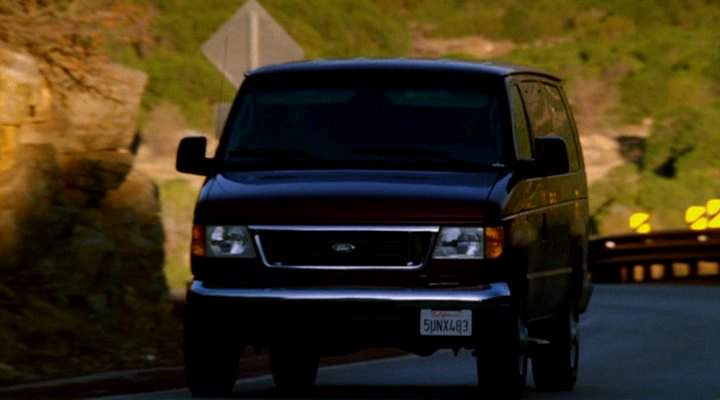 2006 Ford E-350 Important role
 -
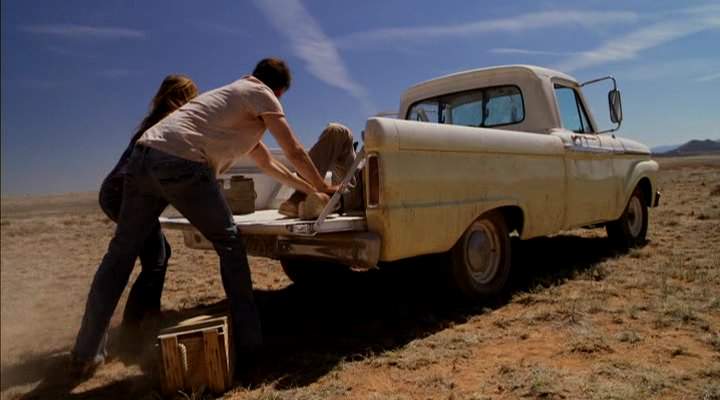 1966 Ford F-100 Important role
 -
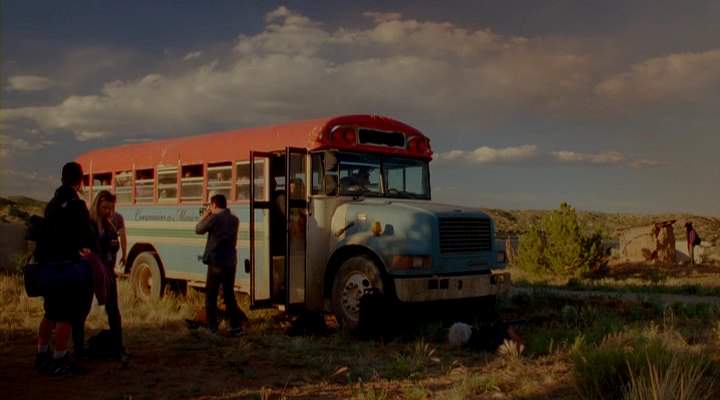 1994 International 3000-Series Important role
Undocumented Also Known As
6 alternative titles, including “Недокументированный” and “Não Documentado”.
- Also known as
-
- Недокументированный
- Não Documentado
- Нелегалы
- Bevándorlók bére
- 非法移民
- 언다큐멘티드
Seen Undocumented?
Undocumented FAQ: Where to Watch, Cast & Runtime
Runtime, release date, director, cast, where to watch and post-credit scenes of Undocumented, each answered in a sentence.
How long is Undocumented?
Undocumented runs 1 hour 36 minutes (96 minutes).
When was Undocumented released?
Undocumented was released on September 14, 2010.
Who directed Undocumented?
Undocumented was directed by Chris Peckover.
More films by Chris Peckover Who is in the cast of Undocumented?
Undocumented stars Alona Tal as Liz, Scott Mechlowicz as Travis and Greg Serano as Davie, among 12 credited actors.
Where can I watch Undocumented?
In the US, Undocumented is available to rent or buy on Google Play Movies and YouTube (availability from JustWatch).
Does Undocumented have a post-credit scene?
No. Undocumented has no extra scene during or after the credits.
Coming soon to your phone
The Plot Explained Movie Summary App
From blockbusters to hidden gems: plot summaries, endings explained and timelines on your phone. Save your favorites and never miss a twist again.
Be the first to know when it launches. Your email stays private, always. Learn more about the app
