
Three Christs (2017): Cast, Box Office & Plot
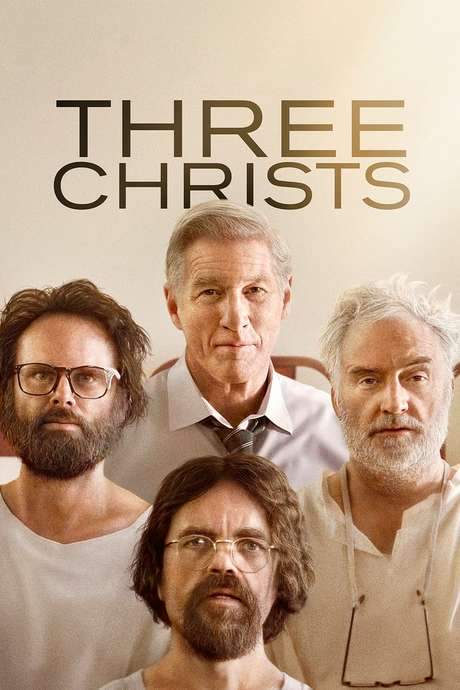
Three Christs is a 2017 drama directed by Jon Avnet, starring Richard Gere as Dr. Alan Stone, Ava Gallucci and George Aloi. It runs 1 hour 57 minutes and earned $36,723 worldwide.
- Released
- Runtime
- 1h 57m (117 min)
- Director
- Jon Avnet
- Genre
- Drama
- Original language
-
 English
 - Studio
- Brooklyn Films
- After the credits
- No No extra scene
What Is Three Christs About?
The premise of Three Christs without spoilers. The whole story is in the plot summary further down.
Dr. Alan Stone breaks new ground for treatment of the mentally ill through an experiment on three paranoid schizophrenic patients who believe they are Jesus Christ.
Three Christs Themes & Keywords
· 48 tags- patient
- sex scene
- entirely told in flashback
- state mental hospital
- psychotherapist
- year 1959
- tape recorder
- husband wife relationship
- young daughter
- research assistant
- superintendent
- orderly
+36 more Show fewer
- reference to jesus christ
- assumed identity
- delusions
- tranquilizer
- medical restraints
- straitjacket
- psychiatric patient
- paranoid schizophrenic
- doctor patient relationship
- reference to lenny bruce
- nightclub
- bare chested male
- man with a beard
- aria
- man in the shower
- male rear nudity
- lsd
- reference to suicide
- mother son estrangement
- reference to male masturbation
- chapel
- writing letters
- playing a pipe organ
- concussion
- bureaucrat
- male male kiss
- bell tower
- suicide by jumping from height
- reference to opera
- disciplinary hearing
- name change
- male male hug
- prologue and epilogue
- male nudity
- electroshock therapy
- based on true story
Three Christs Cast & Characters
Richard Gere leads the cast as Dr. Alan Stone, with Ava Gallucci as Shirley Stone and George Aloi as Mental Patient. Directed by Jon Avnet; 22 actors are credited in all.
-
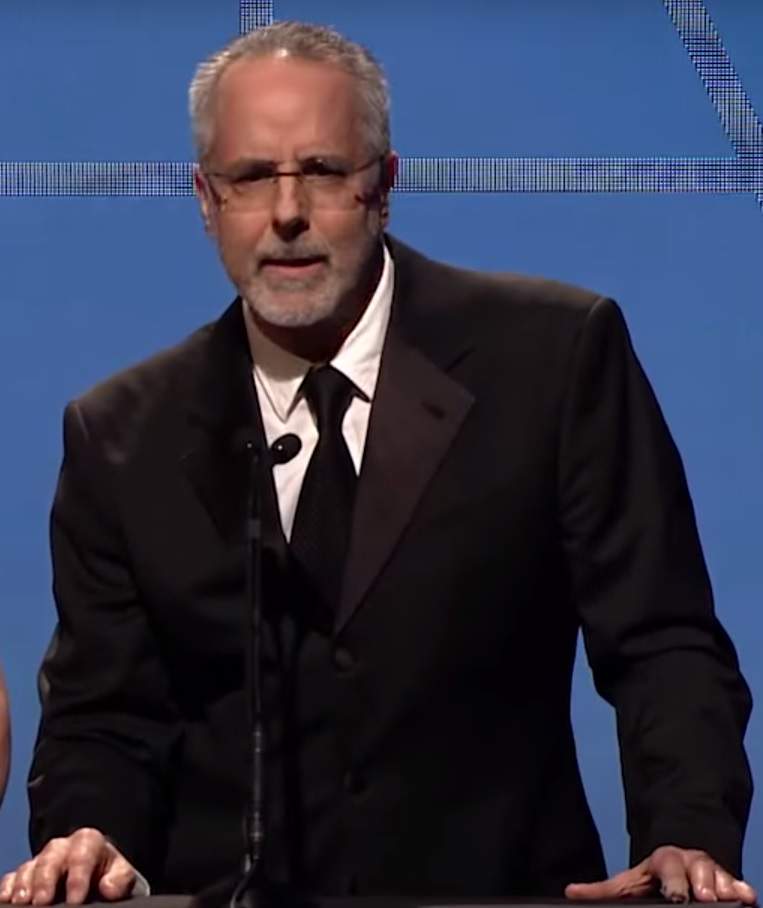 Director Jon Avnet
-
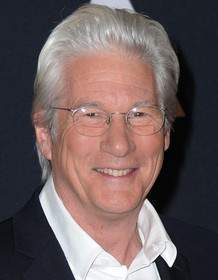 Richard Gere as Dr. Alan Stone
 - Ava Gallucci as Shirley Stone
- George Aloi as Mental Patient
-
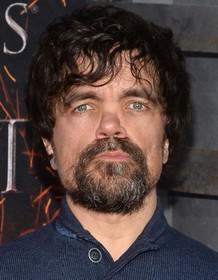 Peter Dinklage as Joseph
Also Starring in Three Christs
· 18 more- Bradley Whitford Clyde
- Walton Goggins Leon
- Nancy Robinette Mrs. Gabor
- Kevin Pollak Dr. Orbus
- Stephen Root Dr. Rogers
- Jane Alexander Dr. Abraham
- Julianna Margulies Ruth
- James Monroe Iglehart Benny
- Danny Deferrari Neil
- Kathryn Leigh Scott Victoria Rogers
- Charlotte Hope Becky
- Julian Acosta Dr. Francisco
- Christina Scherer Carolyn
- Frankie Verroca Schizophrenic Patient
- Ripley Sobo Molly
- Chris Bannow Louis
Show all 22 cast members Show fewer cast members
- Stina Kalman Nurse
- Shade Rupe Mental Patient
Three Christs Plot Summary
What happens in Three Christs from start to finish, spoilers included, with a timeline of 12 key events. The opening is below; the full summary is a 3-minute read.
Spoilers ahead
Dr. Alan Stone, [Richard Gere], a progressive psychologist who left New York University in 1954 to work directly with patients at the Ypsilanti State Mental Asylum, becomes a central figure in a tense era for mental health care. Stone specializes in schizophrenic patients and is widely seen as a critic of the system, which in the 1950s relied heavily on institutionalization and sedation. Insulin shock therapy and electric shocks were common tools, while true talk therapy remained a marginal practice.
Full summary
The whole story of Three Christs, scene by scene
Three Christs Box Office
Three Christs grossed $36,723 worldwide.
Worldwide gross
$36.7K
- US & Canada
- $36.7K
Three Christs Trailers & Videos
2 videos: 1 trailer and 1 clip.
- Clip THREE CHRISTS Movie Clip - America The Beautiful (2017) TIFF Peter Dinklage Richard Gere Drama HD
How Well Do You Know Three Christs?
10 questions about the story, each with a hint if you get stuck. Pick an answer to see whether you were right.
Question 1 of 10
- Question 1: not answered
- Question 2: not answered
- Question 3: not answered
- Question 4: not answered
- Question 5: not answered
- Question 6: not answered
- Question 7: not answered
- Question 8: not answered
- Question 9: not answered
- Question 10: not answered
In what year was the film *Three Christs* released?
Three Christs Also Known As
23 alternative titles, including “The Three Christs of Ypsilanti” and “State of Mind”.
- Also known as
-
- The Three Christs of Ypsilanti
- State of Mind
- Trzech Chrystusów
- Состояние рассудка
- Тримата Месии
- Três Cristos
- 三个基督
- Lo stato della mente
- 三個基督
- State of Mind - Der Kampf des Dr. Stone
- Tres Jesucristos
- Estado mental
+11 more Show fewer
- שלושה משיחים
- 쓰리 크라이스츠
- Tři Kristové
- Trei Hristoși
- ثلاثة من المسيح
- A három Krisztus
- तीन क्राइस्ट
- 3人のキリスト
- Три Христа
- Trạng thái tâm lý
- Tri Krista
Seen Three Christs?
Movies Like Three Christs
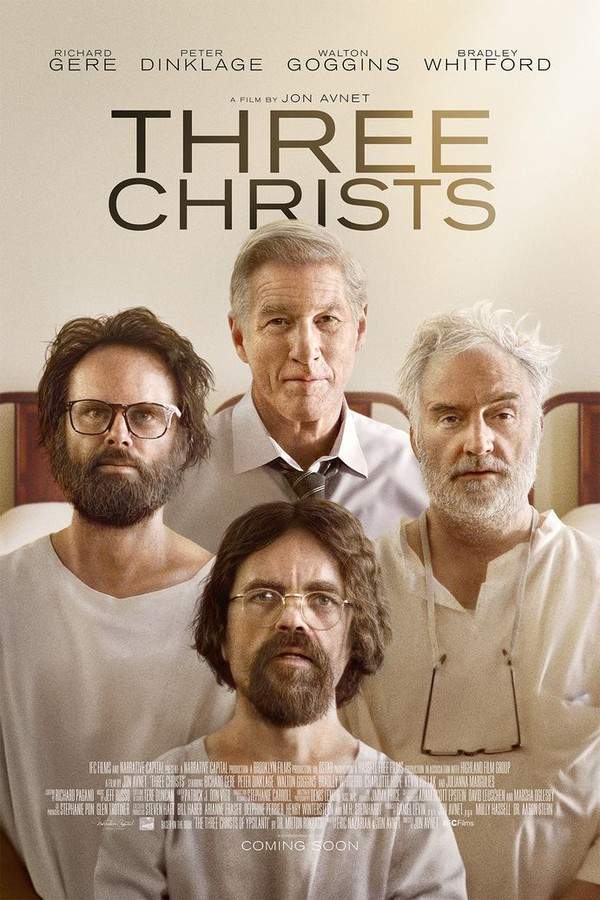
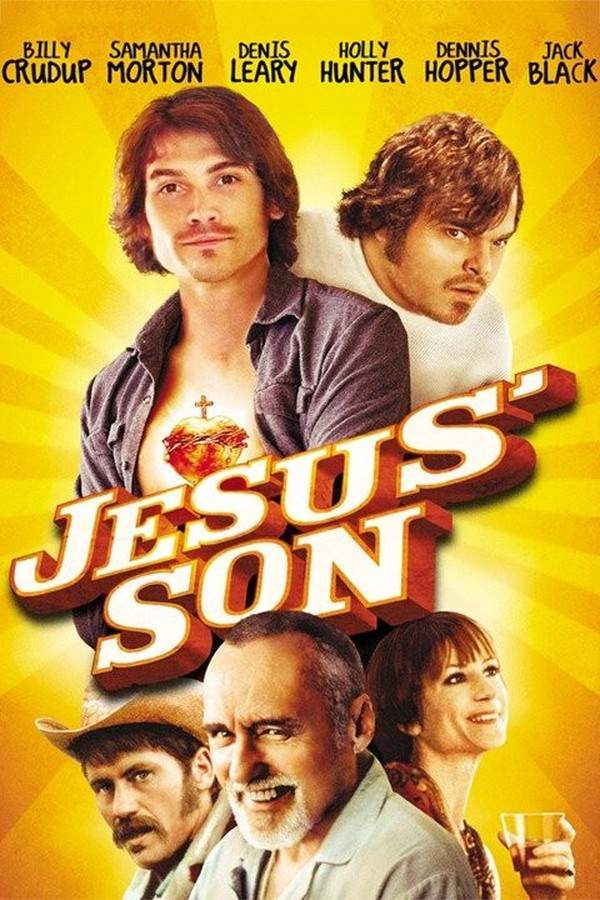
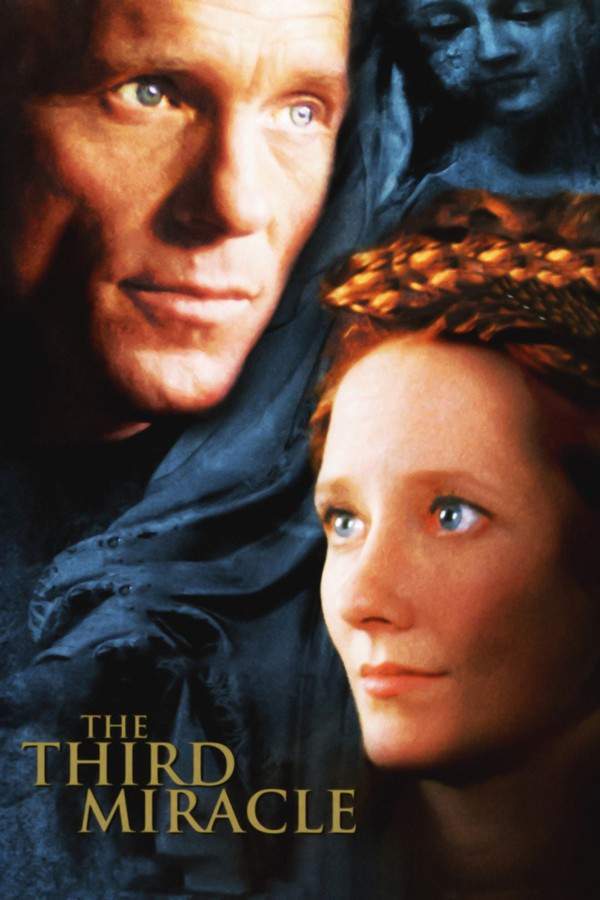
Films with a similar story, tone or audience, including Three Christs, Cristo and Jesus' Son.





Three Christs FAQ: Cast, Box Office & Runtime
Runtime, release date, director, cast, box office and post-credit scenes of Three Christs, each answered in a sentence.
How long is Three Christs?
Three Christs runs 1 hour 57 minutes (117 minutes).
When was Three Christs released?
Three Christs was released on September 12, 2017.
Who directed Three Christs?
Three Christs was directed by Jon Avnet.
More films by Jon Avnet Who is in the cast of Three Christs?
Three Christs stars Richard Gere as Dr. Alan Stone, Ava Gallucci as Shirley Stone and George Aloi as Mental Patient, among 22 credited actors.
How much did Three Christs make at the box office?
Three Christs grossed $36,723 worldwide.
Does Three Christs have a post-credit scene?
No. Three Christs has no extra scene during or after the credits.
Coming soon to your phone
The Plot Explained Movie Summary App
From blockbusters to hidden gems: plot summaries, endings explained and timelines on your phone. Save your favorites and never miss a twist again.
Be the first to know when it launches. Your email stays private, always. Learn more about the app
