Three Christs 2020


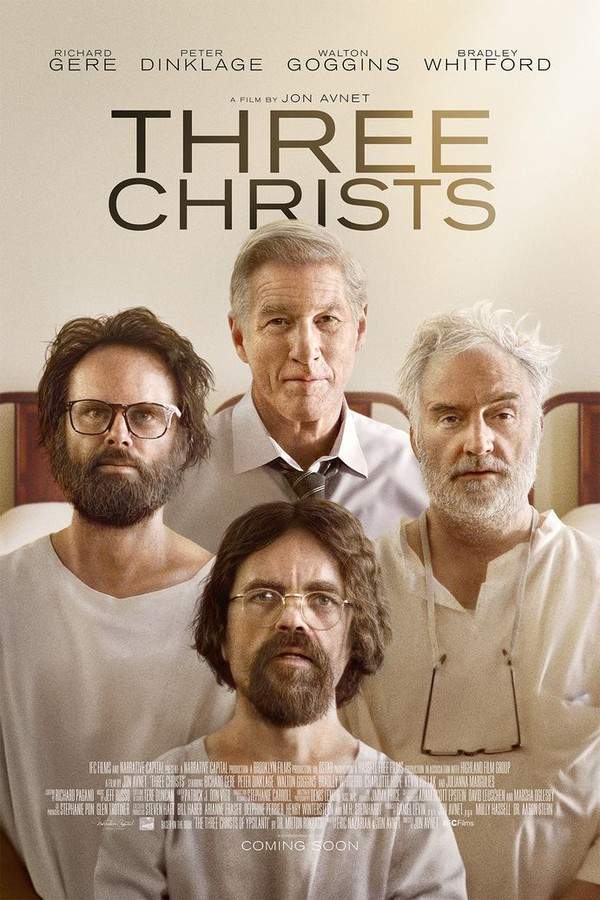
A psychiatrist embarks on a groundbreaking and unconventional experiment when he encounters three men who all believe they are Jesus Christ. Dr. Alan Stone attempts to treat them, exploring the boundaries of empathy and the nature of belief. As he delves deeper into their shared delusion, he begins a transformative journey of his own. Based on a true story, this drama examines the complexities of the human mind and the profound impact of connection.

Does Three Christs have end credit scenes?
No!
Three Christs does not have end credit scenes. You can leave when the credits roll.
Where to Watch Three Christs
See current US streaming, rental, and purchase options for Three Christs (2020) via JustWatch.

AMC Plus Apple TV channel
HD
AMC+
HD
AMC+ Amazon Channel
HD
AMC+ Roku Premium Channel
HD
Philo
HD
Sundance Now
HD
Apple TV Store
HD
Amazon Video
HD
Fandango At Home
SD
Google Play Movies
SD
YouTube
SD Streaming availability powered by 
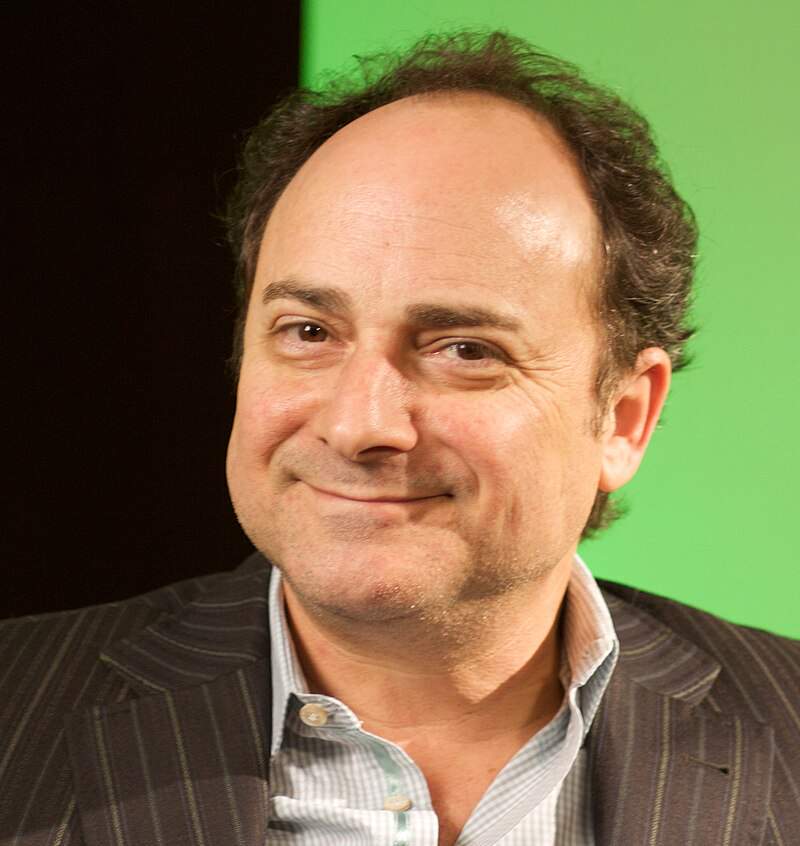
Meet the Full Cast and Actors of Three Christs
Explore the complete cast of Three Christs, including both lead and supporting actors. Learn who plays each character, discover their past roles and achievements, and find out what makes this ensemble cast stand out in the world of film and television.
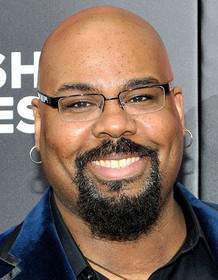
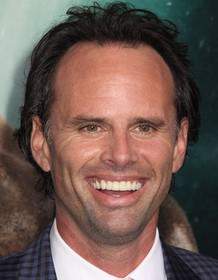

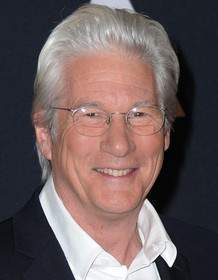
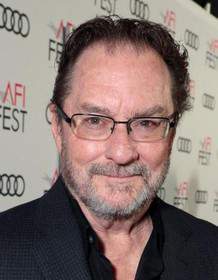


External Links and Streaming Options
Discover where to watch Three Christs online, including streaming platforms, rental options, and official sources. Compare reviews, ratings, and in-depth movie information across sites like IMDb, TMDb, Wikipedia or Rotten Tomatoes.








Ratings and Reviews for Three Christs
See how Three Christs is rated across major platforms like IMDb, Metacritic, and TMDb. Compare audience scores and critic reviews to understand where Three Christs stands among top-rated movies in its genre.

The Movie Echo Score
Three Christs presents a blend of commendable craftsmanship and notable narrative flaws, resulting in a mixed overall reception. Performances and period recreation receive praise for lending authenticity, yet the plot’s uneven focus and measured pacing undercut engagement. While moments of genuine emotional resonance emerge, they are offset by broad characterizations and a sentimental score approach. The net effect is a film with appreciable merits that ultimately struggles to sustain its premise.
The Movie Echo Score Breakdown for Three Christs

Art & Craft
In terms of art and craft, Three Christs delivers a professional period recreation and solid production design. The asylum’s setting and restrained color palette effectively evoke 1950s Michigan, and the film benefits from competent editing that maintains clarity in scene transitions. However, the direction leans toward melodrama and seldom ventures beyond conventional visual choices. Overall, the film demonstrates technical proficiency without achieving a distinct visual identity.

Character & Emotion
When it comes to character and emotion, the cast provides consistently strong performances that anchor the material. Lead actors bring sincerity to their roles, generating moments of genuine empathy for the patients. Yet many supporting figures feel underdeveloped and occasionally slip into broad caricature. The emotional connections are present, but uneven character depth limits a more profound resonance. Ultimately, performances elevate the material despite uneven writing.

Story & Flow
In terms of story and flow, Three Christs struggles with uneven pacing and a lack of coherent focus. The narrative often drags in extended melodramatic passages, and the plot’s central conflict fails to build sustained engagement. Critics noted that the film hesitates between exploring its historical basis and dramatizing personal arcs, resulting in a diluted storyline. As a consequence, the movie rarely achieves the narrative cohesion necessary for compelling drama.

Sensory Experience
Regarding sensory experience, the film benefits from an authentic period sound design and a clear mix that situates dialogue and ambient noise effectively. The visual style is consistent and supports the thematic tone without distraction. Conversely, Jeff Russo’s score relies on sentimental strings that flatten potential dramatic tension. While design elements reinforce the setting, the musical approach occasionally undercuts the film’s more subtle moments. The sensory execution is competent yet restrained.

Rewatch Factor
As a rewatch factor, Three Christs offers limited repeat appeal due to its predominantly slow pacing and modest narrative gains on subsequent viewings. While individual performances and period details retain some interest, the broader structural weaknesses become more apparent over time. Moments of empathic insight may still resonate, but the film’s uneven focus and heavy-handed emotional beats reduce motivation to revisit the material. Ultimately, the lasting appeal is modest.

39
Metascore
6.3
User Score


41%
TOMATOMETER

66%
User Score

6.7 /10
IMDb Rating

69
%
User Score

4.00/5
From 5 fan ratings
Take the Ultimate Three Christs Movie Quiz
Challenge your knowledge of Three Christs with this fun and interactive movie quiz. Test yourself on key plot points, iconic characters, hidden details, and memorable moments to see how well you really know the film.
Three Christs Quiz: Test your knowledge of the film 'Three Christs' based on its compelling exploration of mental health and human connections.
Who is the lead psychologist in 'Three Christs'?
Full Plot Summary and Ending Explained for Three Christs
Read the complete plot summary of Three Christs, including all major events, twists, and the full ending explained in detail. Explore key characters, themes, hidden meanings, and everything you need to understand the story from beginning to end.
Dr. Alan Stone, a groundbreaking psychologist in 1954, took a bold step by leaving his studies at New York University to delve deep into the operations of the Ypsilanti State Mental Asylum. His primary focus was on the treatment of schizophrenic patients, and he quickly gained a reputation as a staunch critic of the prevailing mental health system. At this time, many individuals suffering from mental illness were often placed in institutions and treated harshly, relying heavily on insulin shock and electroconvulsive therapies, while talk therapy played a minimal role in their recovery.
Within the asylum’s somber halls, Dr. Stone encountered two particularly fascinating patients, both of whom believed they were Jesus Christ. Joseph Cassell, an intellectually astute man, and Clyde Benson, a rough and troubled individual, posed unique challenges for the psychologist. This unexpected encounter led Stone to pioneer an innovative method of group talk therapy. He eventually brought in Leon Gabor, another patient who also believed in his own divine identity, to further explore this trio’s collective dynamic.
Dr. Stone’s insights shed light on the stark contrasts between their experiences. Gabor was deeply traumatized by the oppressive influence of his mother and harbored wounds from multiple assaults during his military service. Benson, grieving the death of his wife who had undergone an abortion, struggled to manage his sorrow. Cassell, grappling with violent outbursts, lived in constant fear of losing his grip on reality, especially after enduring repeated electric shock treatments. Despite the skepticism of his peers, including Dr. Orbus, Stone courageously chose a path that shunned physical punishment. He leaned on compassionate dialogues and heartfelt written correspondence to genuinely connect with his patients.
As Stone began to receive accolades for his pioneering treatment methods, highlighted on the cover of a renowned medical journal, a shadow fell over Dr. Orbus, who found his own credentials threatened by his colleague’s success. Desperate to reassert control, Orbus attempted to interfere in Cassell’s therapy sessions, much to Stone’s dismay. When Cassell found himself summoned to Orbus’ office, he discovered that the head psychiatrist had been subtly maneuvering events to his advantage, having previously avoided writing to Cassell himself and instead leaning on Stone. This betrayal drove Cassell into despair, resulting in explosive outbursts that led Orbus to reinstate aggressive electroshock therapies.
In a desperate attempt to shield Cassell from further harm, Stone tried to intervene but was unfortunately powerless to prevent the onslaught. The emotional turmoil escalated into a confrontation with another physician, leaving both men injured. The final straw came when Orbus ousted Stone from the asylum, leaving him feeling utterly defeated.
Under Orbus’ sinister influence, Cassell started perceiving the psychiatrist as a malevolent manipulator. In a harrowing moment of realization, Cassell understood that Stone’s true intention to help him was overshadowed by Orbus’ malevolence. Fueled by this insight, Cassell made a tragic choice, leaping from the chapel bell tower in a potent rejection of Orbus’ oppressive control.
In the aftermath of Cassell’s heartbreaking death, Stone was called to testify at a hearing wherein he held Orbus accountable for his reckless actions. He interpreted Cassell’s last words as a profound testament to the young man’s struggle for self-justification through sacrifice. The result was harrowing: Stone found himself dismissed from his position but was allowed to pursue his research in New York, accompanied by the remaining patients.
Despite this, Orbus continued his reign, stripped of authority until his eventual retirement. As the film concludes, viewers find Stone sitting alongside the two Jesus figures, engaged in a serene game of cards—a poignant reminder that amidst loss, there lies the potential for hope, redemption, and profound personal transformation.

Coming soon on iOS and Android
The Plot Explained Mobile App
From blockbusters to hidden gems — dive into movie stories anytime, anywhere. Save your favorites, discover plots faster, and never miss a twist again.
Sign up to be the first to know when we launch. Your email stays private — always.
Explore the mobile appWatch Trailers, Clips & Behind-the-Scenes for Three Christs
Watch official trailers, exclusive clips, cast interviews, and behind-the-scenes footage from Three Christs. Dive deeper into the making of the film, its standout moments, and key production insights.
Three Christs Themes and Keywords
Discover the central themes, ideas, and keywords that define the movie’s story, tone, and message. Analyze the film’s deeper meanings, genre influences, and recurring concepts.

Unlock the World of Movies with Our Comprehensive Wiki
Dive into our Movie Wiki for in-depth film encyclopedia entries, including cast biographies, production trivia, plot synopses, behind-the-scenes facts, and thematic analyses. Whether you’re researching iconic directors, exploring genre histories, or discovering hidden easter eggs, our expertly curated movie database has everything you need to fuel your cinematic passion.

Similar Movies To Three Christs You Should Know About
Browse a curated list of movies similar in genre, tone, characters, or story structure. Discover new titles like the one you're watching, perfect for fans of related plots, vibes, or cinematic styles.


Quick Links: Summary, Cast, Ratings, More

What's After the Movie?
Not sure whether to stay after the credits? Find out!
Check out our other apps:

SAT Sphere
Build confidence for the Digital SAT.

Mori Atlas
Discover wild places worth protecting.

Luntero
Search smarter for a home in Amsterdam.

Plot Explained
Unravel movie endings and hidden clues.

Pokechamp
Dive into Pokémon data and battle logic.

Driving Theory
Get ready for your European theory test.

Movie Dust
Plan your next cinema trip with ease.

Musemap
Find art and culture as you travel.

Selkobase
Compare credentials before committing.

Local Manual
Turn an unfamiliar country into practical next steps.

Lernavi
Compare school systems before your next move.

GymRoam
Find a workout stop wherever your plans take you.
Explore Our Movie Platform
New Movie Releases (2026)
Famous Movie Actors
Top Film Production Studios
Movie Plot Summaries & Endings
Major Movie Awards & Winners
Best Concert Films & Music Documentaries
Movie Collections and Curated Lists
© 2026 What's After the Movie. All rights reserved.
Privacy Policy