
The Woman in Question (1950): Cast & Plot
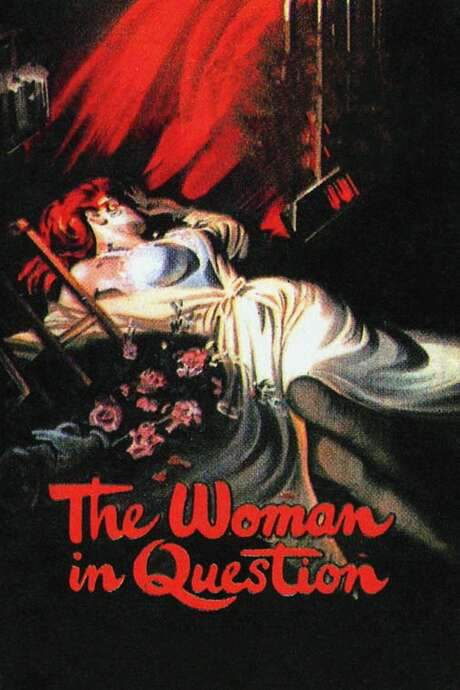
The Woman in Question is a 1950 mystery drama directed by Anthony Asquith, starring Jean Kent as Agnes / Madame Astra / Parrot (voice), Anthony Dawson and Duncan Macrae. It runs 1 hour 28 minutes.
- Released
- Runtime
- 1h 28m (88 min)
- Director
- Anthony Asquith
- Original language
-
 English
 - Studio
- J. Arthur Rank Organisation
- After the credits
- No No extra scene
What Is The Woman in Question About?
The premise of The Woman in Question without spoilers. The whole story is in the plot summary further down.
Agnes “Astra” Huston, a fortune‑teller working the low‑budget midway, is discovered strangled in her modest bedroom. As detectives interview five different suspects, the film presents each person’s memories of their encounters with Astra, unfolding the case through overlapping flashbacks that gradually reveal motives and hidden connections.
The Woman in Question Themes & Keywords
· 50 tags- b movie
- parrot
- lie
- woman
- domineering mother
- sexy sister
- private detective
- talking parrot
- told in flashback
- perfume
- overhearing a conversation
- woman strangled
+38 more Show fewer
- hotel
- shrouded corpse
- repeated scene from a different perspective
- arcade
- engagement ring
- man rejects a woman's advances
- handyman
- woman wears a nightgown
- mind reading act
- discovering a dead body
- sexual attraction
- infatuation
- crime scene photographer
- barging in
- sister murdered
- brother in law sister in law relationship
- police inspector
- alibi
- woman sticks out her tongue
- whodunnit mystery
- romantic rivalry between sisters
- floozie
- parrot in a cage
- hangover
- st. christopher medal
- pet store
- idealization
- death of husband
- conflicting accounts
- boy next door
- affair with a married man
- little boy
- sick wife
- love triangle
- paperboy
- sailor
- marriage proposal
- older man younger woman relationship
The Woman in Question Cast & Characters
Jean Kent leads the cast as Agnes / Madame Astra / Parrot (voice), with Anthony Dawson as Inspector Wilson and Duncan Macrae as Supt. Lodge. Directed by Anthony Asquith; 26 actors are credited in all.
- Director Anthony Asquith
- Jean Kent as Agnes / Madame Astra / Parrot (voice)
- Anthony Dawson as Inspector Wilson
- Duncan Macrae as Supt. Lodge
- Joe Linnane as Inspector Butler
Also Starring in The Woman in Question
· 22 more- Hermione Baddeley Mrs. Finch
- Josephine Middleton Mrs. Hengist
- Robert Scroggins Alfie Finch
- Susan Shaw Catherine Taylor
- Dirk Bogarde R.W. (Bob) Baker
- Charles Victor Albert Pollard
- John McCallum Michael Murray
- Duncan Lamont Barney
- Everley Gregg Lipstick Customer
- Ian Fleming Doctor
- Richard Pearson Detective
- John Boxer Detective Lucas
- Vida Hope Shirley Jones
- Merle Tottenham Neighbour
- Nora Gordon Neighbour
- Helen Goss Neighbour
Show all 26 cast members Show fewer cast members
- Lana Morris Lana Clark
- John Martin Police Photographer
- Julian D'Albie Police Surgeon
- Tom Macaulay Flashy Man
- Albert Chevalier W.T. Gunter
- Richard Dunn Police Sergeant
The Woman in Question Plot Summary
What happens in The Woman in Question from start to finish, spoilers included, with a timeline of 13 key events. The opening is below; the full summary is a 3-minute read.
Spoilers ahead
Agnes Huston, a widow, is discovered murdered in her own home, setting off a complex investigation that unravels through a series of interviews and flashback scenes. As Superintendent Lodge and Inspector Butler question her friends, neighbors, and acquaintances, they uncover widely differing perceptions of Agnes’s personality and recent behavior, which complicate the case.
Full summary
The whole story of The Woman in Question, scene by scene
How Well Do You Know The Woman in Question?
10 questions about the story, each with a hint if you get stuck. Pick an answer to see whether you were right.
Question 1 of 10
- Question 1: not answered
- Question 2: not answered
- Question 3: not answered
- Question 4: not answered
- Question 5: not answered
- Question 6: not answered
- Question 7: not answered
- Question 8: not answered
- Question 9: not answered
- Question 10: not answered
Who is found murdered at the beginning of the film?
Seen The Woman in Question?
Movies Like The Woman in Question
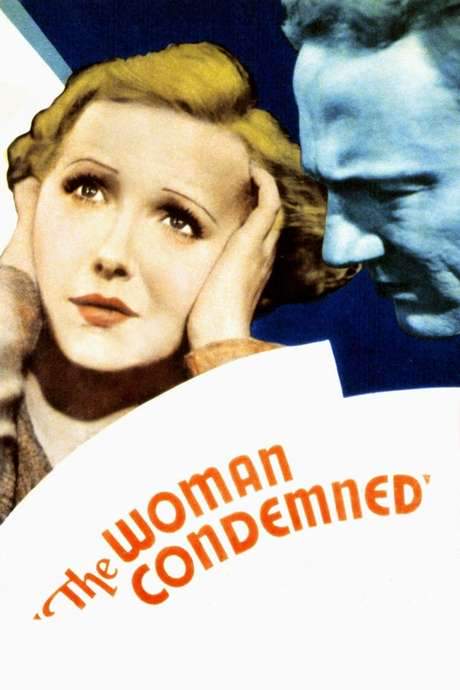
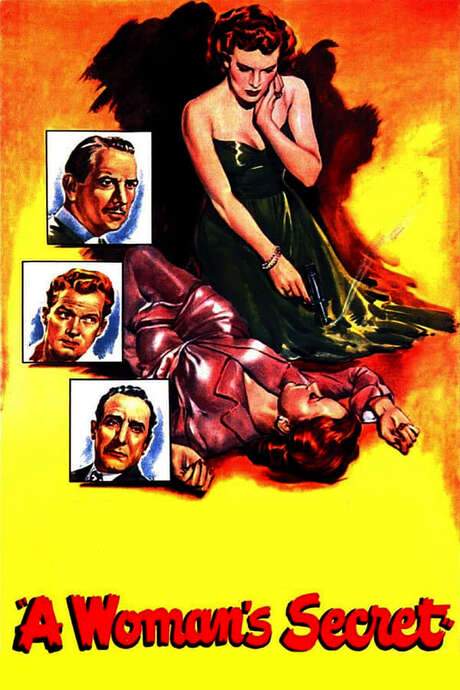
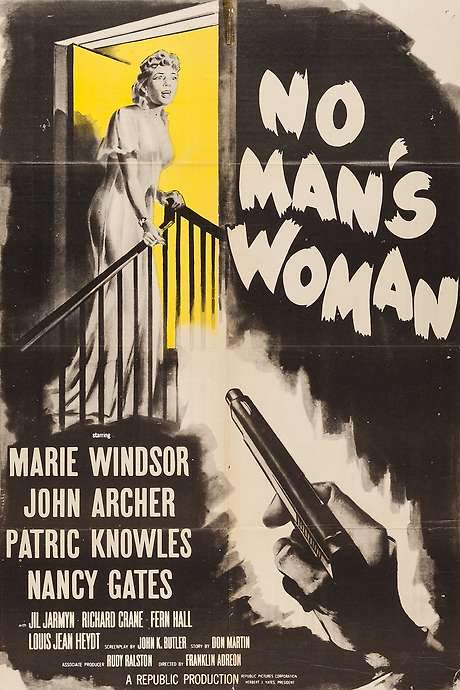
Films with a similar story, tone or audience, including The Woman Condemned, A Woman’s Secret and No Man’s Woman.

The Woman in Question FAQ: Cast, Runtime & Release Date
Runtime, release date, director, cast and post-credit scenes of The Woman in Question, each answered in a sentence.
How long is The Woman in Question?
The Woman in Question runs 1 hour 28 minutes (88 minutes).
When was The Woman in Question released?
The Woman in Question was released on October 3, 1950.
Who directed The Woman in Question?
The Woman in Question was directed by Anthony Asquith.
More films by Anthony Asquith Who is in the cast of The Woman in Question?
The Woman in Question stars Jean Kent as Agnes / Madame Astra / Parrot (voice), Anthony Dawson as Inspector Wilson and Duncan Macrae as Supt. Lodge, among 26 credited actors.
Does The Woman in Question have a post-credit scene?
No. The Woman in Question has no extra scene during or after the credits.
Coming soon to your phone
The Plot Explained Movie Summary App
From blockbusters to hidden gems: plot summaries, endings explained and timelines on your phone. Save your favorites and never miss a twist again.
Be the first to know when it launches. Your email stays private, always. Learn more about the app
