
The Story of Alexander Graham Bell (1939): Cast & Plot
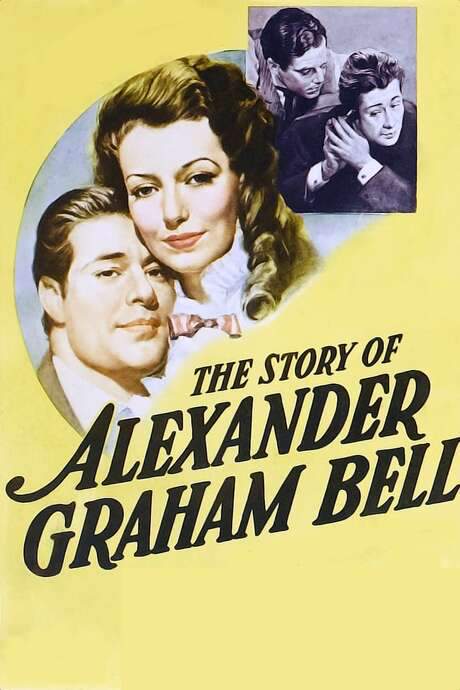
The Story of Alexander Graham Bell is a 1939 historical drama directed by Irving Cummings, starring Loretta Young as Mrs. Mabel Hubbard Bell, Don Ameche and Spring Byington. It runs 1 hour 38 minutes.
- Released
- Runtime
- 1h 38m (98 min)
- Director
- Irving Cummings
- Original language
-
 English
 - Studio
- 20th Century Fox
- After the credits
- No No extra scene
What Is The Story of Alexander Graham Bell About?
The premise of The Story of Alexander Graham Bell without spoilers. The whole story is in the plot summary further down.
Alexander Graham Bell falls in love with deaf Mabel Hubbard while teaching the deaf and seeking a way to transmit the human voice by telegraph. Mabel urges him to delay marriage until his experiments succeed. He eventually invents the telephone, marries Mabel, achieves wealth and fame, but faces a scheming rival company determined to ruin him.
The Story of Alexander Graham Bell Themes & Keywords
· 34 tags- alexander graham bell character
- character name as title
- six word title
- 1870s
- telephone
- boston massachusetts
- western union
- trial
- telegraph
- teacher
- snowball fight
- sled
+22 more Show fewer
- singer
- self sacrifice
- queen victoria
- pianist
- pawnbroker
- patent
- new york city
- marriage proposal
- london england
- lawyer
- lawsuit
- inventor
- hunger
- horse and carriage
- eviction
- deafness
- deaf mute
- christmas
- businessman
- business competition
- boarding house
- based on true story
The Story of Alexander Graham Bell Cast & Characters
Loretta Young leads the cast as Mrs. Mabel Hubbard Bell, with Don Ameche as Alexander Graham Bell and Spring Byington as Mrs. Hubbard. Directed by Irving Cummings; 51 actors are credited in all.
- Director Irving Cummings
-
 Loretta Young as Mrs. Mabel Hubbard Bell
 -
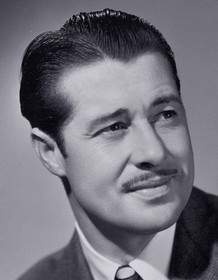 Don Ameche as Alexander Graham Bell
 -
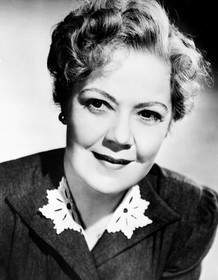 Spring Byington as Mrs. Hubbard
 - Sally Blane as Gertrude Hubbard
Also Starring in The Story of Alexander Graham Bell
· 47 more- Polly Ann Young Grace Hubbard
- Georgiana Young Berta Hubbard
- Charles Coburn Gardner Hubbard
- Henry Fonda Thomas Watson
- Gene Lockhart Thomas Sanders
- Sheldon Jett New England Telephone Company Executive
- Beryl Mercer Queen Victoria
- Jonathan Hale President of Western Union
- Esther Brodelet Telephone Operator
- Russell Hicks Mr. Barrows
- Charles Trowbridge George Pollard
- Harry Tyler Joe Eliot
- Edward Keane Banker at Demo
- Dick Elliott Man Laughing at Demo
- Edward LeSaint Banker at Demonstration
- Mary Field Piano Player
Show all 51 cast members Show fewer cast members
- Harry Davenport Judge Rider
- Eddy Waller Storekeeper
- Fern Emmett Mac Gregor's Maid
- Nora Cecil Miss Jenkins
- Claire Du Brey Landlady
- John Elliott Banker at Demo
- Elizabeth Patterson Mrs. MacGregor
- Paul Stanton Chauncey Smith
- Charles Tannen Court Clerk
- Davison Clark Court Attendant at Door
- George Guhl Mr. Winthrop
- Frank Jaquet Edward
- Otto Hoffman Pawnbroker
- Crauford Kent General
- Zeffie Tilbury Mrs. Sanders
- Tyler Brooke Mr. Calhoun
- Ruth Robinson Nurse
- Jack Kelly Banker's Son (uncredited)
- Ottola Nesmith Nora
- Landers Stevens Manager of New England Telephone Exchange
- Warren Jackson Tom
- Bobs Watson George Sanders
- Dave Morris Telegrapher
- Lillian West Sanders' Nurse
- Jan Duggan Mrs. Winthrop
- Jack Walsh James J. Starrow
- Ralph Remley D'Arcy - Singer
- William Wagner
- John Graham Spacey Sir John Cowell
- Edmund Elton Banker at Demo
- Jarold Clifford Lyons Infant
The Story of Alexander Graham Bell Plot Summary
What happens in The Story of Alexander Graham Bell from start to finish, spoilers included, with a timeline of 14 key events. The opening is below; the full summary is a 4-minute read.
Spoilers ahead
The film opens with a lively get-together where a crowd questions the genius of Alexander Graham Bell, treating his ideas about sound as little more than a flashy party trick rather than a serious breakthrough. Amid the skepticism, Bell is drawn into a chance to help Gardner Hubbard’s deaf daughter with speech after demonstrating a method that teaches a deaf child to communicate using a glove with letters on it. He accepts the challenge, eager to prove himself beyond the mocking ends of the room.
Full summary
The whole story of The Story of Alexander Graham Bell, scene by scene
The Story of Alexander Graham Bell Trailers & Videos
The trailer of The Story of Alexander Graham Bell.
How Well Do You Know The Story of Alexander Graham Bell?
10 questions about the story, each with a hint if you get stuck. Pick an answer to see whether you were right.
Question 1 of 10
- Question 1: not answered
- Question 2: not answered
- Question 3: not answered
- Question 4: not answered
- Question 5: not answered
- Question 6: not answered
- Question 7: not answered
- Question 8: not answered
- Question 9: not answered
- Question 10: not answered
Which actress portrays Mabel Hubbard, the deaf daughter of Gardner Hubbard?
Seen The Story of Alexander Graham Bell?
Movies Like The Story of Alexander Graham Bell
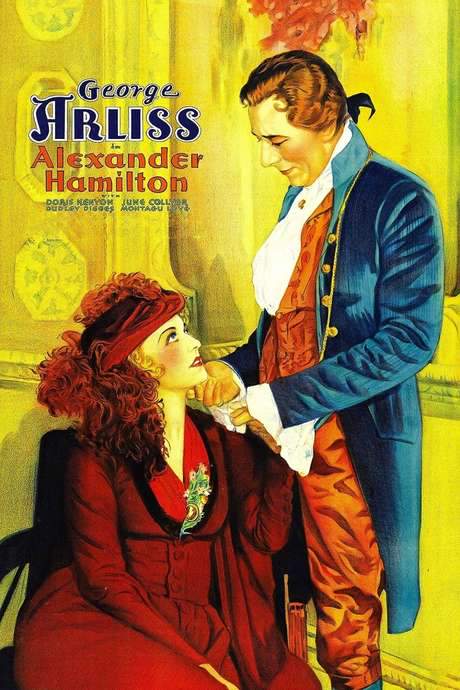
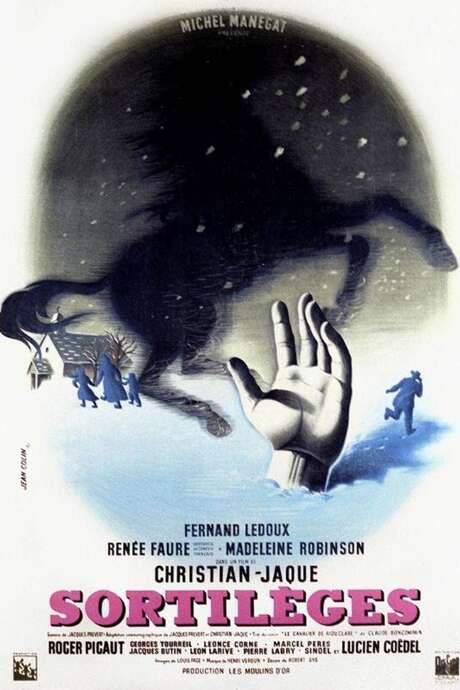
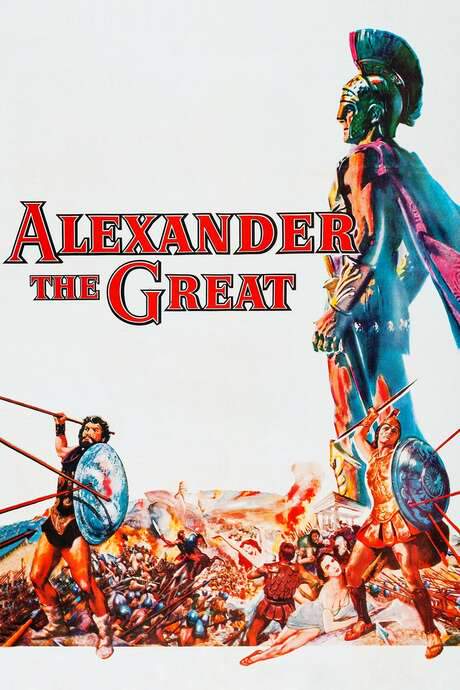
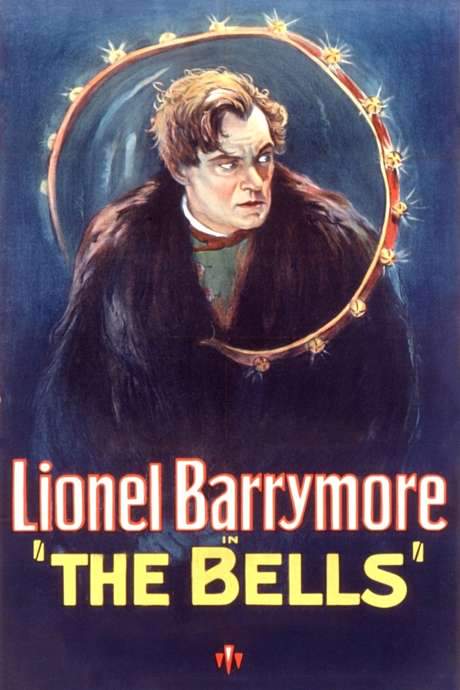
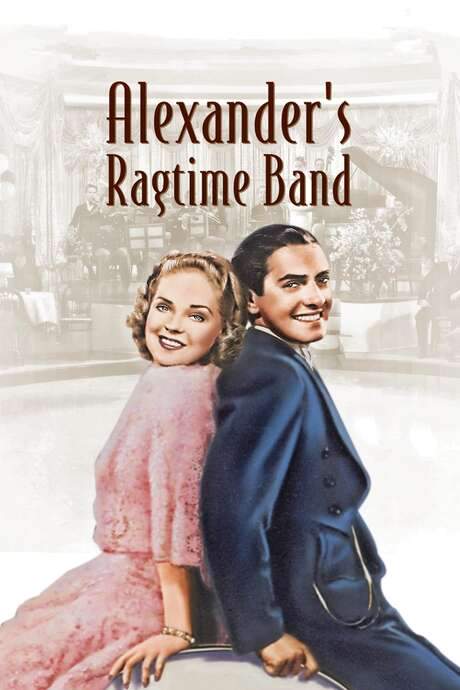
Films with a similar story, tone or audience, including Alexander Hamilton, The Bellman and Alexander the Great.



The Story of Alexander Graham Bell FAQ: Cast & Runtime
Runtime, release date, director, cast and post-credit scenes of The Story of Alexander Graham Bell, each answered in a sentence.
How long is The Story of Alexander Graham Bell?
The Story of Alexander Graham Bell runs 1 hour 38 minutes (98 minutes).
When was The Story of Alexander Graham Bell released?
The Story of Alexander Graham Bell was released on April 4, 1939.
Who directed The Story of Alexander Graham Bell?
The Story of Alexander Graham Bell was directed by Irving Cummings.
More films by Irving Cummings Who is in the cast of The Story of Alexander Graham Bell?
The Story of Alexander Graham Bell stars Loretta Young as Mrs. Mabel Hubbard Bell, Don Ameche as Alexander Graham Bell and Spring Byington as Mrs. Hubbard, among 51 credited actors.
Does The Story of Alexander Graham Bell have a post-credit scene?
No. The Story of Alexander Graham Bell has no extra scene during or after the credits.
Coming soon to your phone
The Plot Explained Movie Summary App
From blockbusters to hidden gems: plot summaries, endings explained and timelines on your phone. Save your favorites and never miss a twist again.
Be the first to know when it launches. Your email stays private, always. Learn more about the app
