
The Official Story (1985): Cast, Box Office & Plot
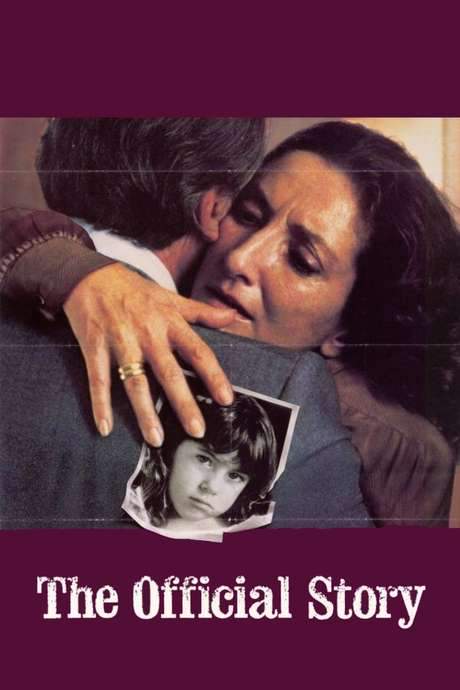
The Official Story is a 1985 historical drama directed by Luis Puenzo, starring Analía Castro as Gaby, Norma Aleandro and Héctor Alterio. It runs 1 hour 52 minutes and earned $69,832 worldwide.
- Released
- Runtime
- 1h 52m (112 min)
- Director
- Luis Puenzo
- Original language
-
 Spanish
 - Studio
- Progress Communications
- After the credits
- No No extra scene
What Is The Official Story About?
The premise of The Official Story without spoilers. The whole story is in the plot summary further down.
In 1983 Buenos Aires, as Argentina’s brutal military dictatorship crumbles, history teacher Alicia begins to probe the unsettling secrets surrounding Gaby, the daughter she adopted. The investigation forces her to confront a terrifying truth the regime tried to hide, revealing the dark origins of her child’s past.
The Official Story Themes & Keywords
· 50 tags- military
- teacher
- torture victim
- bigotry
- military junta
- thumb sucking
- forced disappearance
- female rear nudity
- girl rear nudity
- female full frontal nudity
- social commentary
- bathing a child
+38 more Show fewer
- flatulence
- year 1983
- f word
- daughter
- fart
- farting
- buttocks
- live action
- 1980s
- 16mm format
- amnesty laws
- censorship in argentina
- abduction in the 1980s
- american imperialism
- 1979 in latin america
- abduction in latin america
- anti socialism
- argentine military intelligence
- archive
- 1984 in south america
- 1980 in south america
- 1970s in buenos aires
- 1973 in buenos aires
- american imperialism in the 1980s
- communism in latin america
- 1976 in south america
- executive
- 24 march 1976
- montoneros
- american imperialism in latin america
- anticommunist alliance
- 1979 in argentina
- blacklist
- crime in argentina
- 1980 in latin america
- ambassador
- elections
- genocidal
The Official Story Cast & Characters
Analía Castro leads the cast as Gaby, with Norma Aleandro as Alicia Marnet and Héctor Alterio as Roberto Ibáñez. Directed by Luis Puenzo; 53 actors are credited in all.
- Director Luis Puenzo
- Analía Castro as Gaby
- Norma Aleandro as Alicia Marnet
- Héctor Alterio as Roberto Ibáñez
- Hugo Arana as Enrique Ibáñez
Also Starring in The Official Story
· 49 more- Patricio Contreras Benítez
- Chunchuna Villafañe Ana
- Chela Ruiz Sara
- Guillermo Battaglia José
- Lidia Catalano Dora
- Marcos Woinsky
- Pablo Rago
- Augusto Larreta General
- María Luisa Robledo Ñata
- Jorge Petraglia Macci
- Andrea Tenuta
- Gabriel González
- Carlos Weber Andrada
- Floria Bloise Grandmother
- Beatriz Thibaudin
- Oscar Ferrigno Jr.
Show all 53 cast members Show fewer cast members
- Aníbal Morixe Miller
- Silvia Suárez
- Daniel Lago Dante
- Tony Middleton
- José María López
- Ricardo Hamlin
- Laura Palmucci Rosa
- Leal Rey Father Ismael
- Fabián Rendo
- Eduardo Gondell
- Elvira Romei
- Luis Gianneo
- Jorge Chernov
- Horacio Erman
- Deborah Kors
- Alicia Dolinsky
- Eduardo Camacho
- Paula Canals
- Mónica Escudero
- Fernando Hoffman
- Susana Behocaray
- Cecilia Blanche
- Angelica Bogué
- Zulema Caldas
- Diego Cosín
- Amparo Ibarlucía
- Luisa Onetto
- Fabián Pandolfi
- Gastón Presas
- Maximiliano Reussi
- Adrián Schiavelli
- Jorge Sorvik
- Horacio Yervé
The Official Story Plot Summary
What happens in The Official Story from start to finish, spoilers included, with a timeline of 12 key events. The opening is below; the full summary is a 4-minute read.
Spoilers ahead
Set in Argentina in 1983, the waning days of the country’s last military dictatorship unfold against a backdrop of state-sponsored terror, where thousands are killed or vanish into the shadows and many are buried in unmarked graves. The film moves through a society that is just beginning to grapple with the scale of its own violence, and it follows a family navigating the fragile line between routine life and an undercurrent of fear that quietly reshapes everything around them.
Full summary
The whole story of The Official Story, scene by scene
The Official Story Box Office
The Official Story grossed $69,832 worldwide. $29,426 came from the US and Canada and $40,406 (58%) from the rest of the world.
Worldwide gross
$69.8K
- US & Canada
- $29.4K
- International
- $40.4K
How Well Do You Know The Official Story?
10 questions about the story, each with a hint if you get stuck. Pick an answer to see whether you were right.
Question 1 of 10
- Question 1: not answered
- Question 2: not answered
- Question 3: not answered
- Question 4: not answered
- Question 5: not answered
- Question 6: not answered
- Question 7: not answered
- Question 8: not answered
- Question 9: not answered
- Question 10: not answered
What is Alicia Marnet’s profession?
The Official Story Also Known As
20 alternative titles, including “Desaparecidos” and “A hivatalos változat”.
- Also known as
-
- Desaparecidos
- A hivatalos változat
- Den offisielle historien
- Wersja oficjalna
- De försvunnas barn
- 官方说法
- La storia ufficiale
- 오피셜 스토리
- A História oficial
- L’histoire officielle
- オフィシャル ストーリー
- Resmi tarih
+8 more Show fewer
- Die offizielle geschitche
- L'Histoire officielle
- Die offizielle Geschichte
- 烽火人间
- Официальная версия
- Επίσημη Ιστορία
- Офіційна версія
- オフィシャル・ストーリー, ოფიციალური ვერსია
Seen The Official Story?
Movies Like The Official Story
Films with a similar story, tone or audience, including Imagining Argentina, Argentina, 1985 and Garage Olimpo.
-
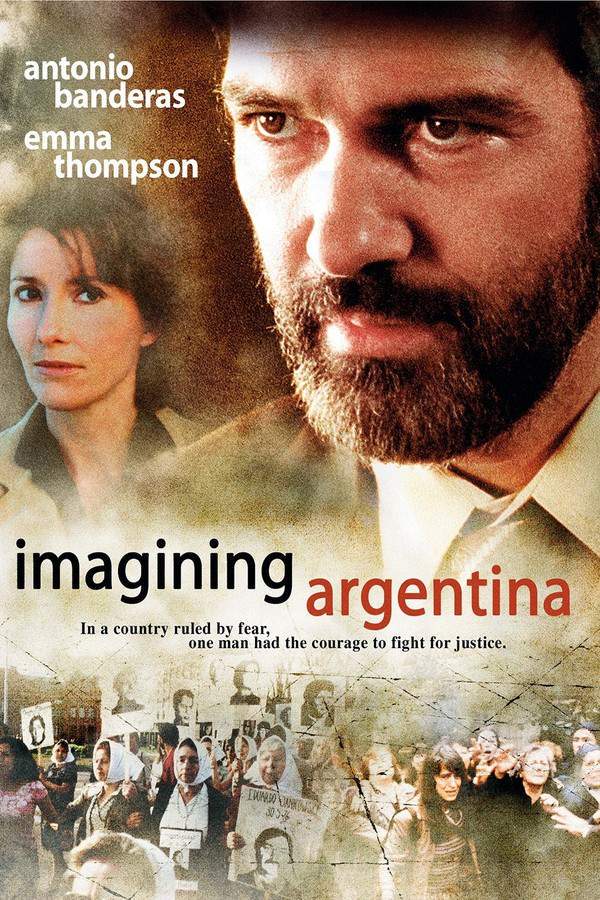 Imagining Argentina 2004
 -
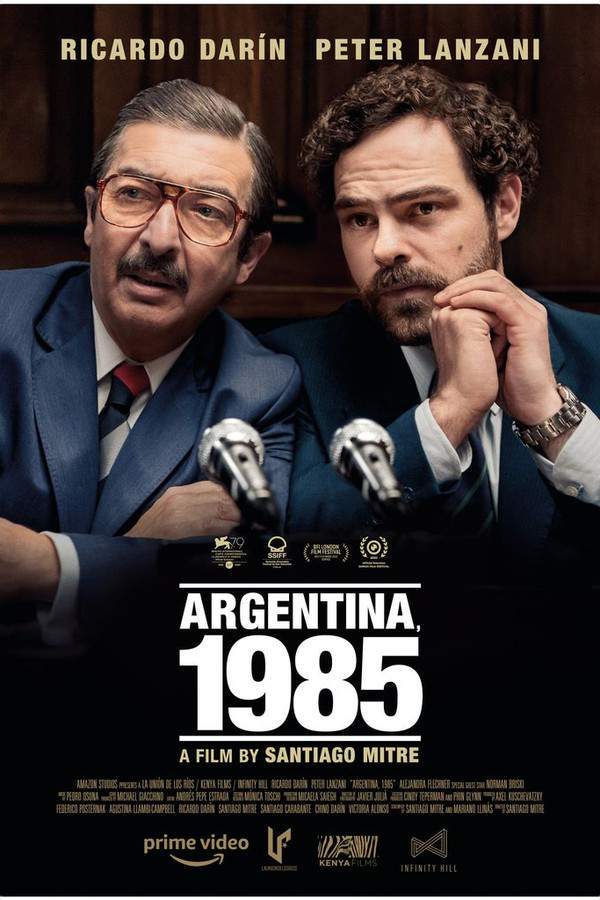 Argentina, 1985 2022
 -
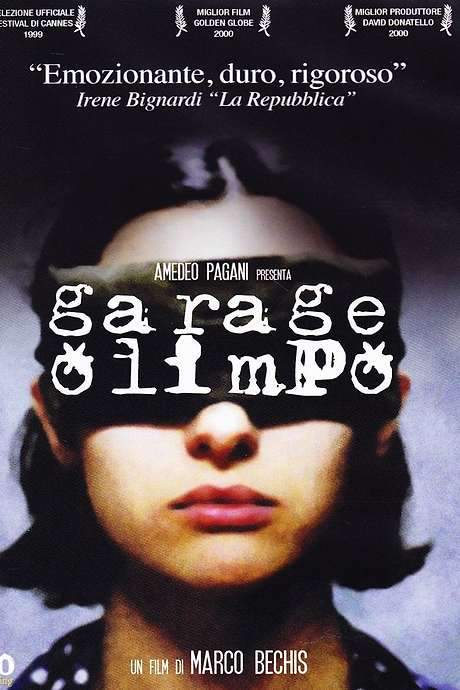 Garage Olimpo 1999
 -
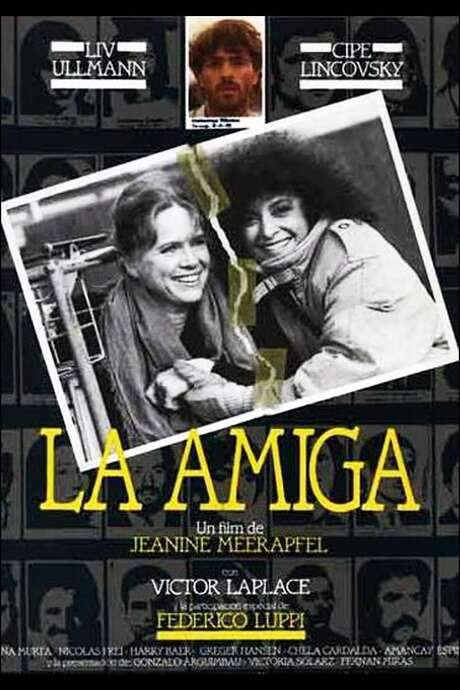 The Girlfriend 1988
 -
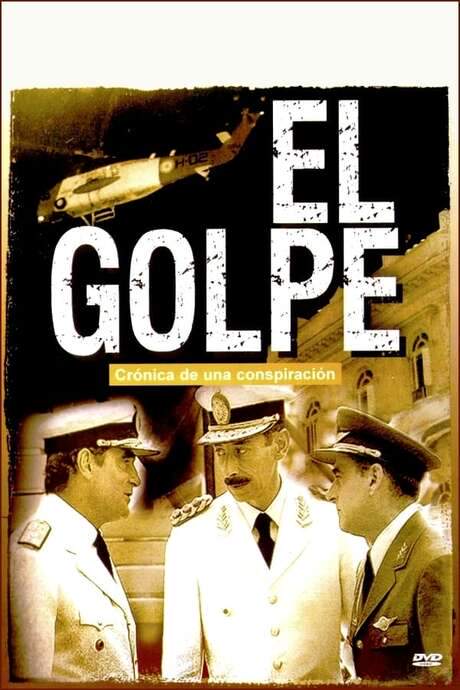 The Blow: Chronicle of a Conspiracy 2006
 -
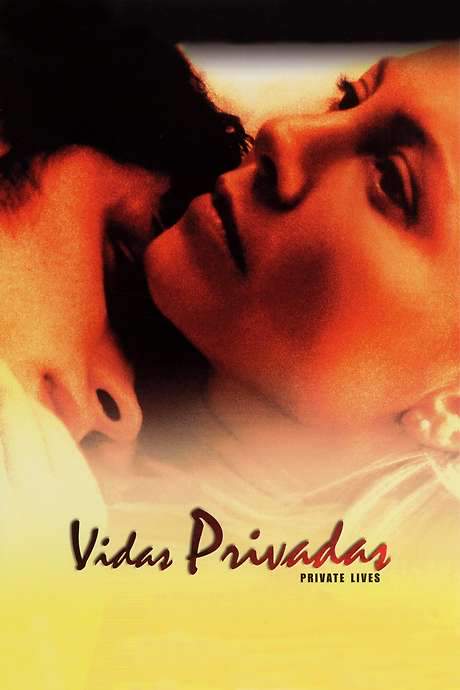 Private Lives 2001
 -
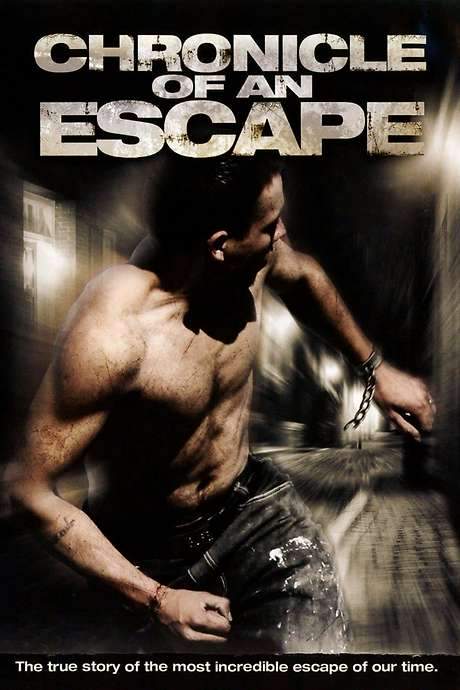 Chronicle of an Escape 2006
 -
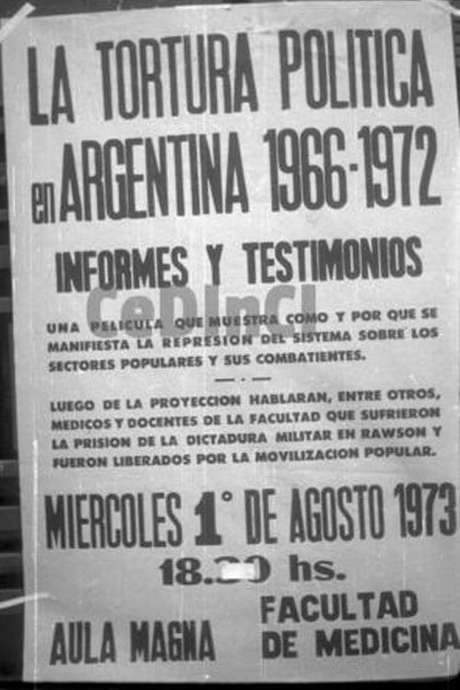 Informes y testimonios. La tortura política en Argentina 1966-1972 1973
 -
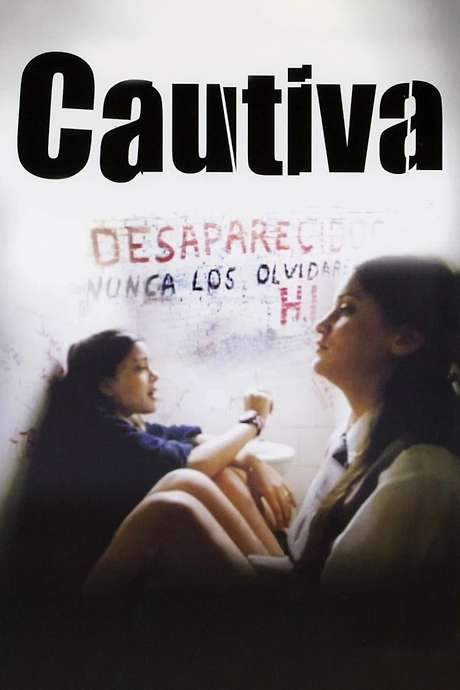 Cautiva 2004
 -
 Sweet Country 1987
 -
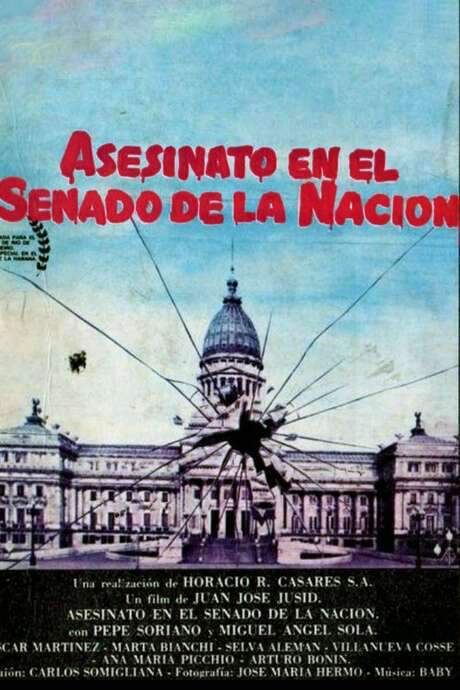 Murder in The Senate 1984
 -
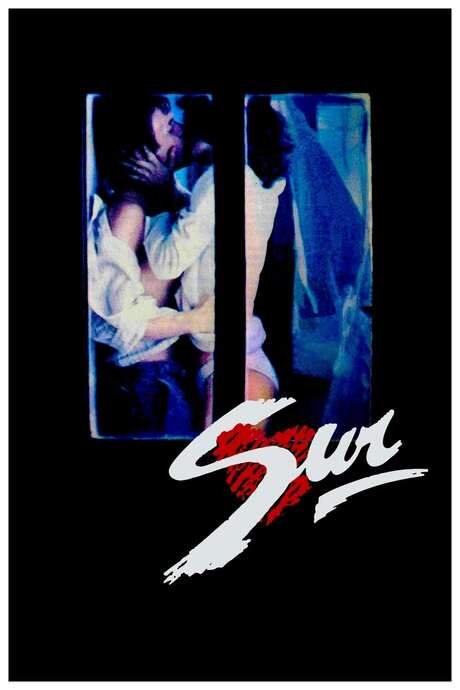 The South 1988
The Official Story FAQ: Cast, Box Office & Runtime
Runtime, release date, director, cast, box office, post-credit scenes and language of The Official Story, each answered in a sentence.
How long is The Official Story?
The Official Story runs 1 hour 52 minutes (112 minutes).
When was The Official Story released?
The Official Story was released on April 3, 1985.
Who directed The Official Story?
The Official Story was directed by Luis Puenzo.
More films by Luis Puenzo Who is in the cast of The Official Story?
The Official Story stars Analía Castro as Gaby, Norma Aleandro as Alicia Marnet and Héctor Alterio as Roberto Ibáñez, among 53 credited actors.
How much did The Official Story make at the box office?
The Official Story grossed $69,832 worldwide ($29,426 domestic, $40,406 international).
Does The Official Story have a post-credit scene?
No. The Official Story has no extra scene during or after the credits.
What language is The Official Story in?
The original language of The Official Story is Spanish.
Coming soon to your phone
The Plot Explained Movie Summary App
From blockbusters to hidden gems: plot summaries, endings explained and timelines on your phone. Save your favorites and never miss a twist again.
Be the first to know when it launches. Your email stays private, always. Learn more about the app
