What Is The Official Story About?
The premise of The Official Story in 315 words, with nothing given away. The full story follows below.
In the fragile twilight of 1983 Buenos Aires, a nation teeters between the lingering shadows of a brutal military regime and the tentative light of a hopeful transition. The streets hum with a muted tension, where ordinary life is laced with whispered rumors of disappeared loved ones and unmarked graves. Against this backdrop, the film adopts a restrained, observant tone that invites the audience to feel the weight of history pressing against the intimate spaces of home and classroom, suggesting that truth often hides in the most familiar corners.
Alícia Marnet, a history teacher whose optimism rests on the belief that only the overtly guilty are targeted, lives with her husband Roberto Ibáñez, a government official, and their five‑year‑old adopted daughter Gaby. Their upper‑middle‑class household appears secure, yet the subtle cracks in that safety begin to show as the country’s past intrudes on daily routines. Roberto clings to a pragmatic view of his work and family, while Alícia starts to sense that the calm around her may be an illusion.
In the school, Benítez, a fellow teacher, challenges the official narrative, encouraging students to question the history they’ve been taught. His presence, along with the inquisitive energy of a student named Costa, turns the classroom into a microcosm of a society forced to confront its own complicity. Meanwhile, Ana, an old friend returned from exile, shares unsettling memories of surveillance and the possibility that children were taken from pregnant mothers—a notion that casts a lingering doubt over Alícia’s perception of her own family.
The film’s atmosphere is one of quiet persistence, where ordinary gestures—a call from a child, a song sung in a wicker chair—contrast with the undercurrent of unease that permeates every relationship. Through Alícia’s growing curiosity about Gaby’s origins, the story explores how personal histories intertwine with a nation’s collective trauma, leaving the viewer with a lingering sense of both vulnerability and resilience.
What Happens in The Official Story?
The complete story of The Official Story, from the first scene to the last, in 871 words (about 4 minutes). Spoilers throughout.
Spoilers ahead
Set in Argentina in 1983, the waning days of the country’s last military dictatorship unfold against a backdrop of state-sponsored terror, where thousands are killed or vanish into the shadows and many are buried in unmarked graves. The film moves through a society that is just beginning to grapple with the scale of its own violence, and it follows a family navigating the fragile line between routine life and an undercurrent of fear that quietly reshapes everything around them.
Alicia Marnet, a high school history teacher, and her husband [Roberto Ibáñez], a government official, live in Buenos Aires with their 5-year-old adopted daughter, Gaby. This household embodies the complacent security of the upper-middle class, where Alicia clings to a hopeful sense that the world is orderly and that only the clearly guilty are targeted. Yet as the country’s past abuses intrude on everyday life, her assumptions begin to crack, revealing how little she truly knows about the violence that surrounds them.
A fellow teacher, [Benítez], challenges Alicia’s worldview, and some of her students start to raise difficult questions about the official history they are taught. The classroom becomes a microcosm of a country forced to confront its own past, and Benítez’s insistence on telling stories that contradict the government narrative pushes Alicia to reexamine what she believes she knows.
Ana, Alicia’s longtime friend who has returned from exile in Europe, shares harrowing memories of living under surveillance and the fear that accompanied it. Her story of apartment searches, confinement, and the suspicion that babies may have been taken from pregnant mothers casts a long shadow over Alicia’s sense of safety. The revelation that ailing justice often hides in plain sight compounds the sense that nothing is ever as simple as it seems.
Alicia grows increasingly curious about Gaby’s origins and asks questions about Gaby’s birth that her husband has urged her to ignore. She wonders why the family marks the day they brought Gaby home rather than the day she was born, and whether Roberto ever truly met Gaby’s birth mother. Roberto’s insistence that the adoption is straightforward clashes with Alicia’s nagging doubt, and the tension between them begins to reveal the strains that lie beneath their domestic calm.
Costa, a student who keeps nudging his classmates toward more critical thinking, serves as a catalyst for the unfolding questions. When Alicia sees newspaper clippings about desaparecidos taped to the blackboard, she witnesses a moment of tension and protected vulnerability within the classroom, as Benítez steps in to shield a student from retaliation. This moment marks a turning point: Alicia’s research deepens, and she starts to see how truth can be hidden within ordinary life.
In her search for Gaby’s hospital birth records, Alicia encounters Sara, whose own daughter was kidnapped by the armed forces. Sara shows a photograph of her daughter at Gaby’s age, a haunting link that suggests Gaby could be connected to a larger network of missing children. This discovery unsettles Alicia and intensifies her sense that the family’s past may be more tangled than they imagined.
Roberto’s world of work becomes increasingly unstable as colleagues vanish or are dragged into the country’s political machinations. He clashes with his liberal father and brother, who condemn his ties to the ruling elite and argue for justice and social equality. The strain of political undercurrents seeps into the home, challenging the couple’s marriage and the future they imagine for Gaby.
Alicia invites Sara into their lives to meet Roberto, hoping to uncover any truth about Gaby’s origins. Roberto’s fury erupts as he refuses to acknowledge the possibility that Gaby’s origins might be more complicated than the official adoption story. Alicia’s resolve hardens; she confronts him with the painful reality that his attitude may be a reflection of a broader, deafening indifference to the fates of missing children. In a moment of violence, he assaults Alicia, a stark testament to how fear and anger can erupt in intimate spaces.
That moment is interrupted by a phone call from Gaby, who is staying with her grandparents. She calls to ask her mother to listen to her sing, requesting that Alicia hear her perform a simple nursery tune, En el país de Nomeacuerdo. The ordinary warmth of that call stands in stark relief to the storm raging in the adults’ lives, and it becomes a quiet, aching reminder of what is at stake when truth is buried and families are fractured.
The film’s final image lingers on Gaby—safe, listening, and singing in a wicker rocking chair—an enduring symbol of innocence and resilience in a country wrestling with its own dark history. The small, intimate moments—the song she sings, the quiet echo of a mother’s footsteps, the unanswered questions—leave a lasting impression of a family and a nation trying to find light in the wake of fear.
En el país de Nomeacuerdo
The tale remains grounded in nuanced performances and a restrained, observant tone that invites reflection rather than sensationalism. Through Alicia’s evolving awareness, the film questions how much a family can know about one another when history itself refuses to reveal all its truths, and it asks viewers to consider what responsibility those who live under such regimes owe to the vulnerable among them.
The Official Story Timeline: Every Key Event in Order
12 key events in the order they happen, from “Alicia's ordinary life under dictatorship” to “Gaby's final moment”. 12 events name a place, across 10 locations.
- 1
Alicia's ordinary life under dictatorship
In 1983 Buenos Aires, Alicia Maquet is a high school history teacher who lives with her husband Roberto and their adopted daughter Gaby. She remains largely unaware of the regime's brutality, trusting that only guilty people are arrested. Their comfortable routine masks the growing fear outside their home.
When:1983 Where:Buenos Aires
- 2
Classroom doubt and challenge
During a classroom discussion about Mariano Moreno, Costa questions the official history as being written by murderers. Benítez steps in to shield a student and challenge the conformity of the moment. The seeds of Alicia's doubt begin to take root.
When:1983 Where:School
- 3
Ana's return and nightmare
Ana returns from exile and recounts how officials ransacked her apartment and tortured her for living with someone branded subversive. She reveals that babies were taken from pregnant women, a detail that traumatizes Alicia. Her story shakes Alicia's sense of safety.
When:1983 Where:Ana's story; Alicia's circle
- 4
Gaby's origins questioned
Alicia starts questioning Gaby's birth and origins, asking why they celebrate the day they brought her home instead of her birthday. Roberto urges her to ignore the questions and stay calm. The tension between truth and family silence grows.
When:1983 Where:Home
- 5
Newspaper evidence of desaparecidos
Alicia arrives at school to find newspaper accounts of the desaparecidos taped to the blackboard, a stark public reminder of the terror. Costa continues to provoke his classmates, while Benítez intervenes to protect him. The atmosphere of fear becomes personal for Alicia.
When:1983 Where:School
- 6
Alicia pursues Gaby's records
While seeking Gaby's hospital birth records, Alicia learns of an organization searching for missing children. She meets Sara, a woman whose pregnant daughter was kidnapped by the armed forces. The possibility that Gaby could be connected surfaces.
When:1983 Where:City / Office
- 7
Sara's photo and possible kinship
Sara shows Alicia a photo of her own missing daughter at Gaby's age, looking strikingly like Gaby. This sight deepens Alicia's suspicion that Gaby may be related. The mystery presses in on Alicia and Roberto.
When:1983 Where:Alicia's home / meeting
- 8
Roberto's pressure and family tensions
Roberto faces pressure at work as colleagues and relatives maneuver within the system, and several employees disappear. Ana confronts him about accusations that he denounced her, widening the rift among friends. The couple's bond strains under the regime's shadow.
When:1983 Where:Work / Home
- 9
Alicia invites Sara home
Alicia brings Sara to meet Roberto, hoping for understanding, but he erupts with anger and demands that Sara leave. Alicia realizes he cares little about the truth of Gaby's origins. The couple's tensions come to a head in their own home.
When:1983 Where:Home
- 10
The assault and the phone call
Alicia confronts Roberto about not knowing Gaby's origins, and he attacks her in a fit of rage. The telephone rings, and Gaby, who is at her grandparents’ house, asks to sing a nursery rhyme to her mother. The moment interrupts the violence but leaves Alicia shaken.
When:Evening 1983 Where:Home; Grandparents' house
- 11
Alicia leaves behind her keys
After the call, Alicia tears up and leaves the house with her purse, forgetting her keys at the door. The act marks a decisive separation from an untruthful life. She steps into an uncertain future in search of truth.
When:Evening 1983 Where:Doorstep
- 12
Gaby's final moment
The film closes on Gaby sitting in a wicker rocking chair, continuing to sing the same nursery rhyme. The image lingers, signaling the unresolved questions about Gaby's origins. The last frame ties the personal to the broader trauma of the era.
When:End of 1983 Where:Grandparents' house
Who Are the Main Characters in The Official Story?
6 characters, among them Alicia Marnet (Norma Aleandro), Roberto Ibáñez (Héctor Alterio) and Benítez (Patricio Contreras): who each one is and the part they play in the story. Every profile links to the actor’s page.
- AM
Alicia Marnet (Norma Aleandro)
Played by Norma Aleandro
A high school history teacher who initially trusts official narratives but grows suspicious as she uncovers state violence and disappearances. Her pursuit of Gaby’s origins drives her to challenge her husband and the social circle she thought she knew. She embodies cautious moral courage, choosing truth over comfort even at personal cost.
- 🧭 Investigator
- 🏫 Teacher
- 🧭 Moral Courage
- RI
Roberto Ibáñez (Héctor Alterio)
Played by Héctor Alterio
A government official and Alicia's husband who values status within the ruling elite. He experiences pressure as colleagues disappear and clashes with liberal family members, revealing a reluctance to confront the truth about Gaby's origins. His violence highlights personal complicity and the fragility of power.
- 🏛️ Power
- ⚖️ Complicity
- 🧩 Family ties
-
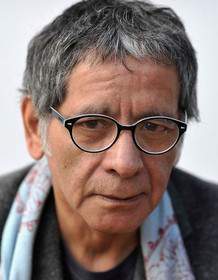
Benítez (Patricio Contreras)
Played by Patricio Contreras
A fellow teacher who challenges Alicia’s views and nudges her toward a deeper examination of the regime's crimes. He acts as a catalyst for moral reflection within an oppressive system and defends open discussion among students.
- 🕵️♀️ Questioner
- 🗣️ Advocate
- 🧭 Truth seeker
- A(
Ana (Chunchuna Villafañe)
Played by Chunchuna Villafañe
A longtime friend returning from exile who recounts torture and the personal costs of political imprisonment. Her testimony exposes the brutality of the regime and explains why dissent carried such a heavy price.
- ⚖️ Survivor
- 🗺️ Exile
- 🩸 Trauma
- G(
Gaby (Analía Castro)
Played by Analía Castro
Alicia and Roberto's adopted daughter whose origins become a central mystery. The possibility that Gaby could be Sara's granddaughter ties private family history to public political crime, forcing Alicia to confront deeper truths.
- 👶 Adoption
- 🔍 Identity
- 🧩 Mystery
- S(
Sara (Chela Ruiz)
Played by Chela Ruiz
A mother searching for her missing daughter after the army abducted her. Her experience deepens the film’s humanitarian stakes and connects individual tragedy to the regime's broader pattern of disappearances.
- 🧬 Missing loved ones
- 🕊️ Hope
- 👩👧 Family
Where and When Is The Official Story Set?
The Official Story is set in Buenos Aires and Argentina (1983). Here is why the time and place matter to the story.
When
1983
The story takes place in 1983, the last year of the dictatorship, a period marked by state-sponsored terrorism and a struggle over memory. Public records and history are contested as the characters seek truth in a climate of fear and silence. Personal revelations about birth, adoption, and missing relatives intersect with a national reckoning with past crimes.
Where
Buenos Aires, Argentina
Buenos Aires serves as the political and social backdrop of Argentina's final military dictatorship. The city is shown through a comfortable, middle-class family and classroom life, while state violence and censorship creep into daily routines. The urban setting highlights the clash between private life and a regime that disappears thousands of people.
- 🏙️ Urban
- 🇦🇷 Argentina
- 🕰️ 1983
What Are the Themes of The Official Story?
3 ideas the story keeps returning to, among them Truth Memory, Memory Silence and Family Identity.
-
01
Truth Memory
The film centers on uncovering the real past behind official accounts. Alicia’s investigation forces her to confront how the regime shaped history and personal narratives. Memory becomes a political act as lies and omissions are challenged by new testimony.
-
02
Memory Silence
Silence blankets families and institutions under a regime that erases inconvenient truths. Characters wrestle with what to reveal, what to forget, and how to bear witness. The absence of information about missing people acts as a tool of control, while acts of testimony seek to reclaim lost lives.
-
03
Family Identity
Gaby’s origins put personal identity at the center of political crime, forcing Alicia to question what makes a family legitimate. Adoption, birth, and belonging become battlegrounds where private loyalty clashes with public accountability. The film binds intimate family stakes to a nation’s struggle for truth.
What Kind of Film Is The Official Story?
Tense in tone, with steady pacing and a moderate story, going by the plot summary.
- Tone
- Tense
- Pacing
- Steady
- Story
- Moderate
- Intensity
- High
- Ending
- Bittersweet
A tense and somber drama that builds suspense through the quiet unraveling of a family's lies, set against the oppressive backdrop of a crumbling dictatorship, leaving a heavy emotional residue.
- tense
- somber
- anxious
- reflective
- melancholic
- unsettling
- political drama
- state terror
- family secrets
- historical truth
Content notes: torture, forced disappearance, child abduction, domestic abuse, state violence.
Quiz
How well do you remember The Official Story? Test yourself on the story.