The House on 92nd Street 1945


The F.B.I.’s own tense, terrific story behind the protection of the ATOMIC BOMB! The US Government tries to track down embedded Nazi agents in the States.

Does The House on 92nd Street have end credit scenes?
No!
The House on 92nd Street does not have end credit scenes. You can leave when the credits roll.
Meet the Full Cast and Actors of The House on 92nd Street
Explore the complete cast of The House on 92nd Street, including both lead and supporting actors. Learn who plays each character, discover their past roles and achievements, and find out what makes this ensemble cast stand out in the world of film and television.

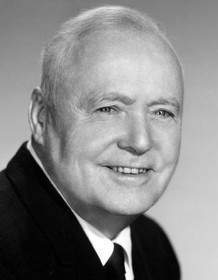
Leo G. Carroll
Col. Hammersohn
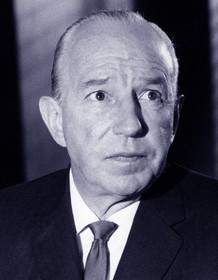
Lloyd Nolan
Agent George A. Briggs
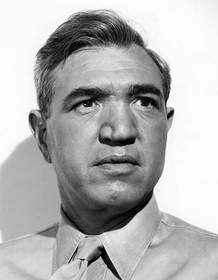
Harry Bellaver
Max Cobura
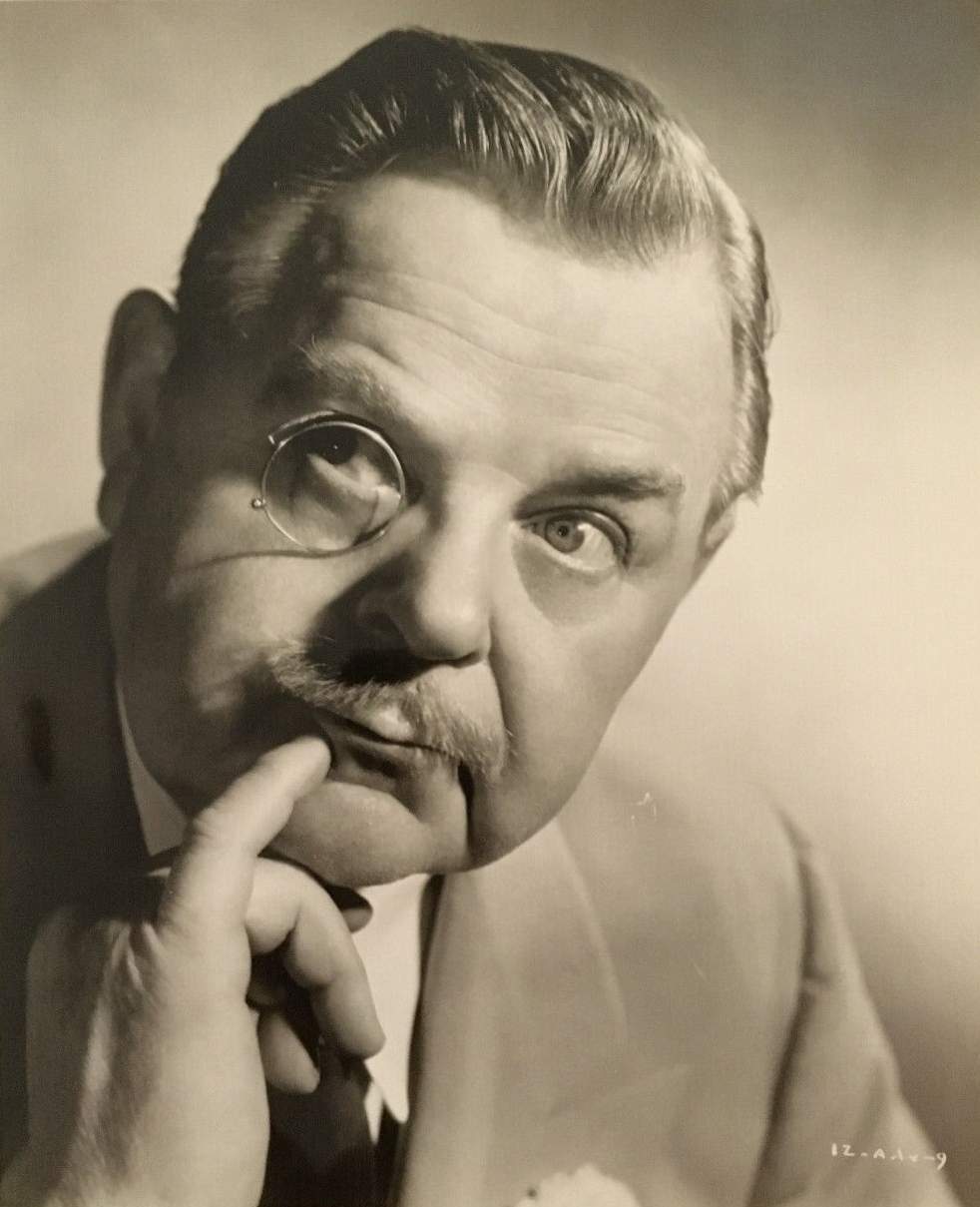
Gene Lockhart
Charles Ogden Roper

Reed Hadley
Narrator (voice)
Signe Hasso
Elsa Gebhardt
Rusty Lane
Admiral
Charles Wagenheim
Gustav Hausmann
Harro Meller
Conrad Arnulf
William Eythe
Bill Dietrich
William Post Jr.
Walker
Bruno Wick
Adolf Lange
Alfred Linder
Adolf Klein
Kenneth Konopka
Saboteur
Renee Carson
Luise Vajda
Lydia St. Clair
Johanna Schmidt
Jack McKee
Dr. Arthur C. Appleton
External Links and Streaming Options
Discover where to watch The House on 92nd Street online, including streaming platforms, rental options, and official sources. Compare reviews, ratings, and in-depth movie information across sites like IMDb, TMDb, Wikipedia or Letterboxd.





Take the Ultimate The House on 92nd Street Movie Quiz
Challenge your knowledge of The House on 92nd Street with this fun and interactive movie quiz. Test yourself on key plot points, iconic characters, hidden details, and memorable moments to see how well you really know the film.
The House on 92nd Street (1945) Quiz: Test your knowledge of the 1945 espionage thriller "The House on 92nd Street" with these ten mixed‑difficulty questions.
Who provides the steady narration throughout the film?
Full Plot Summary and Ending Explained for The House on 92nd Street
Read the complete plot summary of The House on 92nd Street, including all major events, twists, and the full ending explained in detail. Explore key characters, themes, hidden meanings, and everything you need to understand the story from beginning to end.
Opening with documentary footage and a steady narration by Reed Hadley, the film frames a tense cat-and-mouse story about espionage and a secret the United States dares not reveal. The introductory reels, presented as FBI surveillance from the German Embassy in Washington, show German officials who are actively recruiting spies, setting a mood of quiet danger that threads through the entire narrative. The tension mounts when a German spy is killed in a traffic accident; as he lies dying, he murmurs a single cryptic name: “Mr. Christopher.” The moment lingers, because the dying man’s words hint at a more dangerous plan hidden within the least expected channels.
Among the items recovered from the spy’s possession is a secret message pointing to Process 97, a designation that instantly excites alarm in the FBI. The message makes it clear that Process 97 is not mere espionage chatter but America’s most guarded secret—the atomic bomb project itself. Agent George Briggs, a sharp and wary figure, grasps the gravity of this clue, understanding that the clock is ticking and the stakes could not be higher.
In a parallel thread, an American university student, Bill Dietrich, is approached by German recruiters who offer a tempting, glamorous job. He does not fall for the bait; instead, he feigns interest and secretly alerts the FBI. Acting on this tip, the agents recruit Dietrich as a double agent, a risky gambit designed to root out the network from inside. Dietrich is sent to Hamburg, where he endures six months of rigorous espionage training, mastering the tricks of trade, the subtleties of deception, and the nerve of operating under pressure behind enemy lines.
Dietrich returns to the United States with a mission that places him at the heart of a secret operation on Long Island. There, he is to establish a radio station designed to relay critical shipping information—arrivals, departures, destinations, and cargo—back to Germany. He also acts as a paymaster for the spies who convene at a discreet, multi-storey house on East 92nd Street—the first floor disguising itself as a dress shop. Dietrich’s authority and authority alone to shape the operation raises eyebrows among the spies he meets, and the tense atmosphere is heightened when his contact, Elsa Gebhardt, a dress designer, begins to question the legitimacy of his power. Her suspicions grow as she awaits confirmation from Germany, and, with communications slow, she is forced to navigate a maze of uncertainty while still keeping the operation afloat.
The house on East 92nd Street becomes a crucible for trust and betrayal. Elsa Gebhardt’s crew resists Dietrich’s commands and treats him with wariness, but the relentless pressure of the mission compels them to press on. Dietrich secretly passes along decryption-ready microfilmed credentials to the FBI, prompting investigators to alter his authorized reach so that he may meet more of the agents involved. The plan to crack the ring intensifies, and the 92nd Street location—concealed behind a storefront—becomes the nerve center of a dangerous covert operation.
A crucial thread of the investigation—the chain that links Dietrich’s operation to the broader plot—unfolds when a cigarette butt found in Gebhardt’s ashtray leads investigators to Luise Vajda, Luise Vajda, and then to her supposed confidant, Charles Ogden Roper, a scientist working on Process 97. Roper is seized, subjected to interrogation, and, under pressure, confesses to concealing the last piece of Process 97 inside a copy of Spencer’s First Principles at a bookstore where a person believed to be “Mr. Christopher” had been filmed. The FBI’s breakthrough confirms Gebhardt’s suspicions about Dietrich’s limited authority and the spy ring’s internal fault lines.
As Germany reveals its reply and confirms the misalignment of Dietrich’s real powers, Gebhardt makes her bold move. She arranges an abduction of Dietrich from the Long Island station and drags him back to the 92nd Street hideout. In a desperate bid to salvage the final papers, Gebhardt injects him with scopolamine to wring the last pieces of information from him. The siege surrounding Gebhardt’s building tightens, and she attempts to slip out in disguise as the elusive Mr. Christopher, hoping to carry the last vital papers to safety. When she cannot climb down the fire escape, she returns inside, only to be accidentally shot by one of her own men. The raid closes in on Gebhardt’s workers, and the remaining conspirators are captured, while Dietrich is rescued.
The denouement returns to the FBI’s steady, practical approach. With the ring dismantled and key pieces of Process 97 recovered, authorities secure the evidence and neutralize the threat posed by the group hiding behind the East 92nd Street front. The narrative, anchored by the disciplined narration of [Reed Hadley], emphasizes the tense balance between heroism and risk, showcasing the courage of double agents who walk a narrow line between truth and treachery. In the end, the film leaves viewers with a sober reminder of how espionage operates in shadows—how a single cigarette butt or a whispered name can cascade into a national security crisis, and how relentless pursuit by the FBI can turn a potentially catastrophic failure into a critical victory for justice and safety.

Coming soon on iOS and Android
The Plot Explained Mobile App
From blockbusters to hidden gems — dive into movie stories anytime, anywhere. Save your favorites, discover plots faster, and never miss a twist again.
Sign up to be the first to know when we launch. Your email stays private — always.
Explore the mobile appDiscover Film Music Concerts Near You – Live Orchestras Performing Iconic Movie Soundtracks
Immerse yourself in the magic of cinema with live orchestral performances of your favorite film scores. From sweeping Hollywood blockbusters and animated classics to epic fantasy soundtracks, our curated listings connect you to upcoming film music events worldwide.
Explore concert film screenings paired with full orchestra concerts, read detailed event information, and secure your tickets for unforgettable evenings celebrating legendary composers like John Williams, Hans Zimmer, and more.


Cars Featured in The House on 92nd Street
Explore all cars featured in The House on 92nd Street, including their makes, models, scenes they appear in, and their significance to the plot. A must-read for car enthusiasts and movie buffs alike.
The House on 92nd Street Themes and Keywords
Discover the central themes, ideas, and keywords that define the movie’s story, tone, and message. Analyze the film’s deeper meanings, genre influences, and recurring concepts.
The House on 92nd Street Other Names and Titles
Explore the various alternative titles, translations, and other names used for The House on 92nd Street across different regions and languages. Understand how the film is marketed and recognized worldwide.
Similar Movies To The House on 92nd Street You Should Know About
Browse a curated list of movies similar in genre, tone, characters, or story structure. Discover new titles like the one you're watching, perfect for fans of related plots, vibes, or cinematic styles.


Quick Links: Summary, Cast, Ratings, More

What's After the Movie?
Not sure whether to stay after the credits? Find out!
Check out our other apps:

SAT Sphere
Build confidence for the Digital SAT.

Mori Atlas
Discover wild places worth protecting.

Luntero
Search smarter for a home in Amsterdam.

Plot Explained
Unravel movie endings and hidden clues.

Pokechamp
Dive into Pokémon data and battle logic.

Driving Theory
Get ready for your European theory test.

Movie Dust
Plan your next cinema trip with ease.

Musemap
Find art and culture as you travel.

Selkobase
Compare credentials before committing.

Local Manual
Turn an unfamiliar country into practical next steps.

Lernavi
Compare school systems before your next move.

GymRoam
Find a workout stop wherever your plans take you.
Explore Our Movie Platform
New Movie Releases (2026)
Famous Movie Actors
Top Film Production Studios
Movie Plot Summaries & Endings
Major Movie Awards & Winners
Best Concert Films & Music Documentaries
Movie Collections and Curated Lists
© 2026 What's After the Movie. All rights reserved.
Privacy Policy