
The House on 92nd Street 1945

Directed by
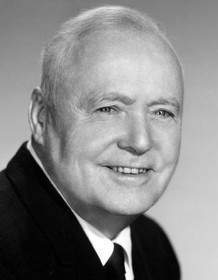
Henry Hathaway
Made by

20th Century Fox
The House on 92nd Street Plot Summary
Read the complete plot summary and ending explained for The House on 92nd Street (1945). From turning points to emotional moments, uncover what really happened and why it matters.
Opening with documentary footage and a steady narration by Reed Hadley, the film frames a tense cat-and-mouse story about espionage and a secret the United States dares not reveal. The introductory reels, presented as FBI surveillance from the German Embassy in Washington, show German officials who are actively recruiting spies, setting a mood of quiet danger that threads through the entire narrative. The tension mounts when a German spy is killed in a traffic accident; as he lies dying, he murmurs a single cryptic name: “Mr. Christopher.” The moment lingers, because the dying man’s words hint at a more dangerous plan hidden within the least expected channels.
Among the items recovered from the spy’s possession is a secret message pointing to Process 97, a designation that instantly excites alarm in the FBI. The message makes it clear that Process 97 is not mere espionage chatter but America’s most guarded secret—the atomic bomb project itself. Agent George Briggs, a sharp and wary figure, grasps the gravity of this clue, understanding that the clock is ticking and the stakes could not be higher.
In a parallel thread, an American university student, Bill Dietrich, is approached by German recruiters who offer a tempting, glamorous job. He does not fall for the bait; instead, he feigns interest and secretly alerts the FBI. Acting on this tip, the agents recruit Dietrich as a double agent, a risky gambit designed to root out the network from inside. Dietrich is sent to Hamburg, where he endures six months of rigorous espionage training, mastering the tricks of trade, the subtleties of deception, and the nerve of operating under pressure behind enemy lines.
Dietrich returns to the United States with a mission that places him at the heart of a secret operation on Long Island. There, he is to establish a radio station designed to relay critical shipping information—arrivals, departures, destinations, and cargo—back to Germany. He also acts as a paymaster for the spies who convene at a discreet, multi-storey house on East 92nd Street—the first floor disguising itself as a dress shop. Dietrich’s authority and authority alone to shape the operation raises eyebrows among the spies he meets, and the tense atmosphere is heightened when his contact, Elsa Gebhardt, a dress designer, begins to question the legitimacy of his power. Her suspicions grow as she awaits confirmation from Germany, and, with communications slow, she is forced to navigate a maze of uncertainty while still keeping the operation afloat.
The house on East 92nd Street becomes a crucible for trust and betrayal. Elsa Gebhardt’s crew resists Dietrich’s commands and treats him with wariness, but the relentless pressure of the mission compels them to press on. Dietrich secretly passes along decryption-ready microfilmed credentials to the FBI, prompting investigators to alter his authorized reach so that he may meet more of the agents involved. The plan to crack the ring intensifies, and the 92nd Street location—concealed behind a storefront—becomes the nerve center of a dangerous covert operation.
A crucial thread of the investigation—the chain that links Dietrich’s operation to the broader plot—unfolds when a cigarette butt found in Gebhardt’s ashtray leads investigators to Luise Vajda, Luise Vajda, and then to her supposed confidant, Charles Ogden Roper, a scientist working on Process 97. Roper is seized, subjected to interrogation, and, under pressure, confesses to concealing the last piece of Process 97 inside a copy of Spencer’s First Principles at a bookstore where a person believed to be “Mr. Christopher” had been filmed. The FBI’s breakthrough confirms Gebhardt’s suspicions about Dietrich’s limited authority and the spy ring’s internal fault lines.
As Germany reveals its reply and confirms the misalignment of Dietrich’s real powers, Gebhardt makes her bold move. She arranges an abduction of Dietrich from the Long Island station and drags him back to the 92nd Street hideout. In a desperate bid to salvage the final papers, Gebhardt injects him with scopolamine to wring the last pieces of information from him. The siege surrounding Gebhardt’s building tightens, and she attempts to slip out in disguise as the elusive Mr. Christopher, hoping to carry the last vital papers to safety. When she cannot climb down the fire escape, she returns inside, only to be accidentally shot by one of her own men. The raid closes in on Gebhardt’s workers, and the remaining conspirators are captured, while Dietrich is rescued.
The denouement returns to the FBI’s steady, practical approach. With the ring dismantled and key pieces of Process 97 recovered, authorities secure the evidence and neutralize the threat posed by the group hiding behind the East 92nd Street front. The narrative, anchored by the disciplined narration of [Reed Hadley], emphasizes the tense balance between heroism and risk, showcasing the courage of double agents who walk a narrow line between truth and treachery. In the end, the film leaves viewers with a sober reminder of how espionage operates in shadows—how a single cigarette butt or a whispered name can cascade into a national security crisis, and how relentless pursuit by the FBI can turn a potentially catastrophic failure into a critical victory for justice and safety.
The House on 92nd Street Timeline
Follow the complete movie timeline of The House on 92nd Street (1945) with every major event in chronological order. Great for understanding complex plots and story progression.
Opening sequence with FBI surveillance
The film opens with documentary footage derived from FBI surveillance, showing officials at the German Embassy in Washington actively recruiting spies. The narration establishes the secrecy surrounding the atomic bomb project, Process 97. This framing sets the tense atmosphere for the espionage story to come.
Death of a German spy and clue to Mr. Christopher
A German spy is killed in a traffic accident, muttering Mr. Christopher as he dies. The FBI discovers a secret message pointing to Process 97, America's guarded atomic bomb project. This event triggers the spy investigation that drives the plot.
Dietrich recruited as a double agent
Bill Dietrich, a U.S. university student, is approached by German recruiters offering him a lucrative job. He feigns interest and then alerts the FBI to the recruitment. Agent Briggs recruits him as a double agent to infiltrate the German ring.
Dietrich trained in Hamburg
Dietrich is sent to Hamburg, Germany for six months of espionage training. During this time he learns spycraft and counterintelligence techniques. After completing training, he is sent back to the United States.
Return to US and radio operation
Back in the U.S., Dietrich is tasked with setting up a radio station on Long Island to relay secret shipping information. He also acts as paymaster for the spies meeting at a house on East 92nd Street. He is told that only a figure called Mr. Christopher can alter details of his assignment.
Credentials passed to FBI and status adjusted
Dietrich hands his microfilmed credentials to the FBI. Agents decide to alter his authorized status so that he can contact nearly all the agents. This adjustment expands his access and heightens the risk of exposure.
The 92nd Street front and Elsa Gebhardt
The 92nd Street residence operates as a front for German spies, with a dress shop on the first floor. Elsa Gebhardt becomes Dietrich's contact but reacts with suspicion to his unusual authority. Germany's slow replies force Gebhardt to rely on Dietrich's access for now.
Gebhardt orders immediate submittal of Process 97 portion
Gebhardt instructs Dietrich to transmit a key portion of Process 97 immediately. She seeks confirmation from Germany, but the communication is slow. Nevertheless, she grants Dietrich full access to the spy ring.
Cigarette butt leads to Roper
Dietrich's actions and a cigarette butt in Gebhardt's ashtray become a clue the FBI uses to identify Luise Vadja, and ultimately Charles Ogden Roper. Roper is arrested and questioned, and he confesses to hiding the last part of Process 97 in a copy of Spencer's First Principles at a bookstore.
Briggs orders arrest of Gebhardt's ring
Following Roper's confession, Briggs orders the immediate arrest of Gebhardt's ring. The investigation tightens around the German espionage operation and its key players.
Gebhardt's confirmation from Germany
Gebhardt finally receives a reply from Germany confirming her suspicions about Dietrich's limited authority and loyalty. The confirmation reinforces her position within the spy network and heightens the urgency of her mission.
Dietrich abducted from Long Island
Dietrich is abducted from the Long Island radio station and brought to the 92nd Street location. Gebhardt accelerates her plan to obtain the final vital papers on Process 97 before the FBI closes in.
Scopolamine and standoff
Gebhardt injects Dietrich with scopolamine in an attempt to obtain information. Her building is surrounded by FBI agents, signaling an imminent takedown of the spy operation.
Escape attempt, shooting, and rescue
Gebhardt disguises herself as Mr. Christopher and tries to slip away with the final papers on Process 97. She cannot descend the fire escape, returns, and is accidentally shot by her own men. The rest of the ring is captured, and Dietrich is rescued.
The House on 92nd Street Characters
Explore all characters from The House on 92nd Street (1945). Get detailed profiles with their roles, arcs, and key relationships explained.
Bill Dietrich (William Eythe)
A university student recruited by the FBI to act as a double agent. He feigns loyalty to the German operation while feeding information to American investigators, guiding the case and testing the spies' vulnerabilities. His quick wits and calculated risk-taking help unravel the network and protect sensitive data like Process 97. He endures mistrust from Elsa Gebhardt and others, staying focused on the mission.
Agent George A. Briggs (Lloyd Nolan)
An FBI agent who orchestrates the counter-espionage operation. He recruits Dietrich as a controlled asset and uses him to expose the network. Briggs coordinates arrests, interrogations, and the overall pursuit of the spy ring, keeping the case on track with steady, methodical leadership.
Elsa Gebhardt (Signe Hasso)
A dress designer whose shop on East 92nd Street fronts the German spy ring. She exerts control over her operatives and pressures Germany for confirmation, driving the ring's actions. Her attempt to secure the final Process 97 papers—and her disguising as a man—highlight her determination, and she is ultimately killed during the climax.
Charles Ogden Roper (Gene Lockhart)
A scientist working on Process 97 who becomes a crucial link for the spies. Under interrogation, he confesses to having hidden the last portion of the secret in a bookstore, enabling investigators to close the case. His expertise underscores the tension between scientific pursuit and security needs.
Luise Vajda (Renee Carson)
A contact within the ring whose connections help link Dietrich to the network. Her involvement mediates the flow of information and ultimately aids the FBI in tracing the critical material. Her role is pivotal in turning the investigation toward its resolution.
Gustav Hausmann (Charles Wagenheim)
One of the German agents embedded in New York, interacting with Elsa Gebhardt and Dietrich as part of the spy ring. His presence illustrates the ring's organizational structure and the international dimension of the operation. His capture marks a turning point in dismantling the network.
Conrad Arnulf (Harro Meller)
A German spy who participates in the East 92nd Street operation, underscoring the insider threat in everyday life. His role heightens the tension and stakes of the FBI's counter-espionage efforts, reinforcing the war-time urgency of securing sensitive information.
The House on 92nd Street Settings
Learn where and when The House on 92nd Street (1945) takes place. Explore the film’s settings, era, and how they shape the narrative.
Time period
1940s (World War II era)
The film is set during World War II, when espionage between the U.S. and Nazi Germany was a major national concern. The central motive involves Process 97, the atomic bomb project, which heightens the stakes of every intercepted transmission. Counterintelligence work drives the narrative, with rapid interrogations and arrests shaping the wartime atmosphere. The period emphasizes urgency, secrecy, and the race to prevent sensitive information from falling into enemy hands.
Location
New York City, Long Island, Hamburg, Washington, D.C.
The story unfolds across multiple locales tied to World War II espionage. In New York City, a multi-story building on East 92nd Street hides a German spy ring behind a dress shop front. The action moves to Long Island, where a radio station channels secret information to agents abroad. The plot also takes us to Hamburg for training and Washington, D.C. as the center of FBI surveillance and counter-espionage operations.
The House on 92nd Street Themes
Discover the main themes in The House on 92nd Street (1945). Analyze the deeper meanings, emotional layers, and social commentary behind the film.
🕵️
Espionage
The plot revolves around spy networks, coded messages, and the constant threat of betrayal. A double agent navigates tensions between loyalty to the FBI and the spy ring's operatives. The drama builds as each contact could conceal a trap, demanding sharp detection and restraint. Counterintelligence efforts propel the investigation from the streets of New York to the FBI's interrogation rooms.
🗝️
Trust and Betrayal
Key relationships hinge on who possesses critical information and who can be trusted with it. The protagonist must decide when to reveal or conceal truths to outsmart the ring. Suspicion pervades the group, blurring lines between ally and adversary. A single clue acts as the key to unlocking the entire conspiracy.
⚗️
Science and Power
Process 97 frames espionage as a battle for scientific knowledge with enormous geopolitical consequences. Spies seek access to data that could shape the war's outcome, while investigators strive to secure it for their side. The narrative ties laboratory breakthroughs to real-world risk, elevating the moral stakes for all characters involved. The pursuit of technological advantage intensifies the drama and urgency.

Coming soon on iOS and Android
The Plot Explained Mobile App
From blockbusters to hidden gems — dive into movie stories anytime, anywhere. Save your favorites, discover plots faster, and never miss a twist again.
Sign up to be the first to know when we launch. Your email stays private — always.
Explore the mobile appThe House on 92nd Street Spoiler-Free Summary
Discover the spoiler-free summary of The House on 92nd Street (1945). Get a concise overview without any spoilers.
In the early days of the Cold War, a shadowy battle unfolds beneath the surface of ordinary American life. The FBI, tasked with safeguarding the nation’s most guarded experiment—the development of the atomic bomb—finds itself on a relentless hunt for hidden Nazi operatives who have slipped into the United States. The film’s opening, presented as stark documentary footage narrated in a steady, matter‑of‑fact tone, immediately sets a mood of quiet menace, suggesting that the greatest threats may be concealed behind the most mundane storefronts and university lecture halls.
At the heart of the investigation is Agent George Briggs, a meticulous and wary operative whose sense of duty is matched only by his awareness of how fragile the nation’s secret is. Briggs navigates a world where every conversation could conceal a coded message, and every seemingly innocuous contact might be a gateway to sabotage. His methodical approach contrasts with the furtive, almost theatrical atmosphere of espionage that pervades the city’s undercurrents.
Enter Bill Dietrich, an idealistic college student who becomes embroiled in the intrigue after an unexpected encounter with foreign recruiters. Rather than succumb to temptation, he offers the FBI a glimpse into the enemy’s inner circle, positioning himself as a double agent. Dietrich’s academic background and earnest curiosity make him an unlikely yet pivotal bridge between the ordinary world and the covert network, highlighting the film’s theme that ordinary citizens can become vital players in national security.
Meanwhile, a modest dress shop on East 92nd Street harbors a more enigmatic presence in Elsa Gebhardt, a stylish German expatriate who runs the establishment. Her polished exterior and business acumen mask a deeper involvement in the clandestine operations that the FBI is desperate to dismantle. The interaction between Briggs, Dietrich, and Gebhardt creates a tense, cat‑and‑mouse dynamic that drives the narrative, underscoring the precarious balance between loyalty, deception, and the relentless pursuit of a secret that could change the world.
Movies with Similar Twists and Themes
Uncover films that echo the narrative beats, emotional arcs, or dramatic twists of the one you're exploring. These recommendations are handpicked based on story depth, thematic resonance, and spoiler-worthy moments — perfect for fans who crave more of the same intrigue.


Featured on this page

What's After the Movie?
Not sure whether to stay after the credits? Find out!
Check out our other apps:

SAT Sphere
Build confidence for the Digital SAT.

Mori Atlas
Discover wild places worth protecting.

Luntero
Search smarter for a home in Amsterdam.

Plot Explained
Unravel movie endings and hidden clues.

Pokechamp
Dive into Pokémon data and battle logic.

Driving Theory
Get ready for your European theory test.

Movie Dust
Plan your next cinema trip with ease.

Musemap
Find art and culture as you travel.

Selkobase
Compare credentials before committing.

Local Manual
Turn an unfamiliar country into practical next steps.

Lernavi
Compare school systems before your next move.

GymRoam
Find a workout stop wherever your plans take you.
Explore Our Movie Platform
New Movie Releases (2026)
Famous Movie Actors
Top Film Production Studios
Movie Plot Summaries & Endings
Major Movie Awards & Winners
Best Concert Films & Music Documentaries
Movie Collections and Curated Lists
© 2026 What's After the Movie. All rights reserved.
Privacy Policy