The Gay Sisters 1942


Another great novel… another Warner Bros. hit! The eldest of three sisters protects their Fifth Avenue mansion from a developer she once married.


Does The Gay Sisters have end credit scenes?
No!
The Gay Sisters does not have end credit scenes. You can leave when the credits roll.
Meet the Full Cast and Actors of The Gay Sisters
Explore the complete cast of The Gay Sisters, including both lead and supporting actors. Learn who plays each character, discover their past roles and achievements, and find out what makes this ensemble cast stand out in the world of film and television.

Gig Young
Gig Young

George Brent
Charles Barclay
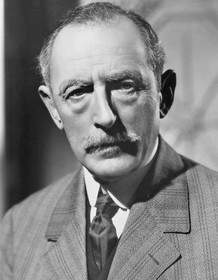
Frank Reicher
Dr. Thomas Bigelow

Barbara Stanwyck
Fiona Gaylord

Geraldine Fitzgerald
Evelyn Gaylord

Grant Mitchell
Gilbert Wheeler
Donald Woods
Penn Sutherland Gaylord
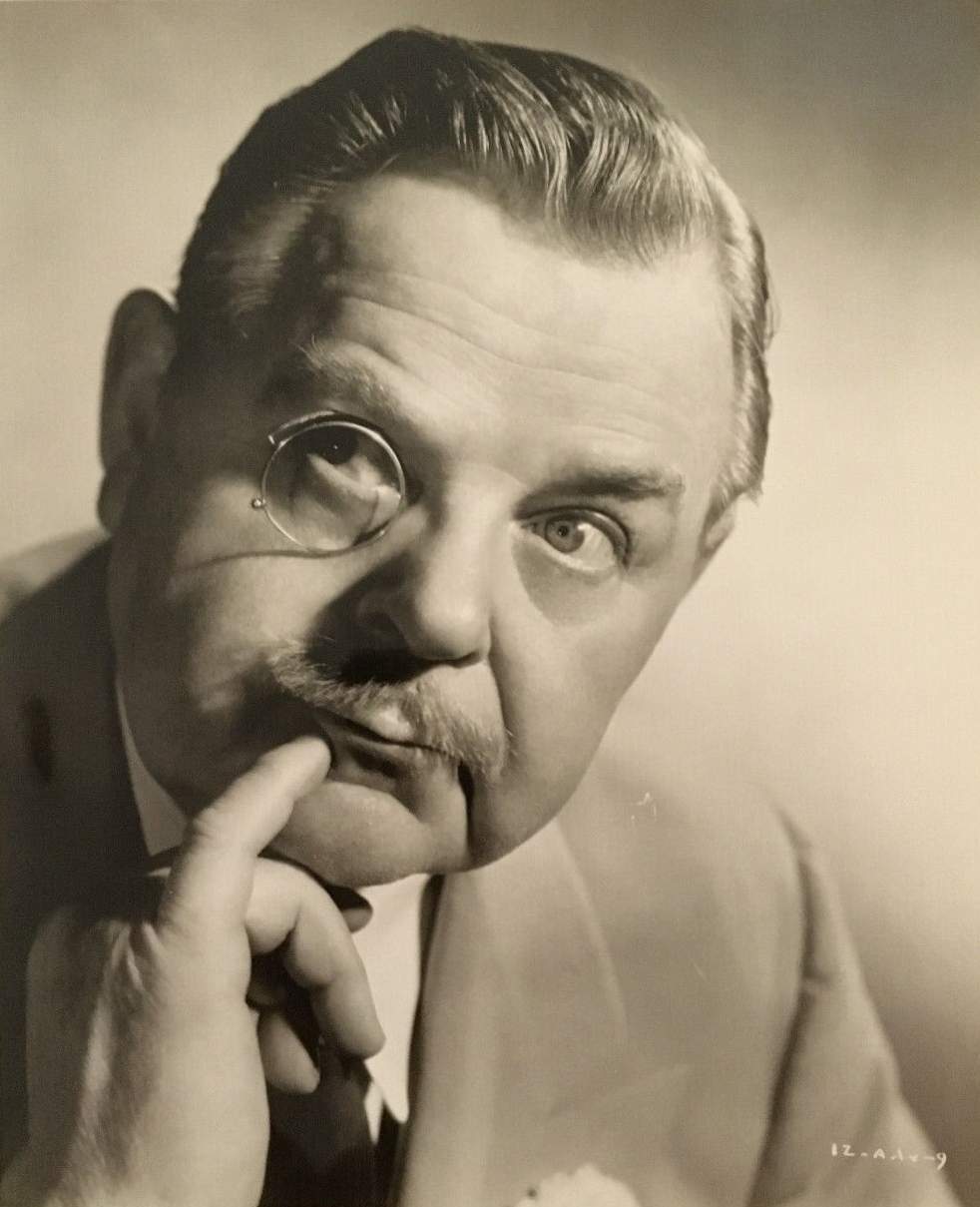
Gene Lockhart
Mr. Herschell Gibbon
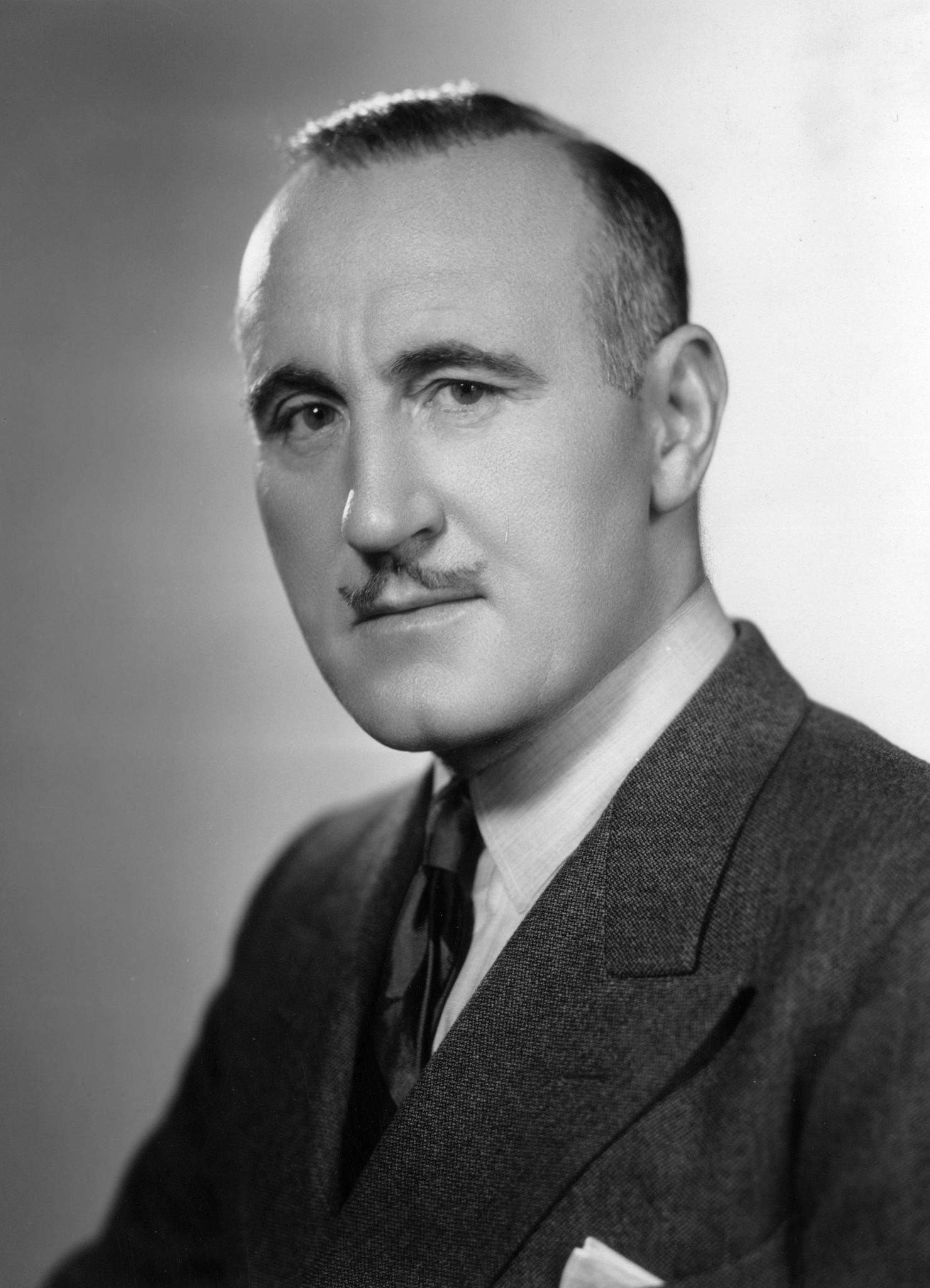
Donald Crisp
Ralph Pedloch
Murray Alper
Elevator Operator (uncredited)
Charles Waldron
Mr. Van Rennseler
Anne Revere
Miss Ida Orner
Hobart Bosworth
Clergyman at Wedding (uncredited)
George Lessey
Judge Barrows
Larry Simms
Austin
Nancy Coleman
Susie Gaylord
David Clyde
Benson
William T. Orr
Dick Tone
Helene Thimig
Saskia
Mary Thomas
Fiona Gaylord as a Girl of 8
External Links and Streaming Options
Discover where to watch The Gay Sisters online, including streaming platforms, rental options, and official sources. Compare reviews, ratings, and in-depth movie information across sites like IMDb, TMDb, Wikipedia or Letterboxd.





Take the Ultimate The Gay Sisters Movie Quiz
Challenge your knowledge of The Gay Sisters with this fun and interactive movie quiz. Test yourself on key plot points, iconic characters, hidden details, and memorable moments to see how well you really know the film.
The Gay Sisters (1942) Quiz: Test your knowledge of the characters, plot twists, and key details from the 1942 drama *The Gay Sisters*.
What are the first names of the three Gaylord sisters?
Full Plot Summary and Ending Explained for The Gay Sisters
Read the complete plot summary of The Gay Sisters, including all major events, twists, and the full ending explained in detail. Explore key characters, themes, hidden meanings, and everything you need to understand the story from beginning to end.
Sisters Fiona [Barbara Stanwyck] Gaylord, Evelyn [Geraldine Fitzgerald] Gaylord, and Susie [Nancy Coleman] Gaylord are left to pick up the pieces after a double tragedy that binds their lives to land, law, and an ever-shifting fortune. Their mother perishes when the Lusitania sinks, and their father, Major Penn Gaylord [Donald Woods], is later killed in France during World War I. Before he departs, Penn makes a tidy, almost sacred promise to Fiona—the eldest—that the Gaylords never sell the land they acquire. That line of possession threads through every decision the sisters make, coloring their dreams with the weight of family legacy. The money they expect from the estate runs into the hundreds of millions, yet the probate process stretches on and on, dragging the family through decades of legal wrangling right up to 1941. In the meantime, a New York City mansion on Fifth Avenue anchors their world, even as they are forced to borrow to live and maintain appearances. A French charity later floats a claim that Penn executed a later will leaving 10% of the estate to it, a scenario the Gaylords are willing to acknowledge only to a point—they refuse to concede the entire fortune, and their real nemesis becomes the shrewd real estate magnate Charles Barclay [George Brent], who has his sights set on the mansion’s prime land and the looming project of Barclay Square. Fiona remains resolute, convinced that surrender is not a virtue for a woman who has learned to stand her ground.
The personal lives of the sisters complicate the legal battle in vivid, human terms. Evelyn has married an English nobleman who is now serving in the RAF, a situation that leaves her both proud and anxious as the war unfolds. Susie, meanwhile, is in a fragile and tangled romance with the painter Gig Young [Gig Young], a relationship that becomes more fraught when Susie’s own marriage collapses under pressure and her husband demands a large sum for an annulment she cannot pay. Evelyn’s homecoming only amplifies the tension as she grows unexpectedly drawn to Gig and begins to contemplate stealing him away from Susie—an emotional triangle that intensifies the broader fight over the Gaylord inheritance and the future of Barclay’s ambitions for the property. The house itself becomes a stage on which loyalties are tested and love is tangled with money, land, and power.
In a pivotal shift, 1941 brings a procedural upheaval to Fiona’s long-running strategy. She dismisses the longtime Gaylord lawyer Hershell Gibbon [Gene Lockhart], who seems too sympathetic to Charles’s position, and replaces him with the steady, calculating Ralph Pedloch [Donald Crisp]. The courtroom drama that follows exposes a buried past: Fiona and Charles’s history is not simply a matter of old flame versus new fortune, but a carefully constructed, morally complicated chapter that reshapes everyone’s future. Six years earlier, Fiona’s aunt leaves her a sizable bequest—$100,000—that is to be paid out once Fiona marries. A road to power opens when Fiona encounters Charles, a road foreman turned road construction worker, and she engineers a proposal from him within days. On their wedding night, Fiona feigns fainting, a ploy that sends Charles away to fetch medicine, leaving her behind with a note, cash, and her wedding ring. She departs and is ostensibly gone, but in a twist of fate, Charles returns and insists on consummating the union. Fiona’s carefully woven ruse results in a child, Austin [Larry Simms], whom she has kept and raised in the shadows.
The child’s presence becomes a central secret—a secret that Fiona initially believes Charles knows nothing about, but that the truth eventually reveals in court. Fiona brings the six-year-old Austin into her world, and though she grows fond of the boy, the revelation that he is Charles’s son forever alters the landscape of the family’s battles and loyalties. The narrative threads of vengeance, motherhood, and procedural cunning culminate in a moment when the personal history finally cannot be ignored by the public gaze. The struggle over the estate intersects with a courtroom that is forced to confront the consequences of a marriage founded on manipulation and the unanticipated bonds formed in the years that followed.
As the legal wrangle intensifies, the private lives of Fiona and Charles collide with the needs and desires of their younger family members. Susie’s heartbreak and vulnerability become entwined with Gig’s own choices, and Evelyn’s return from abroad adds another layer of tension to the ongoing fight over Barclay Square and the Gaylord mansion. The film’s emotional core rests on the toll that stubborn pride and unspoken truths take on a family that has already endured so much tragedy. In the end, Fiona makes a painful but decisive move: she relinquishes the mansion and grants Charles sole custody of Austin, signaling a hard-won evolution in her relationship with the man she never fully stopped loving. The romantic fates of the younger generations shift in tandem with the legal outcomes: Gig chooses Susie, seeking to repair the life she has with him, while Charles admits that he still loves Fiona. The moment of reconciliation arrives through a kiss that seals a complicated and deeply human conclusion to a saga about inheritance, memory, and the cost of standing firm in the face of loss.
The performance of the central trio and their lovers is rendered with a steady, restrained sincerity that lets the plot breathe without becoming melodramatic. Fiona’s steadfastness, Evelyn’s restrained passion, and Susie’s thwarted desires are drawn with a clear, compassionate eye, and their journeys are grounded in the tangible realities of wealth, property, and the familial obligations that come with them. The film treats its characters with nuance, never reducing them to mere stock types, and it uses the probate battlefield as a lens to examine the ways in which love, loyalty, and the pursuit of a safe legacy can collide in surprising, revealing, and occasionally bittersweet ways. In its final beat, the movie leaves audiences with a sense of uneasy resolution and a reminder that the choices people make in pursuit of protection—whether of land, loved ones, or self-respect—can rewrite a family’s story in ways that endure long after the courtroom clears.

Coming soon on iOS and Android
The Plot Explained Mobile App
From blockbusters to hidden gems — dive into movie stories anytime, anywhere. Save your favorites, discover plots faster, and never miss a twist again.
Sign up to be the first to know when we launch. Your email stays private — always.
Explore the mobile appWatch Trailers, Clips & Behind-the-Scenes for The Gay Sisters
Watch official trailers, exclusive clips, cast interviews, and behind-the-scenes footage from The Gay Sisters. Dive deeper into the making of the film, its standout moments, and key production insights.
Cars Featured in The Gay Sisters
Explore all cars featured in The Gay Sisters, including their makes, models, scenes they appear in, and their significance to the plot. A must-read for car enthusiasts and movie buffs alike.
The Gay Sisters Themes and Keywords
Discover the central themes, ideas, and keywords that define the movie’s story, tone, and message. Analyze the film’s deeper meanings, genre influences, and recurring concepts.

Unlock the World of Movies with Our Comprehensive Wiki
Dive into our Movie Wiki for in-depth film encyclopedia entries, including cast biographies, production trivia, plot synopses, behind-the-scenes facts, and thematic analyses. Whether you’re researching iconic directors, exploring genre histories, or discovering hidden easter eggs, our expertly curated movie database has everything you need to fuel your cinematic passion.

Similar Movies To The Gay Sisters You Should Know About
Browse a curated list of movies similar in genre, tone, characters, or story structure. Discover new titles like the one you're watching, perfect for fans of related plots, vibes, or cinematic styles.



Quick Links: Summary, Cast, Ratings, More

What's After the Movie?
Not sure whether to stay after the credits? Find out!
Check out our other apps:

SAT Sphere
Build confidence for the Digital SAT.

Mori Atlas
Discover wild places worth protecting.

Luntero
Search smarter for a home in Amsterdam.

Plot Explained
Unravel movie endings and hidden clues.

Pokechamp
Dive into Pokémon data and battle logic.

Driving Theory
Get ready for your European theory test.

Movie Dust
Plan your next cinema trip with ease.

Musemap
Find art and culture as you travel.

Selkobase
Compare credentials before committing.

Local Manual
Turn an unfamiliar country into practical next steps.

Lernavi
Compare school systems before your next move.

GymRoam
Find a workout stop wherever your plans take you.
Explore Our Movie Platform
New Movie Releases (2026)
Famous Movie Actors
Top Film Production Studios
Movie Plot Summaries & Endings
Major Movie Awards & Winners
Best Concert Films & Music Documentaries
Movie Collections and Curated Lists
© 2026 What's After the Movie. All rights reserved.
Privacy Policy