They Were Sisters 1945


A dramatic, captivating portrait of three sisters whose lives hinge on marriage. The eldest enjoys a content, childless union; the middle sister flees a loveless, oppressive marriage and pursues fleeting affairs; the youngest endures psychological torment under a domineering husband, revealing the complexities of love and duty.


Does They Were Sisters have end credit scenes?
No!
They Were Sisters does not have end credit scenes. You can leave when the credits roll.
Meet the Full Cast and Actors of They Were Sisters
Explore the complete cast of They Were Sisters, including both lead and supporting actors. Learn who plays each character, discover their past roles and achievements, and find out what makes this ensemble cast stand out in the world of film and television.

James Mason
Geoffrey Lee

Pamela Mason
Margaret Lee

Edie Martin
Cook
Thorley Walters
Channing
Brian Nissen
John
Phyllis Calvert
Lucy Moore
David Horne
Mr. Field
Barry Livesey
Brian Sargeant
Brefni O'Rorke
Coroner
Dora Sevening
Janet
Joss Ambler
Blakemore
Roland Pertwee
Sir Hamish Nair
Amy Veness
Mrs Pursley
Dulcie Gray
Charlotte Lee
Anne Crawford
Vera Sargeant
Helen Goss
Webster
John Dodsworth
Cyril
Ann Stephens
Judith
Roy Russell
Lethbridge
Hugh Sinclair
Terry Crawford
Peter Murray-Hill
William Moore
Helen Stephens
Sarah
John Gilpin
Stephen
External Links and Streaming Options
Discover where to watch They Were Sisters online, including streaming platforms, rental options, and official sources. Compare reviews, ratings, and in-depth movie information across sites like IMDb, TMDb, Wikipedia or Letterboxd.




Full Plot Summary and Ending Explained for They Were Sisters
Read the complete plot summary of They Were Sisters, including all major events, twists, and the full ending explained in detail. Explore key characters, themes, hidden meanings, and everything you need to understand the story from beginning to end.
Set in the aftermath of World War I, the film centers on three sisters: Lucy [Phyllis Calvert], Vera [Anne Crawford], and Charlotte [Dulcie Gray]. The narrative opens with a lively dance in 1919, a social moment that reveals each sister’s temperament and sets the tone for the lives they will lead. Over the years, the film follows their separate routes through courtship and marriage while keeping their bond intact. Though they share a close-knit kinship, their personal choices push them in very different directions.
Lucy [Phyllis Calvert] is portrayed as the most stable, sensible, and practical of the trio, the one who anchors the family with a solid, affectionate home life. She enjoys a happy marriage and a visible sense of fulfillment, yet her heart bears a quiet sorrow: she cannot have children. She channels that ache into tenderness for her nephews and nieces, becoming the quiet center of the narrative. Her house becomes a sanctuary where love is practical, unpretentious, and steady, even as others chase riskier paths.
Vera [Anne Crawford], by contrast, embodies restlessness. She is married and has a child, but the relationship feels empty and unloving. The spark of adventure calls to her, and she indulges in flirtations and diversions that offer a fleeting thrill but threaten the stability of her life. The film uses Vera to explore the push-pull between desire and duty, showing how easily a craving for excitement can unsettle a seemingly secure arrangement and ripple through the wider family.
Charlotte [Dulcie Gray], meanwhile, is a cowed drudge, trapped in an emotional maelstrom created by a manipulative, brutal husband Geoffrey [James Mason], who belittles and publicly humiliates her. The barbs he throws are not limited to their private life; they seep into their three children, shaping the atmosphere of the family home. The script hints at a darker tension—the suggestion that there may be an unhealthy relationship with their elder daughter—adding a layer of ominous dread to the otherwise domestic setting.
As the story shifts among the three households, the camera lingers on Lucy and Vera as they watch Charlotte’s plight unfold, attempting to intervene even as their efforts falter. Charlotte’s world begins to tilt toward despair, and she turns to alcohol as a blunt, blurring shield against pain. The moment of danger comes when Charlotte finally tries to flee Geoffrey, and the consequences turn tragic, underscoring the fragility of escape when structural and emotional forces hold firm.
Meanwhile, Vera’s marriage fractures when her husband discovers her extramarital relationship, prompting a legal and emotional crisis that ends in divorce. The social stakes of the era—conformity, reputation, and the cost of stepping outside accepted norms—are woven into Vera’s downfall as much as her personal heartbreak. Through these parallel collapses, the film examines how different forms of infidelity and disillusionment reverberate through a family, testing loyalties and resilience.
In the final act, the film returns to Lucy, the childless sister who must bear a different kind of witness: she becomes the caretaker of Charlotte’s and Vera’s children. The closing images emphasize endurance and the quiet strength of a woman who, despite not having her own offspring, shoulders the responsibility of family. The trio’s fates—one rooted in stability, one in restless pursuit, one in sorrow—converge in an ending that asks what it means to love, protect, and persevere when help is imperfect and circumstances are unyielding.

Coming soon on iOS and Android
The Plot Explained Mobile App
From blockbusters to hidden gems — dive into movie stories anytime, anywhere. Save your favorites, discover plots faster, and never miss a twist again.
Sign up to be the first to know when we launch. Your email stays private — always.
Explore the mobile appDiscover Film Music Concerts Near You – Live Orchestras Performing Iconic Movie Soundtracks
Immerse yourself in the magic of cinema with live orchestral performances of your favorite film scores. From sweeping Hollywood blockbusters and animated classics to epic fantasy soundtracks, our curated listings connect you to upcoming film music events worldwide.
Explore concert film screenings paired with full orchestra concerts, read detailed event information, and secure your tickets for unforgettable evenings celebrating legendary composers like John Williams, Hans Zimmer, and more.


They Were Sisters Themes and Keywords
Discover the central themes, ideas, and keywords that define the movie’s story, tone, and message. Analyze the film’s deeper meanings, genre influences, and recurring concepts.
They Were Sisters Other Names and Titles
Explore the various alternative titles, translations, and other names used for They Were Sisters across different regions and languages. Understand how the film is marketed and recognized worldwide.
Similar Movies To They Were Sisters You Should Know About
Browse a curated list of movies similar in genre, tone, characters, or story structure. Discover new titles like the one you're watching, perfect for fans of related plots, vibes, or cinematic styles.


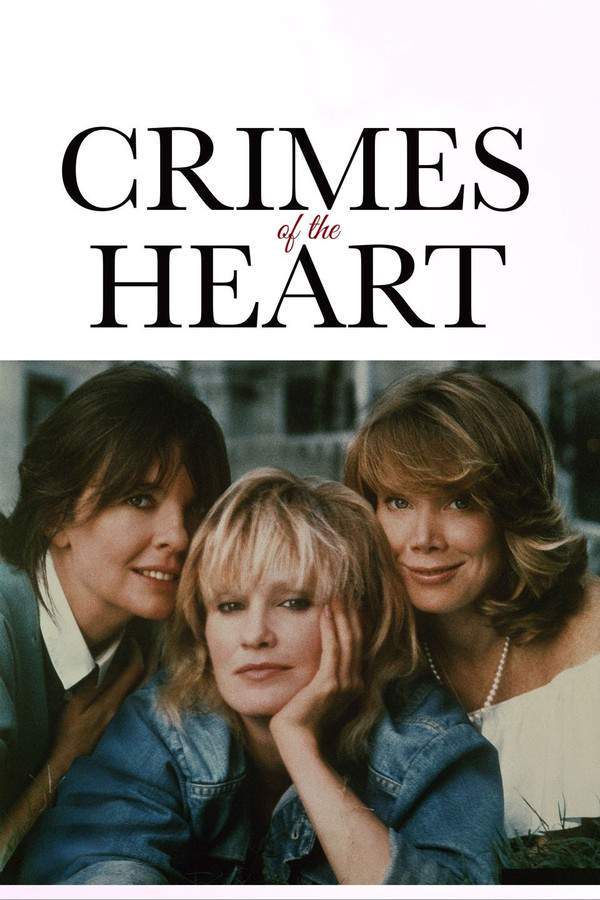
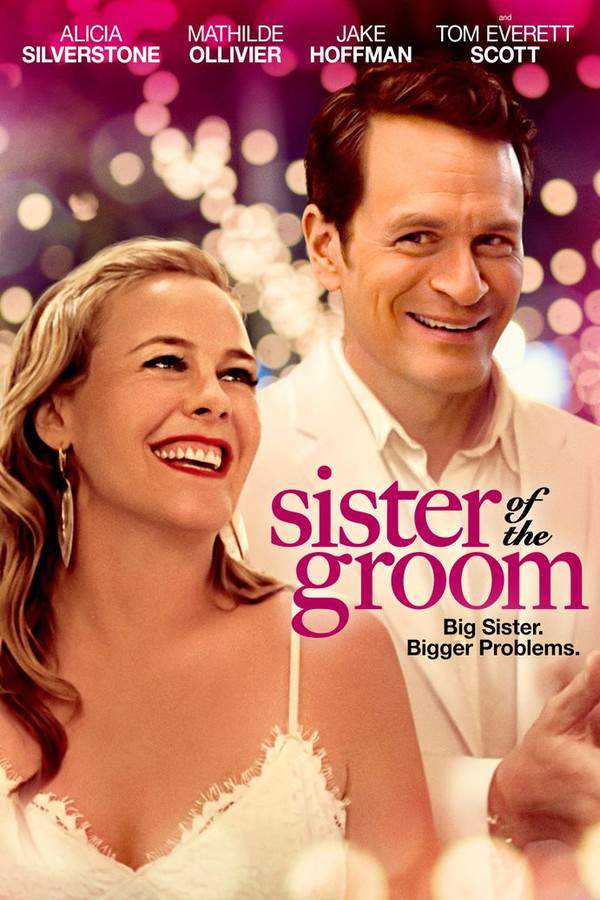


Quick Links: Summary, Cast, Ratings, More

What's After the Movie?
Not sure whether to stay after the credits? Find out!
Check out our other apps:

SAT Sphere
Build confidence for the Digital SAT.

Mori Atlas
Discover wild places worth protecting.

Luntero
Search smarter for a home in Amsterdam.

Plot Explained
Unravel movie endings and hidden clues.

Pokechamp
Dive into Pokémon data and battle logic.

Driving Theory
Get ready for your European theory test.

Movie Dust
Plan your next cinema trip with ease.

Musemap
Find art and culture as you travel.

Selkobase
Compare credentials before committing.

Local Manual
Turn an unfamiliar country into practical next steps.

Lernavi
Compare school systems before your next move.

GymRoam
Find a workout stop wherever your plans take you.
Explore Our Movie Platform
New Movie Releases (2026)
Famous Movie Actors
Top Film Production Studios
Movie Plot Summaries & Endings
Major Movie Awards & Winners
Best Concert Films & Music Documentaries
Movie Collections and Curated Lists
© 2026 What's After the Movie. All rights reserved.
Privacy Policy