The Dumbfounded King 1991


Set in 17th‑century Spain during the reign of Philip IV, the film adapts Gonzalo Torrente Ballester’s novel. The monarch is astonished by Marfisa, the town’s most beautiful prostitute, and becomes obsessed with seeing her nude. His fixation soon extends to the queen, and despite Church scandal and court opposition, he relentlessly pursues his illicit desires.


Does The Dumbfounded King have end credit scenes?
No!
The Dumbfounded King does not have end credit scenes. You can leave when the credits roll.
Meet the Full Cast and Actors of The Dumbfounded King
Explore the complete cast of The Dumbfounded King, including both lead and supporting actors. Learn who plays each character, discover their past roles and achievements, and find out what makes this ensemble cast stand out in the world of film and television.
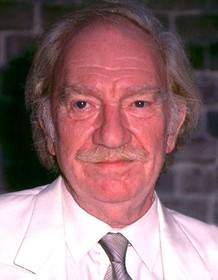
Fernando Fernán Gómez
Gran Inquisidor

Ramón Barea
Cura

Eusebio Poncela
Conde La Peña Andrade

Juan Diego
Villaescusa
María Barranco
Lucrecia
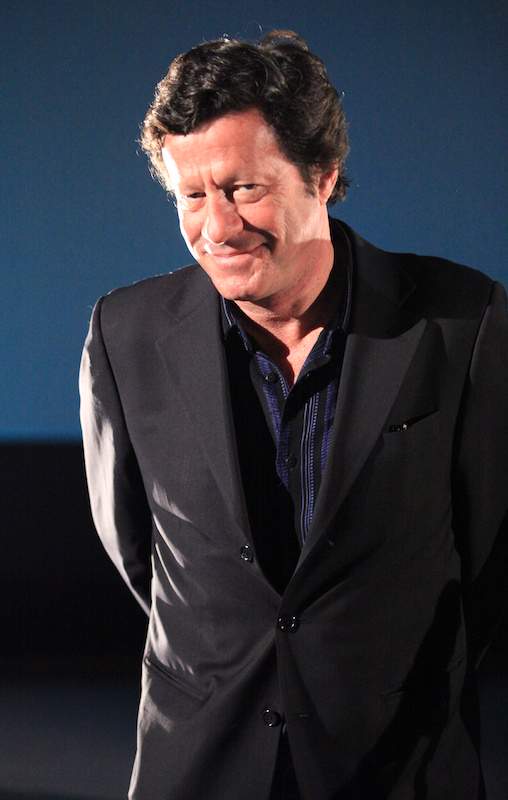
Joaquim de Almeida
Almeida
Pepe Soriano
Rivadesella
Álex Angulo
Hombre 1
Carme Elias
Abadesa
Jorge Bosso
Caballero
Alejandra Grepi
Doña Bárbara
Eulalia Ramón
Paca Távora
Gabino Diego
Rey
Javier Gurruchaga
Valido
Enrique San Francisco
Mendigo
Mario Martín
Archivero Mayor
Paco Catalá
Criado Conde
Anne Roussel
Reina
Cris Huerta
Capuchino
Alfonso Guirao
Agustino
Laura del Sol
Marfisa
José Antonio Correa
Cosme
Juan María Segues
Hombre 3
Emma Cohen
Duquesa Vda. del Maestrazgo
Luis Barbero
Ferrán de Valdivieso
Christine Dejoux
Colette
Marina Andina
Damas Reina
José María Tasso
Diego
Santiago Burutxaga
Hombre 2
Cristina Soldevilla
Hermana Tornera
Jorge Picorelli
Capitán
Fernando de Diego
Correo 1
Rafael Longoria
Correo 2
Sara Bilbatúa
Damas Reina
Alicia Campos
Damas Reina
Concha Cortés
Damas Reina
Ana María Bonilla
Damas Reina
Eva Herrero
Damas Reina
Moreno-Fuentes
Valido
External Links and Streaming Options
Discover where to watch The Dumbfounded King online, including streaming platforms, rental options, and official sources. Compare reviews, ratings, and in-depth movie information across sites like IMDb, TMDb, Wikipedia or Letterboxd.




Take the Ultimate The Dumbfounded King Movie Quiz
Challenge your knowledge of The Dumbfounded King with this fun and interactive movie quiz. Test yourself on key plot points, iconic characters, hidden details, and memorable moments to see how well you really know the film.
The Dumbfounded King (1991) Quiz: Test your knowledge of the characters, plot points, and themes of the 1991 film *The Dumbfounded King*.
Which actor portrays the Rey (the King) in the film?
Full Plot Summary and Ending Explained for The Dumbfounded King
Read the complete plot summary of The Dumbfounded King, including all major events, twists, and the full ending explained in detail. Explore key characters, themes, hidden meanings, and everything you need to understand the story from beginning to end.
Set in a flamboyant, perilous 17th‑century Spanish court, the story centers on a difficult moment that could upend the realm. The Rey, Gabino Diego, returns from a private excursion with the Count of Peña Andrada and is stunned to lay eyes on the naked body of Marfisa, a local prostitute, displayed in a pose that evokes the Rokeby Venus. This shocking sight drives him to demand a private view of his wife, Queen Elisabeth of France, who rules alongside him as a figure of courtly power and private desire. The Queen, Anne Roussel, is pulled into a tension between public duty and personal appetite, and the shockwaves ripple through every corner of the palace.
To navigate the crisis, the Grand Inquisitor, played by the seasoned performer at the heart of the inquisitorial office, convenes a high‑stakes meeting of theologians. Theologically diverse voices collide: the friar Villaescusa, Ramón Barea, argues that the king’s wish is a grave sin with the potential to corrupt the kingdom, while Father Almeida, Joaquim de Almeida, contends that the ruler’s fate hinges more on governance than morality and that the king’s desire is ultimately a private matter. The Queen, though sympathetic to the king, is drawn into the complex machinations of court power, and the two men entangle themselves in a battle over whether desire should dictate public policy or yield to individual discretion.
Despite the spiritual and political tension, pathways open up through collaboration. With the persistent help of the Jesuit and the Count of la Peña Andrade, Eusebio Poncela advances a path where the King is eventually able to meet the Queen alone in the monastery of San Plácido, achieving his private aim within a secured, ritualized setting. The romance and the risk are tempered by the underlying currents of courtly politics, as the monastery becomes a stage for a carefully staged encounter that tests loyalty, discretion, and the limits of authority.
Meanwhile, a parallel thread follows the Count‑Duke of Olivares, a man anxious about divine judgment over infertility within his own marriage. The valiant adviser Villaescusa, Ramón Barea in a different light, dispenses guidance that the act of lovemaking, rather than celestial punishment, shapes fate. The solution proposed in this moment of crisis is stark and provocative: the Earl and his wife should perform their act in the church’s choir of San Plácido, before the observation of nuns. The plan unfolds amid a web of loyalties and consequences, as letters arrive bearing news of distant victories—the Indian fleet reaching Cadiz and Spanish troops triumphing in Flanders—sending mixed signals about divine favor and political fortune.
As the ships return and the victories are celebrated, Villaescusa declares that the happy ending is a product of the collective sacrifice endured by all. Yet the Count, in a measured, almost curt voice, reminds everyone that the timing matters: the letters arrive at a moment that suggests the fleet reached Cadiz two days earlier, “just the day King went whores.” The weight of that remark lands with a sting, reframing the entire sequence of events as a test of conscience and political prudence.
In the final turn of events, the Count‑Duke dispatches Villaescusa to Rome with a sealed letter, insisting he not be permitted to depart until his attitude has changed. The thread of power, desire, and guilt remains taut, leaving the court to grapple with what is morally permissible, what is politically prudent, and how personal appetites can ripple outward to redefine a nation.

Coming soon on iOS and Android
The Plot Explained Mobile App
From blockbusters to hidden gems — dive into movie stories anytime, anywhere. Save your favorites, discover plots faster, and never miss a twist again.
Sign up to be the first to know when we launch. Your email stays private — always.
Explore the mobile appDiscover Film Music Concerts Near You – Live Orchestras Performing Iconic Movie Soundtracks
Immerse yourself in the magic of cinema with live orchestral performances of your favorite film scores. From sweeping Hollywood blockbusters and animated classics to epic fantasy soundtracks, our curated listings connect you to upcoming film music events worldwide.
Explore concert film screenings paired with full orchestra concerts, read detailed event information, and secure your tickets for unforgettable evenings celebrating legendary composers like John Williams, Hans Zimmer, and more.


The Dumbfounded King Themes and Keywords
Discover the central themes, ideas, and keywords that define the movie’s story, tone, and message. Analyze the film’s deeper meanings, genre influences, and recurring concepts.
The Dumbfounded King Other Names and Titles
Explore the various alternative titles, translations, and other names used for The Dumbfounded King across different regions and languages. Understand how the film is marketed and recognized worldwide.
Similar Movies To The Dumbfounded King You Should Know About
Browse a curated list of movies similar in genre, tone, characters, or story structure. Discover new titles like the one you're watching, perfect for fans of related plots, vibes, or cinematic styles.


-gv2b_HtyqJrUgw.jpg)


Quick Links: Summary, Cast, Ratings, More

What's After the Movie?
Not sure whether to stay after the credits? Find out!
Check out our other apps:

SAT Sphere
Build confidence for the Digital SAT.

Mori Atlas
Discover wild places worth protecting.

Luntero
Search smarter for a home in Amsterdam.

Plot Explained
Unravel movie endings and hidden clues.

Pokechamp
Dive into Pokémon data and battle logic.

Driving Theory
Get ready for your European theory test.

Movie Dust
Plan your next cinema trip with ease.

Musemap
Find art and culture as you travel.

Selkobase
Compare credentials before committing.

Local Manual
Turn an unfamiliar country into practical next steps.

Lernavi
Compare school systems before your next move.

GymRoam
Find a workout stop wherever your plans take you.
Explore Our Movie Platform
New Movie Releases (2026)
Famous Movie Actors
Top Film Production Studios
Movie Plot Summaries & Endings
Major Movie Awards & Winners
Best Concert Films & Music Documentaries
Movie Collections and Curated Lists
© 2026 What's After the Movie. All rights reserved.
Privacy Policy