Shirley 2024


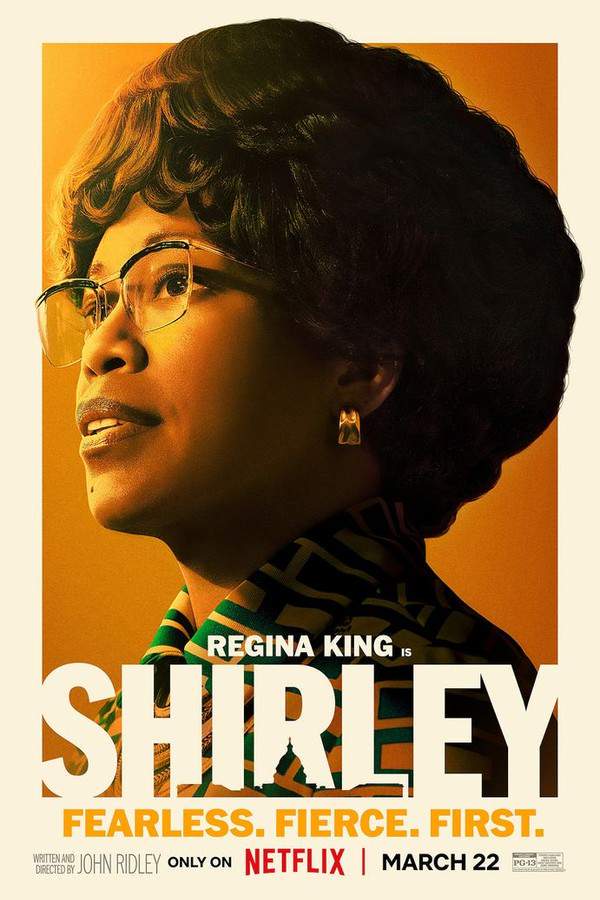
This biographical drama portrays Shirley Chisholm, the first Black congresswoman and a historic candidate for President of the United States in 1972. The film follows her determined campaign, highlighting the challenges she faced as she defied expectations and broke barriers for women and minorities in American politics.


Does Shirley have end credit scenes?
No!
Shirley does not have end credit scenes. You can leave when the credits roll.
Where to Watch Shirley
See current US streaming, rental, and purchase options for Shirley (2024) via JustWatch.


Streaming availability powered by 
Meet the Full Cast and Actors of Shirley
Explore the complete cast of Shirley, including both lead and supporting actors. Learn who plays each character, discover their past roles and achievements, and find out what makes this ensemble cast stand out in the world of film and television.
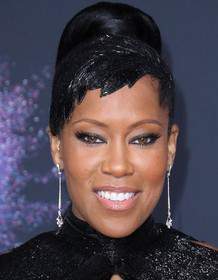
Regina King
Shirley Chisholm
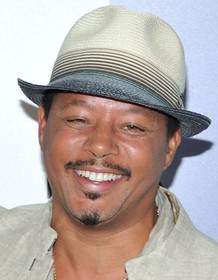
Terrence Howard
Arthur Hardwick Jr.
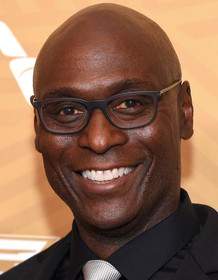
Lance Reddick
Wesley McDonald 'Mac' Holder

Lucas Hedges
Robert Gottlieb
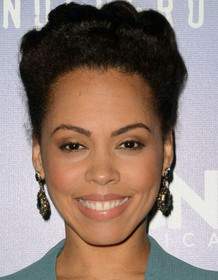
Amirah Vann
Diahann Caroll

W. Earl Brown
George Wallace
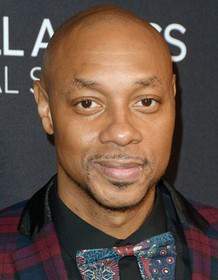
Dorian Missick
Ron Dellums

Christina Jackson
Barbara Lee
Brian Stokes Mitchell
Stanley Townsend
Michael Cherrie
Conrad Chisholm
Cory Hardin
Klosterman
André Holland
Walter Fauntroy
Reina King
Muriel St. Hill
Brad James
Huey Newton
Charlene Willis
Ruby St. HIl
Ken Strunk
Congressman McCormack
Becca Kravitz
Beth
Gregory Mallios
Oly Clark
Micaela Wittman
Maggie
External Links and Streaming Options
Discover where to watch Shirley online, including streaming platforms, rental options, and official sources. Compare reviews, ratings, and in-depth movie information across sites like IMDb, TMDb, Wikipedia or Rotten Tomatoes.









Ratings and Reviews for Shirley
See how Shirley is rated across major platforms like IMDb, Metacritic, and TMDb. Compare audience scores and critic reviews to understand where Shirley stands among top-rated movies in its genre.

The Movie Echo Score
In all respects, Shirley delivers a commendable central performance but falters in its execution of narrative and craft. Reviews highlight strong portrayals and emotional resonance, particularly through Regina King’s magnetic portrayal, while noting uneven pacing, choppy editing, and a reliance on telling rather than showing. The film’s biographical scope is acknowledged as important yet constrained by superficial dialogue and a narrow focus that limits engagement. Ultimately, Shirley stands as a serviceable tribute with notable strengths in character work but significant shortcomings in story cohesion and visual ambition.
The Movie Echo Score Breakdown for Shirley

Art & Craft
In terms of Art & Craft, Shirley demonstrates competent direction but suffers from inconsistent pacing and editing choices. Critics note moments of brisk staging followed by abrupt transitions that undermine scene cohesion. Production design and framing remain adequate yet unremarkable throughout. The technical execution ultimately feels uneven, limiting the film’s visual fluidity.

Character & Emotion
In terms of Character & Emotion, the film is anchored by Regina King’s magnetic performance. Reviews emphasize her nuanced portrayal of Chisholm’s determination and emotional depth, creating authentic resonance in key speeches and interpersonal scenes. Some secondary roles receive less development due to streamlined dialogue, but the central portrayal drives the film’s emotional core with conviction.

Story & Flow
In terms of Story & Flow, Shirley attempts to cover an expansive biographical scope but often feels disjointed. Critics cite abrupt narrative jumps, choppy structure, and an overreliance on exposition that hinders engagement. The pacing is uneven, with early segments rushing through key moments and later scenes gaining coherence only sporadically. The overall narrative remains serviceable but fragmented.

Sensory Experience
In terms of Sensory Experience, the film maintains a restrained audiovisual style that occasionally feels muted. Reviews note minimal use of period-appropriate sound elements and a subdued soundtrack that underplays dramatic moments. Visual compositions are straightforward but lack stylistic distinction or atmospheric depth. The overall sensory presentation remains functional yet understated.

Rewatch Factor
In terms of Rewatch Factor, Shirley’s compelling lead performance offers moments of lasting appeal but diminished structural clarity limits repeat viewing. The film’s historical importance and emotional highlights retain interest, yet narrative unevenness and subdued sensory elements reduce the incentive for subsequent viewings. Overall, the biopic provides moderate replay value anchored by strong character work.

57
Metascore
5.3
User Score


75%
TOMATOMETER

68%
User Score

/10
IMDb Rating

66
%
User Score

/5
Take the Ultimate Shirley Movie Quiz
Challenge your knowledge of Shirley with this fun and interactive movie quiz. Test yourself on key plot points, iconic characters, hidden details, and memorable moments to see how well you really know the film.
Shirley (2024) Quiz: Test your knowledge of the 2024 film *Shirley*, which chronicles Shirley Chisholm's historic 1972 presidential campaign.
Who became the first Black woman elected to the United States Congress?
Full Plot Summary and Ending Explained for Shirley
Read the complete plot summary of Shirley, including all major events, twists, and the full ending explained in detail. Explore key characters, themes, hidden meanings, and everything you need to understand the story from beginning to end.
Shirley Chisholm, Shirley Chisholm, enters Congress as the first Black woman representing Brooklyn and immediately finds herself in a challenging, confrontational environment. A colleague repeatedly belittles her by pointing out that everyone earns the same high salary, and she is told that as a new congressperson she’s automatically assigned to an agricultural committee—despite representing an urban borough. It becomes clear that many expect her to “tow the line,” a pressure she refuses to accept.
At Christmas 1971, after learning voters raised double what she had requested to put herself on the ballot, she makes a bold decision: she will run for president in 1972, becoming the first Black candidate to seek a major-party nomination and the first woman to pursue the Democratic Party’s nomination. Present are her husband Conrad Chisholm, Mac Holder as security, and Arthur Hardwick Jr. as campaign advisor and head of finances, respectively, marking the start of a high-stakes, nationwide push.
Shirley then reaches out to the next generation of voters by recruiting Robert Gottlieb, a Cornell student, to serve as national student coordinator since 18-year-olds now have the right to vote. A seasoned hand on the ground, Stanley Townsend is brought on as campaign manager, and the team begins to map out a strategy that must stretch across a vast country with limited time and resources.
As the campaign unfolds, the schedule is grueling. Shirley travels across the nation, but time and money constrain her ability to visit every state. In Florida, she earns only a fractional share of the Democratic vote, which leads to negotiations with Walter Fauntroy. He promises to support her and to pass along delegates, a gesture that complicates her plans when she later withdraws from the D.C. vote to avoid splitting its delegation.
National media presents another hurdle: the major networks NBC, ABC, and CBS exclude her from televised debates. In response, the campaign leans heavily on grassroots organizing and on Robert Gottlieb to pursue legal avenues that might secure her airtime and ensure her platform is heard.
As a profile in The New York Times looms, Shirley turns to her sister Muriel St. Hill for support, hoping she and the family will rally behind her. Yet the family’s concerns surface—some feel she’s been favored by their father, and Muriel suggests they avoid talking to the press and eventually steps back from public support. The distance within the community and the campaign’s fundraising pressures begin to weigh on Shirley.
At a high-profile fundraiser, donations go missing, testing the campaign’s resilience. Stanley Townsend quits in frustration, and Shirley confronts him in the office, making clear she won’t tolerate undermining behavior. She fires him, a decision that shows her willingness to stand firm despite mounting pressure. Arthur offers quiet, steady support during the upheaval, whether she continues or not.
Meanwhile, Shirley explains to Conrad Chisholm that additional funds are needed to push the campaign through California and into the DNC process; he ultimately steps back, handing her the reins in a moment of tense disagreement. The campaign adapts, and Robert’s legal effort against the networks bears fruit, granting her crucial airtime and debate exposure.
A pivotal moment arrives when the campaign secures the endorsement of the Black Panthers, signaling broader support even as California remains unwon in the winner-takes-all format. Momentum grows as Shirley mobilizes Black delegates to influence the Democratic National Committee, only to learn that Walter Fauntroy has withdrawn his endorsement and delegates, complicating the math of her bid. Ron Dellums also retracts his support, framing those not backing McGovern as cynical or out of touch.
Facing these reversals, Shirley decides to officially pass on her remaining delegates to McGovern, explaining that her goal was to be a catalyst for change rather than to secure a single nomination. Her time in Congress continues for several terms, and her career leaves a lasting imprint on American politics, inspiring countless others to pursue public service and to challenge the status quo.
Ultimately, the arc underscores a relentless commitment to representation, equity, and social progress, highlighting how one fearless run helped open doors for future generations and broaden the conversation around who can lead the nation.

Coming soon on iOS and Android
The Plot Explained Mobile App
From blockbusters to hidden gems — dive into movie stories anytime, anywhere. Save your favorites, discover plots faster, and never miss a twist again.
Sign up to be the first to know when we launch. Your email stays private — always.
Explore the mobile appWatch Trailers, Clips & Behind-the-Scenes for Shirley
Watch official trailers, exclusive clips, cast interviews, and behind-the-scenes footage from Shirley. Dive deeper into the making of the film, its standout moments, and key production insights.
Shirley Themes and Keywords
Discover the central themes, ideas, and keywords that define the movie’s story, tone, and message. Analyze the film’s deeper meanings, genre influences, and recurring concepts.
Shirley Other Names and Titles
Explore the various alternative titles, translations, and other names used for Shirley across different regions and languages. Understand how the film is marketed and recognized worldwide.
Similar Movies To Shirley You Should Know About
Browse a curated list of movies similar in genre, tone, characters, or story structure. Discover new titles like the one you're watching, perfect for fans of related plots, vibes, or cinematic styles.









Quick Links: Summary, Cast, Ratings, More

What's After the Movie?
Not sure whether to stay after the credits? Find out!
Check out our other apps:

SAT Sphere
Build confidence for the Digital SAT.

Mori Atlas
Discover wild places worth protecting.

Luntero
Search smarter for a home in Amsterdam.

Plot Explained
Unravel movie endings and hidden clues.

Pokechamp
Dive into Pokémon data and battle logic.

Driving Theory
Get ready for your European theory test.

Movie Dust
Plan your next cinema trip with ease.

Musemap
Find art and culture as you travel.

Selkobase
Compare credentials before committing.

Local Manual
Turn an unfamiliar country into practical next steps.

Lernavi
Compare school systems before your next move.

GymRoam
Find a workout stop wherever your plans take you.
Explore Our Movie Platform
New Movie Releases (2026)
Famous Movie Actors
Top Film Production Studios
Movie Plot Summaries & Endings
Major Movie Awards & Winners
Best Concert Films & Music Documentaries
Movie Collections and Curated Lists
© 2026 What's After the Movie. All rights reserved.
Privacy Policy