
Radical (2023): Cast, Ratings, Box Office & Where to Watch
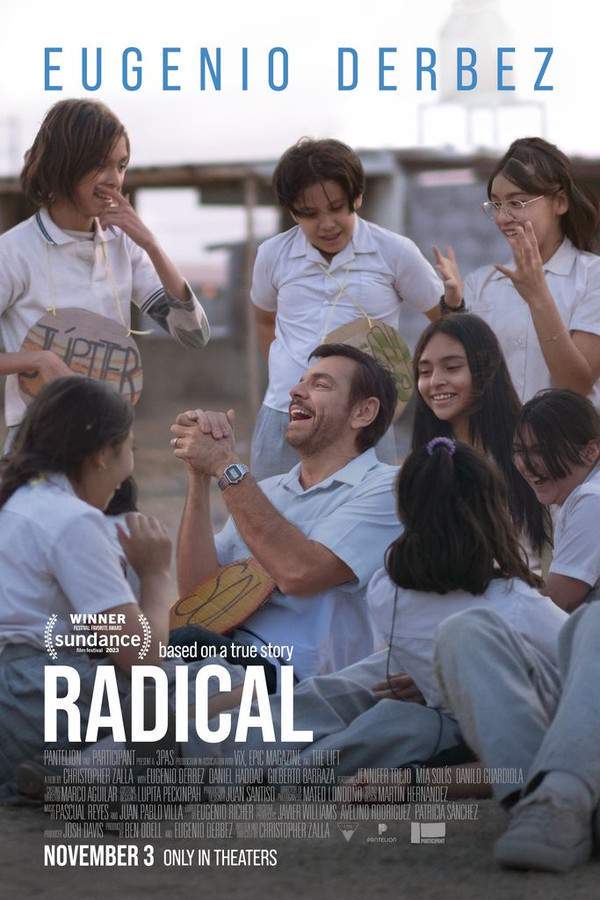
Radical is a 2023 drama directed by Christopher Zalla, starring Eugenio Derbez as Sergio, Daniel Haddad and Enoc Leaño. It runs 2 hours 5 minutes and earned $21.8 million worldwide on a $10 million budget. Critics gave it 96% on Rotten Tomatoes and 70 on Metacritic, and IMDb users rate it 7.8/10. Stream it on Amazon Prime Video and VIX, or rent or buy it on Amazon Video.
- Released
- Runtime
- 2h 5m (125 min)
- Director
- Christopher Zalla
- Genre
- Drama
- Original language
-
 Spanish
 - Studio
- 3Pas Studios
- Budget
- $10M
- After the credits
- No No extra scene
What Is Radical About?
The premise of Radical without spoilers. The whole story and the ending explained are in the plot summary further down.
In a struggling Mexican border town, a dedicated teacher employs unique and often unorthodox methods to connect with his students and inspire them. Faced with apathy and challenging circumstances, he seeks to ignite a passion for learning and unlock their potential. His innovative approach leads to a transformative journey of self-discovery for both the students and the teacher, based on a true story.
Radical Themes & Keywords
· 50 tags- 12 year old boy
- prologue
- dog
- 12 year old
- teacher
- teacher student relationship
- class
- classroom
- school uniform
- philosophy
- aspiring areospace engineer
- father daughter relationship
+38 more Show fewer
- mother daughter relationship
- backpack
- motorcycle
- telescope
- education
- reference to john stuart mill
- magazine cover
- junkyard
- junkman
- balloon
- boy
- girl
- hand mirror
- sixth grade
- gunfire
- gun
- murder
- donkey
- donkey and cart
- pregnancy
- bathtub
- beach
- boat
- flotation
- science
- library
- computer
- based on real people
- photographs during end credits
- poverty
- money
- baby
- matamoros mexico
- mexico
- co written by director
- overhead camera shot
- based on true story
- 12 year old girl
Where to Watch Radical
Stream it on Amazon Prime Video and VIX, or rent or buy it from Amazon Video. US availability and prices from JustWatch.
 Amazon Prime Video
  Amazon Prime Video with Ads
  VIX
VIX Rent or buy 1

Streaming availability in the US, powered by 
Radical Cast & Characters
Eugenio Derbez leads the cast as Sergio, with Daniel Haddad as Chucho and Enoc Leaño as Administrador. Directed by Christopher Zalla; 20 actors are credited in all.
- Director Christopher Zalla
-
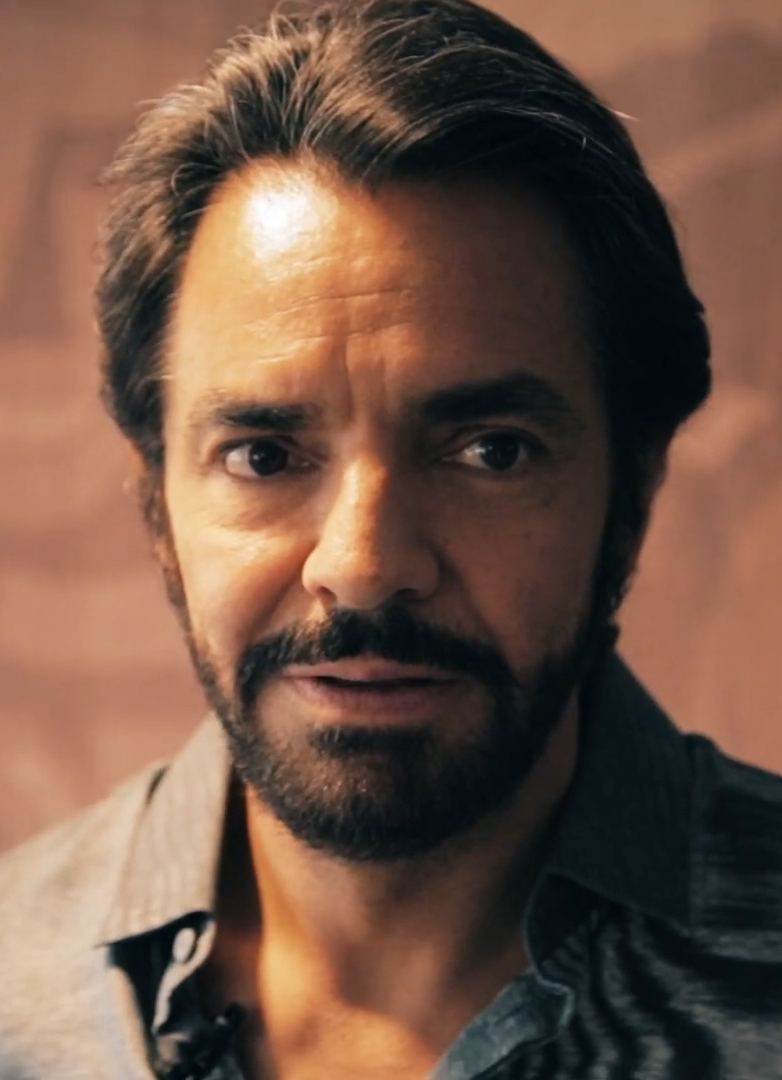 Eugenio Derbez as Sergio
 -
 Daniel Haddad as Chucho
 -
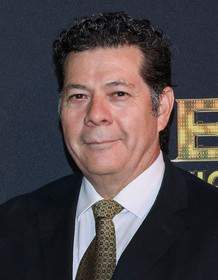 Enoc Leaño as Administrador
 - Danilo Guardiola as Nico
Also Starring in Radical
· 16 more- Gilberto Barraza Papa Paloma
- Jennifer Trejo Paloma
- Christian González Jaime
- Manuel Márquez Enrique
- Xochiquetzal Martínez Maria
- Manuel Cruz Vivas Nacho
- Erwin Veytia Sr. Garcia
- Mia Fernanda Solis Lupe
- Victor Estrada Chepe
- Edmundo Moñoz Beto
- Allison Pérez Bernal Amiga Maria 1
- Andrea Nicole Amiga Maria 2
- Kaarlo Isaac Niño Playera México
- Franco Ortega Hermano de Lupe
- Vania Aleysa Parra Hermana de Lupe
- Claudia de Bernal Laura
Radical Reviews & Ratings
Critics gave Radical 96% on Rotten Tomatoes and 70 on Metacritic, and IMDb users rate it 7.8/10. Our Echo Score gives it 68/100, strongest in character & emotion (80) and weakest in rewatch factor (55).
Radical Echo Score Breakdown
Radical delivers an engaging emotional core driven by committed performances, even as its narrative adheres closely to familiar inspirational-teacher formulas. Critics praised Eugenio Derbez’s nuanced portrayal and the young cast’s natural chemistry, noting moments of genuine warmth and resonance. However, the film’s reliance on predictable arcs and occasional structural unevenness tempers its impact. Overall, Radical offers a heartfelt experience anchored by strong acting but remains within the bounds of its genre conventions.
Our own 0–100 rating, built from five aspects: art, character, story, the sensory experience and how well a film rewatches.
- Art & Craft 70
In terms of art and craft, Radical benefits from competent direction and a grounded production design that conveys the Mexican border setting authentically. The film’s visual approach is straightforward, with a restrained color palette that supports its realistic tone. Editing maintains clarity but rarely ventures into bold stylistic choices. Overall, the technical execution is solid but does not push beyond conventional storytelling aesthetics.
- Character & Emotion 80
When it comes to character and emotion, Radical is elevated by Eugenio Derbez’s empathetic performance and the young actors’ genuine rapport. The characters display credible growth, and the film invests in moments of heartfelt connection between teacher and students. Emotional beats resonate without feeling overly sentimental, thanks to measured pacing and believable dialogue. Generally, the cast’s strength yields a compelling emotional center.
- Story & Flow 60
Regarding story and flow, Radical unfolds along well-worn inspirational-teacher story beats that limit its originality. The pacing can feel uneven, with a slow first half that accelerates dramatically once core lessons take hold. While the sequence of obstacles and triumphs remains engaging, several plot points emerge from predictable conventions. Overall, the narrative structure delivers satisfaction but lacks substantial surprises.
- Sensory Experience 60
In terms of sensory experience, Radical offers a cohesive soundscape and unobtrusive score that support its emotional moments. The sound design is clear, allowing dialogue and ambient noise of the classroom to register naturally. Visually, the film employs a restrained style that emphasizes realism over spectacle. While the sensory elements effectively serve the story, they do not generate memorable flourishes.
- Rewatch Factor 55
Concerning rewatch factor, Radical’s uplifting themes and strong performances provide some enduring appeal. The film’s formulaic plot and predictable resolution, however, may diminish the incentive for multiple viewings. While viewers may return for the emotional highlights or to revisit standout moments of teaching innovation, the overall familiarity of the story suggests modest lasting intrigue.
-
 IMDb
IMDb 7.8 /10
See on IMDb -
 Rotten Tomatoes
 96% Tomatometer
Popcornmeter 99%
See on Rotten Tomatoes -
 Metacritic
 70 Metascore
User score 6.4
See on Metacritic -
 TMDB
TMDB 83% User score
See on TMDB
Radical Plot Summary & Ending Explained
What happens in Radical from start to finish, spoilers included, with a timeline of 12 key events and the ending explained. The opening is below; the full summary is a 5-minute read.
Spoilers ahead
Sergio Juarèz Correa arrives in 2011 at the Jose Urbina López Elementary in Matamoros, stepping into a school that is badly run and caught in the crossfire of cartel violence. The building is worn, resources are scarce, and many students face an uphill battle to even stay engaged as they contend with the daily reality of crime surrounding them. The atmosphere is tense, and the pulse of hope is faint, but the new teacher carries a conviction that there can be more to education than survival.
Full summary
The whole story of Radical, scene by scene, with the ending explained
Radical Box Office & Budget
Radical grossed $21.8 million worldwide on a $10 million budget, 2.2 times what it cost. $8.7 million came from the US and Canada and $13.1 million (60%) from the rest of the world.
Worldwide gross
$21.8M
2.2× its budget
- US & Canada
- $8.7M
- International
- $13.1M
- Budget
- $10M
Radical Trailers & Videos
3 videos: 1 trailer and 2 featurettes.
- Featurette Eugenio Derbez & Christopher Zalla | RADICAL - Q&A | Film Independent Presents
- Featurette RADICAL Seminar with Christopher Zalla & Eugenio Richer
How Well Do You Know Radical?
9 questions about the story, each with a hint if you get stuck. Pick an answer to see whether you were right.
Question 1 of 9
- Question 1: not answered
- Question 2: not answered
- Question 3: not answered
- Question 4: not answered
- Question 5: not answered
- Question 6: not answered
- Question 7: not answered
- Question 8: not answered
- Question 9: not answered
What is the name of the new teacher who arrives at Jose Urbina Lopez Elementary?
Radical Also Known As
16 alternative titles, including “激进教学” and “Radical: Eine Klasse für sich”.
- Also known as
-
- 激进教学
- Radical: Eine Klasse für sich
- Průkopník
- Радикал
- רדיקלי
- Радикальный
- 래디컬
- 癲狂世代
- Radikální metoda
- Radical - Eine Klasse für sich
- Radikális
- Radykalna metoda
+4 more Show fewer
- رادیکال
- Radikal
- ครูชายแดน
- 型破りな教室
Seen Radical?
Movies Like Radical
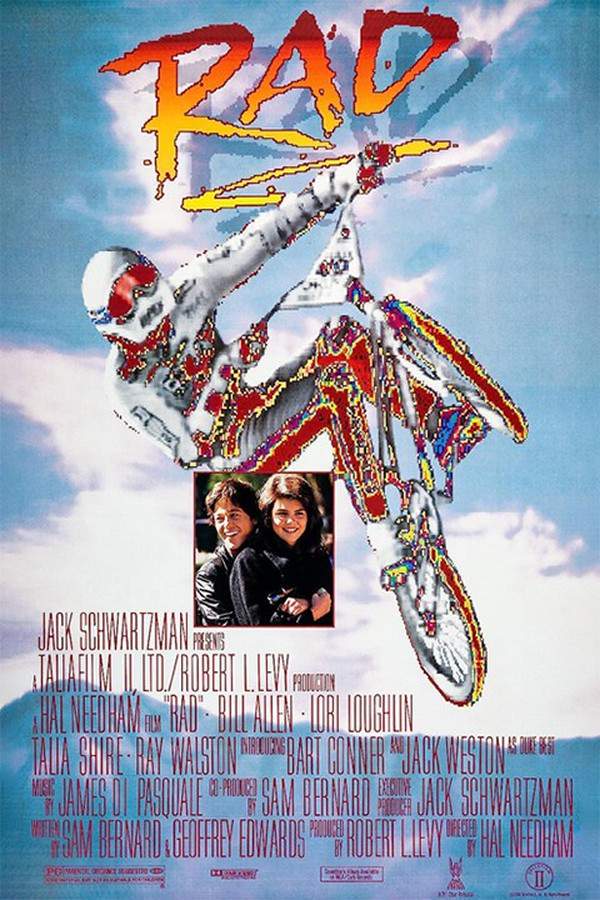
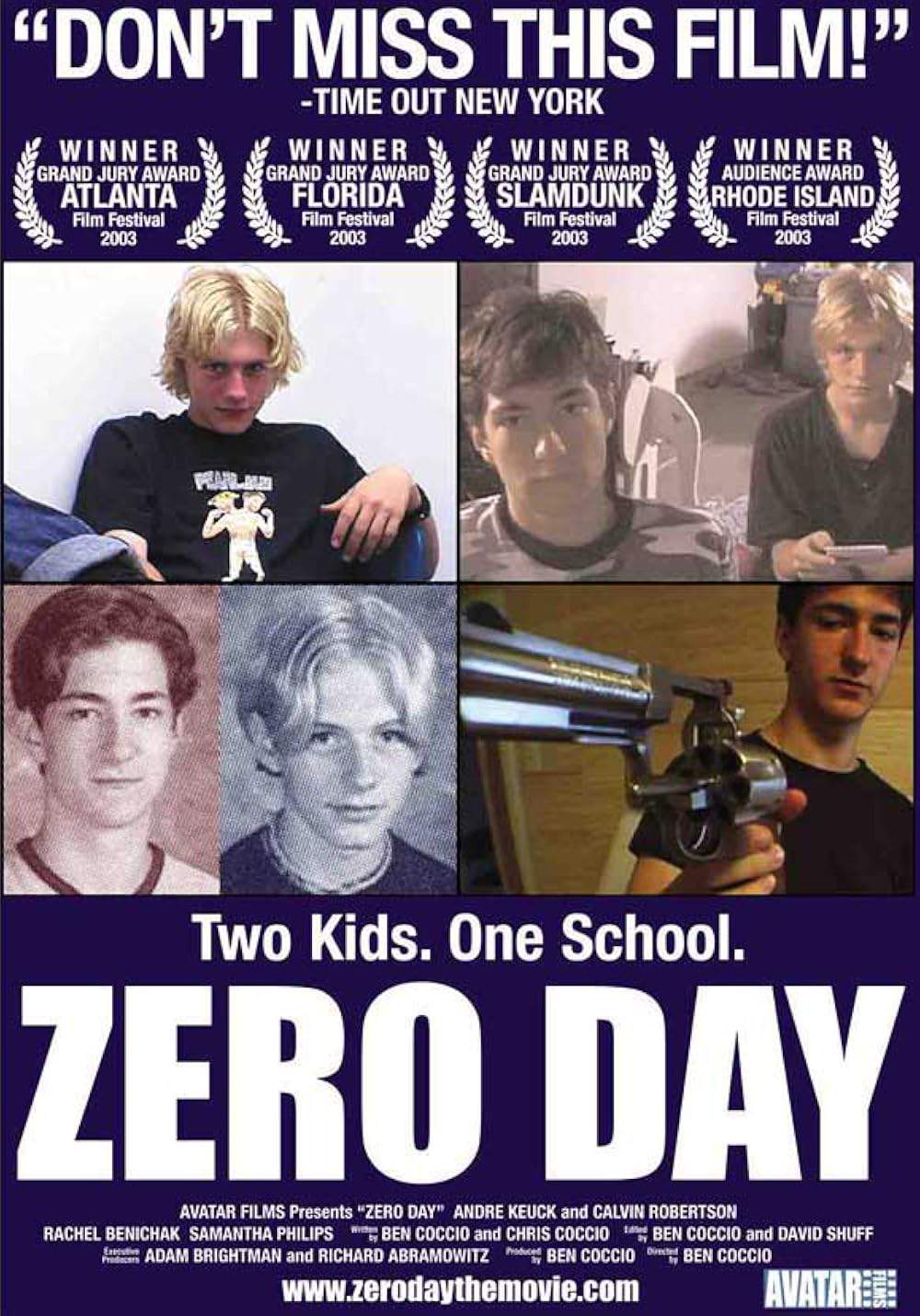
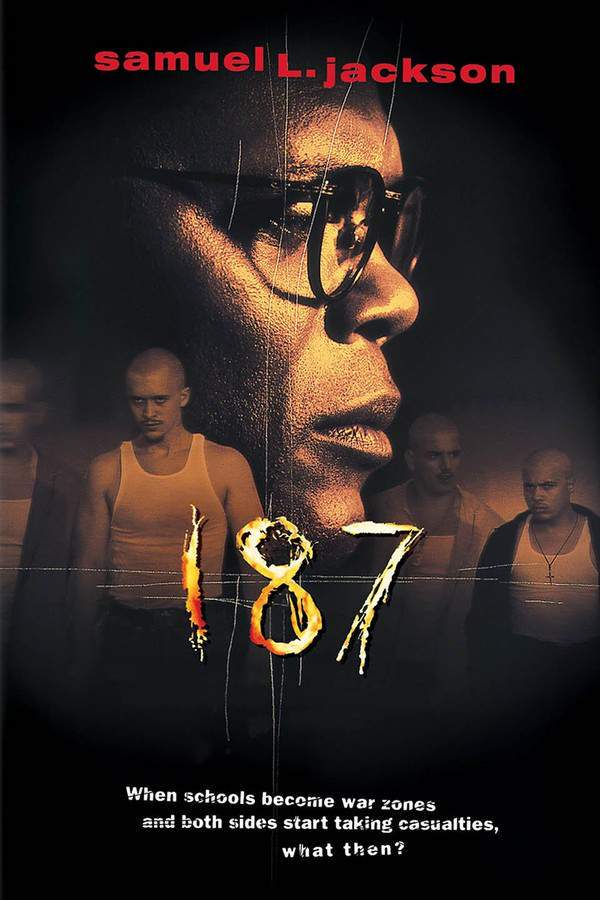
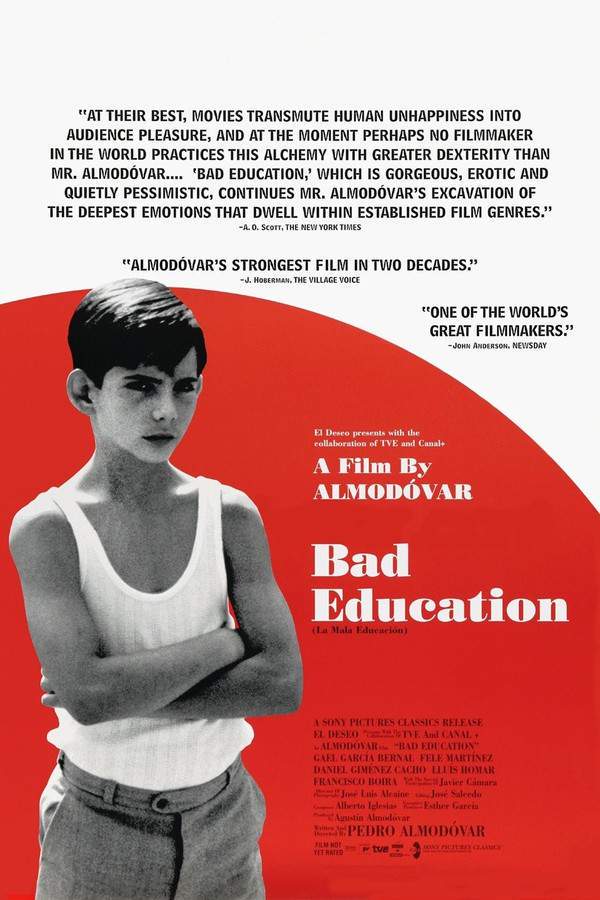
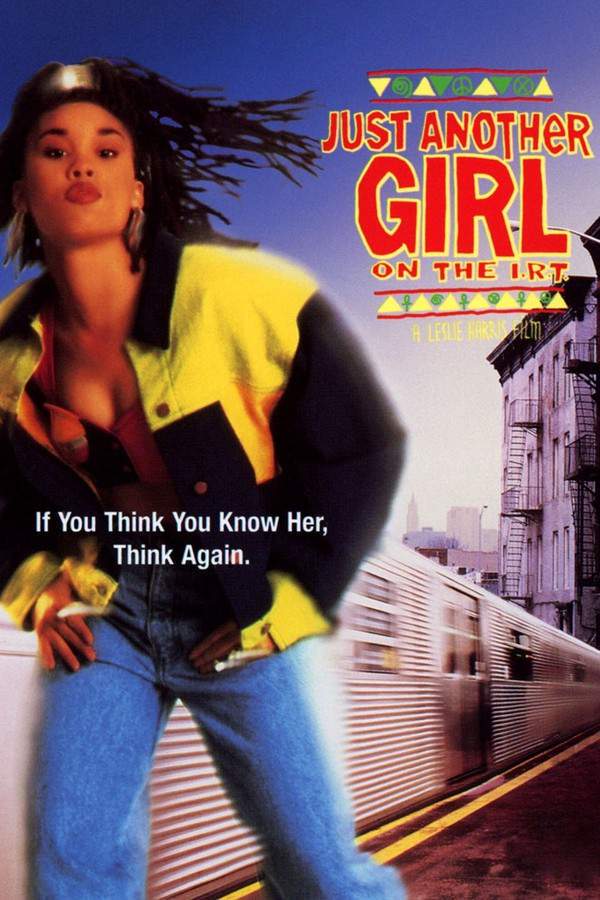
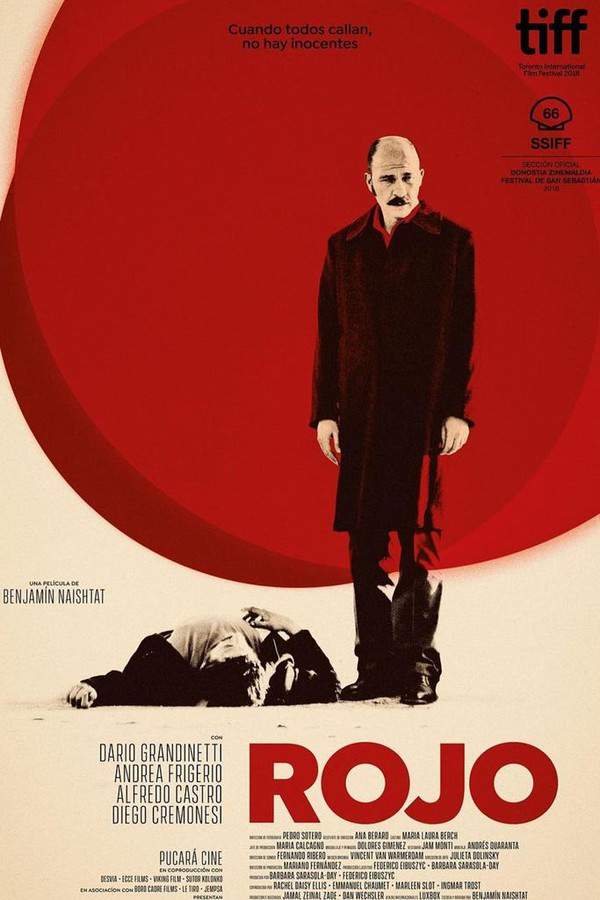
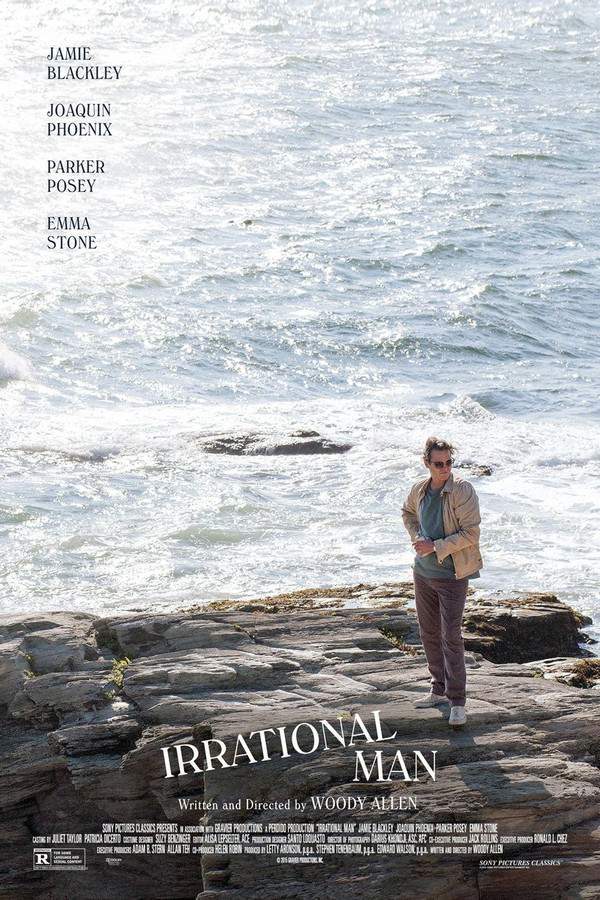
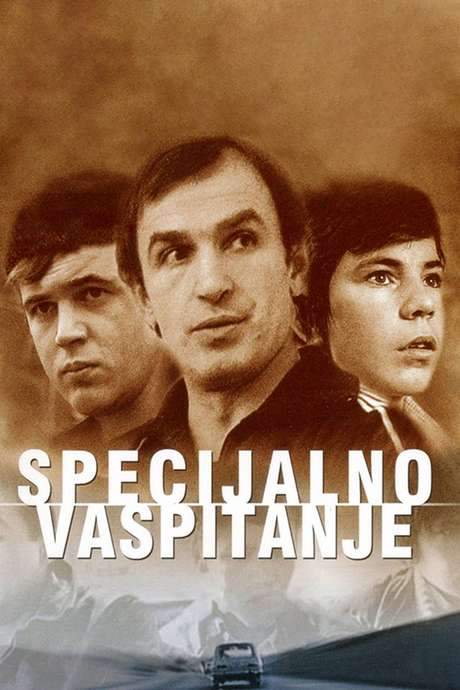
Films with a similar story, tone or audience, including Rad, The Revolutionary and Pellet.
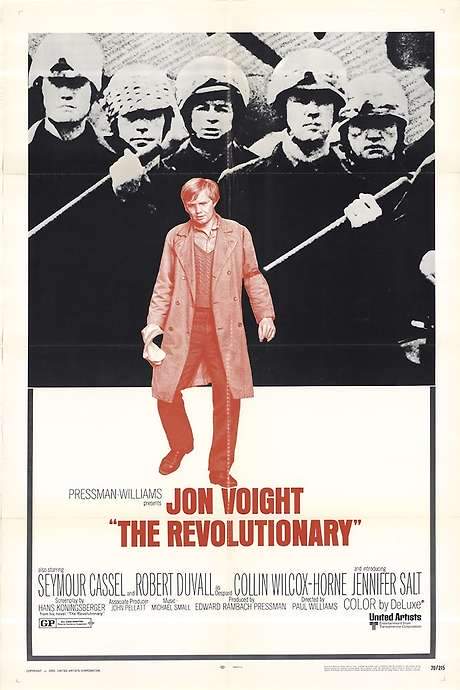
Radical FAQ: Where to Watch, Cast & Box Office
Runtime, release date, director, cast, where to watch, box office, ratings and post-credit scenes of Radical, each answered in a sentence.
How long is Radical?
Radical runs 2 hours 5 minutes (125 minutes).
When was Radical released?
Radical was released on November 3, 2023.
Who directed Radical?
Radical was directed by Christopher Zalla.
More films by Christopher Zalla Who is in the cast of Radical?
Radical stars Eugenio Derbez as Sergio, Daniel Haddad as Chucho and Enoc Leaño as Administrador, among 20 credited actors.
Where can I watch Radical?
In the US, Radical is streaming on Amazon Prime Video and VIX and available to rent or buy on Amazon Video (availability from JustWatch).
How much did Radical make at the box office?
Radical grossed $21.8 million worldwide ($8.7 million domestic, $13.1 million international) on a budget of $10 million.
How is Radical rated?
Radical has 7.8/10 on IMDb, 96% on Rotten Tomatoes, 70 on Metacritic and 83% on TMDB.
Does Radical have a post-credit scene?
No. Radical has no extra scene during or after the credits.
Coming soon to your phone
The Plot Explained Movie Summary App
From blockbusters to hidden gems: plot summaries, endings explained and timelines on your phone. Save your favorites and never miss a twist again.
Be the first to know when it launches. Your email stays private, always. Learn more about the app
