Path to War 2002



A powerful drama of soaring ambition and shattered dreams, offering a provocative insider’s perspective on how the United States escalated into conflict, seen through the corridors of the LBJ White House before and during the Vietnam War, highlighting political maneuvering, moral dilemmas, and the human cost.
Does Path to War have end credit scenes?
No!
Path to War does not have end credit scenes. You can leave when the credits roll.
Where to Watch Path to War
See current US streaming, rental, and purchase options for Path to War (2002) via JustWatch.







Meet the Full Cast and Actors of Path to War
Explore the complete cast of Path to War, including both lead and supporting actors. Learn who plays each character, discover their past roles and achievements, and find out what makes this ensemble cast stand out in the world of film and television.
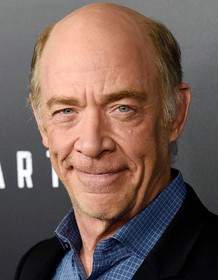
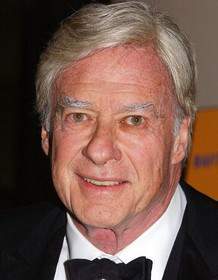
J.K. Simmons
CIA Briefer

Alec Baldwin
Robert McNamara
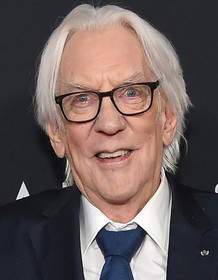
Donald Sutherland
Clark Clifford

Tom Skerritt
William Westmoreland
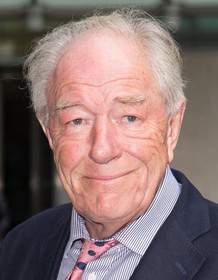
Michael Gambon
Lyndon Johnson
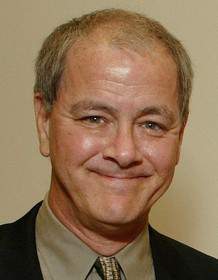
Francis Guinan
Nicholas Katzenbach
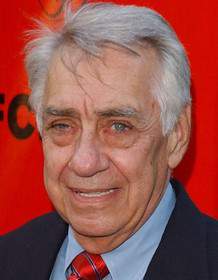
Philip Baker Hall
Everett Dirksen

Bruce McGill
George Ball

Felicity Huffman
Lady Bird Johnson

Sarah Paulson
Luci Baines Johnson

Gary Sinise
George Wallace

Chris Eigeman
Bill Moyers

Frederic Forrest
Earle G. Wheeler

Diana Scarwid
Marny Clifford
Robert Cicchini
Joseph Califano
Reed Diamond
Duty Officer
James Frain
Richard Goodwin
Peter Jacobson
Adam Yarmolinsky
Brenda Wehle
Juanita Roberts
Cliff DeYoung
McGeorge Bundy
Randy Oglesby
John Stennis
Gina-Raye Carter
Lynda Bird Johnson
John Aylward
Dean Rusk
Gerry Becker
Walt Rostow
External Links and Streaming Options
Discover where to watch Path to War online, including streaming platforms, rental options, and official sources. Compare reviews, ratings, and in-depth movie information across sites like IMDb, TMDb, Wikipedia or Rotten Tomatoes.





Take the Ultimate Path to War Movie Quiz
Challenge your knowledge of Path to War with this fun and interactive movie quiz. Test yourself on key plot points, iconic characters, hidden details, and memorable moments to see how well you really know the film.
Path to War Quiz: Test your knowledge of the 2002 film *Path to War*, which dramatizes President Lyndon B. Johnson's decisions during the Vietnam War.
Which actor portrays President Lyndon B. Johnson in the film?
Full Plot Summary and Ending Explained for Path to War
Read the complete plot summary of Path to War, including all major events, twists, and the full ending explained in detail. Explore key characters, themes, hidden meanings, and everything you need to understand the story from beginning to end.
This film follows the Vietnam War through the eyes of President Johnson [Michael Gambon], tracing events from the January 1965 Inaugural Ball to March 31, 1968, when he announces he will not seek re-election. Johnson’s Great Society agenda—civil rights, poverty, and education—frames cabinet discussions and policy choices as the nation confronts a widening conflict.
Early on, in a tense cabinet meeting, General Earle Wheeler [Frederic Forrest] pushes for sending combat troops into South Vietnam as attacks against advisers escalate. George Ball [Bruce McGill] stands as the lone voice of restraint, warning that escalation could backfire and that the North Vietnamese will keep pressing back.
Johnson juggles domestic reform with foreign peril, meeting with Lady Bird Johnson [Felicity Huffman] to discuss civil rights and voter registration, and with Luci Baines Johnson [Sarah Paulson], the President’s daughter who remains part of the White House orbit. He also contends with the pressure from Martin Luther King Jr., who refuses to pause civil rights protests, insisting that progress cannot wait for Vietnam.
To navigate the crisis, Johnson enlists Clark Clifford [Donald Sutherland], a Kennedy-era adviser who challenges some hardline plans and helps frame a more cautious approach. Clifford’s presence sharpens the debate over how far to go in South Vietnam and who should bear the political cost of escalation.
Secretary of Defense Robert McNamara [Alec Baldwin] argues that escalation will pressure Hanoi to negotiate, while General William Westmoreland [Tom Skerritt] presents a plan for a larger troop presence and intensified bombing. Johnson weighs Clifford’s cautions against McNamara’s confidence, and ultimately leans toward gradual escalation as a path to a negotiated settlement, at least in the short term.
A sobering moment—the self-immolation of Norman Morrison—shakes McNamara’s faith in the war’s cost. He begins to acknowledge that the budget cannot fully hide the true price of the fighting, and Johnson starts to see that a political crisis could be as damaging as a military one. The President approves further expansion, even as a CIA briefing by the Briefer [J.K. Simmons] reveals that bombing has had limited strategic impact and that North Vietnamese resolve runs deep; the briefing underscores the human cost and the fragile prospects for victory.
Back home, opposition to the war grows, and Johnson grows increasingly wary of criticism from rivals in the political arena, including Robert F. Kennedy. The administration continues to sign casualty letters and manage public messaging as the war’s footprint expands across Asia.
January 1968 brings the Tet Offensive, a watershed moment that brutalizes the illusion of quick victory. Although American forces repel the assault on major cities and embassies, the scale signals that the war will not end soon. McNamara testifies before Congress, suggesting that the expansion has been misguided, while Johnson contemplates his political fate and the stability of his policy team.
With pressure mounting, Clifford guides a reluctant reorganization of the defense leadership, and the President signals a tentative turn away from the most aggressive expansion. The drama culminates in a televised speech in which Johnson announces a commitment to seek negotiations and to constrain further bombing, while a scrawl at the end notes the war continues under subsequent leadership and the enormous toll on both sides.
The film features a broad ensemble whose characters populate the decision-making arena: Richard Goodwin [James Frain], Adam Yarmolinsky [Peter Jacobson], Dean Rusk [John Aylward], Walt Rostow [Gerry Becker], McGeorge Bundy [Cliff DeYoung], Juanita Roberts [Brenda Wehle], John Stennis [Randy Oglesby], Lynda Bird Johnson [Gina-Raye Carter], Marny Clifford [Diana Scarwid], and Joseph Califano [Robert Cicchini], among others, each contributing perspectives that shape the course of the war and the country’s direction. In the end, the story turns on how leaders balance idealism with pragmatism, and how a nation decides when to declare victory and when to pursue peace.

Coming soon on iOS and Android
The Plot Explained Mobile App
From blockbusters to hidden gems — dive into movie stories anytime, anywhere. Save your favorites, discover plots faster, and never miss a twist again.
Sign up to be the first to know when we launch. Your email stays private — always.
Explore the mobile appWatch Trailers, Clips & Behind-the-Scenes for Path to War
Watch official trailers, exclusive clips, cast interviews, and behind-the-scenes footage from Path to War. Dive deeper into the making of the film, its standout moments, and key production insights.
Path to War Themes and Keywords
Discover the central themes, ideas, and keywords that define the movie’s story, tone, and message. Analyze the film’s deeper meanings, genre influences, and recurring concepts.
Path to War Other Names and Titles
Explore the various alternative titles, translations, and other names used for Path to War across different regions and languages. Understand how the film is marketed and recognized worldwide.
Similar Movies To Path to War You Should Know About
Browse a curated list of movies similar in genre, tone, characters, or story structure. Discover new titles like the one you're watching, perfect for fans of related plots, vibes, or cinematic styles.


Quick Links: Summary, Cast, Ratings, More

What's After the Movie?
Not sure whether to stay after the credits? Find out!
Check out our other apps:

SAT Sphere
Build confidence for the Digital SAT.

Mori Atlas
Discover wild places worth protecting.

Luntero
Search smarter for a home in Amsterdam.

Plot Explained
Unravel movie endings and hidden clues.

Pokechamp
Dive into Pokémon data and battle logic.

Driving Theory
Get ready for your European theory test.

Movie Dust
Plan your next cinema trip with ease.

Musemap
Find art and culture as you travel.

Selkobase
Compare credentials before committing.

Local Manual
Turn an unfamiliar country into practical next steps.

Lernavi
Compare school systems before your next move.

GymRoam
Find a workout stop wherever your plans take you.
Explore Our Movie Platform
New Movie Releases (2026)
Famous Movie Actors
Top Film Production Studios
Movie Plot Summaries & Endings
Major Movie Awards & Winners
Best Concert Films & Music Documentaries
Movie Collections and Curated Lists
© 2026 What's After the Movie. All rights reserved.
Privacy Policy