What Is Path to War About?
The premise of Path to War in 296 words, with nothing given away. The full story follows below.
In the tense corridors of the White House during the 1960s, the nation is caught between soaring domestic aspirations and a deepening foreign conflict. President Lyndon Johnson carries the weight of a sweeping Great Society agenda while being pulled into escalating decisions about a distant war. Beside him, Lady Bird Johnson offers a personal counterpoint, and a youthful Luci Baines Johnson hovers on the periphery of power, reminding viewers that political life is lived as much in the private rooms as in the public arenas.
The film unfolds as a political drama that feels both intimate and monumental, blending the meticulous choreography of cabinet meetings with the restless energy of a country on the brink. General Earle Wheeler and General William Westmoreland embody the military’s push for greater involvement, while the cautious voice of George Ball provides a foil that hints at the moral and strategic doubts swirling behind closed doors. Robert McNamara brings a data‑driven confidence that clashes with the emerging awareness of hidden costs, whereas Clark Clifford serves as a seasoned advisor whose pragmatism tempers the more aggressive instincts of the administration. The presence of Martin Luther King Jr. adds a powerful moral dimension, underscoring the parallel struggle for civil rights at home.
Against this backdrop, the story is less about battles and more about the relentless negotiation of ideals, ambition, and the human toll of leadership. The atmosphere crackles with the quiet intensity of whispered counsel, the clash of competing philosophies, and the ever‑present sense that each decision reverberates far beyond the Oval Office. As alliances shift and convictions are tested, the audience is drawn into a world where personal ambition meets collective responsibility, inviting curiosity about how far a nation will go when its highest ideals confront the stark realities of war.
What Happens in Path to War?
The complete story of Path to War, from the first scene to the last, in 627 words (about 3 minutes). Spoilers throughout.
Spoilers ahead
This film follows the Vietnam War through the eyes of President Johnson [Michael Gambon], tracing events from the January 1965 Inaugural Ball to March 31, 1968, when he announces he will not seek re-election. Johnson’s Great Society agenda—civil rights, poverty, and education—frames cabinet discussions and policy choices as the nation confronts a widening conflict.
Early on, in a tense cabinet meeting, General Earle Wheeler [Frederic Forrest] pushes for sending combat troops into South Vietnam as attacks against advisers escalate. George Ball [Bruce McGill] stands as the lone voice of restraint, warning that escalation could backfire and that the North Vietnamese will keep pressing back.
Johnson juggles domestic reform with foreign peril, meeting with Lady Bird Johnson [Felicity Huffman] to discuss civil rights and voter registration, and with Luci Baines Johnson [Sarah Paulson], the President’s daughter who remains part of the White House orbit. He also contends with the pressure from Martin Luther King Jr., who refuses to pause civil rights protests, insisting that progress cannot wait for Vietnam.
To navigate the crisis, Johnson enlists Clark Clifford [Donald Sutherland], a Kennedy-era adviser who challenges some hardline plans and helps frame a more cautious approach. Clifford’s presence sharpens the debate over how far to go in South Vietnam and who should bear the political cost of escalation.
Secretary of Defense Robert McNamara [Alec Baldwin] argues that escalation will pressure Hanoi to negotiate, while General William Westmoreland [Tom Skerritt] presents a plan for a larger troop presence and intensified bombing. Johnson weighs Clifford’s cautions against McNamara’s confidence, and ultimately leans toward gradual escalation as a path to a negotiated settlement, at least in the short term.
A sobering moment—the self-immolation of Norman Morrison—shakes McNamara’s faith in the war’s cost. He begins to acknowledge that the budget cannot fully hide the true price of the fighting, and Johnson starts to see that a political crisis could be as damaging as a military one. The President approves further expansion, even as a CIA briefing by the Briefer [J.K. Simmons] reveals that bombing has had limited strategic impact and that North Vietnamese resolve runs deep; the briefing underscores the human cost and the fragile prospects for victory.
Back home, opposition to the war grows, and Johnson grows increasingly wary of criticism from rivals in the political arena, including Robert F. Kennedy. The administration continues to sign casualty letters and manage public messaging as the war’s footprint expands across Asia.
January 1968 brings the Tet Offensive, a watershed moment that brutalizes the illusion of quick victory. Although American forces repel the assault on major cities and embassies, the scale signals that the war will not end soon. McNamara testifies before Congress, suggesting that the expansion has been misguided, while Johnson contemplates his political fate and the stability of his policy team.
With pressure mounting, Clifford guides a reluctant reorganization of the defense leadership, and the President signals a tentative turn away from the most aggressive expansion. The drama culminates in a televised speech in which Johnson announces a commitment to seek negotiations and to constrain further bombing, while a scrawl at the end notes the war continues under subsequent leadership and the enormous toll on both sides.
The film features a broad ensemble whose characters populate the decision-making arena: Richard Goodwin [James Frain], Adam Yarmolinsky [Peter Jacobson], Dean Rusk [John Aylward], Walt Rostow [Gerry Becker], McGeorge Bundy [Cliff DeYoung], Juanita Roberts [Brenda Wehle], John Stennis [Randy Oglesby], Lynda Bird Johnson [Gina-Raye Carter], Marny Clifford [Diana Scarwid], and Joseph Califano [Robert Cicchini], among others, each contributing perspectives that shape the course of the war and the country’s direction. In the end, the story turns on how leaders balance idealism with pragmatism, and how a nation decides when to declare victory and when to pursue peace.
Path to War Timeline: Every Key Event in Order
12 key events in the order they happen, from “Johnson takes office and sets Great Society frame” to “Closing note: war continues under new leadership”. 12 events name a place, across 6 locations.
- 1
Johnson takes office and sets Great Society frame
The film opens with the January 1965 Inaugural Ball, introducing Johnson's presidency and his dual resolve to push civil rights and the Great Society. Advisors frame the era as a time for reform even as the country faces foreign peril. The stage is set for a presidency that must balance domestic ambition with a growing Vietnam crisis.
When:January 1965 Where:Washington, D.C.
- 2
Cabinet debate on Vietnam escalation
In an early cabinet meeting, General Earle Wheeler pushes for sending combat troops into South Vietnam. George Ball stands as the lone voice of restraint, warning that escalation could backfire and that Hanoi will push back.
When:Early 1965 Where:White House Cabinet Room
- 3
Civil rights and domestic reform vs. war pressure
Johnson meets with Lady Bird Johnson to discuss civil rights and voter registration, weighing social reform against the war's perils. He also navigates pressure from Martin Luther King Jr., who refuses to pause protests.
When:1965 Where:White House
- 4
Clark Clifford joins and shapes policy
Clark Clifford arrives as a seasoned adviser, sharpening the debate over how far to go in Vietnam. He challenges hardline plans and helps frame a more cautious, negotiated approach.
When:1965-1966 Where:White House
- 5
Defense voices clash: McNamara vs. Westmoreland
Secretary of Defense Robert McNamara argues escalation could push Hanoi toward negotiation, while General Westmoreland advocates a larger troop presence and intensified bombing.
When:1965-1966 Where:White House / Pentagon
- 6
Morrison's self-immolation and war costs
Norman Morrison's self-immolation shocks McNamara and makes the cost of the war feel personal. Johnson begins to recognize that a political crisis could be as dangerous as a battlefield loss.
When:November 1965 Where:Washington, D.C.
- 7
CIA briefing reveals limited bombing impact
A CIA briefing by the Briefer warns that bombing has had limited strategic impact and that North Vietnamese resolve remains strong. The briefing underscores the human cost and the fragile prospects for victory.
When:1967 Where:Washington, D.C.
- 8
Public opposition and casualty messaging
The administration grapples with growing antiwar sentiment at home and begins signing casualty letters while managing public messaging. Rivals like Robert F. Kennedy press Johnson from the sidelines.
When:1966-1968 Where:Washington, D.C.
- 9
Tet Offensive shatters the illusion of victory
The Tet Offensive of January 1968 exposes the fragility of the prospect for a quick win as North Vietnamese forces strike across Vietnam. American troops repel major assaults, but the scale signals a longer and harder war ahead.
When:January 1968 Where:Vietnam (across multiple cities)
- 10
Defense leadership reorganized
Clifford guides a reluctant reorganization of defense leadership, signaling a shift away from the most aggressive expansion. The administration prepares to recalibrate the war's strategic direction.
When:Early 1968 Where:Washington, D.C.
- 11
Shift toward negotiations announced on TV
Johnson delivers a televised speech announcing a commitment to negotiate and to constrain further bombing, signaling a pivot in policy. The address also acknowledges the toll of the war and the political risks of escalation.
When:March 31, 1968 Where:White House, Washington, D.C.
- 12
Closing note: war continues under new leadership
A closing caption notes that the war continues under subsequent leadership and emphasizes the enormous toll on both sides. The film ends by highlighting the tension between pursuing victory and seeking peace under shifting political realities.
When:March 1968 Where:Washington, D.C.
Who Are the Main Characters in Path to War?
17 characters, among them Lyndon Johnson (Michael Gambon), Robert McNamara (Alec Baldwin) and Clark Clifford (Donald Sutherland): who each one is and the part they play in the story. Every profile links to the actor’s page.
-
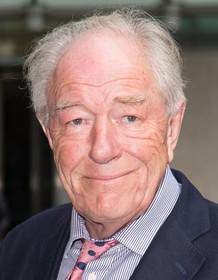
Lyndon Johnson (Michael Gambon)
Played by Michael Gambon
The President at the center of the decision-making maelstrom, Johnson juggles the Great Society agenda with the pressures of an escalating war. He weighs cautious counsel against bold action, seeking a path to negotiate while preserving political viability. His leadership is portrayed as pragmatic, stubborn, and deeply mindful of both domestic reform and international consequences.
- 🏛️ President
- 🧠 Strategist
- 🗣️ Policy-maker
-

Robert McNamara (Alec Baldwin)
Played by Alec Baldwin
As Secretary of Defense, he argues that escalation will pressure Hanoi to negotiate, pushing for a larger commitment. His stance reflects a belief in measurable pressure and a scientific approach to war, even as he confronts doubts about the true effectiveness and cost. He embodies the tension between data-driven strategy and political risk.
- 🪖 Strategist
- 🧠 Analyst
- 🗂️ Policy-maker
-
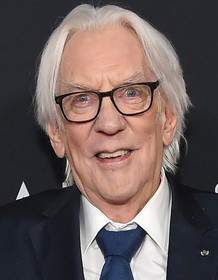
Clark Clifford (Donald Sutherland)
Played by Donald Sutherland
A veteran adviser who challenges hardline plans and helps reframe a more cautious approach. He acts as a bridge between older Kennedy-era pragmatism and Johnson’s current political realities, shaping how the administration frames escalation and potential negotiations.
- 🏛️ Advisor
- 🧭 Mediator
- 🗂️ Policy-shaper
- GE
General Earle Wheeler (Frederic Forrest)
Played by Frederic Forrest
A high-ranking military officer pushing for sending combat troops into South Vietnam, representing the push toward a more aggressive war posture. His perspective highlights the military’s influence on civilian decision-making and the weight of strategic urgency.
- 🪖 Commander
- 🗺️ War-planner
- 🧠 Strategist
-
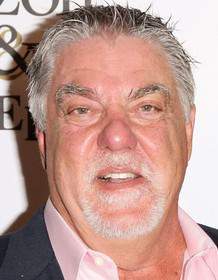
George Ball (Bruce McGill)
Played by Bruce McGill
The lone voice of restraint in the cabinet, warning that escalation could backfire and that the North Vietnamese will persist. He embodies cautious diplomacy and the belief that victory isn’t assured by sheer force.
- 🧭 Restraint
- 🗳️ Diplomat
- 🧠 Thinker
-
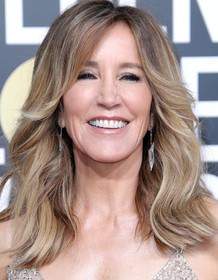
Lady Bird Johnson (Felicity Huffman)
Played by Felicity Huffman
In discussions of civil rights and voter registration, she represents the domestic reform impulse and the political reality of sustaining a broad mandate at home. Her involvement underscores the intersection of family life, policy, and public expectations.
- 🏛️ First Lady
- 🧠 Policy-participant
- 🗣️ Advocate
-
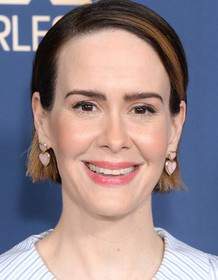
Luci Baines Johnson (Sarah Paulson)
Played by Sarah Paulson
Johnson’s daughter who remains part of the White House orbit, illustrating the personal dimension of presidential life amid national crises. Her presence shows how leadership reverberates through family and household dynamics during turbulent times.
- 👨👩👧 Family
- 🧠 Observer
- 🗣️ Public figure
- RG
Richard Goodwin (James Frain)
Played by James Frain
A political thinker who provides perspectives within the policy debate, contributing to the shaping of arguments around strategy, messaging, and reform. He embodies the intellectual layer of the administration’s decision-making process.
- 🧠 Analyst
- 🗂️ Advisor
- 🗳️ Strategist
- AY
Adam Yarmolinsky (Peter Jacobson)
Played by Peter Jacobson
A policy adviser who peers into the long-term implications of choices in Vietnam and domestic reform. He helps translate strategic concerns into implementable policy considerations within the cabinet.
- 🧭 Policy-maker
- 🧠 Advisor
- 🗣️ Strategist
- DR
Dean Rusk (John Aylward)
Played by John Aylward
Secretary of State involved in foreign policy decisions, balancing diplomatic channels with military considerations. He represents the official posture of U.S. diplomacy during a volatile era.
- 🌐 Diplomat
- 🗺️ Policy-maker
- 🧠 Strategist
- WR
Walt Rostow (Gerry Becker)
Played by Gerry Becker
An adviser who contributes to the policy discussions, particularly around how the administration frames escalation and the prospects for negotiation. He embodies the era’s optimistic yet calculating strategic thinking.
- 🧭 Strategist
- 🗂️ Advisor
- 🧠 Thinker
- MB
McGeorge Bundy (Cliff DeYoung)
Played by Cliff DeYoung
National Security Advisor whose presence anchors the policy debates and reshapes leadership decisions. He helps navigate between hawkish and cautious impulses within the administration.
- 🏛️ Advisor
- 🧠 Policy-maker
- 🗣️ Strategist
- JS
John Stennis (Randy Oglesby)
Played by Randy Oglesby
A senator whose perspective reflects political pressure and the domestic dimension of war policy. He embodies the legislative scrutiny the administration faces as casualty and policy debates intensify.
- 🏛️ Senator
- 🧭 Influence
- 🗳️ Politician
-
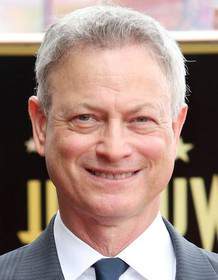
George Wallace (Gary Sinise)
Played by Gary Sinise
A visible political rival whose presence signals the broader political opposition the Johnson administration must navigate during the war era.
- 🏛️ Rival
- 🧭 Opposition
- 🗳️ Politician
-
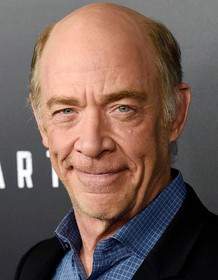
CIA Briefer (J.K. Simmons)
Played by J.K. Simmons
A CIA analyst who briefs the President, highlighting the limited strategic impact of bombing and the persistence of North Vietnamese resolve. This moment anchors the film’s skeptical view of military solutions.
- 🧠 Analyst
- 🗂️ Briefing
- 🗡️ Intelligence
-

Marny Clifford (Diana Scarwid)
Played by Diana Scarwid
A member of the Clifford circle who represents the domestic and personal side of national policy, illustrating how decisions ripple through families and staff.
- 👥 Family
- 🧠 Advisor
- 🗣️ Policy
- JC
Joseph Califano (Robert Cicchini)
Played by Robert Cicchini
An advisor figure in the background who contributes to the policy discourse surrounding civil rights and domestic reform alongside the war effort.
- 🧭 Advisor
- 🗳️ Policy-maker
- 🧠 Strategist
Where and When Is Path to War Set?
Path to War is set in White House, Washington D.C. and South Vietnam (1965–1968). Here is why the time and place matter to the story.
When
1965–1968
The narrative spans the mid-1960s, beginning with Johnson’s January 1965 Inaugural period and culminating in his March 31, 1968 announcement about not seeking re-election. It situates Great Society progress—civil rights, poverty reduction, education—within the escalating Vietnam War. Key milestones like the Tet Offensive anchor the sense of a turning point for policy and public sentiment.
Where
White House, Washington D.C., South Vietnam
The film largely unfolds inside the White House as Johnson navigates cabinet meetings and national strategy. It also renders the Vietnam War as a global theatre, with discussions touching on South Vietnam and the broader conflict. The settings reflect a presidency balancing domestic reform with foreign peril, and the pressure that comes from public opinion and international events.
- 🏛️ Government
- 🪖 War
- 🧭 Policy
What Are the Themes of Path to War?
3 ideas the story keeps returning to, among them Leadership & Pragmatism, Escalation & Costs and Civil Rights & Great Society.
-
01
Leadership & Pragmatism
The film centers on Johnson’s struggle to lead a nation torn between ambitious domestic reforms and a costly foreign war. Cabinet debates reveal a balancing act between idealism and political pragmatism. Advisers push different paths, and the President weighs cautions against expansion to seek a path toward peace and compromise.
-
02
Escalation & Costs
Escalation is framed as a strategic option with uncertain outcomes, tested by the human and financial cost of war. The self-immolation of Norman Morrison jolts the administration to confront the true price of fighting. The CIA briefing and battlefield debates underscore the gap between rhetoric and real impact, while casualty letters and public scrutiny intensify the pressure.
-
03
Civil Rights & Great Society
Civil rights and social reform are depicted as central, with Johnson balancing voter registration and equality against the demands of a protracted war. MLK’s insistence on progress and the administration’s response shape the domestic agenda alongside foreign policy. The plot examines how ideals of equality contend with the realities of wartime leadership and political survival.
What Kind of Film Is Path to War?
Tense in tone, with steady pacing and a complex story, going by the plot summary.
- Tone
- Tense
- Pacing
- Steady
- Story
- Complex
- Intensity
- High
- Ending
- Bittersweet
A tense and sobering political drama that places the viewer inside the high-pressure corridors of power, where escalating decisions about the Vietnam War create a claustrophobic atmosphere of moral conflict and profound human cost.
- anxious
- sobering
- claustrophobic
- frustrated
- strategic
- morally conflicted
- political maneuvering
- moral dilemmas
- escalating conflict
- human cost of war
Content notes: war violence, self-immolation, military casualties, psychological trauma.
Quiz
How well do you remember Path to War? Test yourself on the story.