Paris, je t'aime 2007


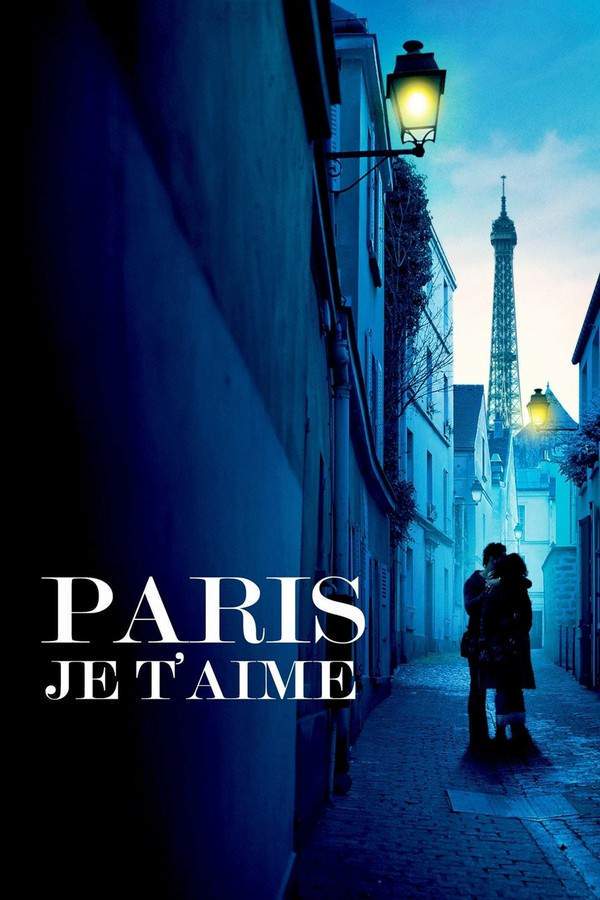
This touching anthology presents eighteen short stories exploring themes of love and longing within the vibrant city of Paris. Each vignette offers a glimpse into the lives of diverse characters, from fleeting encounters to enduring relationships, revealing the city's romantic and melancholic heart. Through intimate moments in locations like the Bastille and Place des Victoires, the film captures the universal experiences of connection and the complexities of human relationships in a beloved global destination.


Sylvain Chomet
Director
Olivier Assayas
Director

Alfonso Cuarón
Director

Alexander Payne
Director

Ethan Coen
Director

Joel Coen
Director
Vincenzo Natali
Director
Wes Craven
Director

Gus Van Sant
Director
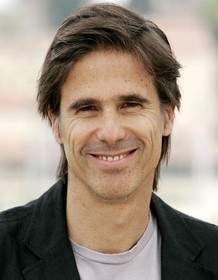
Walter Salles
Director
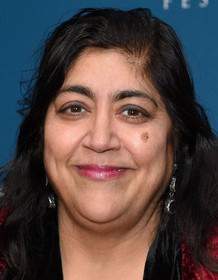
Gurinder Chadha
Director
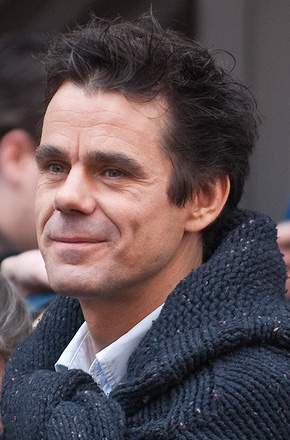
Tom Tykwer
Director

Isabel Coixet
Director

Oliver Schmitz
Director
Daniela Thomas
Director

Richard LaGravenese
Director
Christopher Doyle
Director
Emmanuel Benbihy
Director
Frédéric Auburtin
Director
Does Paris, je t'aime have end credit scenes?
No!
Paris, je t'aime does not have end credit scenes. You can leave when the credits roll.
Where to Watch Paris, je t'aime
See current US streaming, rental, and purchase options for Paris, je t'aime (2007) via JustWatch.

Amazon Prime Video
HD
Amazon Prime Video with Ads
HD
fuboTV
HD
Howdy Amazon Channel
HD
Fawesome
HD
Hoopla
SD
Kanopy
HD
The CW
SD
Amazon Prime Video Free with Ads
HD
Fandango at Home Free
HD
Plex
HD
Plex Channel
HD
Pluto TV
SD
The Roku Channel
HD
Tubi TV
SD
YouTube Free
HD
Amazon Video
SD
Apple TV Store
HDFandango At Home
HD
Google Play Movies
SDStreaming availability powered by 
Meet the Full Cast and Actors of Paris, je t'aime
Explore the complete cast of Paris, je t'aime, including both lead and supporting actors. Learn who plays each character, discover their past roles and achievements, and find out what makes this ensemble cast stand out in the world of film and television.
No actors found
External Links and Streaming Options
Discover where to watch Paris, je t'aime online, including streaming platforms, rental options, and official sources. Compare reviews, ratings, and in-depth movie information across sites like IMDb, TMDb, Wikipedia or Rotten Tomatoes.










Ratings and Reviews for Paris, je t'aime
See how Paris, je t'aime is rated across major platforms like IMDb, Metacritic, and TMDb. Compare audience scores and critic reviews to understand where Paris, je t'aime stands among top-rated movies in its genre.

66
Metascore
6.5
User Score


86%
TOMATOMETER

84%
User Score

68
%
User Score
Take the Ultimate Paris, je t'aime Movie Quiz
Challenge your knowledge of Paris, je t'aime with this fun and interactive movie quiz. Test yourself on key plot points, iconic characters, hidden details, and memorable moments to see how well you really know the film.
Love Stories in Paris: Test your knowledge about the anthology film that explores love through 18 unique segments set in Paris.
How many segments are included in 'Paris, je t'aime'?
Full Plot Summary and Ending Explained for Paris, je t'aime
Read the complete plot summary of Paris, je t'aime, including all major events, twists, and the full ending explained in detail. Explore key characters, themes, hidden meanings, and everything you need to understand the story from beginning to end.
This anthology feature film showcases eighteen distinct five-minute segments, each capturing unique aspects of loving couples in the enchanting city of Paris, France.
“Montmartre”, directed by Bruno Podalydes, unfolds in the 18th Arrondissement, where we meet a local man, played by Bruno Podalydes, who is struggling to find a parking spot amidst the narrow streets of Montmartre. His frustration mounts as he maneuvers his car into a spot that, although tight, he hilariously manages to fit into. As he waits, he observes couples passing by, pondering why he remains single. His attention is suddenly captured when a woman named Florence Muller faints nearby. Rushing to her aid, he helps her into the backseat of his car to recuperate. Once she awakens, they strike up a cheerful conversation, and she admits she’s en route to meet her tobacconist. He kindly offers her a ride and expresses his willingness to wait for her return, leaving both of them feeling quite uplifted.
In “Quais des Seine,” directed by Gurinder Chadha, the scene shifts to the 5th Arrondissement, where a trio of local teenage boys engage in catcalling passing women by the Seine riverfront. Among them is a boy named Francois played by Cyril Descours, who locks eyes with a young Arab Muslim girl named Zarka, portrayed by Leila Bekhti. Their brief exchange causes Zarka to trip, and as he helps her up, she criticizes the boys for their crude antics. After she hurries off to the mosque, François, smitten, runs to catch up with her. Upon arriving, he meets Zarka’s grandfather, who invites him to join them as they walk together, suggesting the budding of a meaningful connection.
Next in “Le Marais,” directed by Gus Van Sant, we are in the 4th Arrondissement where an American woman and her young French assistant, Gaspard, played by Gaspard Ulliel, visit a small printing company. While the woman engages in business discussions with the shop owner, Gaspard strikes up a conversation with the owner’s assistant, Elie, brought to life by Elias McConnell. Gaspard is clearly infatuated and talks non-stop, but as it turns out, Elie has trouble understanding French. After the woman leaves, Elie makes a beeline after Gaspard, eager to explore the connection sparked during their brief exchange.
In “Tuileries,” directed by the Coen brothers, we find ourselves at an underground 1st Arrondissement metro station. Here, an especially awkward American tourist, portrayed by Steve Buscemi, nervously awaits his train while engrossed in a guidebook warning against making eye contact with locals. Against the odds, he glances over at a couple engaged in a fierce argument, inadvertently locking eyes with a woman, played by Julie Bataille. Suddenly, she’s at his side, pulling him into a fervent kiss, only for her jealous boyfriend, Axel Kiener, to intervene violently. The scene ends with the couple leaving the station laughing, as the bewildered tourist is left reeling from the encounter.
“Loin du 16ème,” directed by Daniela Thomas, takes a poignant turn in the 16th Arrondissement. Here, Ana, played by Catalina Sandino Moreno, is a Spanish immigrant who delivers her baby to daycare while singing a loving lullaby. Following a heartfelt farewell, she embarks on a long journey to her employer’s upscale apartment. Though the employer (who remains faceless) asks Ana to work longer, Ana’s heart feels heavy as she replicates the same lullaby for another baby, drawing a touching parallel between her life and her sacrifices.
In “Porte de Choisy,” directed by Christopher Doyle, Monsieur Henri, portrayed by Barbet Schroeder, struggles to locate a hair product store in Paris’ Chinatown. Upon arriving, Madame Li, played by Li Xin, greets him quite bluntly. Unfazed, he presents his sales pitch, which initially fails to impress, prompting him to leave. But fate intervenes when, at a nearby Buddhist temple, the monk confiscates his phone, only to pass a message from Madame Li about her newfound interest in his products. Their ensuing makeover session culminates in a tender moment where Henri compliments Madame Li’s transformation, evoking a blossoming romance.
In “Bastille,” directed by Isabelle Coixet, a husband, portrayed by Sergio Castellitto, sits at a café in the 12th Arrondissement, lost in contemplation about his terminally-ill wife, played by Miranda Richardson. As the gravity of her condition hangs over him, he resolves to stay with her through her last days. In a heartwrenching turn, years after her passing, a chance encounter with a woman in a red raincoat reignites his memories of love and loss, highlighting his enduring emotional journey.
“Place des Victoires,” directed by Nobuhiro Suwa, sets a somber tone in a small apartment in the 2nd Arrondissement, where Suzanne is engulfed in grief over the death of her son. Played by Juliette Binoche, her sorrow is palpable as her husband, Hippolyte Girardot, attempts to comfort her. When she hears her son’s voice, led by a mysterious Cowboy, portrayed by Willem Dafoe, she is given the chance to reconnect with her lost child, leading to a profound spiritual awakening.
In “Tour Eiffel,” set in the 7th Arrondissement, a quirky mime, played by Paul Putner, entertains himself while reflecting on his past. His story unfolds in a whimsical manner as he navigates through his imaginary surroundings and interacts with people in humorous ways. Following a series of events that lands him in jail, he meets a delightful female mime, portrayed by Yolande Moreau, suggesting the blossoming of their enchanting romance.
Shifting gears, “Parc Monceau,” directed by Alfonso Cuaron, presents an inviting scene in the 17th Arrondissement with a continuous tracking shot featuring Vincent, played by Nick Nolte, who is hurrying to meet his daughter Clare, played by Ludivine Sagnier. It humorously oscillates from anxious moments between a father and daughter worried about a third party named Gaspard, only to reveal that Vincent is the caregiver while Clare enjoys a night out with friends.
In “Quartier des Enfants Rouge,” directed by Olivier Assayas, we meet Ken, a small-time drug dealer who finds himself captivated by a glamorous American actress, Liz, played by Maggie Gyllenhaal. Their encounter signifies a dance of attraction and desperation, leading to a whirlwind of emotions as their paths intermingle amidst the chaotic backdrop of a party scene.
“Place des Fetes,” directed by Oliver Schmitz, introduces Hassan, a young African immigrant portrayed by Seydou Boro, who is being helped by local EMT Sophie, played by Aissa Maiga. As their interaction unfolds, we learn about the sweet love that has bloomed and the struggles they face, blending themes of hope and heartbreak as Hassan’s fate hangs precariously.
In “Pigalle,” directed by Richard LaGravenese, the bar scene comes alive as Bob, a British businessman played by Bob Hoskins, engages in playful banter with Fanny, portrayed by Fanny Ardant. Their flirtation, tied to their underlying relationship complexities, culminates in an argument that showcases their chemistry and shared history, emphasizing the balance of humor and tension in love.
Lastly, “Quartier de la Madeleine,” directed by Vincenzo Natali, offers a stark contrast with a suspenseful horror feel as an American tourist, portrayed by Elijah Wood, stumbles upon a vampire engaging in her sanguine ritual. The transformation from vulnerability to connection plays a key role in this segment, as he finds himself drawn into her dark world.
Finally, “Pere Lachaise,” a piece directed by Wes Craven, takes us to the 20th Arrondissement where the British newlyweds, played by Rufus Sewell and Emily Mortimer, navigate their relationship amidst the plays of Oscar Wilde’s ghost. His presence leads to realizations about love, rekindling the embers of their affection, and guiding them toward reconciliation.
As the film draws to a close, a delightful montage showcases the intertwined lives of these characters across the city, with the final shot capturing the magic of Paris under a spectacular night sky filled with fireworks and illuminated monuments.

Coming soon on iOS and Android
The Plot Explained Mobile App
From blockbusters to hidden gems — dive into movie stories anytime, anywhere. Save your favorites, discover plots faster, and never miss a twist again.
Sign up to be the first to know when we launch. Your email stays private — always.
Explore the mobile appWatch Trailers, Clips & Behind-the-Scenes for Paris, je t'aime
Watch official trailers, exclusive clips, cast interviews, and behind-the-scenes footage from Paris, je t'aime. Dive deeper into the making of the film, its standout moments, and key production insights.
Cars Featured in Paris, je t'aime
Explore all cars featured in Paris, je t'aime, including their makes, models, scenes they appear in, and their significance to the plot. A must-read for car enthusiasts and movie buffs alike.
Paris, je t'aime Themes and Keywords
Discover the central themes, ideas, and keywords that define the movie’s story, tone, and message. Analyze the film’s deeper meanings, genre influences, and recurring concepts.
Paris, je t'aime Other Names and Titles
Explore the various alternative titles, translations, and other names used for Paris, je t'aime across different regions and languages. Understand how the film is marketed and recognized worldwide.
Similar Movies To Paris, je t'aime You Should Know About
Browse a curated list of movies similar in genre, tone, characters, or story structure. Discover new titles like the one you're watching, perfect for fans of related plots, vibes, or cinematic styles.


Quick Links: Summary, Cast, Ratings, More

What's After the Movie?
Not sure whether to stay after the credits? Find out!
Check out our other apps:

SAT Sphere
Build confidence for the Digital SAT.

Mori Atlas
Discover wild places worth protecting.

Luntero
Search smarter for a home in Amsterdam.

Plot Explained
Unravel movie endings and hidden clues.

Pokechamp
Dive into Pokémon data and battle logic.

Driving Theory
Get ready for your European theory test.

Movie Dust
Plan your next cinema trip with ease.

Musemap
Find art and culture as you travel.

Selkobase
Compare credentials before committing.

Local Manual
Turn an unfamiliar country into practical next steps.

Lernavi
Compare school systems before your next move.

GymRoam
Find a workout stop wherever your plans take you.
Explore Our Movie Platform
New Movie Releases (2026)
Famous Movie Actors
Top Film Production Studios
Movie Plot Summaries & Endings
Major Movie Awards & Winners
Best Concert Films & Music Documentaries
Movie Collections and Curated Lists
© 2026 What's After the Movie. All rights reserved.
Privacy Policy