Mozart and the Whale 2005



A love story between two savants with Asperger’s syndrome, a kind of autism, whose conditions sabotage their budding relationship.


Does Mozart and the Whale have end credit scenes?
No!
Mozart and the Whale does not have end credit scenes. You can leave when the credits roll.
Where to Watch Mozart and the Whale
See current US streaming, rental, and purchase options for Mozart and the Whale (2005) via JustWatch.

Amazon Prime Video
HD
Amazon Prime Video with Ads
HD
Howdy Amazon Channel
HD
Fawesome
HD
The CW
SD
Amazon Prime Video Free with Ads
HD
Plex
HD
Plex Channel
HD
The Roku Channel
HD
YouTube Free
HD
Amazon Video
SD Streaming availability powered by 
Meet the Full Cast and Actors of Mozart and the Whale
Explore the complete cast of Mozart and the Whale, including both lead and supporting actors. Learn who plays each character, discover their past roles and achievements, and find out what makes this ensemble cast stand out in the world of film and television.
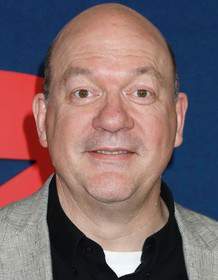
John Carroll Lynch
Gregory
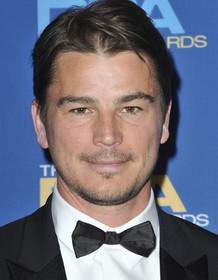
Josh Hartnett
Donald Morton

Sheila Kelley
Janice
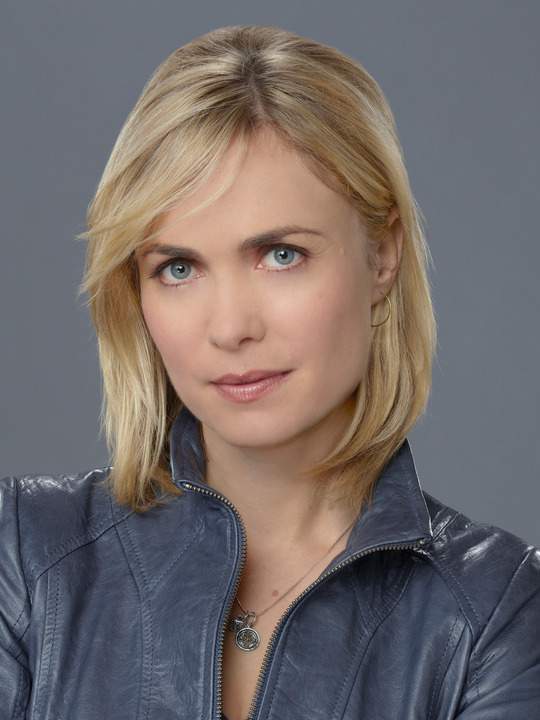
Radha Mitchell
Isabelle Sorenson
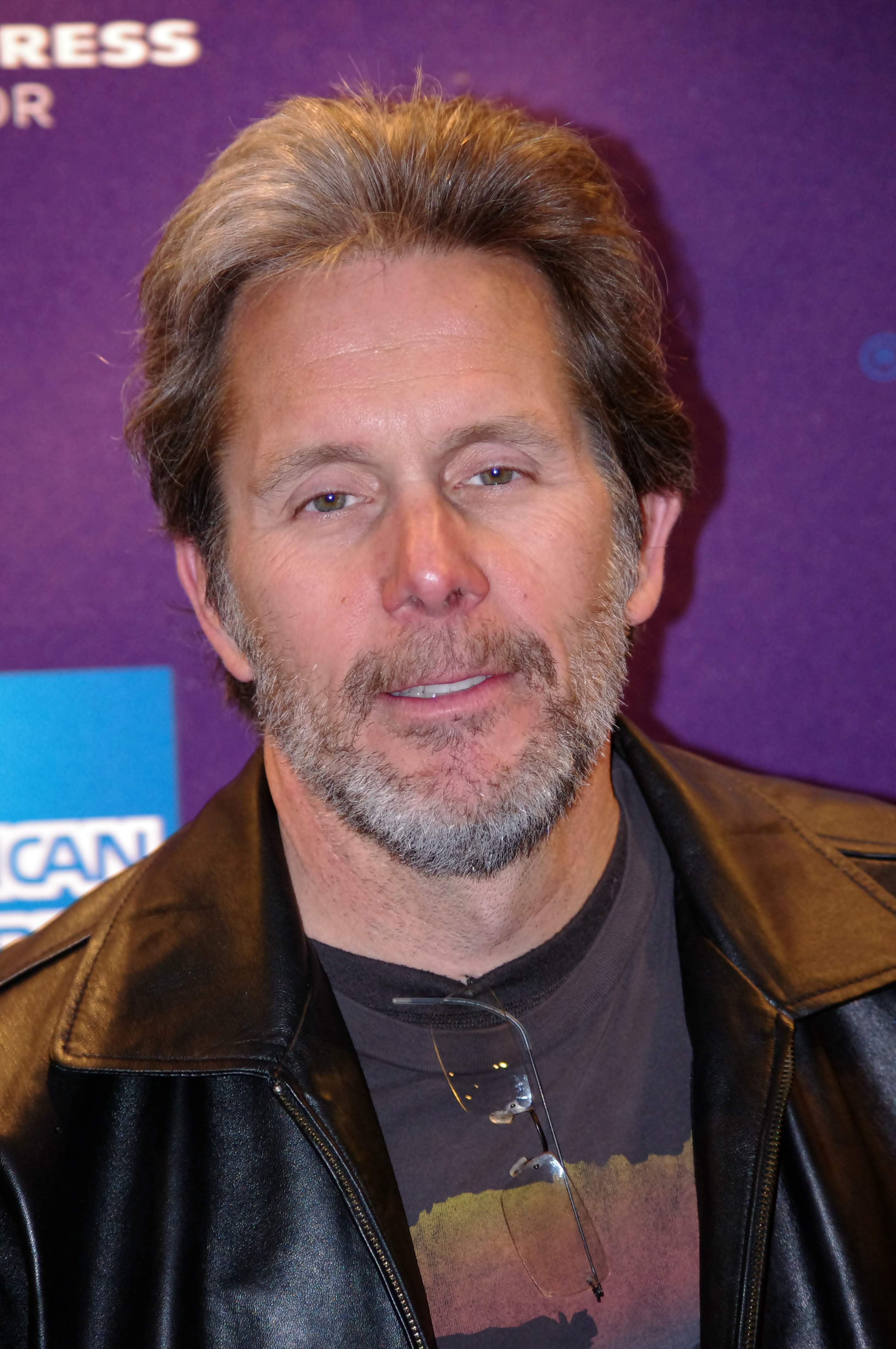
Gary Cole
Wallace
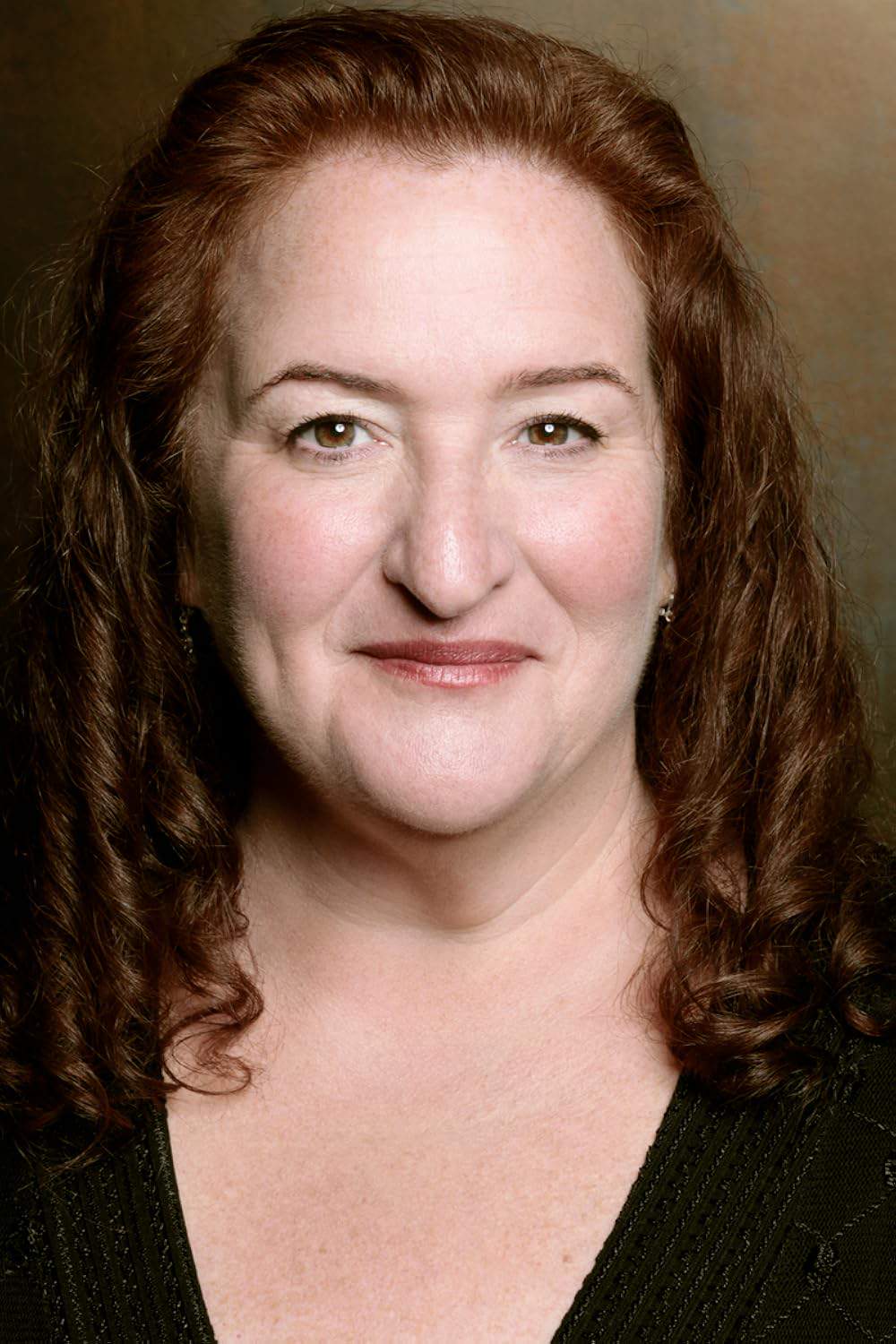
Rusty Schwimmer
Gracie
Robert Wisdom
Blume
Nate Mooney
Roger
Erica Leerhsen
Bronwin
Kristopher Higgins
Brain - Donald's Brother
Christa Campbell
Therapist
Allen Evangelista
Skeets
External Links and Streaming Options
Discover where to watch Mozart and the Whale online, including streaming platforms, rental options, and official sources. Compare reviews, ratings, and in-depth movie information across sites like IMDb, TMDb, Wikipedia or Rotten Tomatoes.








Take the Ultimate Mozart and the Whale Movie Quiz
Challenge your knowledge of Mozart and the Whale with this fun and interactive movie quiz. Test yourself on key plot points, iconic characters, hidden details, and memorable moments to see how well you really know the film.
Mozart and the Whale Quiz: Test your knowledge of the 2005 film *Mozart and the Whale* with these ten questions ranging from easy to challenging.
What is Donald Morton's occupation?
Full Plot Summary and Ending Explained for Mozart and the Whale
Read the complete plot summary of Mozart and the Whale, including all major events, twists, and the full ending explained in detail. Explore key characters, themes, hidden meanings, and everything you need to understand the story from beginning to end.
Donald Morton [Josh Hartnett] is a taxi driver in Spokane who lives with Asperger syndrome and spends his days shuttling two Japanese passengers and his pet cockatiel around town. One moment of distraction leads him to collide with the back of a florist’s van, damaging the stock, but he and his bird calmly collect their groceries and walk away, abandoning the taxi and the passengers. He heads to a self-help group for autistic adults, where the routine is part social, part therapy, and part a peculiar way of making sense of everyday life. Before they leave for the park to meet another autistic group, he asks Gracie [Rusty Schwimmer] to corral the women while he gathers the men to practice telling their personal stories, though he keeps getting sidetracked by his habit of calculating sums and tracking the depleting numbers of microwaves. It’s there that he notices Isabelle Sorenson [Radha Mitchell], another woman with Asperger’s, who has just joined the group, and he nudges Gracie to let her go first.
At the park, Isabelle shares a childhood memory about her parents’ happiness when an Olympian broke a record, a memory she tried to honor by literally acting on what she heard—she broke their music records to please them. Donald recounts his own story, focusing on his talent for complex mental sums and his struggle to form friendships. Isabelle then reveals a painful experience from hitchhiking—she was raped—which unsettles the group and leads Gracie to laugh inappropriately. The moment unsettles Donald, but it also marks a turning point as he senses they have a shared connection and begins to feel drawn to her.
Gregory [John Carroll Lynch], a quiet observer in the group who keeps notes, signals Donald over to ask if Isabelle might escort him to a Halloween party. Instead, Isabelle asks Donald to take her out for lunch, and the two quickly discover a growing rapport. They spend the next day at the zoo, where Isabelle asks Donald to escort her again, this time as more than a friend. They agree to meet in costume on Halloween night. Donald dresses as a whale, but he ultimately backs out of the party, leaving Isabelle waiting in the crowd—dressed as Mozart—while he contemplates whether to go. They eventually wander the town, talk, and share their first kiss, a moment that signals the start of something deeper.
As the days pass, Donald struggles with how to navigate when to call and when to wait, leaving multiple messages for Isabelle. They finally reconnect and head to an amusement park, where a simple ring-toss game triggers a breakdown in Isabelle: the clanging sounds and the ringing bell cause her to scream and collapse. Donald carries her back to his apartment, and the two decide to sleep together. The next day, the self-help group discusses boundaries, and Gregory accuses Donald of exploiting his position for sexual favors. Meanwhile, Isabelle spends time with Bronwin, a younger member whose father is battling cancer, waiting with her as her parents come to pick her up.
Isabelle then takes it upon herself to clean up Donald’s apartment—newspapers stacked neatly, rotting food discarded, a fresh shower curtain and a tidy toilet lid—all of which shocks Donald. He explodes, insisting that she “stole my life,” and leaves in a rush, though Isabelle had hoped the changes would bring them closer. Later, he visits Isabelle at the hair salon where she works and apologizes in person; she forgives him and proudly introduces him as her boyfriend to the staff.
Isabelle introduces Donald to a hopeful place she calls an abandoned rooftop, a space she believes can give people who don’t quite belong somewhere to belong. She envisions a future where they purchase a house together, and her therapist has arranged a job interview for Donald as a statistician at a university. He lands the position, and they move into a home they can call their own.
As they settle in, Donald wants to present a flawless life for when his boss, Wallace [Gary Cole], visits for dinner. Isabelle, feeling the pressure, keeps the pets untamed and maintains an outgoing, even impulsive plan for the house, which clashes with Donald’s desire for order. A heated argument follows, and he accuses her of being as crazy as her plans; she counters by saying they are both crazy, and she ultimately throws him out. He stays with Gregory for a night, and when he hears a tearful voicemail about Isabelle’s rabbit, Bongo, dying, he rushes to her side to offer comfort. After this tenderness, Isabelle suggests they should just be friends.
Donald then invites Isabelle to a restaurant where he proposes, hoping to seal the bond. She leaves abruptly for home and overdoses on an over-the-counter medication. He rushes her to the hospital, where a psychiatrist advises him to refrain from calling her for a time, testing his self-control. He follows her to an abandoned rooftop where she waits and reveals that the only thing left for him to give is the choice not to call. The moment is decisive: she missed him, and the two acknowledge their true love with a quiet, powerful embrace.
In the end, the couple is shown as newly married and settled into their life together, sharing Thanksgiving dinner with the self-help group members in their home. The film closes on a note of acceptance and companionship, showing that even people who feel like they don’t belong can find a way to belong when they find someone who understands their world.
“you stole my life”

Coming soon on iOS and Android
The Plot Explained Mobile App
From blockbusters to hidden gems — dive into movie stories anytime, anywhere. Save your favorites, discover plots faster, and never miss a twist again.
Sign up to be the first to know when we launch. Your email stays private — always.
Explore the mobile appWatch Trailers, Clips & Behind-the-Scenes for Mozart and the Whale
Watch official trailers, exclusive clips, cast interviews, and behind-the-scenes footage from Mozart and the Whale. Dive deeper into the making of the film, its standout moments, and key production insights.
Cars Featured in Mozart and the Whale
Explore all cars featured in Mozart and the Whale, including their makes, models, scenes they appear in, and their significance to the plot. A must-read for car enthusiasts and movie buffs alike.
Mozart and the Whale Themes and Keywords
Discover the central themes, ideas, and keywords that define the movie’s story, tone, and message. Analyze the film’s deeper meanings, genre influences, and recurring concepts.
Mozart and the Whale Other Names and Titles
Explore the various alternative titles, translations, and other names used for Mozart and the Whale across different regions and languages. Understand how the film is marketed and recognized worldwide.
Similar Movies To Mozart and the Whale You Should Know About
Browse a curated list of movies similar in genre, tone, characters, or story structure. Discover new titles like the one you're watching, perfect for fans of related plots, vibes, or cinematic styles.






Quick Links: Summary, Cast, Ratings, More

What's After the Movie?
Not sure whether to stay after the credits? Find out!
Check out our other apps:

SAT Sphere
Build confidence for the Digital SAT.

Mori Atlas
Discover wild places worth protecting.

Luntero
Search smarter for a home in Amsterdam.

Plot Explained
Unravel movie endings and hidden clues.

Pokechamp
Dive into Pokémon data and battle logic.

Driving Theory
Get ready for your European theory test.

Movie Dust
Plan your next cinema trip with ease.

Musemap
Find art and culture as you travel.

Selkobase
Compare credentials before committing.

Local Manual
Turn an unfamiliar country into practical next steps.

Lernavi
Compare school systems before your next move.

GymRoam
Find a workout stop wherever your plans take you.
Explore Our Movie Platform
New Movie Releases (2026)
Famous Movie Actors
Top Film Production Studios
Movie Plot Summaries & Endings
Major Movie Awards & Winners
Best Concert Films & Music Documentaries
Movie Collections and Curated Lists
© 2026 What's After the Movie. All rights reserved.
Privacy Policy