Butterflies Are Free 1972



Determined to live independently, blind young Don Baker leaves his overprotective mother and settles into a San Francisco apartment. There he befriends his eccentric neighbor, Jill Tanner, whose free‑spirited nature is softened by Don’s quick wit and charm. As their friendship deepens into romance, Mrs. Baker’s constant interference threatens to tear them apart.


Does Butterflies Are Free have end credit scenes?
No!
Butterflies Are Free does not have end credit scenes. You can leave when the credits roll.
Where to Watch Butterflies Are Free
See current US streaming, rental, and purchase options for Butterflies Are Free (1972) via JustWatch.









Meet the Full Cast and Actors of Butterflies Are Free
Explore the complete cast of Butterflies Are Free, including both lead and supporting actors. Learn who plays each character, discover their past roles and achievements, and find out what makes this ensemble cast stand out in the world of film and television.
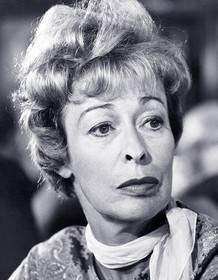
Eileen Heckart
Mrs. Florence Baker
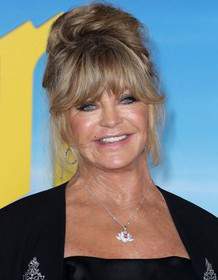
Goldie Hawn
Jill Tanner
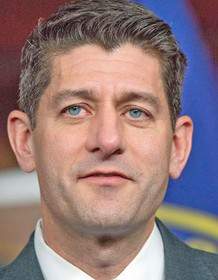
Paul Ryan
Man in Mod Shop (uncredited)

Paul Michael Glaser
Ralph Santori
Michael Warren
Roy Stradden
Edward Albert
Don Baker
Jessica Rains
1st Girl (uncredited)
Debralee Scott
Girl in Opening Credits (uncredited)
Charlene Jones
Girl in Mod Shop (uncredited)
Sandra Vacey
Girl in Mod Shop (uncredited)
External Links and Streaming Options
Discover where to watch Butterflies Are Free online, including streaming platforms, rental options, and official sources. Compare reviews, ratings, and in-depth movie information across sites like IMDb, TMDb, Wikipedia or JustWatch.






Take the Ultimate Butterflies Are Free Movie Quiz
Challenge your knowledge of Butterflies Are Free with this fun and interactive movie quiz. Test yourself on key plot points, iconic characters, hidden details, and memorable moments to see how well you really know the film.
Butterflies Are Free Quiz: Test your knowledge of the 1972 film *Butterflies Are Free*, covering characters, plot details, and memorable moments.
Which actress portrays Jill Tanner?
Full Plot Summary and Ending Explained for Butterflies Are Free
Read the complete plot summary of Butterflies Are Free, including all major events, twists, and the full ending explained in detail. Explore key characters, themes, hidden meanings, and everything you need to understand the story from beginning to end.
In bohemian San Francisco in the early 1970s, Jill Tanner is a 19-year-old with a fierce appetite for freedom who rents a quiet, sunlit apartment and soon finds herself living next door to Don Baker, a 20-year-old aspiring singer-songwriter who is blind. Through paper-thin walls, she catches him arguing with his overprotective mother, Florence Baker, on a phone call, and curiosity pulls her to introduce herself. What begins as a casual greeting swiftly unfolds into a deeper curiosity about the man who can “see” with senses other than sight.
Don explains that he has struck a pact with his mother, a two-month window of independence during which he can live on his own and attempt to carve out a life without constant interference. Jill, who carries the memory of a brief, six-day marriage at sixteen and a vow not to repeat mistakes that hurt people, finds in Don a mirror of her own longing for a different kind of risk. When she learns that Don is blind, he reveals his unusual sense of perception, a “shadow vision” that helps him detect obstacles and dodge danger even when his sight cannot. The two begin to map the contours of a relationship built on trust, independence, and a shared desire for authentic living.
At the center of their exchange is a word that will soon become a motif: a line Jill has carried as a personal banner, a quote she believes captures the essence of freedom. Don gently corrects her, pointing out that the line is actually from Charles Dickens’ Bleak House, not Mark Twain as she long believed: “I only ask to be free. The butterflies are free. Mankind will surely not deny to Harold Skimpole what it concedes to the butterflies.” The moment feels revelatory, and Don seizes it as inspiration for a song he’s writing, titling it “Butterflies Are Free.” The idea of freedom takes on a new texture as they share this exchange—one that fuses art, desire, and a growing sense of self-determination.
To push this budding bond forward, Jill encourages Don to shed the clothes his mother picked for him and adopt a more stylish, self-assured look. The two stroll to a bohemian clothing store on Union Street, a setting that feels like a ward of potential for both of them. Jill talks about her upcoming audition with theater director Ralph Santori, who has expressed an interest in marrying her, while Don, inspired by the moment, buys a bold outfit that makes him resemble a musician ready to make a statement on a bigger stage. The sense of independence grows teeth as they navigate a city that seems to mirror their desire for personal reinvention.
Back at Don’s apartment, the conversation widens to Don’s upbringing and the stories Florence has nurtured around him—tales that borrow from children’s literature and speak of a world where a blind boy could be a hero, a character named Donnie Dark. Don explains that his mother’s intentions are to empower him, yet the same expectations leave him feeling inadequate and constantly measured. Jill’s response is to propose opening the door that connects their apartments, a symbolic gesture that would invite vulnerability and closeness. She offers for Don to touch her face, a literal way for him to “see” her beyond the limits of his sight, and their closeness deepens into physical intimacy, a private moment that alters the dynamic between them.
The next morning brings a quiet happiness—Jill’s joy in their intimacy, balanced by the secrets she shares from her keepsake box. Their bubble is interrupted when Florence arrives unexpectedly, astonished and dismayed by the sight of Jill in undergarments and by the living conditions she finds in Don’s space. A dinner is arranged for that evening, and Jill retreats to prepare for her audition. Florence, ever practical and wary, probes Jill’s suitability and urges Don to return home, arguing that Jill’s reluctance to commit could stifle his growth. Jill pushes back, insisting that Florence herself may be the factor holding Don back, not Jill.
That night, the tension between independence and care comes to a head. Don confronts Florence for what feels like interference in Jill’s influence, while Jill returns with Ralph and reveals she has landed a minor role in a play that includes a nude scene. The revelation lands hard on Don; he feels the ground shift beneath him as Jill announces she intends to move in with Ralph, a decision that stings because it seems to close a door he hoped would stay open. After Jill and Ralph leave, Don pleads with Florence to take him back home, to give him a chance to rebuild a sense of belonging. Florence confesses that the Donnie Dark books were her way of helping him confront his fears, and in a quiet, intimate moment she admits that she struggles to accept that she may no longer be needed. She embraces her son and then quietly leaves.
Jill returns to Don’s apartment to say goodbye, and a painful, honest exchange unfolds. He sees through her desire to protect him from heartbreak and accuses her of being emotionally crippled by a fear of commitment. She counters that her freedom is essential to who she is, but as she prepares to leave for Ralph, Don sinks into a breaking point—an emotional reaction spurred by the weight of their story and the song that carries their shared dream, “Butterflies Are Free.” The moment is raw and real, a testament to the complexity of loving someone who seeks a life unbound by conventional expectations. Yet just as the ache swells, Jill returns with a glimmer of clarity—the two of them have a shared insight, a “shadow vision” that reveals an obstacle in front of her: Ralph. They laugh, their tension dissolving into a tentative, hopeful closeness as they hug, a quiet acknowledgment that the path forward remains uncertain but possible.
In the end, the film remains a steady meditation on freedom, dependency, and the delicate balance between love and personal growth, framed by intimate performances and a city that hums with possibility. The characters move through a spectrum of longing—from the ache to connect with another person to the stubborn, sometimes painful, insistence on staying true to one’s own needs. The result is a story that feels grounded in real emotion, never rushing to a neat conclusion but instead lingering in the truth of what it means to seek a life that feels like your own.

Coming soon on iOS and Android
The Plot Explained Mobile App
From blockbusters to hidden gems — dive into movie stories anytime, anywhere. Save your favorites, discover plots faster, and never miss a twist again.
Sign up to be the first to know when we launch. Your email stays private — always.
Explore the mobile appWatch Trailers, Clips & Behind-the-Scenes for Butterflies Are Free
Watch official trailers, exclusive clips, cast interviews, and behind-the-scenes footage from Butterflies Are Free. Dive deeper into the making of the film, its standout moments, and key production insights.
Cars Featured in Butterflies Are Free
Explore all cars featured in Butterflies Are Free, including their makes, models, scenes they appear in, and their significance to the plot. A must-read for car enthusiasts and movie buffs alike.
Butterflies Are Free Themes and Keywords
Discover the central themes, ideas, and keywords that define the movie’s story, tone, and message. Analyze the film’s deeper meanings, genre influences, and recurring concepts.
Butterflies Are Free Other Names and Titles
Explore the various alternative titles, translations, and other names used for Butterflies Are Free across different regions and languages. Understand how the film is marketed and recognized worldwide.
Similar Movies To Butterflies Are Free You Should Know About
Browse a curated list of movies similar in genre, tone, characters, or story structure. Discover new titles like the one you're watching, perfect for fans of related plots, vibes, or cinematic styles.



Quick Links: Summary, Cast, Ratings, More

What's After the Movie?
Not sure whether to stay after the credits? Find out!
Check out our other apps:

SAT Sphere
Build confidence for the Digital SAT.

Mori Atlas
Discover wild places worth protecting.

Luntero
Search smarter for a home in Amsterdam.

Plot Explained
Unravel movie endings and hidden clues.

Pokechamp
Dive into Pokémon data and battle logic.

Driving Theory
Get ready for your European theory test.

Movie Dust
Plan your next cinema trip with ease.

Musemap
Find art and culture as you travel.

Selkobase
Compare credentials before committing.

Local Manual
Turn an unfamiliar country into practical next steps.

Lernavi
Compare school systems before your next move.

GymRoam
Find a workout stop wherever your plans take you.
Explore Our Movie Platform
New Movie Releases (2026)
Famous Movie Actors
Top Film Production Studios
Movie Plot Summaries & Endings
Major Movie Awards & Winners
Best Concert Films & Music Documentaries
Movie Collections and Curated Lists
© 2026 What's After the Movie. All rights reserved.
Privacy Policy