Love Field 1992


Dallas housewife Lurene Hallett lives vicariously through Jacqueline Kennedy, but her world shatters when President Kennedy is assassinated just hours after she watches his arrival in Dallas. Defying her husband Ray’s orders, Lurene travels to Washington, D.C., on a bus, where she befriends Jonell, the young Black daughter of Paul Couter. Her well‑meaning meddling draws the trio into a tense, cross‑racial odyssey, pursued by police and Ray as they journey toward the funeral.


Does Love Field have end credit scenes?
No!
Love Field does not have end credit scenes. You can leave when the credits roll.
Meet the Full Cast and Actors of Love Field
Explore the complete cast of Love Field, including both lead and supporting actors. Learn who plays each character, discover their past roles and achievements, and find out what makes this ensemble cast stand out in the world of film and television.
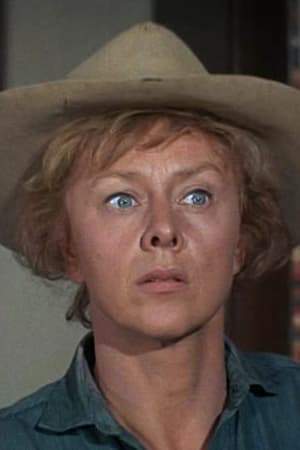
Louise Latham
Mrs. Enright

Michelle Pfeiffer
Lurene Hallett

Nick Searcy
FBI Man

Beth Grant
Hazel

Dennis Haysbert
Paul Cater

Troy Evans
Lt. Galvan

Rhoda Griffis
Jacqueline Kennedy

Johnny Ray McGhee
Mechanic
Cooper Huckabee
Deputy Swinson
Burr DeBenning
Announcer (voice)
Bob Minor
Barricade Policeman
Peggy Rea
Mrs. Heisenbuttel
Pearl Jones
Mrs. Baker
Brian Kerwin
Ray Hallett
Jack Ruby
Self (archive footage)
Mark Jeffrey Miller
Trooper Exley
Chestley Price
Porter
Stephanie McFadden
Jonell
Bob Gill
President Kennedy
Michael Milgrom
T.V. Director
Janell McLeod
Station Cashier
Shelley Reid
Secret Service Agent
External Links and Streaming Options
Discover where to watch Love Field online, including streaming platforms, rental options, and official sources. Compare reviews, ratings, and in-depth movie information across sites like IMDb, TMDb, Wikipedia or Rotten Tomatoes.







Take the Ultimate Love Field Movie Quiz
Challenge your knowledge of Love Field with this fun and interactive movie quiz. Test yourself on key plot points, iconic characters, hidden details, and memorable moments to see how well you really know the film.
Love Field Quiz: Test your knowledge of the 1992 film *Love Field*, its characters, plot points, and historical context.
Which actress portrays the Dallas housewife Lurene Hallett?
Full Plot Summary and Ending Explained for Love Field
Read the complete plot summary of Love Field, including all major events, twists, and the full ending explained in detail. Explore key characters, themes, hidden meanings, and everything you need to understand the story from beginning to end.
On November 22, 1963, Dallas housewife Lurene Hallett, Michelle Pfeiffer, is obsessed with First Lady Jacqueline Kennedy. She feels a deep kinship with Jackie after her own loss and a shared sense of vulnerability in a shaken nation. When the President and his wife arrive in Dallas, Lurene travels to Dallas Love Field in hopes of catching a glimpse as they land, and she comes perilously close to shaking Jackie’s hand. The moment is swallowed by tragedy as she learns that President Kennedy has been assassinated. Grief floods the streets and the shop windows, and Lurene’s personal sorrow becomes inseparable from the national mourning that shrouds the city. She watches the news through a storefront window, voices hushed and screens flickering with images of a shaken country, and she decides that she must witness the funeral, even if it means bucking the will of her husband, Ray Hallett, Brian Kerwin, who vetoes the plan.
Driven by a stubborn mixture of devotion and despair, Lurene leaves a note for Ray and sets out toward a path that will test her loyalties and redefine her sense of family. She intends to travel to Washington, D.C., by bus to attend the funeral, and along the way she befriends Jonell, Stephanie McFadden, the young Black daughter of Paul Cater. The journey is jolted when the bus encounters trouble, and Lurene takes Jonell to the restroom, where she discovers old wounds that hint at a harsher reality than she imagined. She asks Jonell if Paul is her father, and Jonell’s answer unsettles her: Paul is not the man she had expected to be connected with Jonell by blood alone. Paul Cater, Dennis Haysbert, explains the complicated truth — Jonell’s mother died, and he rescued Jonell from an abusive orphanage without formal permission. He presents photographs that trace the familiar faces of Jonell, her mother, and himself, revealing a quiet, stubborn love that has driven him to fight for custody in a legal system that hasn’t always rewarded such devotion.
Paul’s story of rescue and responsibility sets the stage for a fragile alliance. He must stay ahead of authorities long enough to reach Pennsylvania and pursue custody rights, a cross-country odyssey that forces Lurene to confront not only legal barriers but also the embers of a potential future she never planned. As the pair flee the bus, Paul seizes a car from a repair shop to continue their journey, and Lurene, who had begun the trip for Jackie’s memory, ends up sharing the wheel with him. The FBI soon suspects a kidnapping, and Ray receives word that the woman he once believed to be his wife might be abducted by Paul, a suspicion that hardens his resolve even as it complicates Lurene’s moral landscape.
The road trip grows tougher when the car breaks down near Tazewell, Virginia. Local rednecks notice a white woman traveling with a Black man and assault Paul, a brutal reminder of the era’s brutal racial tensions. Hazel Enright, Beth Grant, the daughter of a local work associate, and her parents offer shelter and aid. Mrs. Enright, Louise Latham, disapproves of Lurene’s interracial companionship, and her admonitions remind Lurene that every step forward comes with a price. Yet the Enrights lend them their car and a sense of temporary sanctuary, thinning the line between charity and judgment as the trio spends the night together. The next morning, the encounter becomes a turning point in Lurene’s heart: a private, unplanned night of intimacy with Paul deepens the complexity of their bond and foreshadows the difficult choices ahead.
Back in the nation’s capital, the day of Kennedy’s funeral intensifies the conflict. Ray waits for Lurene at the motel, determined to reclaim his wife and restore what he believes to be solid ground. Lurene insists on handling the situation alone, but Paul and Jonell remain in the car. A heated confrontation ensues, with Ray armed and Lurene caught in a maelstrom of loyalties. Paul intervenes, disguising himself as the motel manager in the tense moment, and a struggle over the weapon erupts. Paul wrests the gun away, and the two families retreat to the car with Jonell, only to be pursued by police who finally close in on them. The outcome is a harsh reality: Paul is sentenced to a year in jail for stealing the car, a consequence that marks a sobering milestone in the journey that began with a shared moment of grief.
In 1964, Lurene continues to visit Jonell in a foster home, keeping a day-to-day vigil that becomes a lifeline for the girl and a quiet testament to the motherly impulse that transcends conventional legality. Lurene tells Jonell that her father is coming back to take her home, and Paul makes a late, poignant appearance to reclaim his daughter. The two adults share a hard-won embrace as Lurene confesses that she and Ray have divorced. The moment is both a goodbye and a pledge, a mutual recognition of the life they have chosen and the child whose future depends on their choices. As Lurene drives away, a sudden impulse draws her back to the group home, where she reconnects with Paul and Jonell, choosing to stay by their side. The ending remains hopeful in its quiet defiance: a woman’s steadfast love for a child and a man who has proven his devotion can still carve out a space for belonging amid a country’s most wrenching upheaval.
The film’s atmosphere rests on the tension between private desire and public tragedy, between a personal quest for belonging and a national tragedy that reshapes the characters’ sense of responsibility. Across the odyssey, the bond between Lurene, Jonell, and Paul unfolds with a patient realism that avoids melodrama while capturing the moral and emotional weights carried by those who navigate the era’s rigid social boundaries. The story is anchored by performances that balance tenderness with stubborn resilience, painting a portrait of a woman who refuses to be defined solely by her husband’s expectations, a man who chooses to fight for his child, and a child whose resilience shines through even the most painful moments.
The film also weaves in historical texture through its attention to Kennedy’s assassination and funeral, using archival elements to remind viewers of the era’s fragile optimism and the ache that followed. The narrative refrains from simplification, presenting instead a mosaic of choices that illuminate the complexities of love, duty, and the pursuit of a safe, stable family in a time of national vulnerability. The closing image is less about reevaluating a single event and more about honoring the quiet, stubborn persistence that propels people to seek connection even when the world around them seems unsteady. And in a subtle nod to the era’s iconography, the film includes archival footage of Jack Ruby, a reminder that history often intersects personal stories in unexpected ways.
In the end, the story remains a testament to the power of human connection: Lurene’s devotion to Jonell and Paul’s steadfast commitment to his child forge a fragile, hopeful bond that survives even the most daunting external pressures. It’s a story of grief transformed into action, of love that refuses to be deterred by social conventions, and of a family formed not merely by blood, but by choice, sacrifice, and unwavering care.

Coming soon on iOS and Android
The Plot Explained Mobile App
From blockbusters to hidden gems — dive into movie stories anytime, anywhere. Save your favorites, discover plots faster, and never miss a twist again.
Sign up to be the first to know when we launch. Your email stays private — always.
Explore the mobile appDiscover Film Music Concerts Near You – Live Orchestras Performing Iconic Movie Soundtracks
Immerse yourself in the magic of cinema with live orchestral performances of your favorite film scores. From sweeping Hollywood blockbusters and animated classics to epic fantasy soundtracks, our curated listings connect you to upcoming film music events worldwide.
Explore concert film screenings paired with full orchestra concerts, read detailed event information, and secure your tickets for unforgettable evenings celebrating legendary composers like John Williams, Hans Zimmer, and more.


Cars Featured in Love Field
Explore all cars featured in Love Field, including their makes, models, scenes they appear in, and their significance to the plot. A must-read for car enthusiasts and movie buffs alike.
Love Field Themes and Keywords
Discover the central themes, ideas, and keywords that define the movie’s story, tone, and message. Analyze the film’s deeper meanings, genre influences, and recurring concepts.
Love Field Other Names and Titles
Explore the various alternative titles, translations, and other names used for Love Field across different regions and languages. Understand how the film is marketed and recognized worldwide.
Similar Movies To Love Field You Should Know About
Browse a curated list of movies similar in genre, tone, characters, or story structure. Discover new titles like the one you're watching, perfect for fans of related plots, vibes, or cinematic styles.


Quick Links: Summary, Cast, Ratings, More

What's After the Movie?
Not sure whether to stay after the credits? Find out!
Check out our other apps:

SAT Sphere
Build confidence for the Digital SAT.

Mori Atlas
Discover wild places worth protecting.

Luntero
Search smarter for a home in Amsterdam.

Plot Explained
Unravel movie endings and hidden clues.

Pokechamp
Dive into Pokémon data and battle logic.

Driving Theory
Get ready for your European theory test.

Movie Dust
Plan your next cinema trip with ease.

Musemap
Find art and culture as you travel.

Selkobase
Compare credentials before committing.

Local Manual
Turn an unfamiliar country into practical next steps.

Lernavi
Compare school systems before your next move.

GymRoam
Find a workout stop wherever your plans take you.
Explore Our Movie Platform
New Movie Releases (2026)
Famous Movie Actors
Top Film Production Studios
Movie Plot Summaries & Endings
Major Movie Awards & Winners
Best Concert Films & Music Documentaries
Movie Collections and Curated Lists
© 2026 What's After the Movie. All rights reserved.
Privacy Policy