Darkest Hour 2017

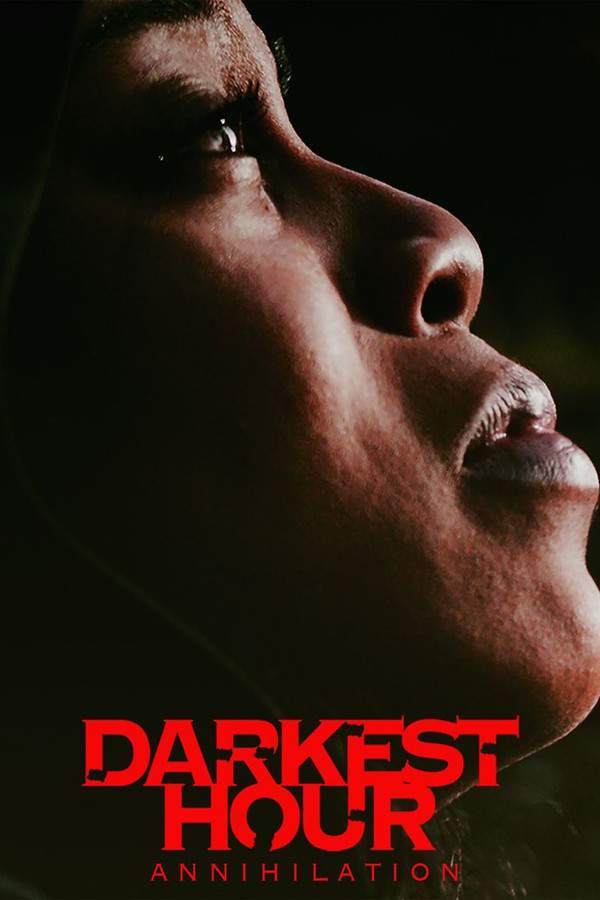
During World War II, with Nazi forces advancing across Europe, Britain faces its darkest hour. Newly appointed Prime Minister Winston Churchill must confront the agonizing decision of whether to negotiate a peace treaty or rally the nation for a desperate fight. As the Allied forces are trapped at Dunkirk, Churchill grapples with the immense pressure and uncertainty, knowing the future of his country rests on his shoulders. His resolve and leadership are challenged as he navigates a moment of unprecedented crisis.

Does Darkest Hour have end credit scenes?
Yes!
Darkest Hour does have end credit scenes. Stay until the very end!
Where to Watch Darkest Hour
See current US streaming, rental, and purchase options for Darkest Hour (2017) via JustWatch.






Meet the Full Cast and Actors of Darkest Hour
Explore the complete cast of Darkest Hour, including both lead and supporting actors. Learn who plays each character, discover their past roles and achievements, and find out what makes this ensemble cast stand out in the world of film and television.

Lily James
Elizabeth Layton

Gary Oldman
Winston Churchill
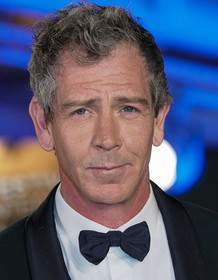
Ben Mendelsohn
King George VI

Kristin Scott Thomas
Clemmie

Adrian Rawlins
Air Chief Marshal Dowding

David Schofield
Clement Atlee

Stephen Dillane
Viscount Halifax

Hannah Steele

Charley Palmer Merkell
Ronald Pickup
Neville Chamberlain
Nicholas Jones
Sir John Simon
Richard Lumsden
General Ismay
Samuel West
Sir Anthony Eden
Anna Burnett
Beatrice Stein
Hilton McRae
Arthur Greenwood
Jordan Waller
Philip Martin Brown
Sawyers
Pip Torrens
External Links and Streaming Options
Discover where to watch Darkest Hour online, including streaming platforms, rental options, and official sources. Compare reviews, ratings, and in-depth movie information across sites like IMDb, TMDb, Wikipedia or Rotten Tomatoes.












Ratings and Reviews for Darkest Hour
See how Darkest Hour is rated across major platforms like IMDb, Metacritic, and TMDb. Compare audience scores and critic reviews to understand where Darkest Hour stands among top-rated movies in its genre.

The Movie Echo Score
Darkest Hour stands out primarily for its commanding lead performance and polished production values, though it is uneven in narrative execution. The film’s central portrayal of Churchill consistently draws acclaim for its nuance and emotional depth, and its period settings and design evoke the era with meticulous detail. However, pacing lags at points and some narrative threads feel underdeveloped. The collective critical and audience response underscores its strengths in performance and aesthetics, while noting that its plot construction can feel formulaic.
The Movie Echo Score Breakdown for Darkest Hour

Art & Craft
In terms of art and craft, Darkest Hour exhibits meticulous production design and period detail that consistently ground the narrative in its historical setting. Lighting and set decoration deliver an understated color palette that enhances the era’s atmosphere, and makeup work is transforming without feeling intrusive. While the visual style remains cohesive throughout, moments of uneven editing occasionally disrupt the overall flow. The art direction ultimately supports the film’s immersive quality.

Character & Emotion
When it comes to character and emotion, the film is anchored by a deeply immersive central performance that captures Churchill’s conviction and vulnerability. The lead portrayal evolves through nuanced mannerisms and speech patterns, providing a strong emotional core. Supporting roles contribute atmosphere but sometimes lack depth. Overall, the emotional resonance is driven by the central figure, reinforcing the film’s focus on individual leadership.

Story & Flow
In terms of story and flow, Darkest Hour delivers a clear narrative of Churchill’s rise but suffers from uneven pacing that hampers engagement at times. The plot highlights key strategic moments with dramatic speeches, yet certain subplots feel underdeveloped and clichéd. Historical condensation produces a streamlined trajectory but also limits exploration of broader political dynamics. Overall, the storytelling is coherent but occasionally formulaic.

Sensory Experience
With regard to sensory experience, the film offers stirring musical cues and sound design that heighten dramatic tension without overwhelming the scenes. Visual cohesion is maintained through a dusty, muted palette that reinforces the period atmosphere. Soundtrack choices support emotional beats and underscore key speeches effectively. Although the auditory elements are mostly balanced, occasional shifts in tone can feel abrupt. The sensory design ultimately strengthens the film’s immersive impact.

Rewatch Factor
Considering rewatch factor, Darkest Hour provides ample reward for viewers drawn to its central performance and period aesthetics. The strength of the lead portrayal and measured pacing in pivotal speeches encourage a return to witness the character’s development. However, the film’s reliance on familiar biopic conventions and limited supporting character arcs reduce its replay value for some audiences. On balance, the rewatch appeal is moderate, anchored by its performance-driven focus.

75
Metascore
7.3
User Score

7.4 /10
IMDb Rating

74
%
User Score

3.5
From 504 fan ratings

4.13/5
From 8 fan ratings
Take the Ultimate Darkest Hour Movie Quiz
Challenge your knowledge of Darkest Hour with this fun and interactive movie quiz. Test yourself on key plot points, iconic characters, hidden details, and memorable moments to see how well you really know the film.
Darkest Hour Quiz: Test your knowledge on the intense political drama of 'Darkest Hour', exploring Churchill's leadership during a critical moment of World War II.
Who is the British Prime Minister at the start of the film?
Awards & Nominations for Darkest Hour
Discover all the awards and nominations received by Darkest Hour, from Oscars to film festival honors. Learn how Darkest Hour and its cast and crew have been recognized by critics and the industry alike.
Cinematography
Costume Design
Makeup and Hairstyling
Best Picture
Production Design

Best Cinematography
Best Costume Design
Best Makeup and Hair
Best Original Music
Best Production Design
Full Plot Summary and Ending Explained for Darkest Hour
Read the complete plot summary of Darkest Hour, including all major events, twists, and the full ending explained in detail. Explore key characters, themes, hidden meanings, and everything you need to understand the story from beginning to end.
In May 1940, as World War II escalates, Britain and France stand united against the ominous threat posed by Nazi Germany. With Adolf Hitler already on a rampage, having invaded Czechoslovakia, Poland, Denmark, and Norway, the danger looms ever larger as 3 million German troops gather on the Belgian border, intent on conquering the rest of Europe.
In this critical context, the Opposition Labor Party in Parliament calls for the resignation of British Prime Minister Neville Chamberlain, criticizing him for his perceived ineffectiveness in safeguarding national security. They hold him responsible for the nation’s lack of preparedness against the advancing Nazi regime. Chamberlain, against this backdrop, contemplates stepping down and favors Lord Halifax as his successor, but Halifax hesitates, dismissing the notion due to his position in the House of Lords. Consequently, Chamberlain looks towards Winston Churchill, the First Lord of the Admiralty, as the only viable alternative.
On her very first day of work, Elizabeth Layton (Lily James), Churchill’s new secretary, inadvertently disrupts his flow by not adhering strictly to his orders. After a particularly contentious encounter where Churchill’s sharp words nearly drive her away in tears, his wife Clementine steps in to remind him of the importance of temperance and kindness in his leadership role. On May 10th, King George VI (Ben Mendelsohn) reluctantly instructs Churchill to form a government, which includes Chamberlain and Halifax, although he secretly desires Halifax to take the prime ministerial helm.
Churchill’s prior track record does little to bolster confidence; it is marred by several military disappointments, such as the tragic Gallipoli Campaign, which resulted in 25,000 deaths. His stance against Indian self-governance and support for Edward VIII during his abdication further complicate his reputation. Despite his questionable past, some political allies, like Anthony Eden, remain by his side as he assembles his war cabinet, including himself, Chamberlain, Viscount Halifax, and Clement Attlee.
By May 13th, Germany invades France, rapidly advancing and taking control of strategic points. Parliament showcases its discontent following Churchill’s first speech, filled with determination yet met with skepticism. While Halifax and Chamberlain wish to negotiate peace through intermediaries, Churchill remains resolute, standing firm against any acceptance of surrender.
With the British Expeditionary Force cornered at Dunkirk and Calais, the situation grows dire. The lack of air cover for British troops and the ceasing of navy operations put immense pressure on Churchill. He travels to France to galvanize the French forces, but is met with disbelief as the French Prime Minister dismisses his optimism regarding the military situation.
In a notable moment on May 19th, Churchill paints a rosy picture to the nation, claiming victories over German advances, despite the grim reality of their full retreat. Clementine implores him to provide hope to the populace. However, King George VI warns against misleading the public, urging Churchill to remain truthful.
As the situation deteriorates, on May 25th, Churchill authorizes a desperate counter-strategy, sending Brigadier Claude Nicholson (Richard Glove) and his troops on what appears to be a suicide mission to distract the enemy, allowing for the evacuation of troops at Dunkirk under Operation Dynamo. The pressure mounts when Halifax demands a promise of no peace negotiations without a fight, which leads to a pivotal moment in their discussions.
With the majority of the British forces trapped and Belgium poised to surrender, Churchill grapples with the enormity of the war cabinet’s stance against him. As discussions intensify on negotiating with Germany, Churchill remains determined to sustain a posture of resistance.
In a poignant moment on May 27th, King George VI pays an unannounced visit, encouraging Churchill to rally the British spirit to continue resisting. Over the next few days, Churchill seeks insight from London’s everyday citizens, ultimately finding their resolve to fight against German aggression. Returning to the war cabinet, he confronts those who favor surrender, urging them to abandon any plans for negotiation.
In a triumphant speech, Churchill’s defiance becomes clear as he declares, >“We shall fight on the beaches,” rallying support from the Parliament and quelling any dissent. As the credits roll, the narrative reveals Chamberlain’s passing and Halifax’s diplomatic journey to the United States, while Churchill remains at the helm as Prime Minister until the Allied victory in May 1945, only to lose the General Election later that July.

Coming soon on iOS and Android
The Plot Explained Mobile App
From blockbusters to hidden gems — dive into movie stories anytime, anywhere. Save your favorites, discover plots faster, and never miss a twist again.
Sign up to be the first to know when we launch. Your email stays private — always.
Explore the mobile appWatch Trailers, Clips & Behind-the-Scenes for Darkest Hour
Watch official trailers, exclusive clips, cast interviews, and behind-the-scenes footage from Darkest Hour. Dive deeper into the making of the film, its standout moments, and key production insights.
Cars Featured in Darkest Hour
Explore all cars featured in Darkest Hour, including their makes, models, scenes they appear in, and their significance to the plot. A must-read for car enthusiasts and movie buffs alike.
Darkest Hour Themes and Keywords
Discover the central themes, ideas, and keywords that define the movie’s story, tone, and message. Analyze the film’s deeper meanings, genre influences, and recurring concepts.
Darkest Hour Other Names and Titles
Explore the various alternative titles, translations, and other names used for Darkest Hour across different regions and languages. Understand how the film is marketed and recognized worldwide.
Articles, Reviews & Explainers About Darkest Hour
Stay updated on Darkest Hour with in-depth articles, critical reviews, and ending explainers. Explore hidden meanings, major themes, and expert insights into the film’s story and impact.


Similar Movies To Darkest Hour You Should Know About
Browse a curated list of movies similar in genre, tone, characters, or story structure. Discover new titles like the one you're watching, perfect for fans of related plots, vibes, or cinematic styles.





Quick Links: Summary, Cast, Ratings, More

What's After the Movie?
Not sure whether to stay after the credits? Find out!
Check out our other apps:

SAT Sphere
Build confidence for the Digital SAT.

Mori Atlas
Discover wild places worth protecting.

Luntero
Search smarter for a home in Amsterdam.

Plot Explained
Unravel movie endings and hidden clues.

Pokechamp
Dive into Pokémon data and battle logic.

Driving Theory
Get ready for your European theory test.

Movie Dust
Plan your next cinema trip with ease.

Musemap
Find art and culture as you travel.

Selkobase
Compare credentials before committing.

Local Manual
Turn an unfamiliar country into practical next steps.

Lernavi
Compare school systems before your next move.

GymRoam
Find a workout stop wherever your plans take you.
Explore Our Movie Platform
New Movie Releases (2026)
Famous Movie Actors
Top Film Production Studios
Movie Plot Summaries & Endings
Major Movie Awards & Winners
Best Concert Films & Music Documentaries
Movie Collections and Curated Lists
© 2026 What's After the Movie. All rights reserved.
Privacy Policy