
Creation (2010): Cast, Ratings, Box Office & Where to Watch
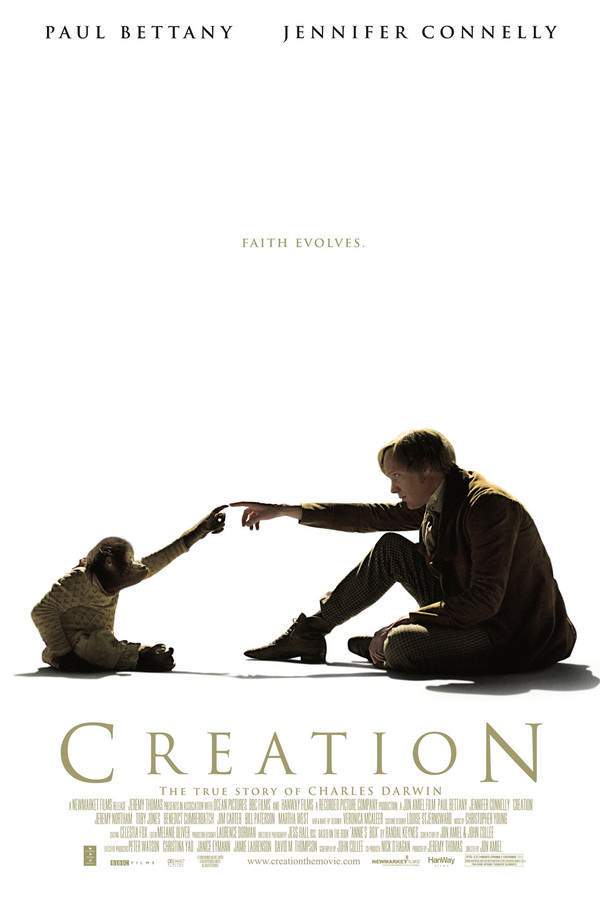
Creation is a 2010 biographical drama directed by Jon Amiel, starring Jennifer Connelly and Paul Bettany. It runs 1 hour 48 minutes and earned $2.1 million worldwide. Critics gave it 47% on Rotten Tomatoes and 51 on Metacritic. Stream it on Amazon Prime Video and Hoopla, or rent or buy it on Amazon Video and Apple TV Store.
- Released
- Runtime
- 1h 48m (108 min)
- Director
- Jon Amiel
- Original language
-
 English
 - Studio
- Newmarket Films
- After the credits
- No No extra scene
What Is Creation About?
The premise of Creation without spoilers. The whole story is in the plot summary further down.
While mourning the death of his daughter, Charles Darwin faces a profound crisis of faith. His emerging theories about evolution clash with his wife's religious beliefs, creating a deep personal conflict as he struggles to reconcile his scientific observations with his devotion to her. The emotional turmoil fuels his groundbreaking work, forever changing our understanding of the natural world.
Creation Themes & Keywords
· 50 tags- hallucination
- marriage between cousins
- father daughter relationship
- evolution
- loss of daughter
- imitation
- nest
- birdcage
- bone
- curiosity
- photography
- hunt
+38 more Show fewer
- theory
- ship
- rudeness
- male protagonist
- cousin cousin relationship
- cousin relationship
- cousin cousin incest
- cousin marriage
- cousins in love
- reference to erasmus darwin
- darwin
- charles darwin
- docudrama drama
- incest
- marriage
- science
- faith
- scientist
- garment button
- maggot
- deathbed
- guilt
- reconciliation
- marital reconciliation
- bathtub
- writing a book
- pregnant wife
- pregnancy
- shouting
- fight
- fainting
- bereavement
- grief
- marital problem
- boarding house
- haunted by the past
- scorpion
- manuscript
Where to Watch Creation
Stream it on Amazon Prime Video and Hoopla, or rent or buy it from Amazon Video and Apple TV Store. US availability and prices from JustWatch.
Stream 12
 Amazon Prime Video
  Amazon Prime Video with Ads
  Hoopla
  Kanopy
  Plex
Plex  Plex Channel
  Pluto TV
  The CW
  The Roku Channel
  The Surf Network Amazon Channel
  Tubi TV
  YouTube Free




Streaming availability in the US, powered by 
Creation Cast
Jennifer Connelly leads the cast, with Paul Bettany. Directed by Jon Amiel.
- Director Jon Amiel

Creation Reviews & Ratings
Critics gave Creation 47% on Rotten Tomatoes and 51 on Metacritic.
-
 Rotten Tomatoes
 47% Tomatometer
Popcornmeter 49%
See on Rotten Tomatoes -
 Metacritic
 51 Metascore
User score 7.3
See on Metacritic -
 TMDB
TMDB 64% User score
See on TMDB
Creation Plot Summary
What happens in Creation from start to finish, spoilers included, with a timeline of 14 key events. The opening is below; the full summary is a 4-minute read.
Spoilers ahead
Charles Darwin is a British naturalist living a quiet, almost pastoral life in an idyllic village, a man who is as brilliant as he is deeply emotional. He is devoted to his wife, Emma, and to their children, especially his eldest daughter Annie, a bright and inquisitive ten-year-old who loves learning about nature and the world. He shares with her stories from his travels and, most of all, his evolving ideas about life, including his theory of evolution. Annie’s favorite tale—though it ends sadly—centers on Jenny, a young orangutan brought from Borneo to the London Zoo, a story that hints at the fragility of life and the mysteries of science.
Full summary
The whole story of Creation, scene by scene
Creation Box Office
Creation grossed $2.1 million worldwide. $341,323 came from the US and Canada and $1.7 million (83%) from the rest of the world.
Worldwide gross
$2.1M
- US & Canada
- $341.3K
- International
- $1.7M
Creation Trailers & Videos
The trailer of Creation.
How Well Do You Know Creation?
10 questions about the story, each with a hint if you get stuck. Pick an answer to see whether you were right.
Question 1 of 10
- Question 1: not answered
- Question 2: not answered
- Question 3: not answered
- Question 4: not answered
- Question 5: not answered
- Question 6: not answered
- Question 7: not answered
- Question 8: not answered
- Question 9: not answered
- Question 10: not answered
What is Charles Darwin's profession in the film?
Creation Also Known As
20 alternative titles, including “Annie's Box” and “Nature”.
- Also known as
-
- Annie's Box
- Nature
- Origin
- Criação
- 愛,進化
- Création
- Yaratılış
- La duda de Darwin
- Síla lásky
- Происхождение
- Teremtés
- 造物弄人
+8 more Show fewer
- יצירה
- Чарлс Дарвин: Сътворение
- Creación
- Creation - L'evoluzione di Darwin
- 찰스 다윈: 종의 기원
- Pradžia
- クリエイション ダーウィンの幻想
- Originea speciilor
Seen Creation?
Movies Like Creation
Films with a similar story, tone or audience, including Darwin, Darwin’s Struggle: The Evolution of the Origin of Species and Charles Darwin and the Tree of Life.
-
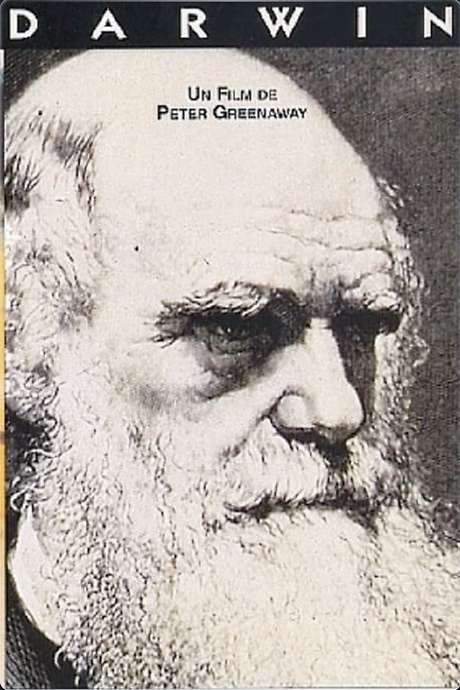 Darwin 1992
 -
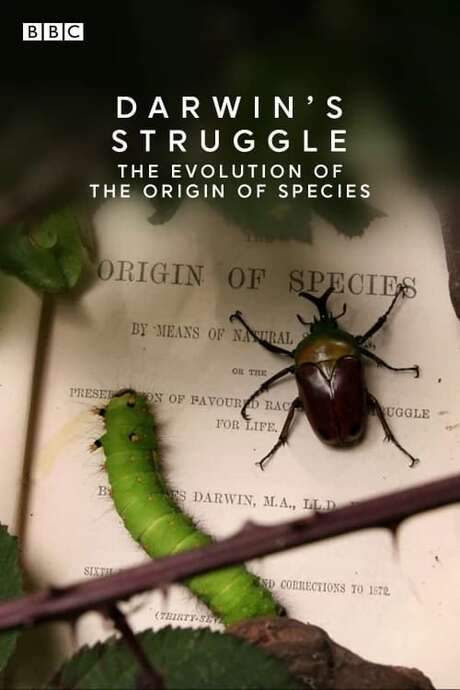 Darwin’s Struggle: The Evolution of the Origin of Species 2009
 -
 Charles Darwin and the Tree of Life 2009
 -
 Darwin’s Dangerous Idea 2009
 -
 Darwin’s Secret Notebooks 2009
 -
 Inherit the Wind 1960
 -
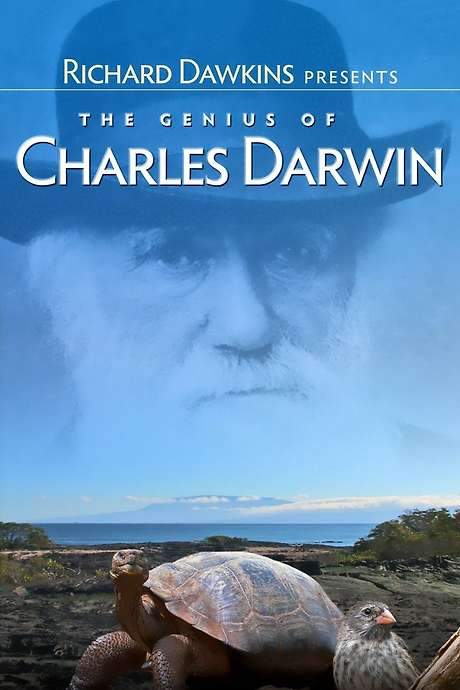 The Genius of Charles Darwin 2008
 -
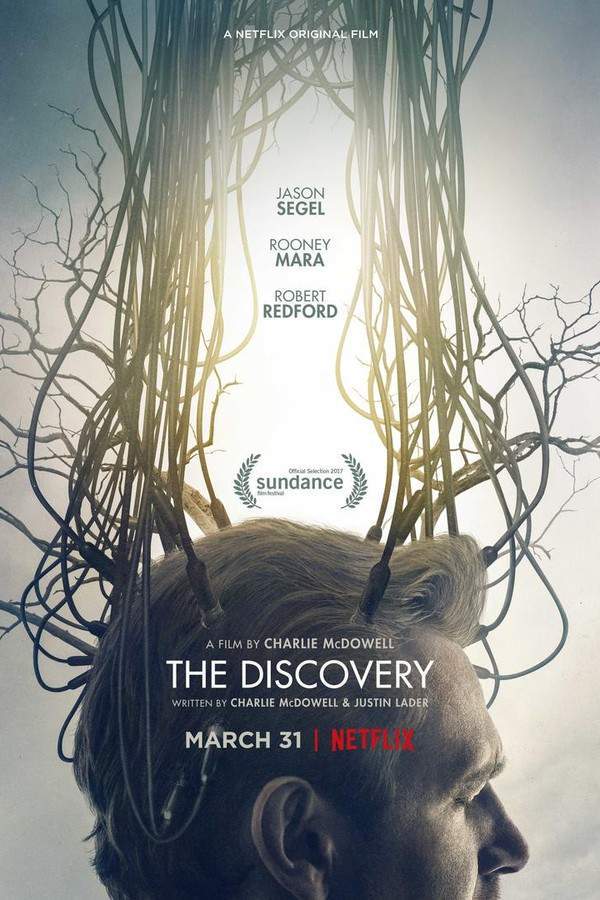 The Discovery 2017
 -
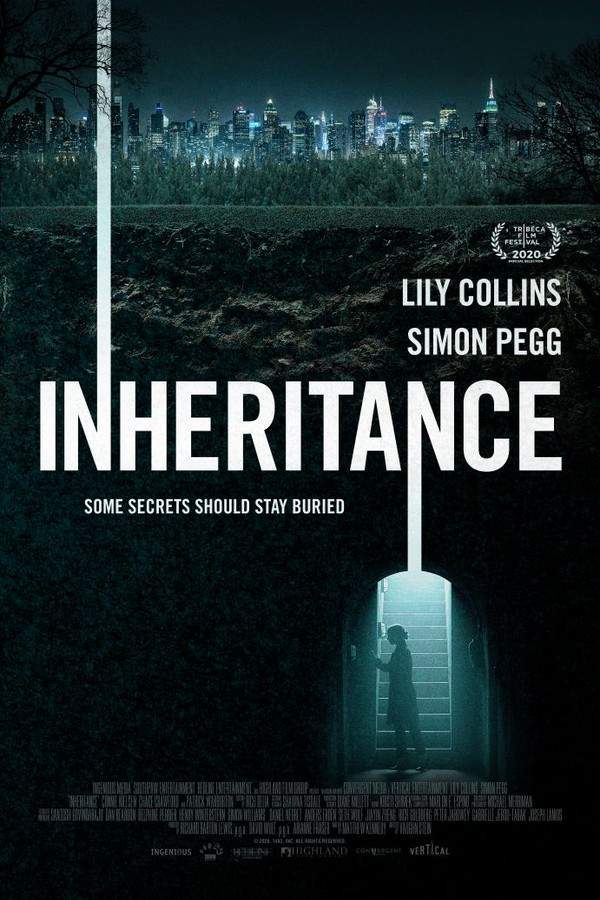 Inheritance 2017
 -
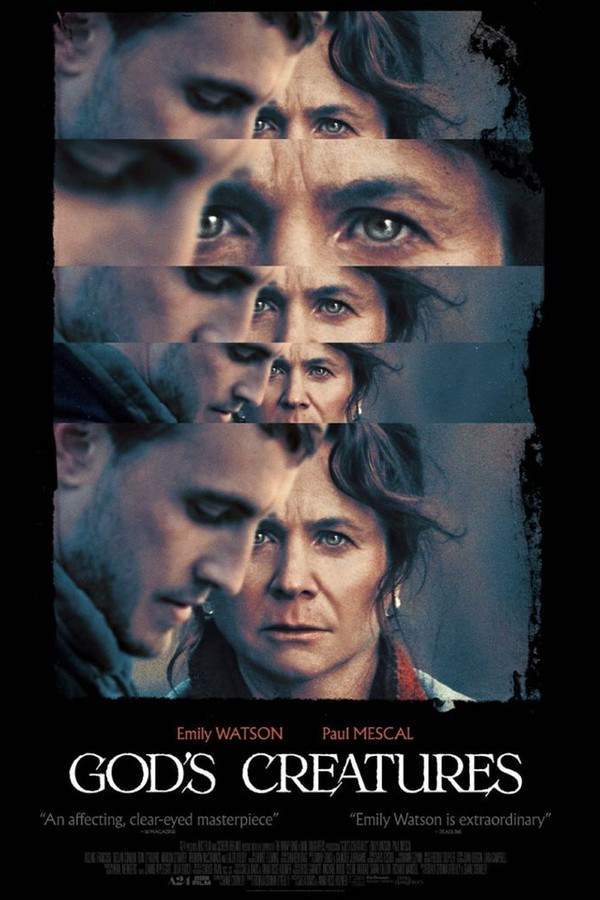 God's Creatures 2022
 -
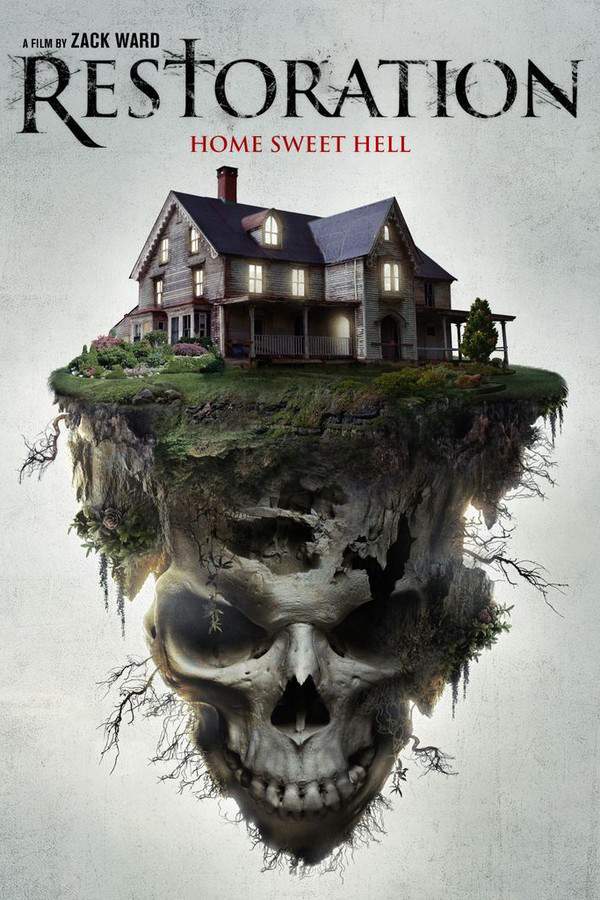 Restoration 1996
 -
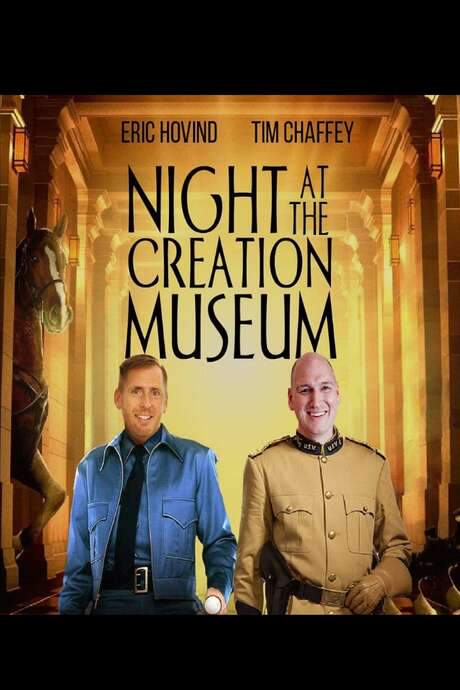 Night at the Creation Museum 2021
Creation FAQ: Where to Watch, Cast & Box Office
Runtime, release date, director, cast, where to watch, box office, ratings and post-credit scenes of Creation, each answered in a sentence.
How long is Creation?
Creation runs 1 hour 48 minutes (108 minutes).
When was Creation released?
Creation was released on January 22, 2010.
Who directed Creation?
Creation was directed by Jon Amiel.
More films by Jon Amiel Who is in the cast of Creation?
Creation stars Jennifer Connelly and Paul Bettany.
Where can I watch Creation?
In the US, Creation is streaming on Amazon Prime Video, Hoopla and Kanopy and available to rent or buy on Amazon Video, Apple TV Store and Fandango At Home (availability from JustWatch).
How much did Creation make at the box office?
Creation grossed $2.1 million worldwide ($341,323 domestic, $1.7 million international).
How is Creation rated?
Creation has 47% on Rotten Tomatoes, 51 on Metacritic and 64% on TMDB.
Does Creation have a post-credit scene?
No. Creation has no extra scene during or after the credits.
Coming soon to your phone
The Plot Explained Movie Summary App
From blockbusters to hidden gems: plot summaries, endings explained and timelines on your phone. Save your favorites and never miss a twist again.
Be the first to know when it launches. Your email stays private, always. Learn more about the app
