Conflagration 1958

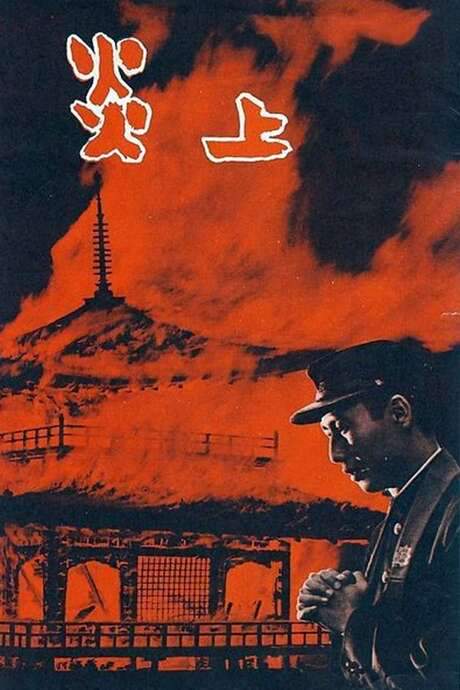
Learning of his family’s collapse, acolyte Goichi, sent to study silently at the Temple of the Golden Pavilion, must endure acute psychological distress.


Does Conflagration have end credit scenes?
No!
Conflagration does not have end credit scenes. You can leave when the credits roll.
Where to Watch Conflagration
See current US streaming, rental, and purchase options for Conflagration (1958) via JustWatch.

Streaming availability powered by 
Meet the Full Cast and Actors of Conflagration
Explore the complete cast of Conflagration, including both lead and supporting actors. Learn who plays each character, discover their past roles and achievements, and find out what makes this ensemble cast stand out in the world of film and television.

Tamao Nakamura
Woman at Gobancho

Tanie Kitabayashi
Aki, Goichi's mother
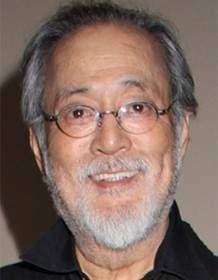
Tatsuya Nakadai
Tokari
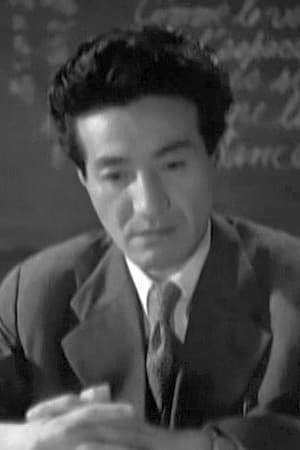
Kinzô Shin

Michiyo Aratama
Mistress of the floral art
Jun Hamamura
Goichi's Father
Saburo Date
Police detective A
Yūji Hamada
Ganjirō Nakamura II
Tayama Dosen
Keiko Koyanagi
Woman on the street
Ryōsuke Kagawa
Priest Zenkai
Yasuhiko Shima
Sumao Ishihara
Hiroshi Ueda
Man in suit
Raizō Ichikawa
Goichi Mizoguchi
Sentarô Godai
Young man
Kanae Kobayashi
Jun Fujikawa
Yūsaku Terashima
Kōichi Mizuhara
Prosecutor
Takashi Hata
Yoichi Funaki
Tsurukawa
Shirō Osaki
Yōko Uraji
Takeo Inoue
Akio Miyata
Kazuo Nishizaka
Taiju Yamamoto
External Links and Streaming Options
Discover where to watch Conflagration online, including streaming platforms, rental options, and official sources. Compare reviews, ratings, and in-depth movie information across sites like IMDb, TMDb, Wikipedia or JustWatch.





Take the Ultimate Conflagration Movie Quiz
Challenge your knowledge of Conflagration with this fun and interactive movie quiz. Test yourself on key plot points, iconic characters, hidden details, and memorable moments to see how well you really know the film.
Conflagration (1958) Quiz: Test your knowledge of the 1958 Japanese film Conflagration, covering its characters, plot points, and thematic elements.
What is the name of the young Buddhist acolyte who sets fire to the Shukaku Pavilion?
Full Plot Summary and Ending Explained for Conflagration
Read the complete plot summary of Conflagration, including all major events, twists, and the full ending explained in detail. Explore key characters, themes, hidden meanings, and everything you need to understand the story from beginning to end.
Goichi Mizoguchi, Raizō Ichikikawa? Wait—correction: I’ll use the exact slug from your cast list. Goichi Mizoguchi, Raizō Ichikawa, a young Buddhist acolyte, is interrogated after setting fire to Kyoto’s Shukaku Pavilion during and shortly after World War II. He answers only with silence as investigators press for details, the weight of his actions hanging in the cold air of the station.
A flashback unfolds, showing Goichi arriving at the Soen Temple with a letter of introduction from his deceased father, Jun Hamamura, a monk at the Kan’ei-ji Temple and a trusted friend of the high priest, Tayama Dosen. The elder man’s belief that the Golden Pavilion is the most beautiful thing in the world echoes in Goichi’s memory as he recalls being mocked for his stutter and witnessing his mother’s adultery, memories that haunt him with a growing sense of guilt and confusion.
During a visit, his mother, Tanie Kitabayashi, voices a powerful wish: that he might one day become the head priest of the temple. Yet Goichi doubts such a future, fearing the pull of a draft that could pull him away from his sacred path. The tension between duty, faith, and personal history threads through his thoughts as he moves between reverence for the temples and the harsher realities of the world outside.
One weekend at a popular tourist site, Goichi observes a pregnant woman with a visiting American soldier. The woman tries to enter the pavilion, but in a moment of fear and confusion, he pushes her down the stairs, and she miscarriages. He confesses the deed to Tayama Dosen, who already seems to know of the transgression and has paid off the woman to keep the secret hidden, a detail that unsettles Goichi even more. This admission deepens the rift between Goichi and the temple’s power structures, casting a shadow over his sense of belonging.
Another memory surfaces: Togari, a man with a crippled leg, discusses Goichi’s academic decline at Kotani University and his enduring love for ancient temples. Togari shadows Goichi into monastic life, and Ranko, a geisha, tends to his leg, adding a complicated layer to Goichi’s sense of loyalty and desire. Later, on a different night, Goichi spies Tayama Dosen in the company of a woman, a discovery that strains his trust further and feeds his mounting disillusionment.
During a scripture reading, the kōan of Nanquan and the cat—the tale of east and west halls fighting over a stray kitten—becomes a parable that weighs on Goichi. Nanquan’s extreme resolution—beheading the cat—echoes in the tension around power, discipline, and mercy that permeates the temple. After the reading, Goichi discovers a pin-up photo of a geisha tucked inside Tayama’s study book, a discovery that shakes him further. He confronts the priest, who withdraws his consideration of Goichi’s succession. In response, Goichi asserts that his stutter makes him unsuitable to be a monk, but Tayama counters that he is, in fact, twisted—an accusation that gnaws at him as he grapples with his identity and calling.
Desperation leads Goichi to purchase a knife and sedatives; Togari lends him ¥3,000, though he cannot repay it in time. Tayama partially repays the loan, a small mercy that sits uneasily alongside the larger betrayals Goichi senses. The memories also bring back his father’s funeral and cremation. Back at the pavilion, a police officer suspects Goichi of suicidal intent, and his mother chastises him for such thoughts. In the room, Togari’s voice condemns Goichi’s disillusionment and accuses Tayama of selling access to the pavilion for money, an admission that underscores the corruption Goichi despises. An ikebana teacher—who once had a relationship with Togari—overhears the confession and smashes a vase in anger, a symbolic act that shatters the fragile order the monastery tries to maintain.
Feeling misunderstood and increasingly alienated from the monks’ secular behavior, Goichi ultimately sets fire to the pavilion. In the present, detectives return him to the smoking remains of the temple, a grim echo of the past. During the transfer to prison, Goichi makes one final, fatal choice and throws himself from a moving train, sealing his fate with a dramatic act that mirrors the burning pavilion he set years before.
The film unfolds with quiet, austere detail, balancing memory and present danger as a singular, troubled young man confronts the contradictions of faith, duty, and the world outside the temple walls. The story lingers on the tension between revered tradition and the often messy realities of human desire and guilt, inviting viewers to ponder where responsibility ends and mercy begins in a life shadowed by tragedy.

Coming soon on iOS and Android
The Plot Explained Mobile App
From blockbusters to hidden gems — dive into movie stories anytime, anywhere. Save your favorites, discover plots faster, and never miss a twist again.
Sign up to be the first to know when we launch. Your email stays private — always.
Explore the mobile appDiscover Film Music Concerts Near You – Live Orchestras Performing Iconic Movie Soundtracks
Immerse yourself in the magic of cinema with live orchestral performances of your favorite film scores. From sweeping Hollywood blockbusters and animated classics to epic fantasy soundtracks, our curated listings connect you to upcoming film music events worldwide.
Explore concert film screenings paired with full orchestra concerts, read detailed event information, and secure your tickets for unforgettable evenings celebrating legendary composers like John Williams, Hans Zimmer, and more.


Conflagration Themes and Keywords
Discover the central themes, ideas, and keywords that define the movie’s story, tone, and message. Analyze the film’s deeper meanings, genre influences, and recurring concepts.
Conflagration Other Names and Titles
Explore the various alternative titles, translations, and other names used for Conflagration across different regions and languages. Understand how the film is marketed and recognized worldwide.
Similar Movies To Conflagration You Should Know About
Browse a curated list of movies similar in genre, tone, characters, or story structure. Discover new titles like the one you're watching, perfect for fans of related plots, vibes, or cinematic styles.






Quick Links: Summary, Cast, Ratings, More

What's After the Movie?
Not sure whether to stay after the credits? Find out!
Check out our other apps:

SAT Sphere
Build confidence for the Digital SAT.

Mori Atlas
Discover wild places worth protecting.

Luntero
Search smarter for a home in Amsterdam.

Plot Explained
Unravel movie endings and hidden clues.

Pokechamp
Dive into Pokémon data and battle logic.

Driving Theory
Get ready for your European theory test.

Movie Dust
Plan your next cinema trip with ease.

Musemap
Find art and culture as you travel.

Selkobase
Compare credentials before committing.

Local Manual
Turn an unfamiliar country into practical next steps.

Lernavi
Compare school systems before your next move.

GymRoam
Find a workout stop wherever your plans take you.
Explore Our Movie Platform
New Movie Releases (2026)
Famous Movie Actors
Top Film Production Studios
Movie Plot Summaries & Endings
Major Movie Awards & Winners
Best Concert Films & Music Documentaries
Movie Collections and Curated Lists
© 2026 What's After the Movie. All rights reserved.
Privacy Policy