
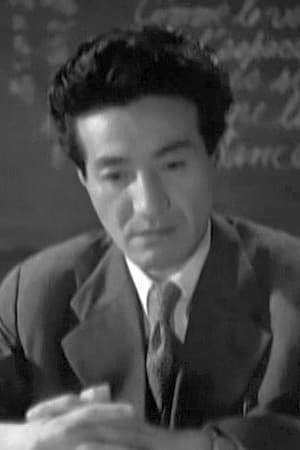
Kinzô Shin: Movies & Box Office
- films
- 32
- on screen
- 1950–1981
- box office
- $13.9K
- Born
- July 9, 1910
- Birthplace
- Tokyo, Japan
- Full name
- Kinzō
- Citizenship
- Japanese
- Occupations
- Actor
- Years active
- 1930-1988
- Spouses
- Ranko Akagi
Kinzô Shin's Career in Numbers
Kinzô Shin's films in numbers — as an actor, not counting appearances as themselves: when they were made, the genres Kinzô Shin works in most and the milestones along the way. The filmography runs from Listen to the Voices of the Sea (1950) to Willful Murder (1981), and the 1950s were the busiest decade.
Kinzô Shin Movies by Decade
- 1950s 16
- 1960s 11
- 1970s 4
- 1980s 1
The 1950s were Kinzô Shin's busiest decade, with 16 films.
Kinzô Shin Movies by Genre
- Drama 20
- War 3
- Thriller 3
- Action 2
- Mystery 1
- Romance 1
- Family 1
- Crime 1
Drama is the genre Kinzô Shin has worked in most, with 20 films, ahead of war (3).
Kinzô Shin Career Milestones
- First film
- Listen to the Voices of the Sea 1950
- Biggest box office hit
- Princess Yang Kwei-fei $9.4K worldwide
- Newest film
- Willful Murder 1981
Kinzô Shin Filmography: Every Movie
Every film Kinzô Shin is credited on, newest first, with the role, the box office and the Movie Echo Score. Re-order the list to see the best-rated films or the biggest hits first.
- 1981
 Willful Murder Drama
 - 1974
 Sandakan No. 8 as Sanetaka Ichijo · War
 - 1974
 The Castle of Sand as Linguistics Professor Kuwabara · Drama
 - 1972
 Tokyo Twilight Drama
 - 1972
 The Long Darkness as Shino's father · Drama
 - 1969
 Shinsengumi: Assassins of Honor as Honmeido · Action
 - 1968
 The Man Without a Map as Coffee Shop Owner · Mystery
 - 1968
 The Sands of Kurobe Drama
 - 1966
 Captive’s Island Thriller
 - 1964
 The Flame of Devotion Romance
 - 1964
 Revenge as Nishida Saburobei · Thriller
 - 1964
 Flora on the Sand Drama
 - 1963
 Kanto Wanderer as Udebun · Drama
 - 1963
 Youth of the Beast as Shinsuke Onodera · Thriller
 - 1962
 The Inheritance as Ishimoda · Drama
 - 1960
 The Sleeping Beast Within as Ide · Action
 - 1959
 The Makioka Sisters Drama
 - 1958
 The Snowy Heron Drama
 - 1958
 Conflagration Drama
 - 1958
 Giants and Toys as Kohei Yashiro · Drama
 - 1957
 On This Earth as Satomiya - teacher · Drama
 - 1957
 But the Flesh is Weak as Makita · Family
 - 1957
 Secret of Naruto Drama
 - 1957
 Tokyo Twilight as Yasuo Numata · Drama Worldwide box office: $4.46K
 - 1956
 The Thick-Walled Room as Kawanishi · War
 - 1955
 The Wolves Crime
 - 1955
 Princess Yang Kwei-fei as Servant · Drama Worldwide box office: $9.4K
 - 1954
 The Ditch Drama
 - 1954
 The Golden Demon as Shigisawa · Drama
 - 1953
 Hiroshima Drama
 - 1953
 Tower of Lilies Drama
 - 1950
 Listen to the Voices of the Sea War
Who Is Kinzô Shin?
Kinzô Shin was born in Tokyo, Japan in 1910. Credited on films since 1950, as an actor. The background, training and the roles that shaped the career.
Kinzō Shin (1910-07-09 – 1988-12-26) was a prolific Japanese stage and film actor whose career spanned more than five decades, making him a cornerstone of post-war Japanese cinema. Born in Tokyo to a modest family, he completed his education at the Tokyo Prefectural First Commercial School before immersing himself in the vibrant left-wing theatre scene of the early 1930s, first joining the Toho Sayoku Gekijo and later co-founding the influential Shinkyo Gekidan. The forced dissolution of Shinkyo by government authorities did not deter him; instead he cofounded the Mizuho Gekidan with Jūkichi Uno and other artists, demonstrating a resilient commitment to experimental performance. After the upheavals of World War II, Shin continued his theatrical pursuits with the Mingei Theatre Company and the Haiyuza Theatre Company, where his powerful presence earned him respect among peers and critics alike. Though his early cinematic appearances were sporadic, the late 1940s marked a turning point as he began to feature regularly in films, collaborating with such legendary directors as Masaki Kobayashi, Kon Ichikawa, Kaneto Shindō, Tadashi Imai and Yasuzō Masumura. Notable screen credits include Listen to the Voices of the Sea (1950), The Thick-Walled Room (1953, released 1956), Dobu (1954), Tokyo Twilight (1957) and Castle of Sand (1974), each role showcasing his ability to convey nuanced emotion with understated intensity. On television, Shin became a familiar face from the mid-1950s onward, further cementing his status as a versatile performer who could transition seamlessly between stage, film and small-screen formats. His marriage to actress Ranko Akagi provided a personal anchor amid a demanding professional life, though the couple kept their family affairs private. By the time of his death in late 1988, Kinzō Shin had appeared in over eighty films, leaving an indelible legacy that continues to influence contemporary Japanese actors and directors.
Who Kinzô Shin Makes Movies With
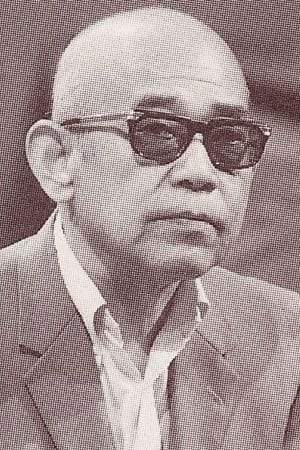
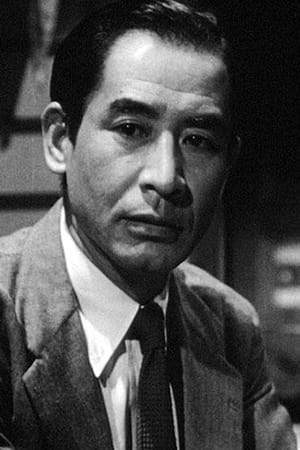
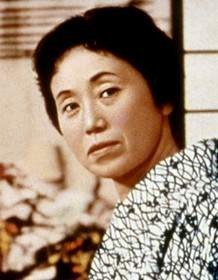
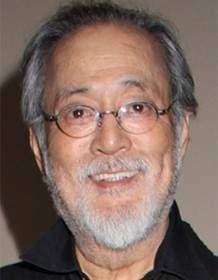
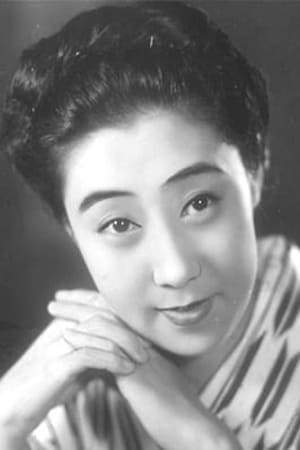
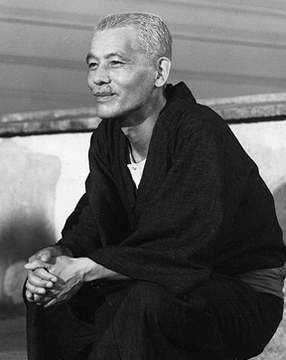
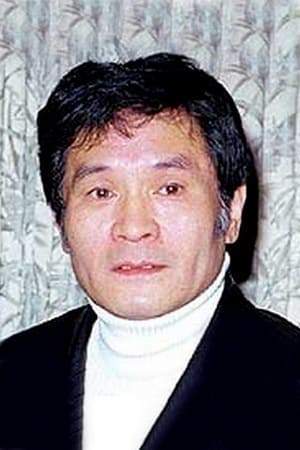
The actors and directors Kinzô Shin shares the most films with. Taiji Tonoyama comes first, with 7 films together, followed by Sô Yamamura (5).

Kinzô Shin: Questions & Answers
How many movies Kinzô Shin has made, the biggest hit, the best-rated film, the award record and more, answered from the filmography above.
How many movies has Kinzô Shin been in?
Kinzô Shin is credited on 32 films, from 1950 to 1981. The filmography on this page lists every one of them, newest first, with the role and the Movie Echo Score.
What is Kinzô Shin's highest-grossing movie?
Princess Yang Kwei-fei (1955) is Kinzô Shin's biggest box office hit, with $9.4K worldwide, ahead of Tokyo Twilight (1957) ($4.46K). Across every film with box office figures, Kinzô Shin's movies have made $13.9K.
Kinzô Shin's biggest hits What is Kinzô Shin's newest movie?
The most recent film on Kinzô Shin's filmography is Willful Murder (1981).
Who does Kinzô Shin work with most often?
Kinzô Shin shares the most films with Taiji Tonoyama (7 films), Sô Yamamura (5 films) and Haruko Sugimura (4 films).
The Best Kinzô Shin Movies, Ranked
Top rated, most awarded and biggest box office hits from 32 credits.
Coming soon to your phone
The Plot Explained Movie Summary App
From blockbusters to hidden gems: plot summaries, endings explained and timelines on your phone. Save your favorites and never miss a twist again.
Be the first to know when it launches. Your email stays private, always. Learn more about the app
