
Caniba (2018): Cast & Ratings
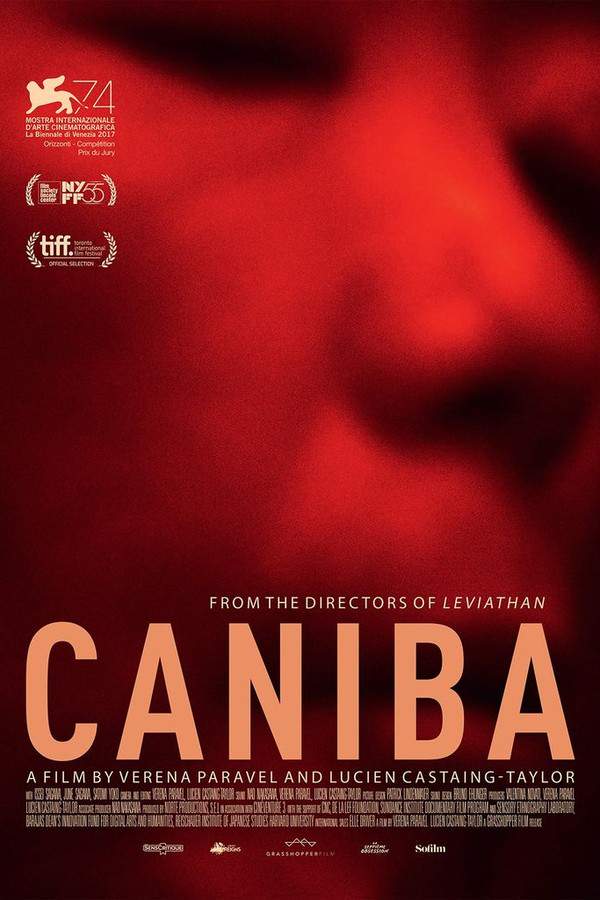
Caniba is a 2018 documentary directed by Lucien Castaing-Taylor and Verena Paravel, starring Issei Sagawa and Jun Sagawa. It runs 1 hour 32 minutes. Critics gave it 58% on Rotten Tomatoes and 61 on Metacritic, and IMDb users rate it 5.6/10.
- Released
- Runtime
- 1h 32m (92 min)
- Directors
- Lucien Castaing-Taylor and Verena Paravel
- Genre
- Documentary
- Original language
-
 Japanese
 - Studio
- Grasshopper Film
- After the credits
- No No extra scene
What Is Caniba About?
The premise of Caniba without spoilers.
This documentary explores the disturbing obsession of Issei Sagawa with cannibalism, focusing on his relationship with his brother, Jun. It delves into the events surrounding Sagawa's 1981 arrest for the murder and consumption of his classmate, Renée Hartevelt. The film examines the unsettling circumstances of the crime and attempts to understand the psychology behind this shocking act.
Caniba Themes & Keywords
· 9 tags- desire
- cannibal
- cannibalism
- insanity
- murderer
- brother brother relationship
- close up
- masochism
- archive footage
Caniba Cast
Issei Sagawa leads the cast, with Jun Sagawa. Directed by Lucien Castaing-Taylor and Verena Paravel.
-
 Co-director Lucien Castaing-Taylor
 - Co-director Verena Paravel
- Issei Sagawa as themselves
- Jun Sagawa as themselves
Caniba Reviews & Ratings
Critics gave Caniba 58% on Rotten Tomatoes and 61 on Metacritic, and IMDb users rate it 5.6/10. Our Echo Score gives it 59/100, strongest in art & craft (75) and weakest in rewatch factor (40).
Caniba Echo Score Breakdown
Reception of Caniba is mixed, with critics commending its bold formal experimentation and immersive cinematography while noting its demanding emotional distance. Observers frequently mention the discomfiting close-up camerawork that stimulates visceral reactions, but some find the subject repellent and struggle to connect. The measured pacing and strategic silences foster contemplation but also disrupt narrative flow and tension. Ultimately, Caniba presents a provocative sensory documentary that divides audiences on its unsettling and challenging approach.
Our own 0–100 rating, built from five aspects: art, character, story, the sensory experience and how well a film rewatches.
- Art & Craft 75
In terms of art and craft, Caniba excels through its immersive cinematography and disciplined directorial vision. Reviewers note the precise close-up framing and deliberate editing choices that heighten disorientation and immersion. Formal experimentation in camera movement and production design reinforces the film’s anthropological intent. Net effect: a distinctive visual approach that both captivates and unsettles viewers.
- Character & Emotion 50
When it comes to character depth and emotional resonance, the film offers an intimate but challenging encounter. The close-up focus on Sagawa delivers raw insight into his persona, yet many critics describe him as repellent and find limited empathic connection. The directors’ restraint in interpretation yields ambiguity but also restricts emotional engagement. Overall, character impact remains divisive.
- Story & Flow 60
Regarding story and flow, Caniba adopts an unconventional structure that emphasizes lingering observation over narrative arc. The measured pacing and sparse exposition allow moments of reflection but can hinder momentum and suspense. While formal experimentation contributes to originality, some viewers report a lack of cohesion and broader thematic context. In net terms, the narrative remains engaging yet uneven.
- Sensory Experience 70
In terms of sensory experience, Caniba immerses viewers with its stark sound design, unsettling silences, and vivid close-up imagery. Critics praise the film for eliciting visceral reactions through meticulous audio-visual layering. However, intermittent quiet stretches occasionally diminish tension, and the austere aesthetic may feel alienating. Overall, the sensory approach is striking and provocatively immersive.
- Rewatch Factor 40
On rewatch factor, Caniba’s provocative imagery and experimental style offer limited replay value for many viewers. The intense focus on discomfort and minimal narrative development may lose impact on subsequent viewings. While its distinctive approach retains academic or artistic interest, general audiences are unlikely to revisit the film frequently. Rewatch appeal remains modest.
-
 IMDb
IMDb 5.6 /10
See on IMDb -
 Rotten Tomatoes
 58% Tomatometer
Popcornmeter 40%
See on Rotten Tomatoes -
 Metacritic
 61 Metascore
See on Metacritic -
 TMDB
TMDB 56% User score
See on TMDB -
 Letterboxd
 3.2 /5
3 ratings
See on Letterboxd
Caniba Also Known As
4 alternative titles, including “食人錄” and “Kaniba”.
- Also known as
-
- 食人錄
- Kaniba
- 食人录
- 카니바
Seen Caniba?
Movies Like Caniba
Films with a similar story, tone or audience, including The Cannibal That Walked Free, Issei Sagawa: Excuse Me For Living and The Cannibal Next Door.
-
 The Cannibal That Walked Free 2007
 -
 Issei Sagawa: Excuse Me For Living 1993
 -
 The Cannibal Next Door 2023
 -
 Cannibal Holocaust 1980
 -
 Cannibal: The Corpse Eater 2004
 -
 The Cannibal Man 1972
 -
 Searching for Cannibal Holocaust 2021
 -
 Cannibal 2014
 -
 Cannibal Sacrifice 2004
 -
 American Cannibal: The Road to Reality 2007
 -
 Keep the River on Your Right: A Modern Cannibal Tale 2001
 -
 Cannibal Terror 1980
Caniba FAQ: Cast, Runtime & Release Date
Runtime, release date, director, cast, ratings, post-credit scenes and language of Caniba, each answered in a sentence.
How long is Caniba?
Caniba runs 1 hour 32 minutes (92 minutes).
When was Caniba released?
Caniba was released on October 19, 2018.
Who directed Caniba?
Caniba was directed by Lucien Castaing-Taylor and Verena Paravel.
More films by Lucien Castaing-Taylor Who is in the cast of Caniba?
Caniba stars Issei Sagawa and Jun Sagawa.
How is Caniba rated?
Caniba has 5.6/10 on IMDb, 58% on Rotten Tomatoes, 61 on Metacritic and 56% on TMDB.
Does Caniba have a post-credit scene?
No. Caniba has no extra scene during or after the credits.
What language is Caniba in?
The original language of Caniba is Japanese.
Coming soon to your phone
The Plot Explained Movie Summary App
From blockbusters to hidden gems: plot summaries, endings explained and timelines on your phone. Save your favorites and never miss a twist again.
Be the first to know when it launches. Your email stays private, always. Learn more about the app
