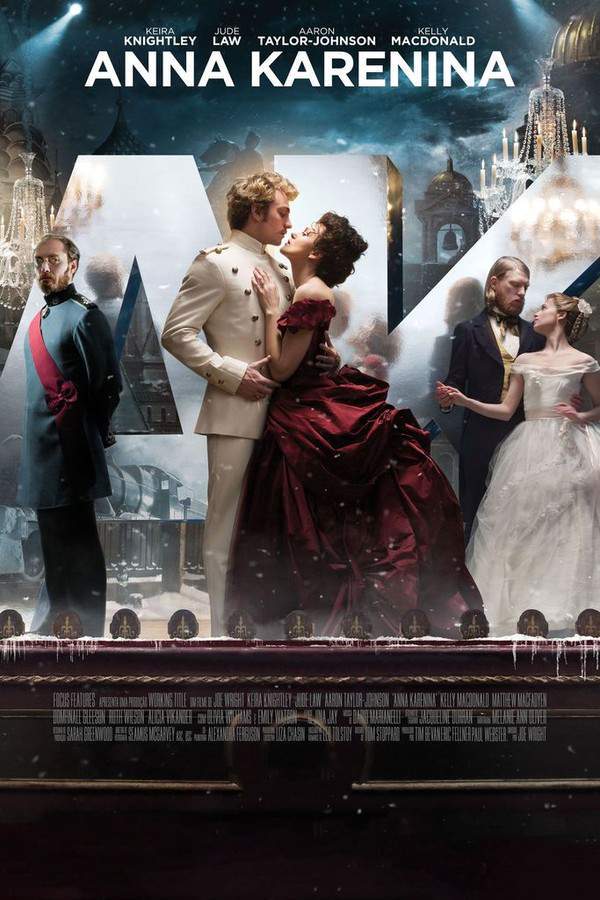
Anna Karenina 1997


In the opulent circles of 19th‑century St. Petersburg, Anna Karenina, the wife of a Russian imperial minister, follows her heart and embarks on a passionate affair with the dashing cavalry officer Count Vronsky, igniting a scandal that threatens her marriage, reputation, and place in high society.

Does Anna Karenina have end credit scenes?
No!
Anna Karenina does not have end credit scenes. You can leave when the credits roll.
Meet the Full Cast and Actors of Anna Karenina
Explore the complete cast of Anna Karenina, including both lead and supporting actors. Learn who plays each character, discover their past roles and achievements, and find out what makes this ensemble cast stand out in the world of film and television.
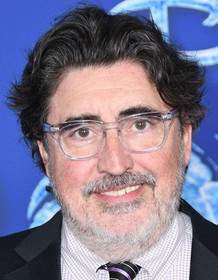
Alfred Molina
Levin
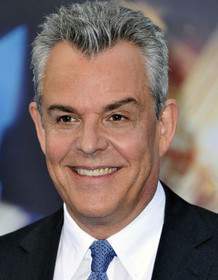
Danny Huston
Stiva
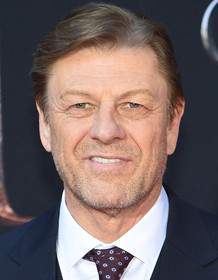
Sean Bean
Vronsky
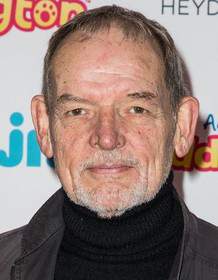
David Schofield
Nikolai
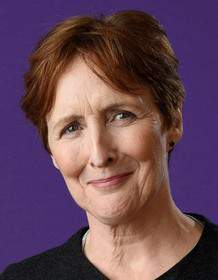
Fiona Shaw
Lydia

Niall Buggy
Doctor
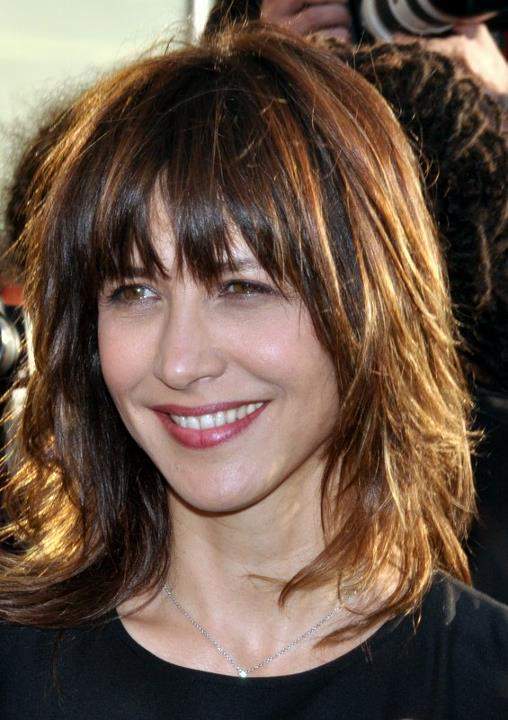
Sophie Marceau
Anna Karenina

James Fox
Karenin
Anthony Calf
Serpuliovskoy
Vernon Dobtcheff
Pestov
Mia Kirshner
Kitty
Justine Waddell
Countess Nordston
Phyllida Law
Vronskaya
Jeremy Sheffield
Boris
Anna Calder-Marshall
Princess Schcherbatksy
Kseniya Rappoport
Maria (uncredited)
Jennifer Hall
Betsy
Tatyana Zakharova
Midwife
Valeriy Kukhareshin
Specialist Doctor
Larissa Kouznetsova
Agatha
Ludmila Kurepova
Sorokina
Konstantin Lukashov
Moscow Railway Worker
Nora Gryakalova
Myagkaya
Sergei Parshin
Doctor's Doorman
German Maksimov
Priest
Gelena Ivlieva
Lizaveta
Igor Efimov
Servant
Stefan Gryff
Korunsky
Petr Shelokhonov
Kapitonich
Valerie Braddell
Ambassador's Wife
Saskia Wickham
Dolly
Barbara Horne
Miss Edwards
Vadim Sadovnikov
Inn Priest
Hamish Falconer
Seriozha
Mikhail Khmelyov
Mahotin
Yuliya Krasnova
Annushka
Sergei Shcherbin
Korney
Oleg Kosminsky
Titus
Victor Gurianov
Peasant
Aleksandra Lavrova
Young Anna
Lisa Rhyne
Nurse (uncredited)
External Links and Streaming Options
Discover where to watch Anna Karenina online, including streaming platforms, rental options, and official sources. Compare reviews, ratings, and in-depth movie information across sites like IMDb, TMDb, Wikipedia or Box Office Mojo.





Take the Ultimate Anna Karenina Movie Quiz
Challenge your knowledge of Anna Karenina with this fun and interactive movie quiz. Test yourself on key plot points, iconic characters, hidden details, and memorable moments to see how well you really know the film.
Anna Karenina (1997) Quiz: Test your knowledge of the 1997 film adaptation of Anna Karenina, covering characters, actors, and key plot events.
Who portrays Anna Karenina in the 1997 film?
Full Plot Summary and Ending Explained for Anna Karenina
Read the complete plot summary of Anna Karenina, including all major events, twists, and the full ending explained in detail. Explore key characters, themes, hidden meanings, and everything you need to understand the story from beginning to end.
Anna Karenina, Sophie Marceau is the young and elegant wife of a wealthy Russian nobleman, twenty years her senior, and she carries a quiet discontent that centers on their son Seriozha. At a lavish Moscow ball, she encounters the dashing Count Alexei Vronsky, Sean Bean, whose immediate attraction to her unsettles the rigid expectations of their world. Vronsky follows her to St. Petersburg, pursuing her openly with a blend of charm and audacity, and Anna finds herself drawn into a forbidden romance she had never anticipated.
As the affair deepens, they savor a fragile happiness together, but it is tested by pain and consequence. Anna miscarries Vronsky’s child, a blow that shatters the careful veneer of their daring liaison. Karenin, though wounded, is moved by her distress and momentarily forgives the suffering she endures. Yet the social fabric surrounding them is unforgiving, and Anna makes the painful choice to leave her husband for Vronsky, inviting scandal and scrutiny from a society that prizes propriety above all.
Anna seeks a divorce through family channels, enlisting her brother’s help, while Karenin—under the corrosive influence of Countess Lydia Ivanovna, Fiona Shaw—refuses to grant it and denies her access to Seriozha. The loss of her son compounds Anna’s despair, and she spirals into depression, turning to laudanum as a quiet, private escape. In the wake of these trials, she bears another child with Vronsky, yet the couple remains pulled between a passionate love and the weight of societal judgment that tempts them to pursue a more conventional life apart from the scandal.
Haunted by fear of losing Vronsky to a more respectable marriage, Anna grows increasingly unsettled and suspicious. She believes the relationship may be doomed to fail as society’s gaze grows harsher. Driven by despair, she makes a drastic decision and goes to the railway station, where she takes her own life by leaping in front of a moving train, an act that sends shockwaves through everyone who loved and feared for her.
Vronsky’s grief over Anna’s death leaves him shaken and searching for meaning. He volunteers for a dangerous mission in the Balkan War, a bid to prove his courage and salvage some sense of purpose. At a train station in the midst of this turmoil, he encounters Levin, Alfred Molina, a man who has already seen life’s complexities through a quieter, steadier path. Levin has married the woman who once captured Vronsky’s own heart—Princess Kitty Shcherbatskaya, Mia Kirshner—a union that unsettles both men as they navigate love, loss, and responsibility.
Levin’s encounter with Vronsky becomes a moment of sober reflection. He urges a reconsideration of life’s value and the endurance that comes from fidelity and family, even as the two men confront the looming possibility that happiness might come from different choices. The conversation lingers, offering a counterpoint to Anna’s impetuous romance and to a life shaped by public opinion rather than private truth. When the moment passes, Levin returns home to his family, continuing a quiet, stubborn search for meaning. He documents the events that have unfolded, and in a final, almost defiant gesture, signs his manuscript with the name “Leo Tolstoy,” a subtle assertion of art’s power to bear witness to human turmoil and resilience.

Coming soon on iOS and Android
The Plot Explained Mobile App
From blockbusters to hidden gems — dive into movie stories anytime, anywhere. Save your favorites, discover plots faster, and never miss a twist again.
Sign up to be the first to know when we launch. Your email stays private — always.
Explore the mobile appWatch Trailers, Clips & Behind-the-Scenes for Anna Karenina
Watch official trailers, exclusive clips, cast interviews, and behind-the-scenes footage from Anna Karenina. Dive deeper into the making of the film, its standout moments, and key production insights.
Anna Karenina Themes and Keywords
Discover the central themes, ideas, and keywords that define the movie’s story, tone, and message. Analyze the film’s deeper meanings, genre influences, and recurring concepts.
Anna Karenina Other Names and Titles
Explore the various alternative titles, translations, and other names used for Anna Karenina across different regions and languages. Understand how the film is marketed and recognized worldwide.
Similar Movies To Anna Karenina You Should Know About
Browse a curated list of movies similar in genre, tone, characters, or story structure. Discover new titles like the one you're watching, perfect for fans of related plots, vibes, or cinematic styles.






Quick Links: Summary, Cast, Ratings, More

What's After the Movie?
Not sure whether to stay after the credits? Find out!
Check out our other apps:

SAT Sphere
Build confidence for the Digital SAT.

Mori Atlas
Discover wild places worth protecting.

Luntero
Search smarter for a home in Amsterdam.

Plot Explained
Unravel movie endings and hidden clues.

Pokechamp
Dive into Pokémon data and battle logic.

Driving Theory
Get ready for your European theory test.

Movie Dust
Plan your next cinema trip with ease.

Musemap
Find art and culture as you travel.

Selkobase
Compare credentials before committing.

Local Manual
Turn an unfamiliar country into practical next steps.

Lernavi
Compare school systems before your next move.

GymRoam
Find a workout stop wherever your plans take you.
Explore Our Movie Platform
New Movie Releases (2026)
Famous Movie Actors
Top Film Production Studios
Movie Plot Summaries & Endings
Major Movie Awards & Winners
Best Concert Films & Music Documentaries
Movie Collections and Curated Lists
© 2026 What's After the Movie. All rights reserved.
Privacy Policy