Anastasia 1956

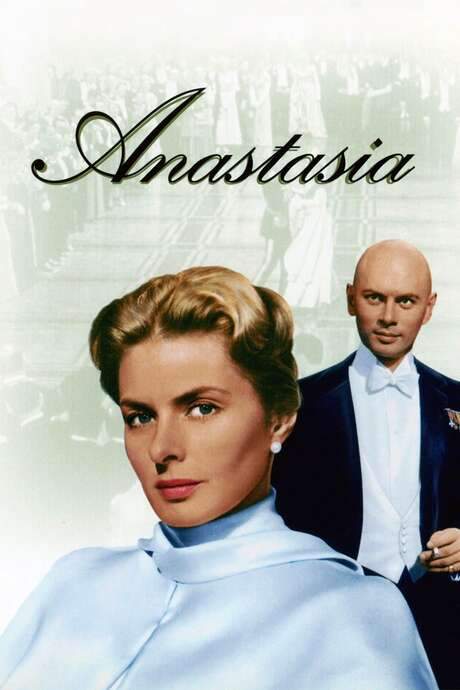
Russian exiles in Paris devise a scheme to steal ten million pounds from the Bank of England by training a impoverished, suicidal young woman to impersonate the lost Russian grand duchess Anastasia. As their instructor Bounin teaches her, he becomes convinced she truly is the heir, forcing the Empress to decide whether to recognize her claim.


Does Anastasia have end credit scenes?
No!
Anastasia does not have end credit scenes. You can leave when the credits roll.
Where to Watch Anastasia
See current US streaming, rental, and purchase options for Anastasia (1956) via JustWatch.







Meet the Full Cast and Actors of Anastasia
Explore the complete cast of Anastasia, including both lead and supporting actors. Learn who plays each character, discover their past roles and achievements, and find out what makes this ensemble cast stand out in the world of film and television.
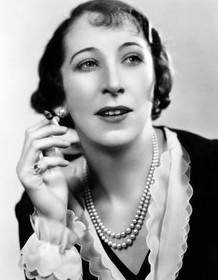
Martita Hunt
Baroness Elena von Livenbaum
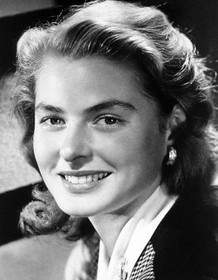
Ingrid Bergman
Anna Koreff / Anastasia
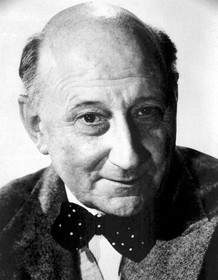
Felix Aylmer
Chamberlain
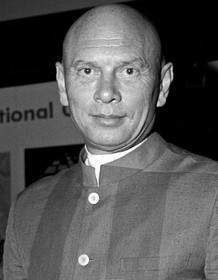
Yul Brynner
General Sergei Pavlovich Bounine
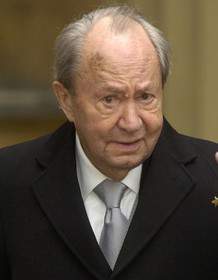
Peter Sallis
Grischa (uncredited)
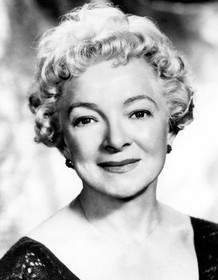
Helen Hayes
Dowager Empress Maria Feodorovna

Ivan Desny
Prince Paul von Haraldberg
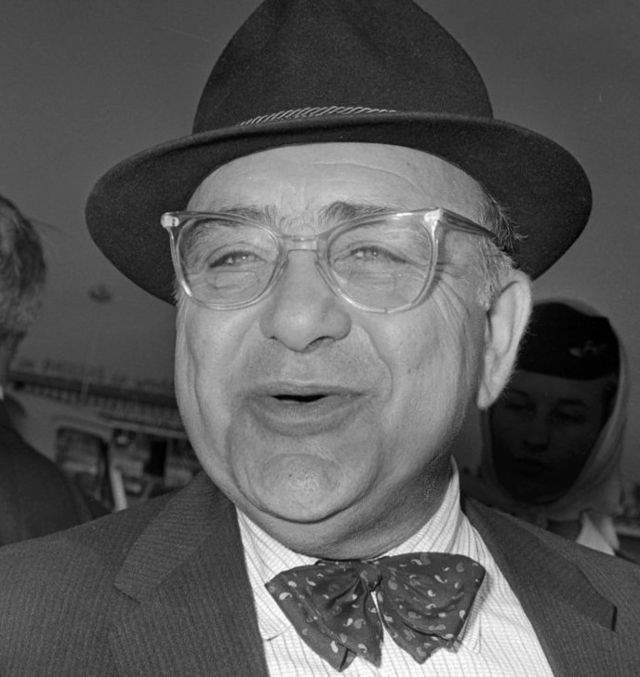
Akim Tamiroff
Boris Adreivich Chernov
Sacha Pitoëff
Piotr Ivanovich Petrovin
Natalie Schafer
Irina Lissemskaia / Nini
Grégoire Gromoff
Stepan
Karl Stepanek
Mikhail Vlados
Katherine Kath
Maxime
Ina De La Haye
Marusia
External Links and Streaming Options
Discover where to watch Anastasia online, including streaming platforms, rental options, and official sources. Compare reviews, ratings, and in-depth movie information across sites like IMDb, TMDb, Wikipedia or JustWatch.





Take the Ultimate Anastasia Movie Quiz
Challenge your knowledge of Anastasia with this fun and interactive movie quiz. Test yourself on key plot points, iconic characters, hidden details, and memorable moments to see how well you really know the film.
Anastasia (1956) Quiz: Test your knowledge of the 1956 film "Anastasia" with these ten questions ranging from easy to difficult.
Which actress portrays Anna Koreff in the film?
Full Plot Summary and Ending Explained for Anastasia
Read the complete plot summary of Anastasia, including all major events, twists, and the full ending explained in detail. Explore key characters, themes, hidden meanings, and everything you need to understand the story from beginning to end.
In 1928 Paris, Anna Koreff Ingrid Bergman, a frail woman who bears a striking resemblance to the legendary Anastasia, becomes the focal point of a carefully staged transformation. The plan is hatched by General Sergei Pavlovich Bounine, a former White Russian officer who now runs a successful Russian-themed nightclub. Though Anna initially resists, she is drawn into a web of identity, memory, and desire as Bounine schemes to present her as the long-lost grand duchess to secure a colossal fortune.
Bounine’s pitch is as much personal as it is financial. He has already funneled funds from stockholders who are eager to claim a £10 million fortune belonging to Czar Nicholas that sits with a British bank, and he insists he has found Anastasia—though privately he concedes the enterprise is a fraud. The stockholders’ eight-day deadline looms, threatening to collapse the whole scheme if he fails to produce the duchess.
To make the ruse convincing, Anna is coached to pass as Anastasia. As the work progresses, a strange bond grows between them, and the lines between performer and performed blur. Across a string of encounters with former courtiers and those who once knew the imperial family, Anna begins to move with a new confidence, her manner shifting from uncertain to dazzlingly poised. Some friends and rivals alike accept the transformation; others refuse to believe it, demanding the credibility of someone who could only be Anastasia.
With time running short, Bounine takes Anna on a nerve-wracking journey to Copenhagen to win over the highly skeptical Dowager Empress Maria Feodorovna, Anna’s supposed grandmother. The Dowager Empress, Helen Hayes, receives the pair with guarded reserve. Initially unmoved, she watches Anna closely, and a pivotal moment comes at a Tchaikovsky ballet, where Anna’s resemblance and demeanor begin to tilt her judgment. The Empress eventually makes an intimate, decisive appraisal, and then, in a private moment, she sees not a mere actress but the echo of her granddaughter. “You have come back, Anastasia!… but, oh please, if it should not be you, don’t ever tell me,” she whispers, though the truth of the matter remains unresolved.
A public confrontation follows. At a high-profile press conference presenting Anna as Anastasia, Mikhail Vlados, a former acquaintance who first met Anna in Bucharest, steps forward to challenge the ruse. Karl Stepanek as Vlados accuses Anna of continuing to use the name Anna Koreff, a claim she acknowledges with a tremor of uncertainty. She recalls being in a train explosion and the possibility of being wounded more than once, suggesting a life tangled in a series of revolutions and memories.
Bounine’s suspicions grow as Anna’s personal ambitions shift. Where she once only yearned to know who she was, she now contemplates marriage to Prince Paul and the accompanying wealth and status. He rebukes her for aiming at both the nobility and the fortune, hinting that her motive has evolved—perhaps beyond their original agreement.
The Danish capital hosts a grand ball where Anna’s engagement to Ivan Desny is to be announced. The Dowager Empress confides in Bounine in private, testing his emotions and the depth of his commitment. Anna and Bounine’s dynamic reaches a fever pitch as the Empress orchestrates a staged encounter in the Green Room, nudging them toward a moment of truth.
When the moment arrives to announce Anastasia, an attendant reveals that Anastasia is nowhere to be found. The Empress checks the Green Room, searches the shadows, and then makes a bold, final pronouncement to the court: “Wasn’t she?… I will say the play is over, go home” — a line that seals the ambiguity at the heart of the film.
Across these twists, the film leaves unsettled the essential question: is Anastasia real, or is she a perfect reflection conjured by memory, longing, and manipulation? The ending refuses a firm answer, inviting lingering doubt about identity, provenance, and the power of belief.
- As the cast deepens the mood and momentum, the crosscurrents of loyalty, love, and the lure of wealth ripple through every scene, from Paris salons to Copenhagen ballrooms. The tale moves with a patient, deliberate rhythm, letting the tension between memory and invention breathe as the characters wrestle with what it means to be seen, to be believed, and to belong.
- In the background, a chorus of figures—Chamberlain Felix Aylmer, Piotr Petrovin Sacha Pitoëff, Marusia Ina De La Haye, and others—shadow the main plot, offering cautionary perspectives on fame, fortune, and the price of a second chance. The film’s lush visuals and restrained drama sustain a tone of measured elegy, even as the question at its center remains unresolved.

Coming soon on iOS and Android
The Plot Explained Mobile App
From blockbusters to hidden gems — dive into movie stories anytime, anywhere. Save your favorites, discover plots faster, and never miss a twist again.
Sign up to be the first to know when we launch. Your email stays private — always.
Explore the mobile appWatch Trailers, Clips & Behind-the-Scenes for Anastasia
Watch official trailers, exclusive clips, cast interviews, and behind-the-scenes footage from Anastasia. Dive deeper into the making of the film, its standout moments, and key production insights.
Anastasia Themes and Keywords
Discover the central themes, ideas, and keywords that define the movie’s story, tone, and message. Analyze the film’s deeper meanings, genre influences, and recurring concepts.
Anastasia Other Names and Titles
Explore the various alternative titles, translations, and other names used for Anastasia across different regions and languages. Understand how the film is marketed and recognized worldwide.
Similar Movies To Anastasia You Should Know About
Browse a curated list of movies similar in genre, tone, characters, or story structure. Discover new titles like the one you're watching, perfect for fans of related plots, vibes, or cinematic styles.
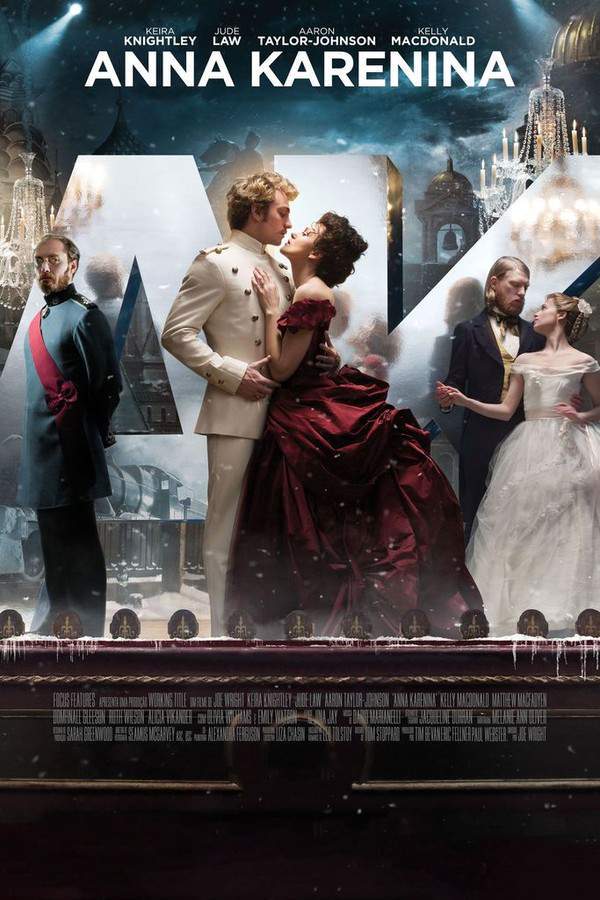
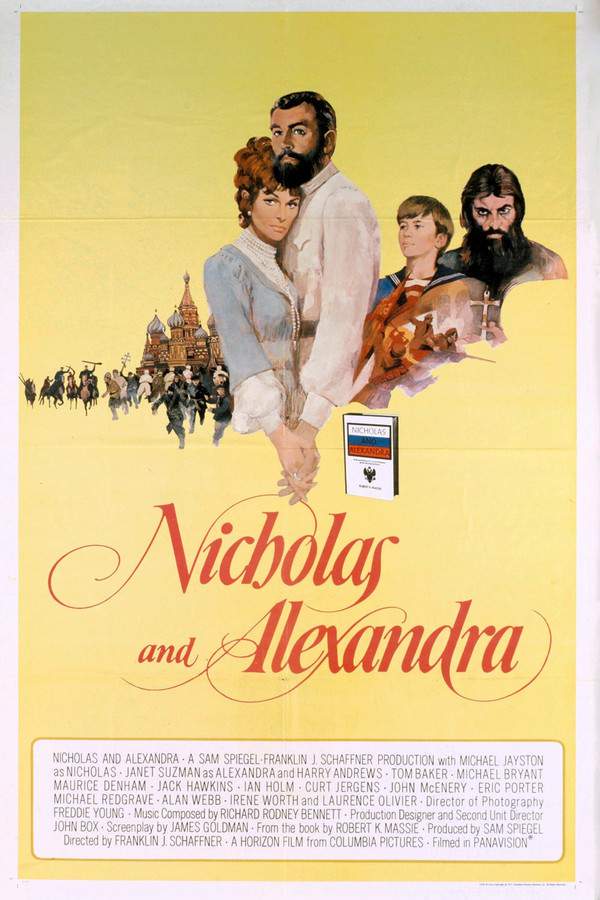
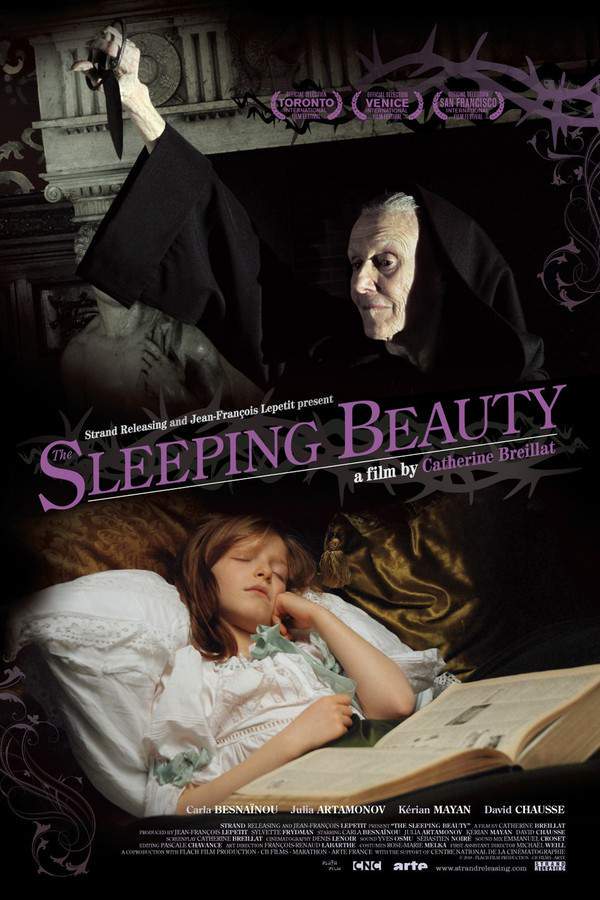
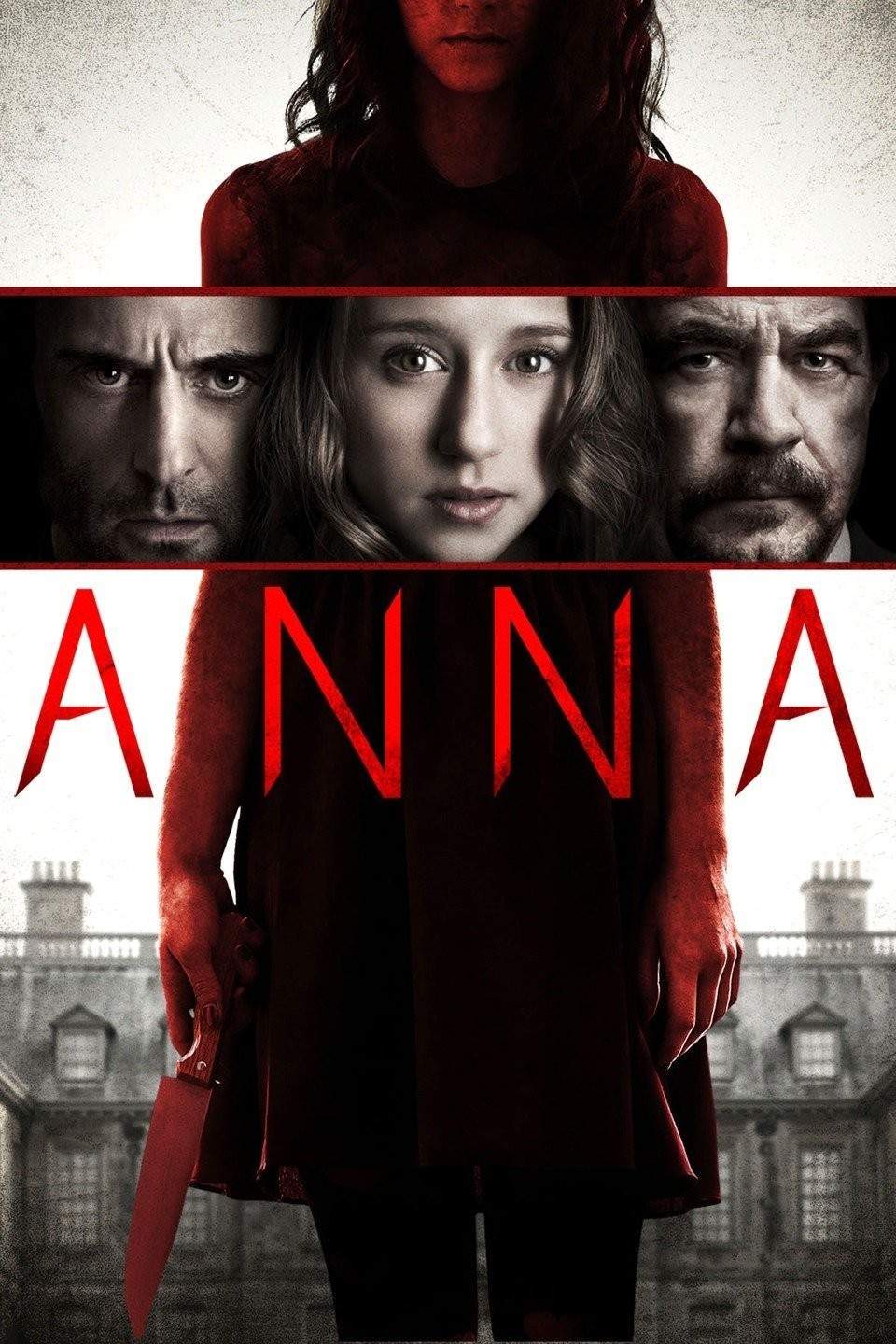




Quick Links: Summary, Cast, Ratings, More

What's After the Movie?
Not sure whether to stay after the credits? Find out!
Check out our other apps:

SAT Sphere
Build confidence for the Digital SAT.

Mori Atlas
Discover wild places worth protecting.

Luntero
Search smarter for a home in Amsterdam.

Plot Explained
Unravel movie endings and hidden clues.

Pokechamp
Dive into Pokémon data and battle logic.

Driving Theory
Get ready for your European theory test.

Movie Dust
Plan your next cinema trip with ease.

Musemap
Find art and culture as you travel.

Selkobase
Compare credentials before committing.

Local Manual
Turn an unfamiliar country into practical next steps.

Lernavi
Compare school systems before your next move.

GymRoam
Find a workout stop wherever your plans take you.
Explore Our Movie Platform
New Movie Releases (2026)
Famous Movie Actors
Top Film Production Studios
Movie Plot Summaries & Endings
Major Movie Awards & Winners
Best Concert Films & Music Documentaries
Movie Collections and Curated Lists
© 2026 What's After the Movie. All rights reserved.
Privacy Policy